Surging power infrastructure demand amid AI data center investment boom
Tighter U.S. sanctions on China seen as a tailwind
Local plants ramping up operations to expand production
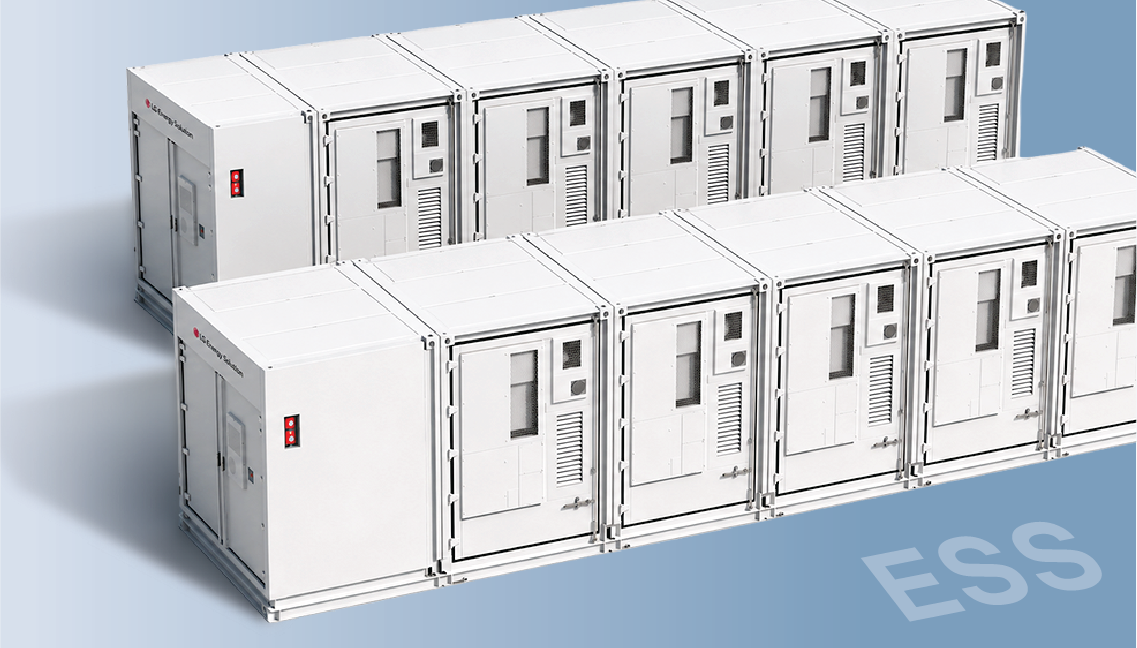
After being stuck in a loss-making tunnel for some time, the three major Korean battery makers all returned to profitability in the second quarter (April–June) and are now building up orders in the US market by using energy storage systems (ESS) as a new growth engine. As investment in artificial intelligence (AI) data centers drives an explosive surge in demand for power infrastructure in the US, these companies are converting existing battery production lines into ESS lines or expanding ESS production bases to increase scale.
On the 31st, SK On announced that it had signed a contract with US ESS company NeoVolta Power to supply 9 GWh (gigawatt-hours) of battery cells. The value of the contract is estimated at around KRW 1.5 trillion. Under this agreement, SK On will supply NeoVolta Power with a total of 9 GWh of lithium iron phosphate (LFP) pouch battery cells over five years from 2027 to 2031. The supply volume will be produced at SK On’s plant in the state of Georgia in the US.
LFP batteries have lower energy density than ternary (NCA·nickel·cobalt·aluminum) batteries, which are synonymous with secondary batteries, but are more than 30% cheaper. Previously they were strongly perceived as “low-cost” batteries, but demand has begun to expand amid the recent AI data center boom. For ESS used in AI data centers, energy density is not critically important, and LFP batteries, which are more stable in terms of fire safety, are far more useful.
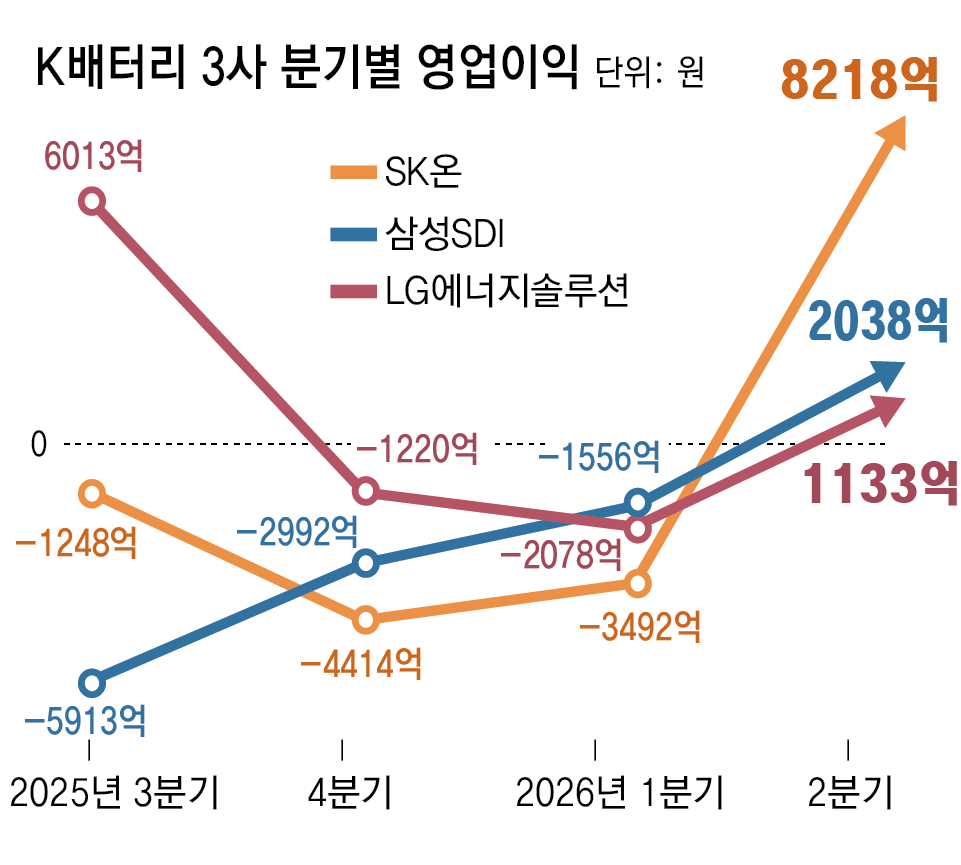
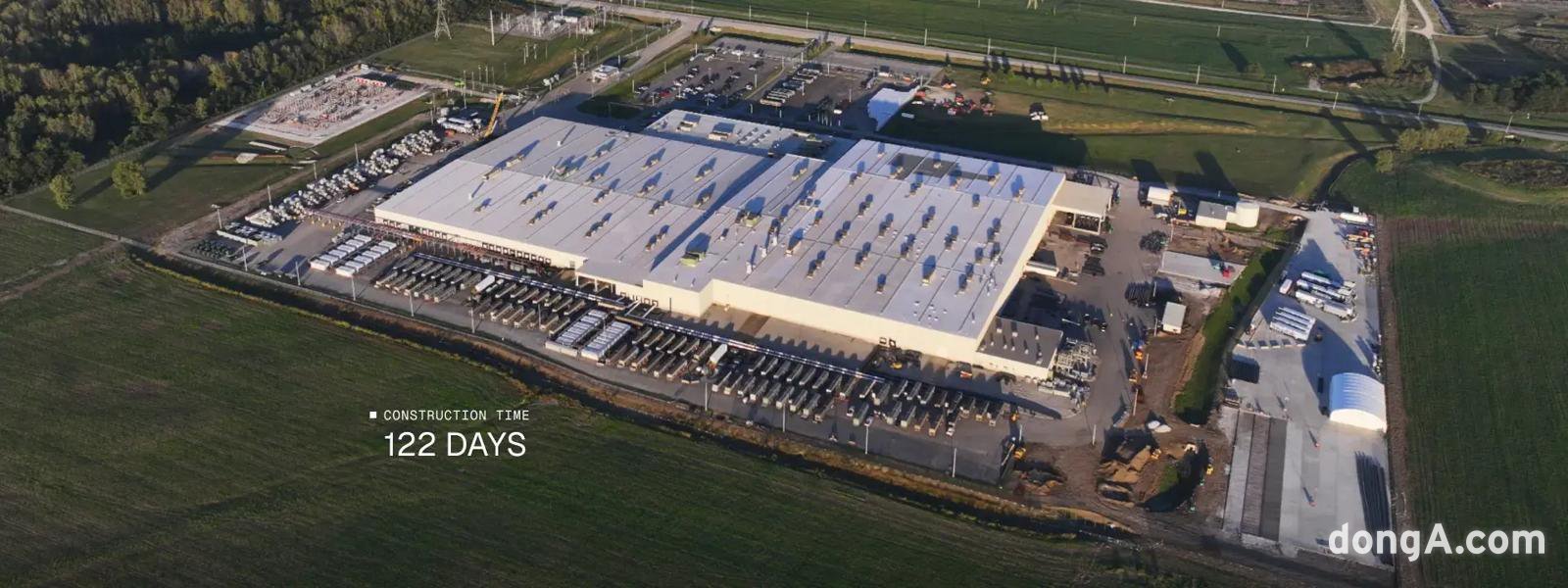
Accordingly, Korean battery makers are shifting the focus of their businesses toward LFP batteries for ESS. LG Energy Solution has been aggressively promoting its ESS business, raising the share of ESS in total revenue from about 10% last year to 25% in the first half of this year (January–June). The company plans to increase the ESS revenue share to 35% by the end of this year. On 18 August (local time), LG Energy Solution began full-scale operation of its “Michigan Lansing” plant in the US, securing five production bases in North America. It plans to expand production capacity in North America to 50 GWh within this year.
Samsung SDI is likewise expanding its local US ESS battery production capacity to 30 GWh by the end of this year. Since last year, Samsung SDI has been converting part of the production lines at StarPlus Energy, its joint venture with automaker brand Stellantis, to ESS use. While it is currently producing ternary batteries, it plans to begin mass production of LFP batteries locally by year-end.
The industry believes that the US strengthening of sanctions against China is likely to act as a positive factor for Korean battery makers. Chinese companies account for about 80% of the market for LFP batteries for ESS. However, the situation has changed since the US government introduced the supply chain regulation “One Big Beautiful Bill Act (OBBBA)” last year. To receive ESS investment tax credits, the proportion of battery components and materials from “Prohibited Foreign Entities (PFE),” including Chinese companies, must be reduced below a certain threshold.
In a recently published report, Jang Jeong-hoon, an analyst at Samsung Securities, stated, “Using Korean battery products yields a greater tax credit effect,” adding, “Preference for non-Chinese products is bound to increase over time.”
ⓒ dongA.com. All rights reserved. Reproduction, redistribution, or use for AI training prohibited.
Popular News