Business agreement with Honda and Hanoi City to build an electric two-wheeler BSS
Easy battery-swap model for electric motorcycles
Capturing the market in line with Hanoi’s eco-friendly two-wheeler expansion policy
LG Energy Solution already operating ‘Kuru’ BSS business in Korea
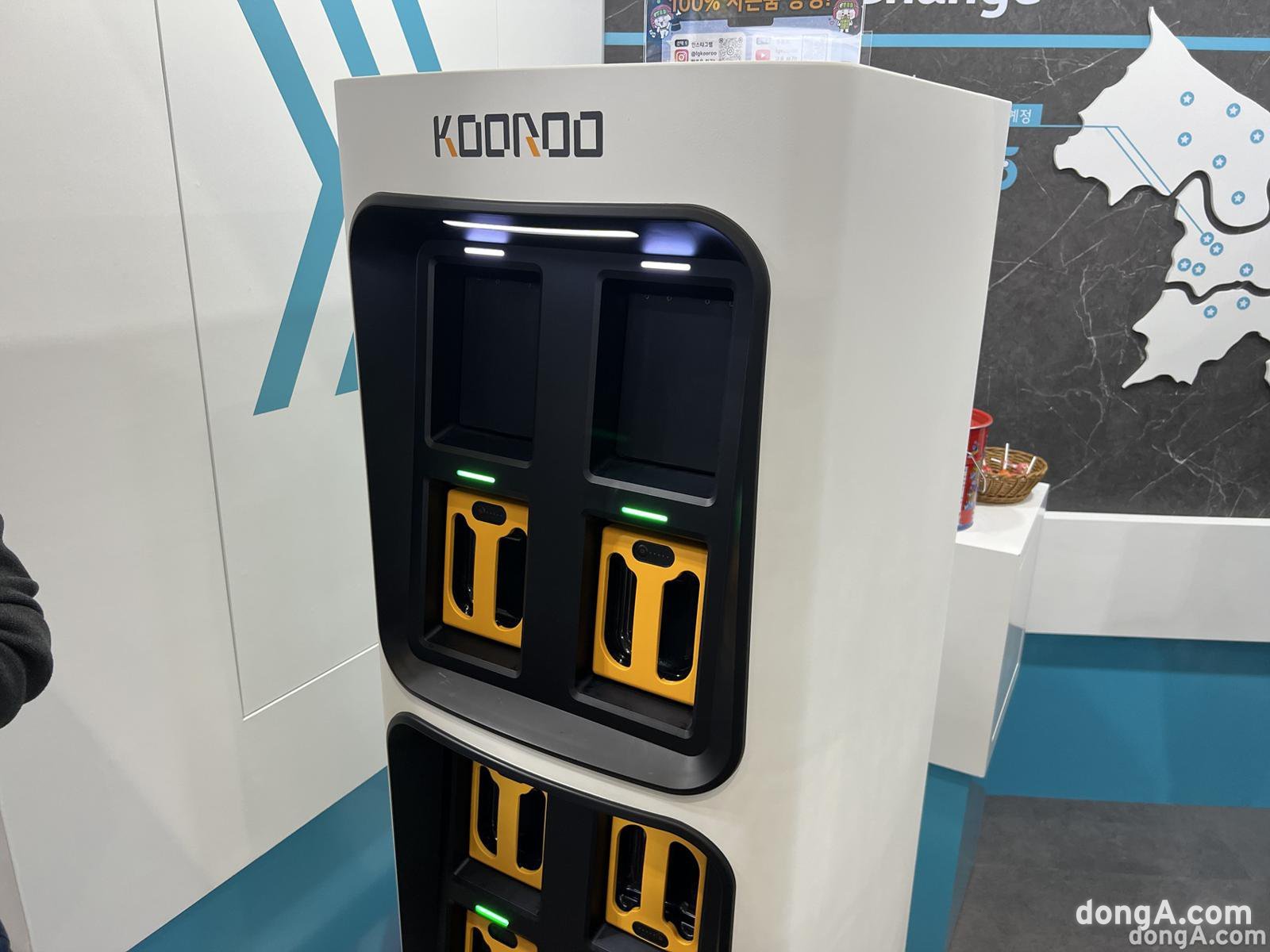
Battery swapping station and swappable electric two-wheeler battery showcased by KOOROO, LG Energy Solution’s in-house independent company, at InterBattery 2024. Photo by reporter Kim Min-beom
LG Energy Solution is moving to expand the electric motorcycle market in Vietnam, known as a motorcycle haven.
On the 19th (local time), LG Energy Solution signed a memorandum of understanding (MOU) with Japan’s Honda and Hanoi, the capital of Vietnam, for cooperation on building public battery swapping stations (BSS, Battery Swapping Station) for electric two-wheelers.
Under the agreement, the parties plan to build battery swapping stations for electric two-wheelers in central Hanoi and pursue broad-based cooperation to create a related ecosystem, including battery standardization and safety management system development, as well as joint development of business models for electric two-wheeler platforms.
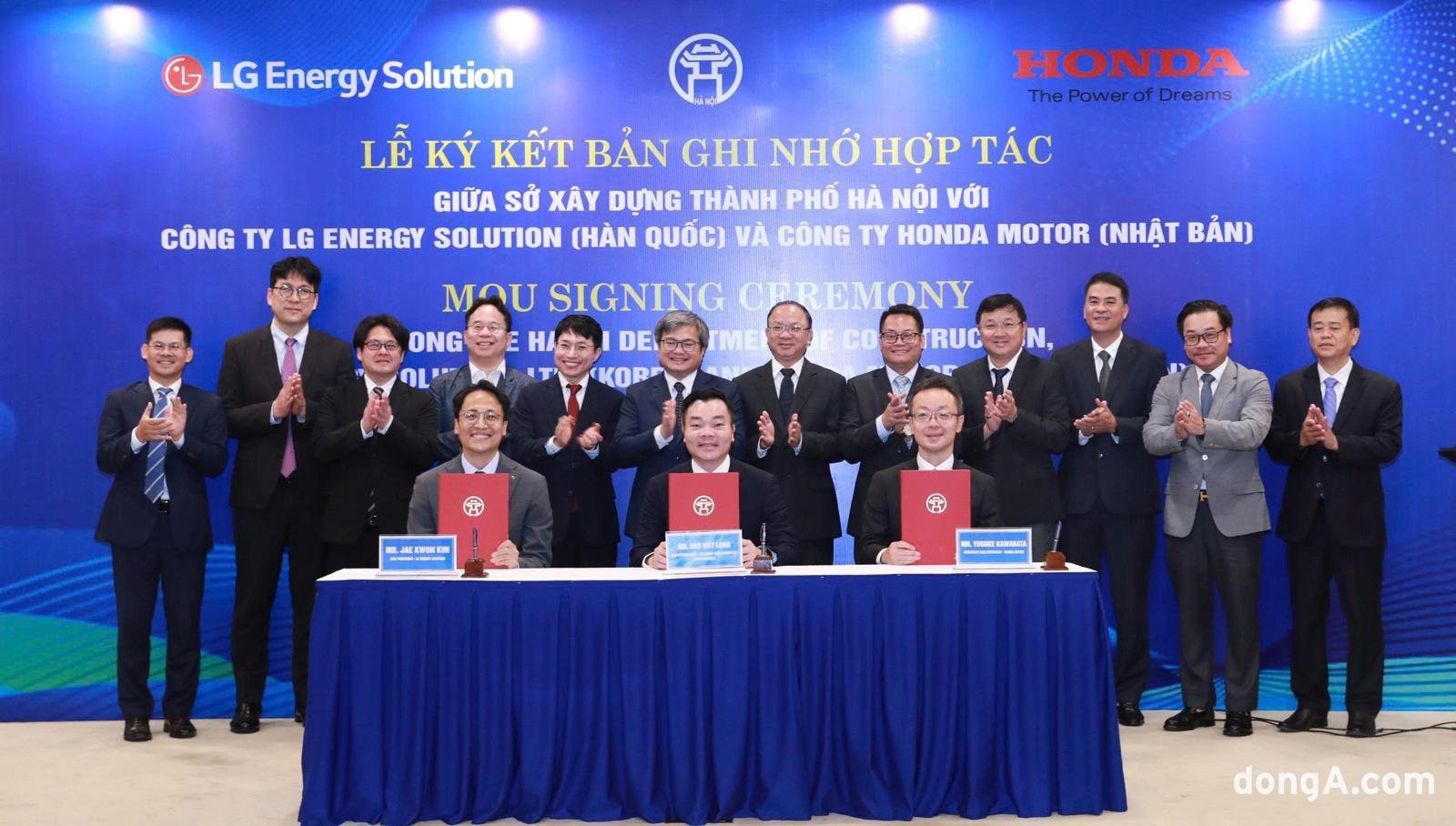
The signing ceremony in Hanoi was attended by key officials including Kim Jae-kwon, Head of the Marketing Group of the Small Battery Business Division at LG Energy Solution; Kawabata, Head of Honda’s Mobile Power Pack (MPP) Business Division; Truong Viet Dung, Vice Chairman of Hanoi; and Dao Viet Long, Deputy Director of the Department of Construction.
Key officials from LG Energy Solution, Honda, and Hanoi pose for a commemorative photo after signing the memorandum of understanding (MOU) on cooperation to build public battery swapping stations (BSS, Battery Swapping Station) for electric two-wheelers. (Front row from left) Kim Jae-kwon, Head of the Marketing Group of the Small Battery Business Division at LG Energy Solution; Dao Viet Long, Deputy Director of the Department of Construction of Hanoi, Vietnam; Kawabata, Head of Honda’s Mobile Power Pack (MPP, Mobile Power Pack) Business Division. Photo provided by LG Energy Solution
Specifically, LG Energy Solution, Honda, and Hanoi plan to establish about 50 battery swapping stations in key areas of Hanoi starting in the third quarter of this year. They intend to launch a full-scale pilot project using a fleet of 500 electric two-wheelers.
The batteries will use LG Energy Solution’s cylindrical 2170 cells. In addition to supplying batteries, LG Energy Solution will be responsible for building the safety management system, operating the swapping system, and providing operating solutions. The company will also promote the introduction of a battery lifecycle management and safety management framework.
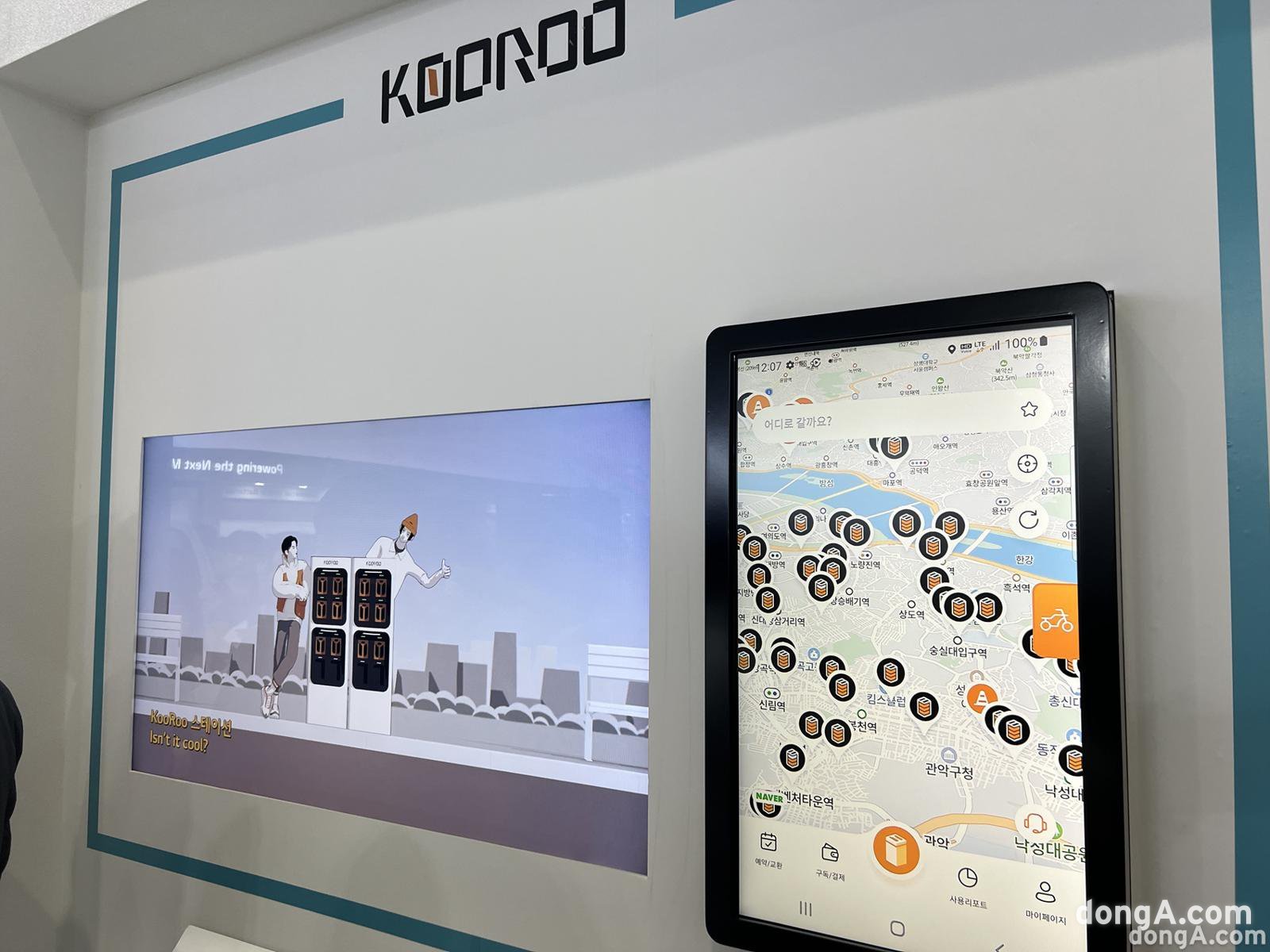
KOOROO, LG Energy Solution’s in-house independent company, has been operating battery swapping stations in Korea since 2024. Photo by reporter Kim Min-beom
LG Energy Solution’s ‘KOOROO’ rolls out BSS business in Korea… Secures dual safety technology for batteries
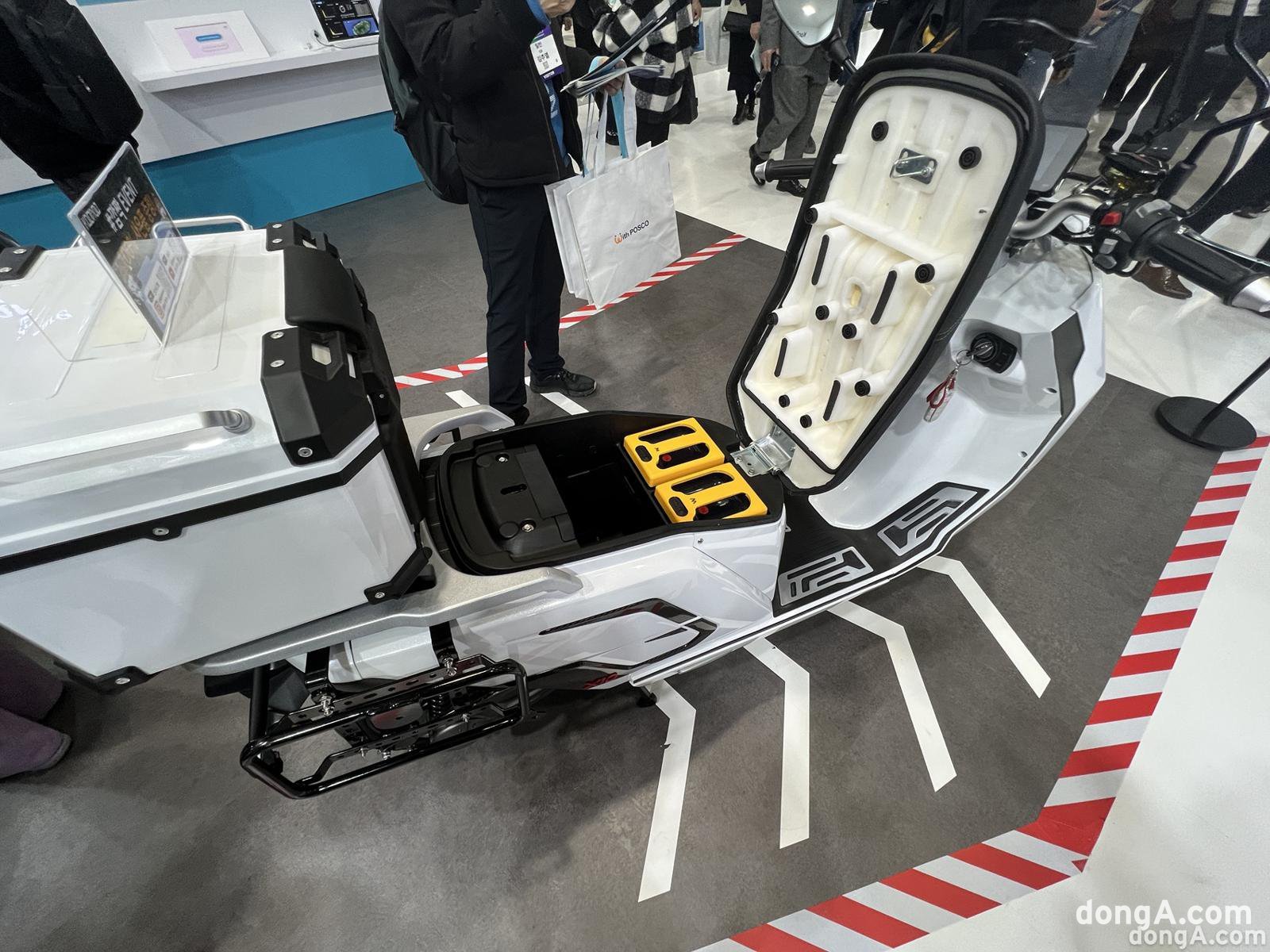
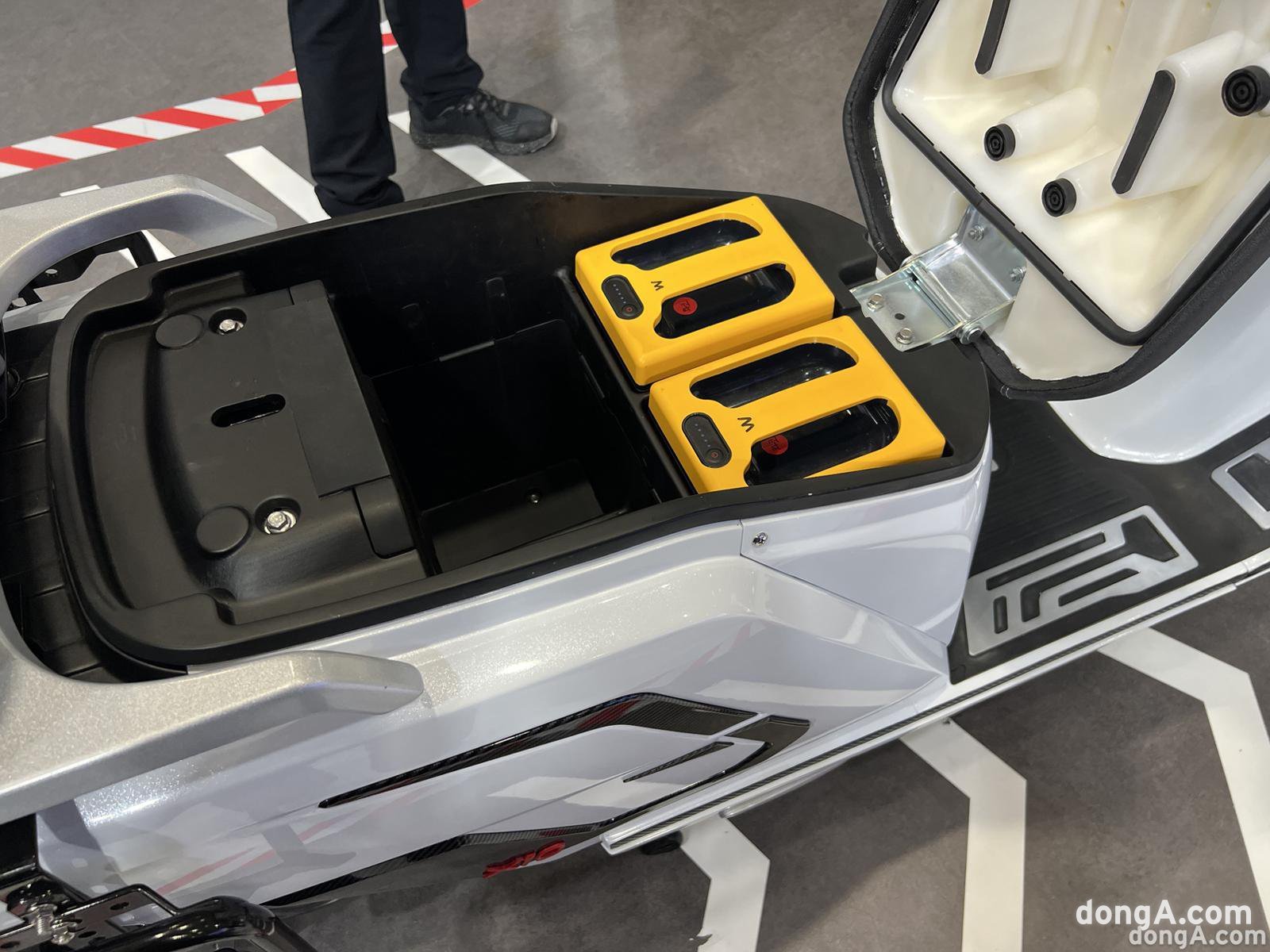
LG Energy Solution is already deploying an electric two-wheeler BSS business in Korea. The company launched its in-house independent company (CIC), KOOROO, in 2022 and has been ramping up the business in earnest since 2024. Starting with the operation of about 440 stations in the Seoul metropolitan area (300 stations in Seoul, 130 in Gyeonggi and Incheon), it is expanding BSS installations to major metropolitan cities including Busan, Daegu, Ulsan, Daejeon, and Gwangju. The system involves swapping and installing two square battery packs weighing about 10 kg each beneath the seat of an electric two-wheeler (scooter). With two fully charged battery packs, the vehicle can travel approximately 127 km to a maximum of 152 km.
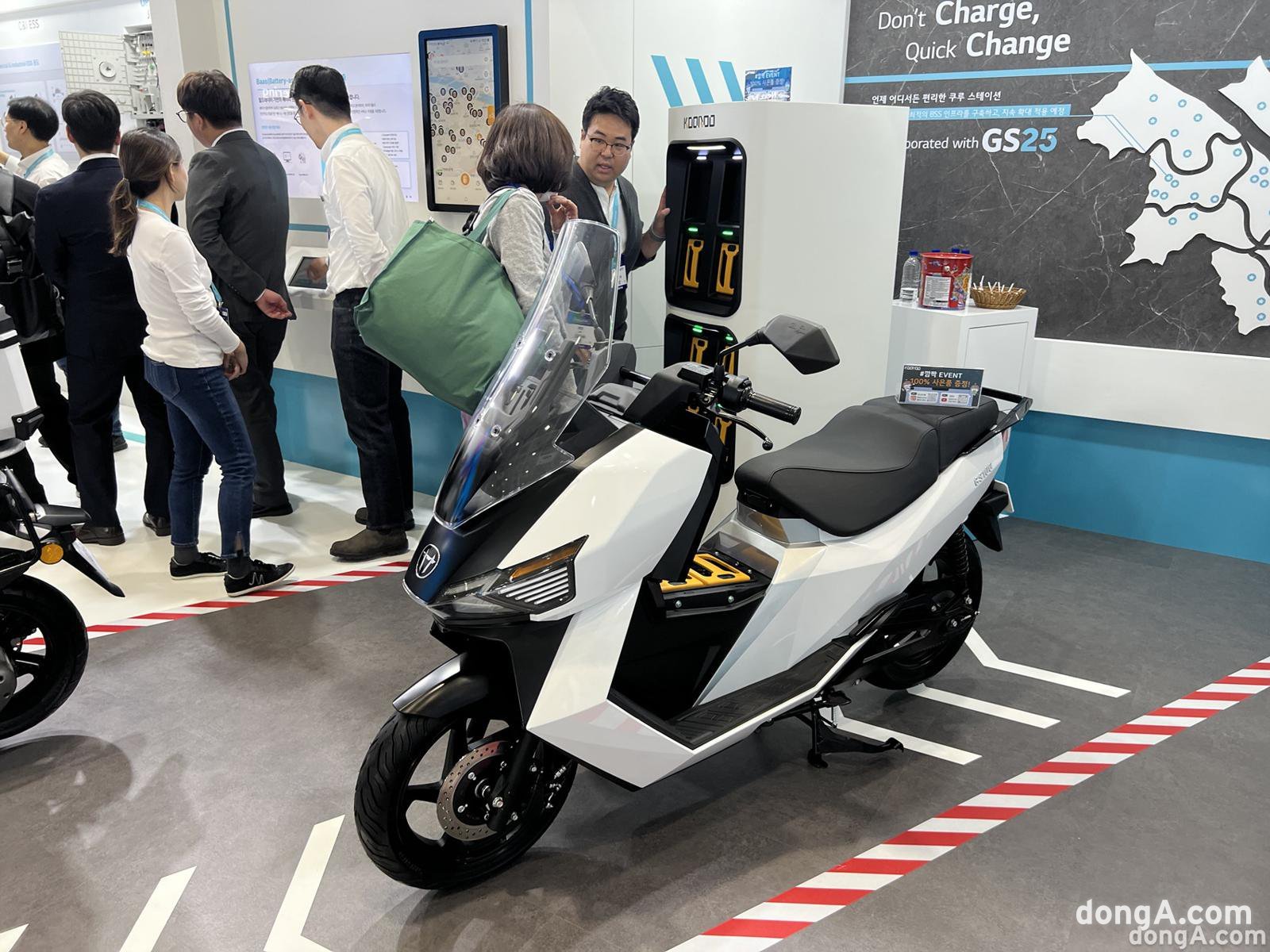
Electric two-wheeler equipped with swappable batteries, showcased by KOOROO, LG Energy Solution’s in-house independent company, at InterBattery 2024. Photo by reporter Kim Min-beom
Swappable battery for electric two-wheelers showcased by KOOROO, LG Energy Solution’s in-house independent company, at InterBattery 2024. Photo by reporter Kim Min-beom
It has also secured safety technologies. By linking the onboard BMS inside the two-wheeler with a cloud-based BMS, the system monitors battery conditions redundantly. According to LG Energy Solution, voltage, current, and temperature are continuously monitored in one-second intervals. In particular, by predicting remaining battery life and detecting abnormal signs in advance, the company states that it has fundamentally eliminated the risk of battery fires. In addition, a drainage structure for rainy weather has been applied so that batteries can be safely swapped even on rainy days.
Honda is expected to handle the supply of battery packs (MPP), swapping machines, and electric two-wheelers. According to the Vietnam Association of Motorcycle Manufacturers (VAMM), Honda held a dominant 86% market share in the Vietnamese motorcycle market in 2025. Hanoi will be responsible for permits and policy support related to overall business operations, as well as cooperation in local operations.
Battery swapping station for electric two-wheelers showcased by KOOROO, LG Energy Solution’s in-house independent company, at InterBattery 2024. Photo by reporter Kim Min-beom
Hanoi encourages eco-friendly two-wheelers… “Electric motorcycle market expected to grow 18% annually”
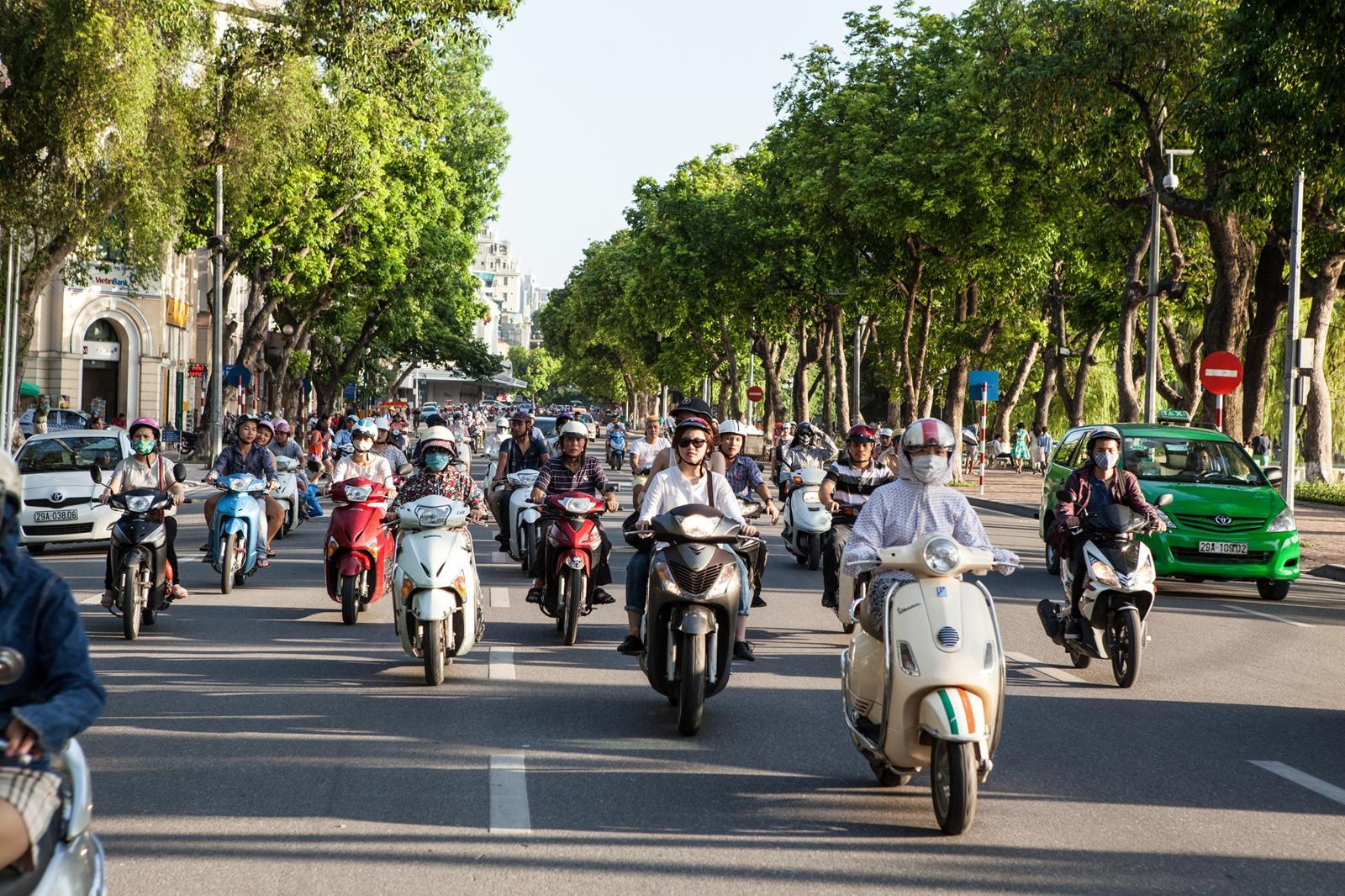
Hanoi, the capital of Vietnam, is often described as a motorcycle heaven. While the city’s population is about 8.5 million, the number of registered motorcycles reaches approximately 6 million. As in other major cities, air pollution caused by fine and ultrafine dust is regarded as a chronic social problem. Despite being the world’s largest two-wheeler market, the penetration rate of electric two-wheelers remains low. According to the National Traffic Safety Committee of Vietnam, as of last year the country had about 80 million two-wheelers in operation, but only around 3.2 million, or about 4%, were electric.
Against this backdrop, Hanoi last year announced a policy to restrict the operation of internal combustion engine vehicles in urban areas in order to improve air quality and build a low-emission transport system. Aiming to transition to an eco-friendly transportation system, the city will restrict the operation of internal combustion engine motorcycles by time and by zone starting in July this year, and gradually expand the restrictions through 2030. Institutions including RMIT University in Melbourne, Australia, project that Vietnam’s electric two-wheeler market will continue to grow at a strong annual rate of more than 18%.
Motorcycles driving in a Vietnamese city. Getty Image Bank
LG Energy Solution plans to use this cooperation as a stepping stone to strengthen its competitiveness in the Southeast Asian battery market and accelerate the accumulation of experience and data in operating battery swapping platforms for electric two-wheelers.
Truong Viet Dung, Vice Chairman of Hanoi, stated, “Korea and Japan are countries that are leading the field of battery swapping stations for electric two-wheelers,” adding, “Based on the technological capabilities of LG Energy Solution and Honda, we expect that an electric two-wheeler battery swapping infrastructure that citizens of Hanoi can use more conveniently will be established.”
An LG Energy Solution official said, “Vietnam is the most critical country in the transition to electric two-wheelers in the Southeast Asian region,” and added, “Leveraging differentiated technologies that ensure safety while dramatically extending operating time and lifespan in the two-wheeler battery sector, we will continue to contribute to the development of eco-friendly transportation infrastructure in Vietnam.”
ⓒ dongA.com. All rights reserved. Reproduction, redistribution, or use for AI training prohibited.
Popular News