LG Energy Solution becomes first in industry to surpass 100,000 patents
Technological edge from materials to design and manufacturing
Korean companies secure large-scale ESS orders in the U.S.
“EV market rebound to begin this year”
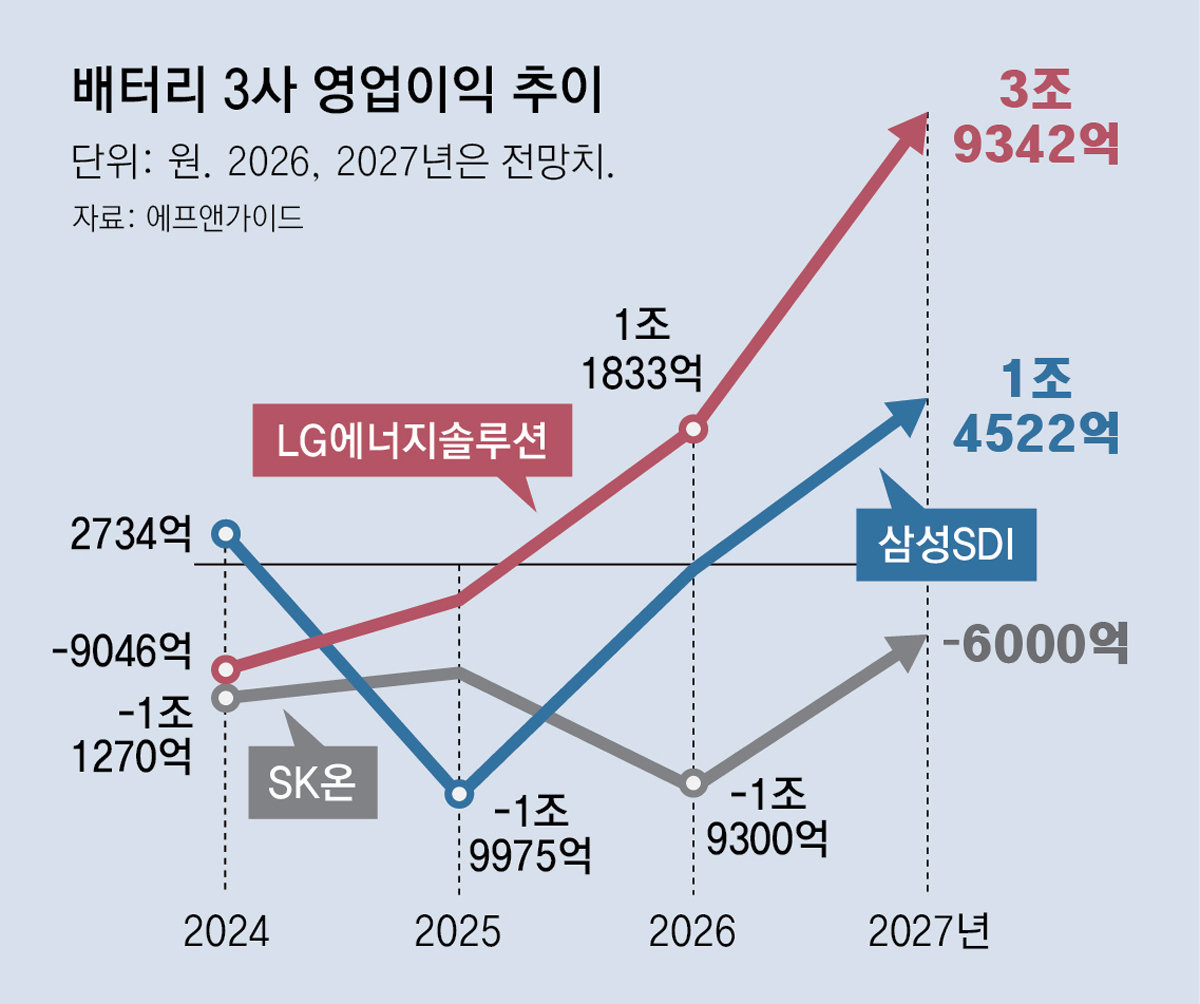
The domestic battery industry is seeking a breakthrough from the prolonged electric vehicle downturn with a “two-track” strategy of expanding its energy storage system (ESS) business and strengthening patents. There are also projections that battery companies’ operating profits, which entered a “deep freeze” in 2023, will start to rebound this year.
● Earning money from patents while keeping competitors in check
Having shifted and expanded their business model from electric vehicles to ESS for renewable energy and artificial intelligence (AI) data centers, domestic battery companies are now accelerating monetization in the patent domain as well. LG Energy Solution is at the forefront. LG Energy Solution announced on the 21st that the number of patent applications it has filed worldwide has exceeded 100,000. In the global battery industry, LG Energy Solution is the first company whose number of global patent filings has surpassed 100,000.
Based on more than 30 years of accumulated experience, LG Energy Solution has secured core technologies across the entire battery value chain (supply chain), from materials and design to manufacturing. Representative examples include its “Safety Reinforced Separator (SRS)” technology, which enhances battery stability through ceramic materials, and its “Double Layer Coating (DLD)” technology, which maximizes anode performance through dual coating. High-capacity high-nickel cathode materials, which upgrade ternary batteries, are also among LG Energy Solution’s key patent assets. The company added that it is strengthening its competitive edge by securing patents in next-generation technologies such as lithium manganese rich (LMR) and dry electrodes.
LG Energy Solution is using patents to achieve both monetization and competitive checks on rivals. On the 11th, it signed a patent license agreement with Chinese battery manufacturer Sunwoda. Sunwoda, one of the world’s top-10 battery manufacturers, had been accused of infringing LG Energy Solution’s core patents, including SRS. Last year, a German court ruled in favor of LG Energy Solution by banning the sale of Sunwoda products incorporating the relevant technology, which ultimately led to the license agreement.
● ESS as a “booster,” will electric vehicles also rebound?
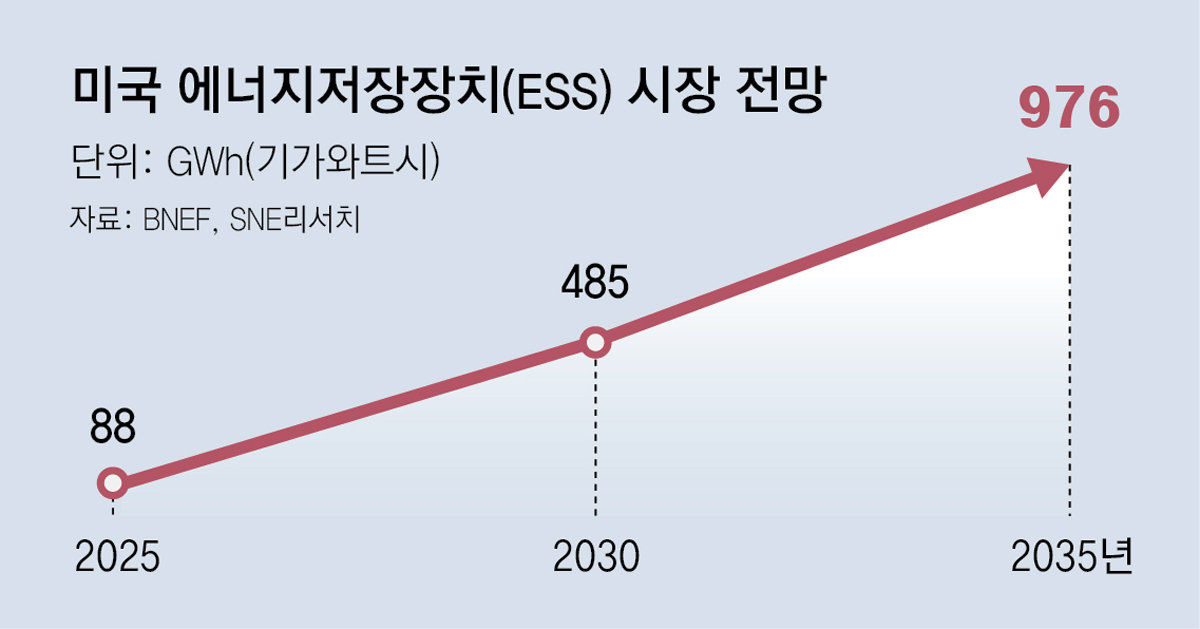
Korean battery companies have recently begun to accelerate normalization in their core business of battery sales. In May, LG Energy Solution signed a 6GWh (gigawatt-hour) ESS contract with DTE Energy, the largest energy company in the U.S. state of Michigan. The contract is worth approximately KRW 2.4 trillion. LG Energy Solution had earlier secured a series of large-scale ESS orders from North American companies such as Tesla, Terragen, and Excelsior. According to KB Securities, LG Energy Solution’s ESS order backlog currently exceeds 150GWh.
In March, Samsung SDI signed a KRW 1.5 trillion contract in the United States to supply batteries for ESS to an energy company. This follows an order worth over KRW 2 trillion from another U.S. energy infrastructure company at the end of last year. In September last year, SK On signed a 1GWh ESS supply contract with a U.S. renewable energy developer. The company is currently accelerating ESS orders by converting some lines at its plant in Georgia, which had been operated mainly for electric vehicles, to ESS production.
The electric vehicle market, which has gone through a deep downturn, is also showing signs of a rebound. Eugene Investment & Securities analyzed that “from next year, Tesla’s electric vehicle sales volume will recover, creating favorable conditions for Korean battery companies in North America and Europe.” Accordingly, securities firms expect LG Energy Solution and Samsung SDI to return to the black this year and next year, respectively. SK On is projected to narrow its losses.
ⓒ dongA.com. All rights reserved. Reproduction, redistribution, or use for AI training prohibited.
Popular News