Production of melanoma and Hodgkin’s lymphoma treatments resumes in full Health authorities including MFDS and MOHW provide tailored support such as price adjustments Center for Rare and Essential Medicines to manufacture exclusively to order and build a cold-chain distribution network Public–private cooperation offers a model case for stabilizing supply of nationally essential medicines
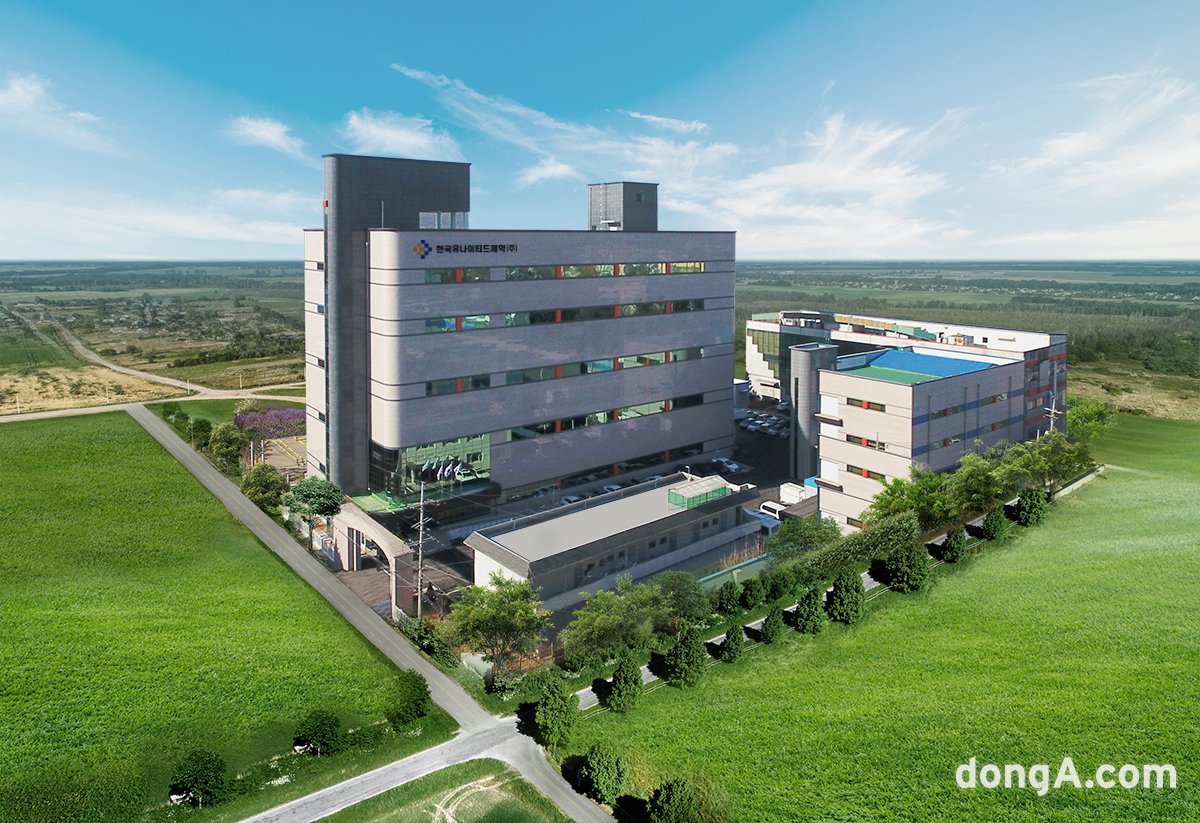
Korea United Pharm Sejong Plant 2. Provided by Korea United Pharm
The production line for an essential anticancer drug, which had faced the risk of supply interruption, is being restarted with comprehensive administrative support from the health authorities. Supply of DTI Injection 200 mg from Korea United Pharm has been normalized in the market through inter-ministerial cooperation that dismantled bureaucratic barriers. Relevant institutions preemptively overhauled systems and introduced support measures to prevent disruption in clinical settings.
DTI Injection is an essential medicine containing dacarbazine, administered to patients with malignant melanoma, a type of skin cancer, and Hodgkin’s lymphoma, a rare blood cancer. The batch being shipped this time is the entire quantity secured by the Korea Orphan & Essential Drug Center through a made-to-order arrangement. Korea United Pharm is exclusively responsible for manufacturing, while B&C Medical, a distributor selected through public tender, will handle delivery to hospitals and clinics to help stabilize supply and demand.
Previously, the Ministry of Food and Drug Safety swiftly designated this product as a national essential medicine, thereby establishing a sustainable manufacturing base. The Ministry of Health and Welfare, the National Health Insurance Service, and the Health Insurance Review and Assessment Service provided a fast-track, preferential process for drug price adjustment negotiations to prevent production from being halted due to worsening profitability.
The Korea Orphan & Essential Drug Center also moved quickly to prevent any suspension of patients’ treatment. The center significantly shortened the contract process with the pharmaceutical company and, through an open bidding procedure, rapidly identified a wholesaler equipped with a cold-chain logistics system to ensure safe refrigerated delivery of the anticancer drug, which is highly susceptible to quality degradation.
A Korea United Pharm official stated that the normalization of supply was made possible by close communication between regulatory authorities and the insurance authorities, under the shared goal of safeguarding patients’ right to treatment. The official added that this case would serve as a successful cooperation model in which the private sector and public institutions joined forces to resolve instability in pharmaceutical supply.
Kim Sang-jun
AI-translated with ChatGPT. Provided as is; original Korean text prevails.
ⓒ dongA.com. All rights reserved. Reproduction, redistribution, or use for AI training prohibited.