Sequential LFP battery supply starting in 2028 Both companies’ products meet IRA local production requirements
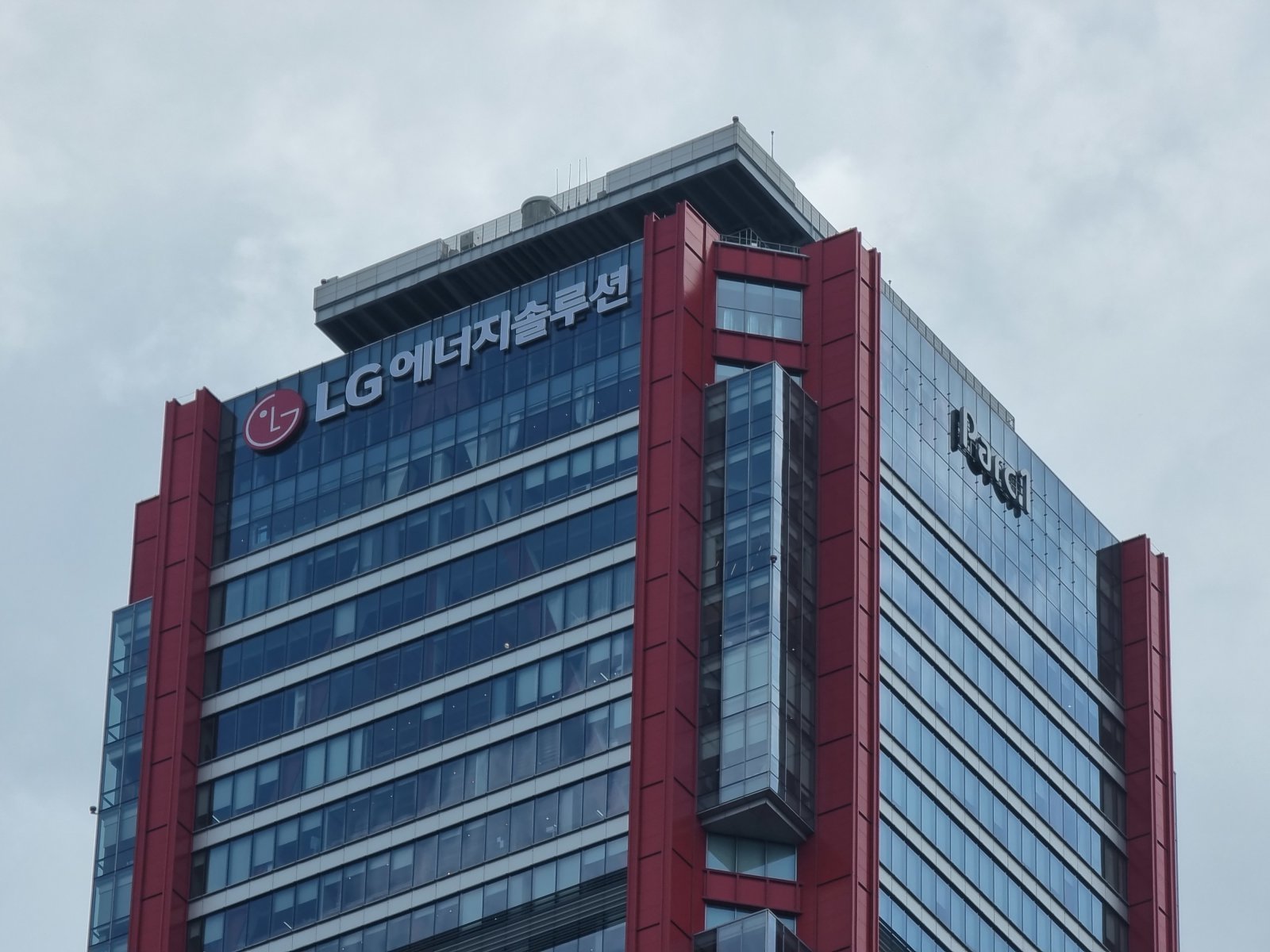
LG Energy Solution headquarters in Yeouido, Yeongdeungpo-gu, Seoul, July 27, 2023, News1
LG Energy Solution will supply energy storage system (ESS) batteries worth around KRW 1 trillion to Hanwha Qcells’ U.S. subsidiary.
LG Energy Solution announced on the 4th that it has signed a contract with Hanwha Qcells’ U.S. subsidiary to supply a total of 5GWh (gigawatt-hours) of lithium iron phosphate (LFP) batteries for ESS. Deliveries are scheduled to be made sequentially between 2028 and 2030. The ESS batteries will be used in engineering, procurement and construction (EPC) project businesses pursued by Hanwha Qcells.
The two companies also signed a 4.8GWh ESS supply contract in May 2024. LG Energy Solution explained, “Through the first collaboration, we verified product competitiveness and local production capabilities, which led to this follow-up contract,” adding, “The scope and volume of cooperation between the two companies have expanded, solidifying a long-term partnership.”
The two companies plan to generate synergies in energy infrastructure projects that link batteries and solar modules, based on the production bases they have established in the United States. LG Energy Solution’s batteries are produced in Michigan, while Hanwha Qcells’ solar modules are produced in Georgia. As both products are manufactured in the United States, they meet the local production requirements of the Inflation Reduction Act (IRA). This is cited as a strength, as it enables them to expand access to U.S. government support while minimizing risks arising from tariff and policy changes.
LG Energy Solution has previously signed a series of ESS contracts with various North American customers, including Terra-Gen and Excelsior. With growth in the electric vehicle market slowing, the company is restructuring its business portfolio around ESS. It plans to nearly double its current ESS production capacity by the end of this year and move into full-scale market penetration. It is focusing on converting existing electric-vehicle battery production lines into ESS lines and bringing forward the timeline for mass production.
Park Hyun-ik
AI-translated with ChatGPT. Provided as is; original Korean text prevails.
ⓒ dongA.com. All rights reserved. Reproduction, redistribution, or use for AI training prohibited.