Interview with Seo Dong-hoon, Director of Korea University Ansan Hospital
Advancing new building focused on cancer and critical care… Enhancing collaboration with detailed treatment stages
Implementing AI system to indicate patient risks… Introducing 'Da Vinci 5' robotic surgery system in February next year
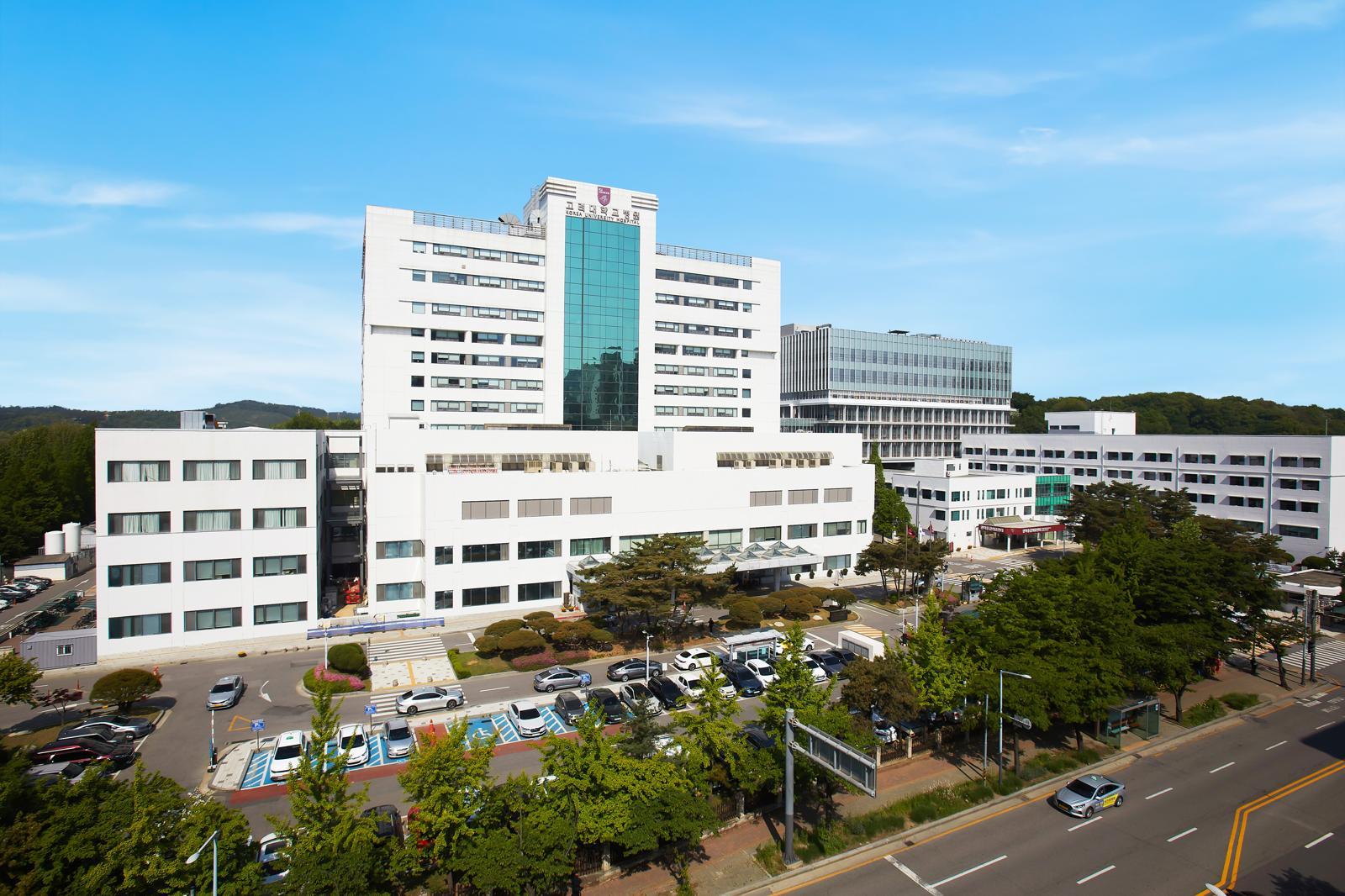
View of Korea University Ansan Hospital.
Korea University Ansan Hospital (Director Seo Dong-hoon) is accelerating its efforts to enhance treatment capabilities by promoting a 'master plan' focused on the construction of a new building for cancer and severe disease treatment and the expansion of advanced equipment. Director Seo Dong-hoon announced plans to specify the hospital's mid- to long-term development direction through the master plan and to strengthen severe disease treatment capabilities and expand essential medical services to become a key hub hospital in the southwestern region of Gyeonggi Province.
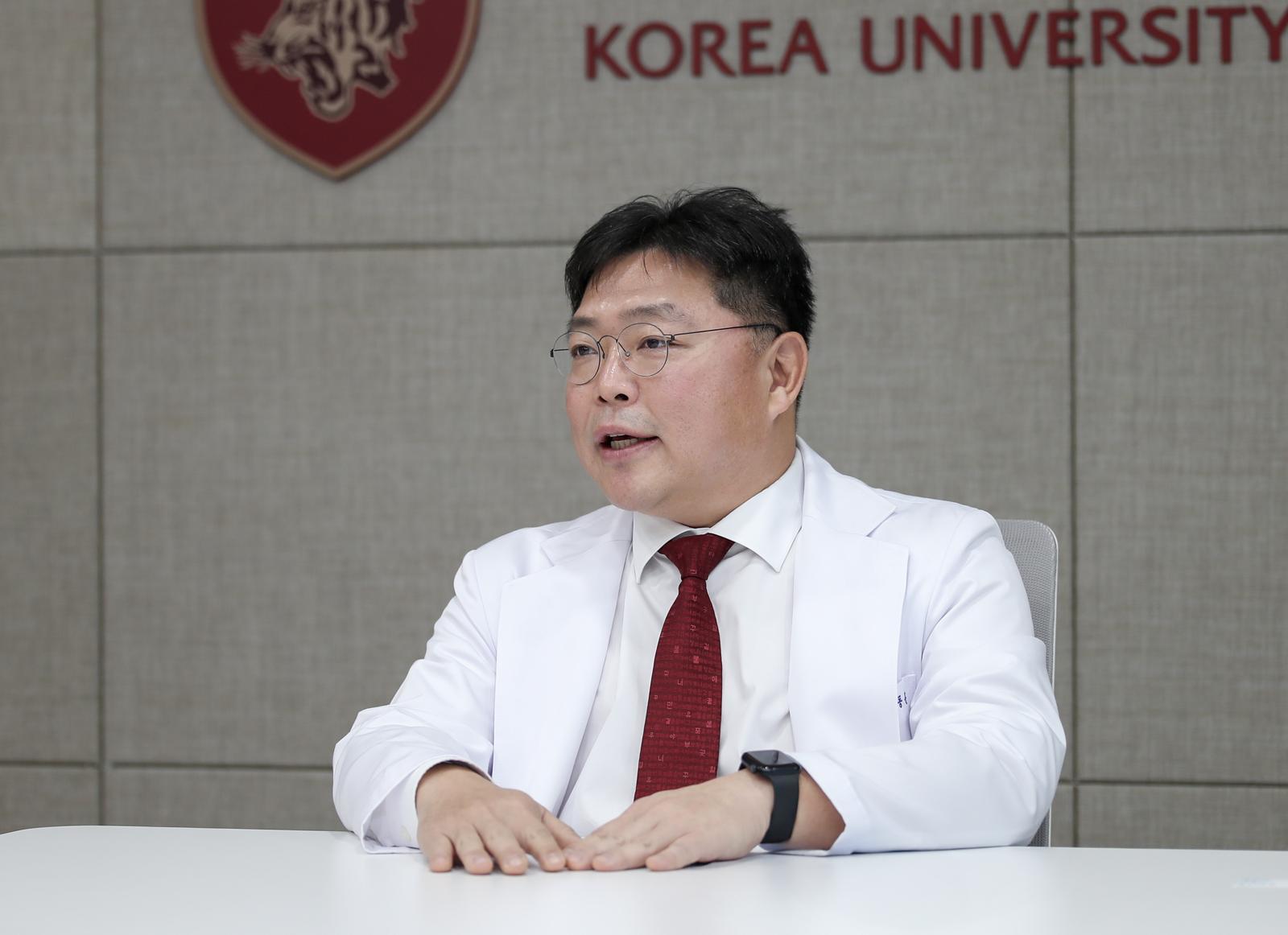
Director Seo Dong-hoon of Korea University Ansan Hospital stated, “The master plan is not just about new construction but a process of advancing medical care towards a patient-centered and future-oriented direction,” adding, “We aim to lead severe and essential medical care in the southwestern region of Gyeonggi and grow as a hospital contributing to national medical innovation as a research-centered hospital.” Provided by Korea University Ansan Hospital
Director Seo was interviewed about the main contents of the new building construction, the establishment of a smart medical environment, plans for introducing advanced equipment, and changes following the research-centered hospital certification, outlining the specific blueprint of the master plan.
―What is the core goal of this master plan?
“The ultimate goal of the master plan is to create a 'better hospital.' It is not just about constructing a new building but about creating a hospital where there are fewer things that cannot be done in critical situations like severe trauma. Ansan Hospital has expanded its research base significantly over its 40 years of operation, but the outpatient facilities have become outdated, limiting patient flow and treatment efficiency. Therefore, the new building aims to restructure the existing department-centered structure into a patient-centered one. The entire process, including outpatient clinics, examination rooms, and waiting areas, is being redesigned to naturally integrate treatment, testing, and consultations according to patient flow. A system is also being prepared to monitor patient flow in real-time, reduce waiting times, and prevent medical staff workloads from concentrating at specific times. This will be fully implemented in the new building, which is not feasible in the existing main building.”
―The new building is planned to focus on cancer and severe diseases. What changes will patients experience?
“The construction of the new building is not merely about relocating the cancer center. It involves redesigning the cancer treatment process from scratch. Many hospitals operate disease-specific centers, but in practice, both patients and medical staff often experience confusion about whether to see a surgeon or an internist first. In the new building, cancer treatment will be segmented by disease and treatment stage, allowing surgery, internal medicine, radiology, pathology, and rehabilitation to operate in a single flow within one space. Simply placing spaces adjacent does not automatically resolve collaboration, so we are also working on dividing tasks and adjusting roles among departments. Patients will not have to worry about 'where to go.' Diagnosis, testing, surgery, chemotherapy, radiation, and rehabilitation will all be handled in a single flow in the new building. This will significantly enhance treatment continuity and convenience for cancer patients.”
―What will the smart and AI medical environment applied to the new building look like?
“The first step is to introduce technology that enhances patient safety and treatment efficiency. Since the main building is an active treatment facility, it is difficult to make significant changes, but the new building is being designed with a smart hospital structure in mind from the outset. Systems will be introduced to monitor patient location and flow in real-time, automatically adjust prescription and test waiting times, and alert medical staff to patient risk signals in advance using AI. Operating rooms and intensive care units are spaces where monitoring and automation technology are crucial, so predictive-based operational models will be actively applied. These changes are expected to reduce patient waiting delays and alleviate the repetitive workload of medical staff, ultimately improving both patient safety and treatment efficiency.”
―What changes will the introduction of the latest robotic surgical system Da Vinci 5 and high-precision radiation therapy equipment bring next year?
“The Da Vinci 5, to be introduced in February next year, will be the first model introduced among advanced general hospitals in Gyeonggi Province. Its most significant feature is the force feedback function, allowing surgeons to actually feel the strength and resistance of tissues during incision and suturing. There are clearly areas where robotic surgery is necessary, especially in fields with rapid technological advancement, where the advantages of robots are evident. It also aids in the education of junior medical staff. Additionally, with the addition of one more high-precision radiation therapy device early next year, the hospital will operate a total of three units. This will reduce the treatment waiting time for cancer patients and establish a more precise radiation therapy system. It is important that local cancer patients can receive stable treatment within their living area.”
―Please explain the investment scale and implementation schedule of the master plan.
“Currently, we are in the design phase, and the acquisition of the new building site is expected to be completed by February next year. We have been conducting preliminary reviews since 2023 and have a phased implementation schedule of design-construction-completion-operation. The investment scale will be clarified once the design is finalized, but it is expected to be a substantial mid- to long-term project, including the construction of the new building, the establishment of a smart medical environment, and the expansion of advanced equipment. The funding will be based on the hospital's own assets and support from the medical center, with external funding considered if necessary.”
―What is the most anticipated outcome following the research-centered hospital certification, and what changes will it bring to regional healthcare?
“Korea University Ansan Hospital has strengths in environmental medicine, AI healthcare, and zebrafish-based translational research, given its characteristics as an industrial area and the ability to utilize the Ansan resident genetic cohort. These areas are expected to yield research results relatively quickly. Over the past few years, we have laid the groundwork for technology commercialization through the expansion of research buildings, the establishment of a joint research support center, and the approval of corporate research institutes. From 2021 to 2024, we filed an average of 2.3 patents per core research personnel, received approval for three new medical technologies, conducted 131 clinical trials, and achieved 29 technology transfers, accumulating actual results. This research capability is directly linked to the treatment of regional patients. Managing chronic diseases based on environmental toxicity, predicting risks based on living environment data, and early diagnosis using AI are closely aligned with the characteristics of patients in the Ansan, Siheung, and Hwaseong regions. The most significant change will be the ability to receive more precise and predictive-based treatment within their living area.”
ⓒ dongA.com. All rights reserved. Reproduction, redistribution, or use for AI training prohibited.
Popular News