LG Electronics is set to embark on eco-friendly innovation by actively pursuing open innovation in the forestry sector in collaboration with the Korea Forest Service, the Korea Forestry Promotion Institute, and startups. The strategy involves integrating its Home Appliance Solution (HS) Division's technologies, such as modular eco-friendly housing, smart cottages, home appliances, data technology, and smart home solutions, into the forestry sector to achieve tangible carbon reduction and implement an eco-friendly lifestyle.
The "2025 Forestry Sector Open Innovation" project, organized by the Korea Forestry Promotion Institute and supervised by the Korea Forest Service, is a representative support program for forest and environmental innovation. It aims to create new business opportunities by combining the rich public data of the Korea Forest Service with the demands of large corporations and the creative ideas of startups. The goal is to provide practical collaboration and commercialization opportunities for large corporations and startups.
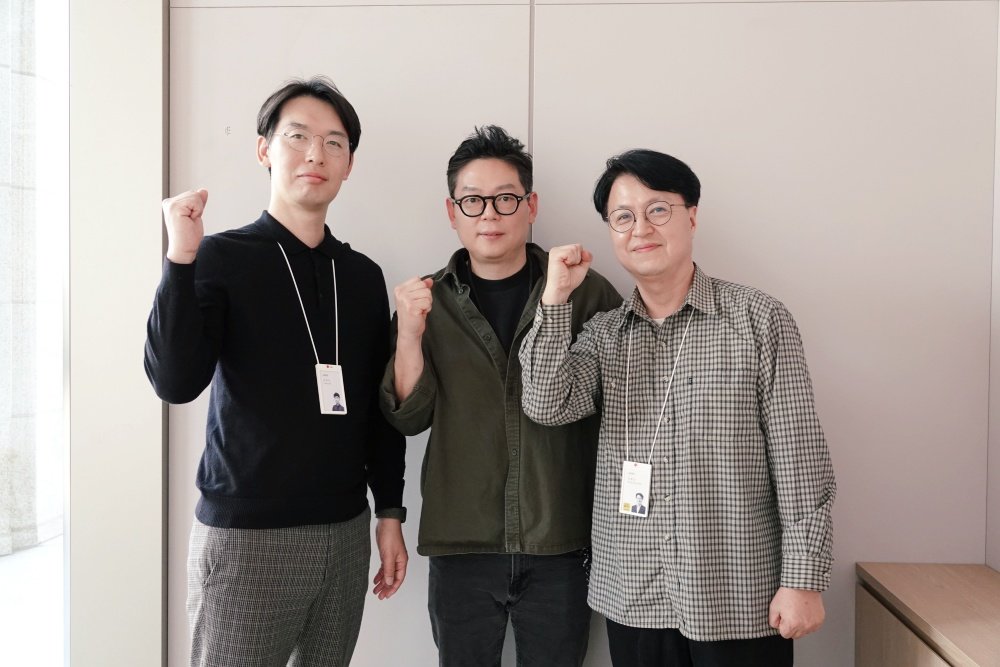
(From left) Jo Yeon-woo, CIC Head of LG Electronics HS Division, Choi Jong-gwan, Head of Wellness Solution Commercialization Task, Park Bong-gyun, Head of HS Customer Value Innovation Planning / Source=IT Donga
To participate in this forestry sector open innovation project, LG Electronics HS Division has brought together Jo Yeon-woo, CIC Head responsible for the smart cottage business, Park Bong-gyun, Head of HS Customer Value Innovation Planning, and Choi Jong-gwan, Head of Wellness Solution Commercialization Task. They discussed the reasons for their participation and the expected outcomes.
Collaboration with Vacant House Regeneration Startup DajayoThe HS Division is a core department of LG Electronics, striving to provide new experiences with various home appliances and residential solutions closely related to customers' lives. The background for participating in this forestry sector open innovation includes ▲ practicing eco-friendly and ESG management ▲ synergy with the Korea Forest Service's carbon reduction policy ▲ creating innovative business models through collaboration with startups ▲ realizing social value and coexistence with local communities.
Park Bong-gyun stated, “This is a strategic choice to go beyond mere product-oriented business expansion and actively practice substantial carbon reduction and corporate social responsibility,” adding, “We aimed to realize a truly eco-friendly lifestyle by combining the potential of forests with the technology and data of the HS Division.”
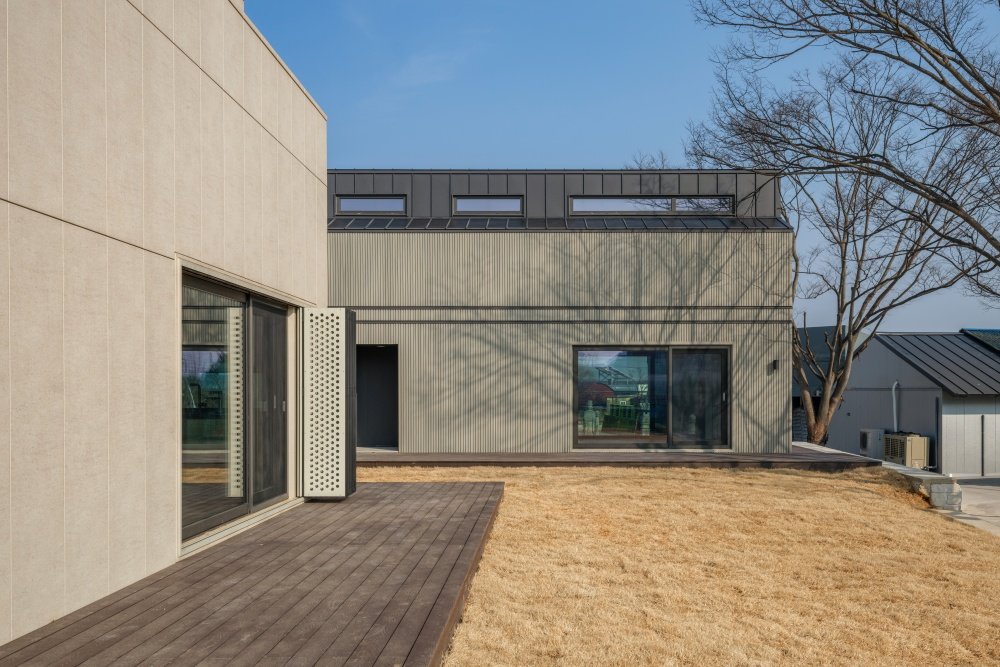
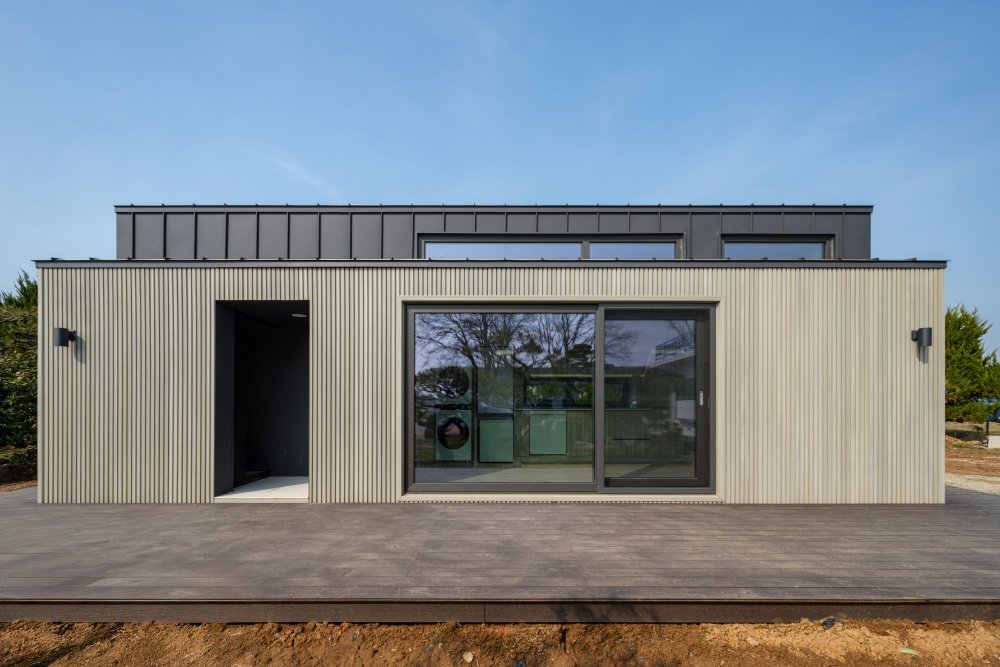
LG Electronics and Dajayo are conducting a PoC at a smart cottage located in Gimje, Jeollabuk-do, through the forestry sector open innovation project / Source=LG Electronics
LG Electronics’ partner for the forestry sector open innovation is Dajayo, a startup specializing in vacant house regeneration. Dajayo, which opened a new path for utilizing vacant rural houses by obtaining a regulatory sandbox demonstration exemption in 2020, currently operates about ten accommodations in Jeju. The business involves remodeling vacant rural houses, received for free, into luxury standalone accommodations.
Why was Dajayo chosen? According to the HS Division, Dajayo is a startup that aligns with LG Electronics' standards, participating in innovative policy experiments, coexisting with local communities, and creating social value. Choi Jong-gwan noted, “Dajayo deeply understood our issues and proposed concrete solutions. Their proactive attempt to implement a new forest policy model called ‘smart forest-type shelter’ using the regulatory sandbox was impressive.”
Moreover, Dajayo demonstrated an approach that considers environmental and social responsibility by introducing Low Impact Development (LID) techniques to minimize environmental damage during forest development. Additionally, their ability to realize social value through energy payback services, community program operations, and addressing local extinction issues matched LG Electronics’ direction, earning high praise.
Concentration of LG Electronics Technology... Birth of 100% Energy Self-Sufficient Smart CottageThe core of the forestry sector open innovation is the smart cottage introduced by LG Electronics from 2024. The smart cottage is a second house concept installed in suburban or rural areas, with modules pre-manufactured in a factory and installed on-site in a short period. It features LG Electronics' HVAC technology covering Heating, Ventilation, and Air Conditioning, high-efficiency insulation, and AI energy management, minimizing energy use and producing more power than consumed through a solar roof, earning a Zero Energy Building (ZEB) Grade 1 certification. A zero-energy house is a certification system that minimizes building energy consumption and achieves self-sufficiency with renewable energy, with Grade 1 awarded when energy self-sufficiency exceeds 100%.
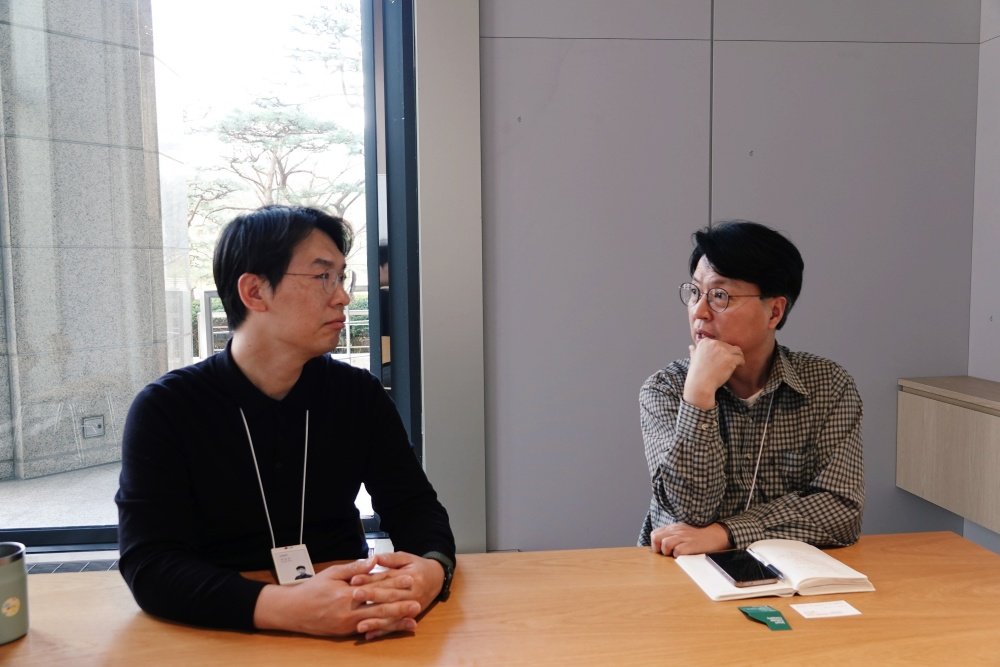
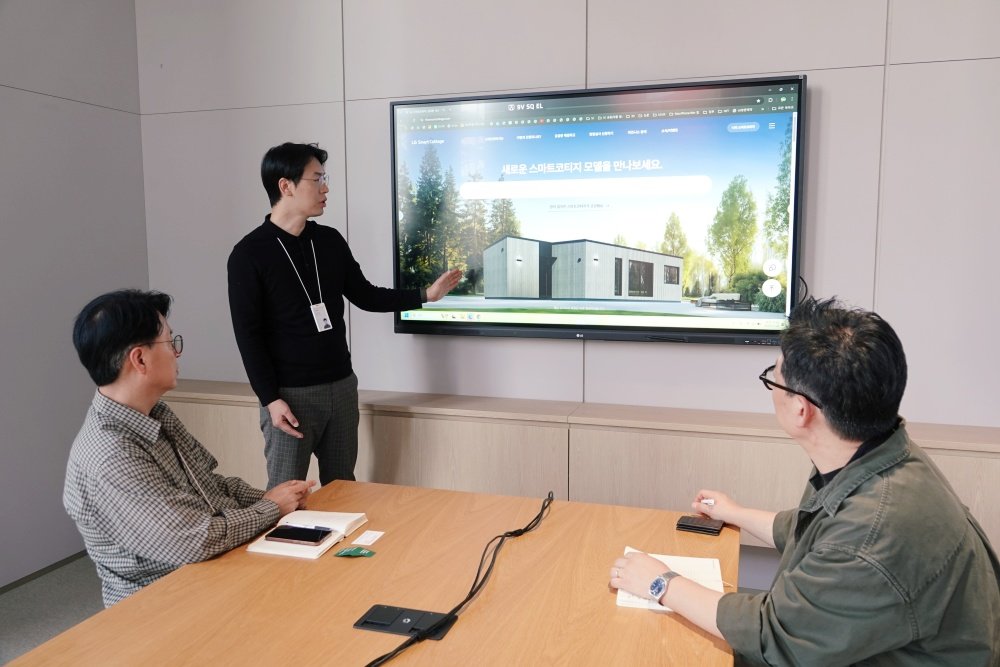
Jo Yeon-woo (left) and Park Bong-gyun (right) discussing the forestry sector open innovation project / Source=IT Donga
Jo Yeon-woo stated, “The smart cottage is not just a house but a space that encompasses all of LG Electronics’ residential smart functions needed by modern people. By integrating our AI home hub ‘ThinQ ON,’ it is possible to build an ecosystem optimized for understanding context through natural language conversation and learning and automatically controlling living patterns by integrating home appliances and IoT devices,” adding, “It is designed to manage the space comfortably even in forests using only renewable energy.”
Park Bong-gyun emphasized, “The ultimate goal of top-notch home appliance technology or carbon neutrality is to enrich and enhance our lives. The connection between technology and life is the core task of this forestry sector open innovation.”
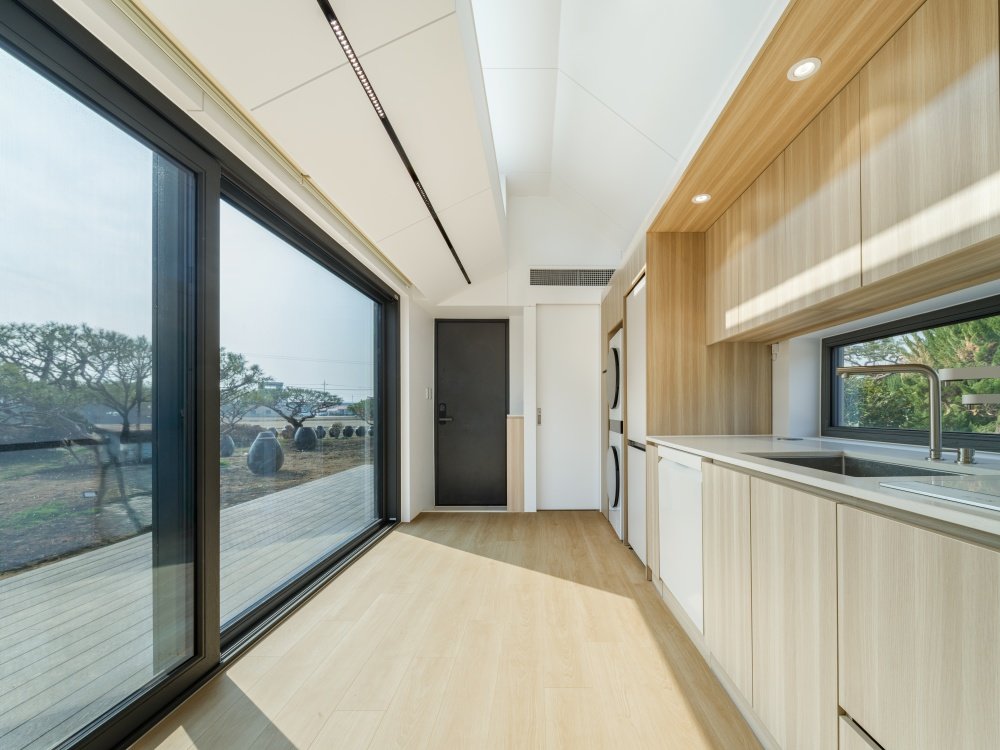
The smart cottage is a space that encompasses all of LG Electronics’ residential smart functions / Source=LG Electronics
While LG Electronics has established a hardware-based energy self-sufficiency foundation, Dajayo fills the software experience for customers staying there. The goal of this forestry sector open innovation is to make energy-saving actions during a stay in the smart cottage a pleasant and meaningful customer experience rather than an uncomfortable endurance.
Park Bong-gyun highlighted, “By integrating Dajayo’s operational know-how into the smart cottage, we are verifying a new lifestyle where the experience of living naturally while interacting with local companies and experiencing local specialties becomes a practice of RE100 (Renewable Energy 100).”
Pursuing Eco-friendly Energy and Local Economic Revitalization Simultaneously through Smart CottageLG Electronics plans to collaborate with Dajayo to establish smart cottages on idle forest land, showcasing an innovative model that simultaneously pursues eco-friendly energy demonstration and local economic revitalization. By combining LG Electronics’ IoT technology and energy management solutions with the Korea Forest Service’s carbon reduction and ESG activities, a new form of eco-friendly ecosystem that integrates forest resources and advanced technology will be created.
LG Electronics and Dajayo plan to showcase an innovative model that simultaneously pursues eco-friendly energy demonstration and local economic revitalization by establishing smart cottages on idle forest land / Source=LG Electronics
Currently, a PoC (Proof of Concept) is being conducted at a smart cottage located in Gimje, Jeollabuk-do. This site is being prepared as an accommodation space in collaboration with local youth, with Dajayo also participating during the PoC period to focus on data acquisition. Jo Yeon-woo emphasized, “LG Electronics is preparing quality and services that can respond to any situation. In this PoC, it is a process to sufficiently verify before entering idle forest land,” adding, “It is important to accumulate a lot of data so that it can gradually expand after verifying the customer experience. Even after the PoC period ends, we will continue to create a virtuous cycle.”
Park Bong-gyun also stated, “We are focusing not only on operating accommodation facilities but also on creating a ‘relationship population’ that continuously connects with the region,” adding, “As Dajayo proved with the vacant house project, I believe LG Electronics’ new space experiment is a process to confirm whether it can practically help with climate change, regional change, and the next generation in an uncertain era.” He continued, “The new business model combining technology, emotion, and regional coexistence is a meaningful first attempt to confirm its potential and establish a solid foundation so that it can become a practical new forest policy model through the regulatory sandbox in the future.”
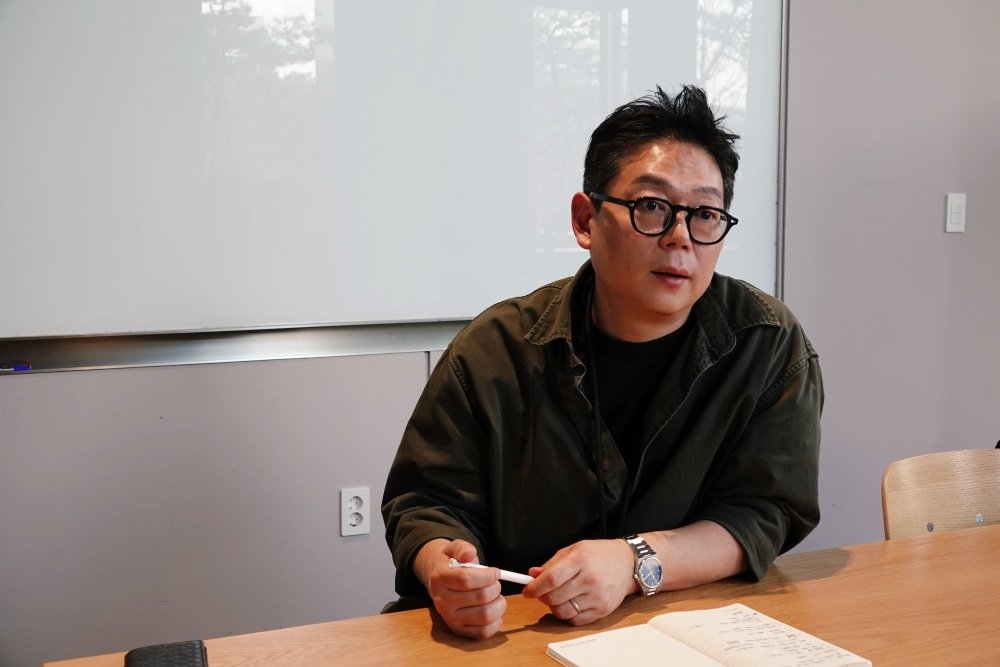
Choi Jong-gwan discussing LG Electronics’ proactive startup nurturing / Source=IT Donga
In fact, LG Electronics is proactive in nurturing startups like Studio 341 and CIC. This strategy is to flexibly respond to rapidly changing market environments and diverse customer needs. It is also a corporate culture derived from the DNA of challenge and change that has continued since the days of Goldstar. Choi Jong-gwan stated, “Large corporations have limitations in quickly commercializing new ideas or innovative technologies due to their large scale and solid existing business structure,” adding, “Through collaboration with startups, we can discover innovation opportunities that were not found internally, quickly verify them in the actual market, and accelerate customer experience innovation and new business creation. The same goes for this forestry sector open innovation.”
Korea Forestry Promotion Institute Actively Supports as Key BridgeAnother significance of this forestry sector open innovation is institutional innovation utilizing the ICT regulatory sandbox. Traditionally, the public sector exclusively handled forest recreation demand, but this time, a new model where the private sector shares that role is being demonstrated. The roles of the Korea Forest Service and the Korea Forestry Promotion Institute are crucial.
Park Bong-gyun stated, “Through collaboration with the Korea Forest Service, we are utilizing idle forest land and smoothly proposing the ICT regulatory sandbox for smart cottage demonstration with administrative and institutional support,” adding, “Providing new jobs and economic opportunities through cooperation with local residents is also an important aspect.”
The Korea Forestry Promotion Institute played a key bridging role in this forestry sector open innovation. It supported various processes from startup recruitment announcements with the Seoul Creative Economy Innovation Center to resolving legal issues and forming consultative bodies for needs matching between the Korea Forest Service and companies.
Jo Yeon-woo explaining the smart cottage / Source=IT Donga
Choi Jong-gwan stated, “We are having substantial discussions with the Korea Forestry Promotion Institute. We are conducting the PoC while identifying the parts the Korea Forest Service wants or the parts that are difficult due to regulations,” adding, “There is a part that matches the Korea Forest Service’s desire to use forest areas beneficially and LG Electronics’ smart cottage market expansion, so we are actively collaborating.”
Park Bong-gyun stated, “The Korea Forestry Promotion Institute faithfully played a communication role in helping the Korea Forest Service, which is experiencing the open innovation project for the first time, successfully conduct the PoC,” adding, “Through the Korea Forestry Promotion Institute, the coordination of interests between institutions and companies was smoothly achieved, making practical collaboration possible. We are grateful for proposing innovative business models that can gradually change.”
Going forward, LG Electronics plans to focus on sufficiently securing customer data from the perspective of eco-energy use in smart cottages. Additionally, they aim to demonstrate local economic revitalization cases during the PoC period and, based on this, propose the ICT regulatory sandbox with the Korea Forest Service to ensure actual implementation. In the long term, the goal is to prove that eco-friendly residential models like smart cottages can bring positive changes to local communities and forest policies through this PoC and establish a foundation for nationwide expansion.
IT Donga Reporter Park Gwi-im (luckyim@itdonga.com)
ⓒ dongA.com. All rights reserved. Reproduction, redistribution, or use for AI training prohibited.
Popular News