Environmental regulations aimed at achieving carbon neutrality are impacting various industries, and livestock farming is no exception. Issues such as 'methane emitted by livestock,' 'nitrous oxide from manure,' and the chronic problem of 'odor' in rural areas cannot be resolved overnight. However, these issues can no longer be ignored in the pursuit of regulatory compliance and environmental improvement. A startup facing these challenges head-on is Kayabio, which aims to reduce carbon emissions and enhance sustainability in livestock farming through functional feed technology. The company has recently established a production plant for mass production and is ready to introduce its technology internationally. It is also advancing its technology by promoting the introduction of AI in livestock farming. CEO Kim Hee-gyeom of Kayabio discussed the company's technological capabilities, achievements to date, and future plans.
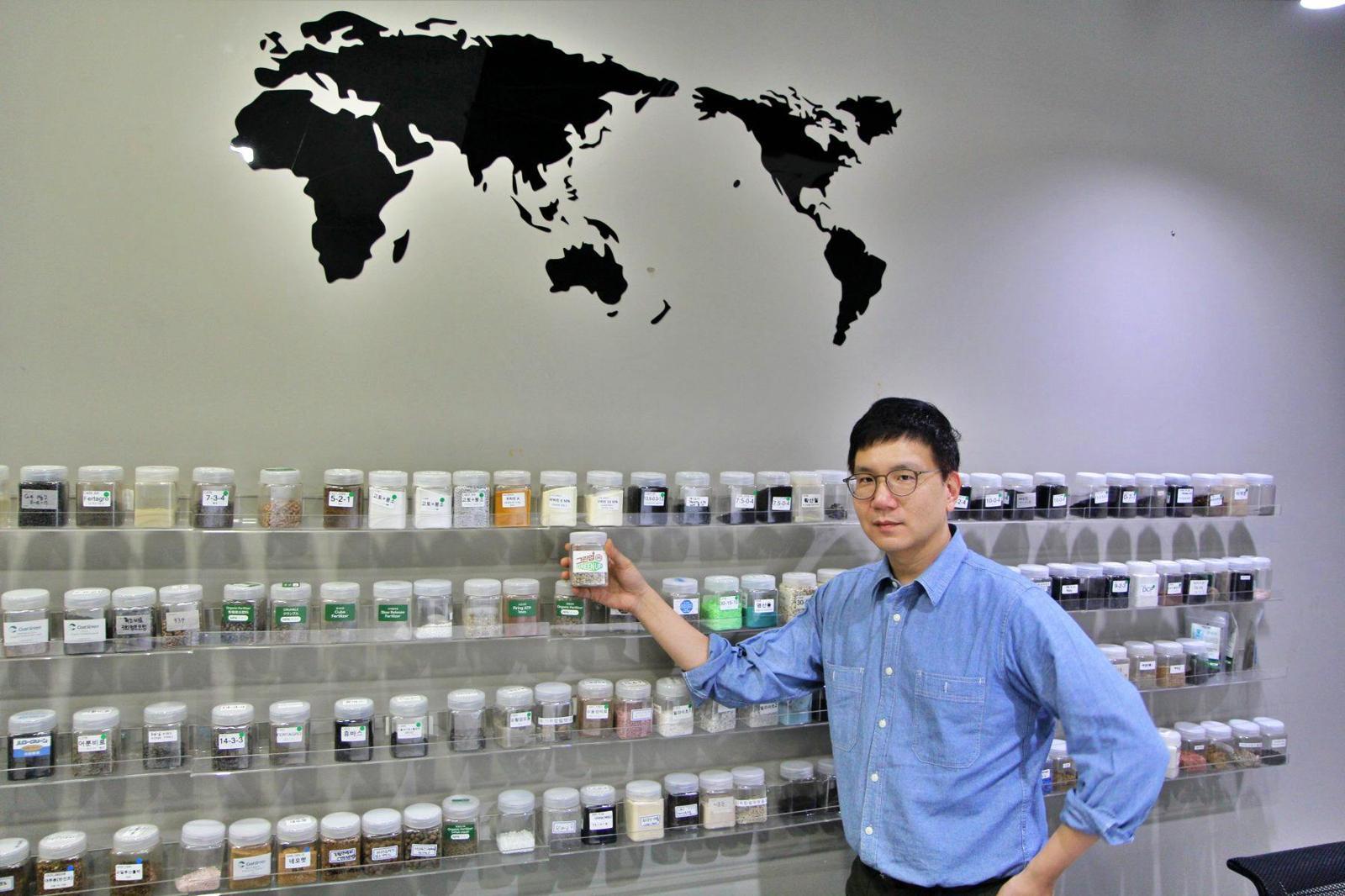
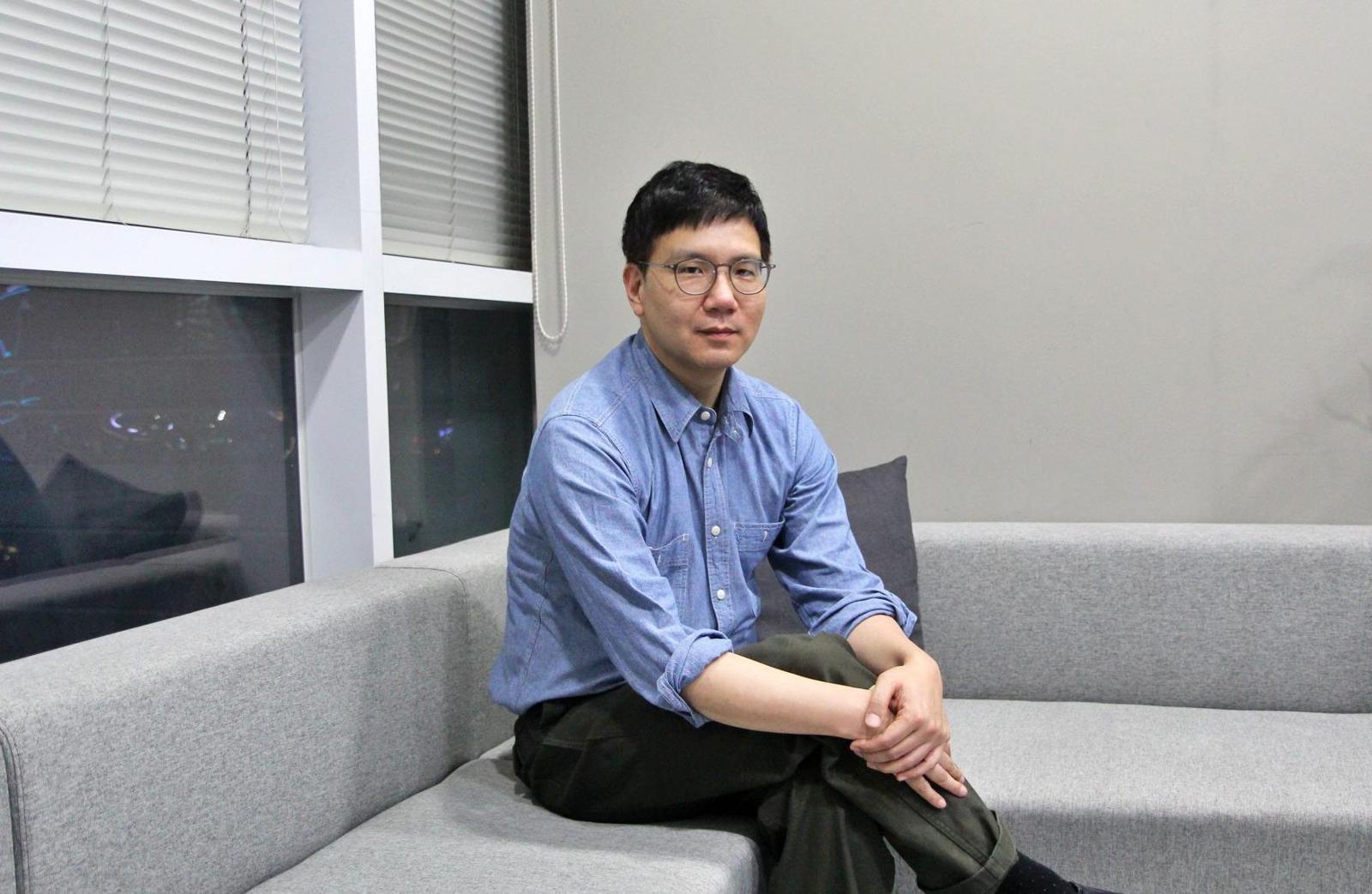
Kim Hee-gyeom, CEO of Kayabio / Source=IT Donga
Kayabio: "Functional feed is a crucial mediator to solve environmental issues in livestock farms"Kayabio has grown by establishing a lineup of functional feeds aimed at improving farm productivity and addressing environmental issues.
CEO Kim Hee-gyeom stated, "The idea that technological innovation is necessary even in traditional industries is the starting point of Kayabio. We believe our role is to solve environmental issues that livestock farms find difficult to address on their own through technology. Functional feed is the most crucial mediator for quickly improving productivity and addressing environmental issues in the livestock industry," emphasizing, "All of Kayabio's main product lines contain technology that can respond to carbon emission regulations, distinguishing us from existing feed companies."
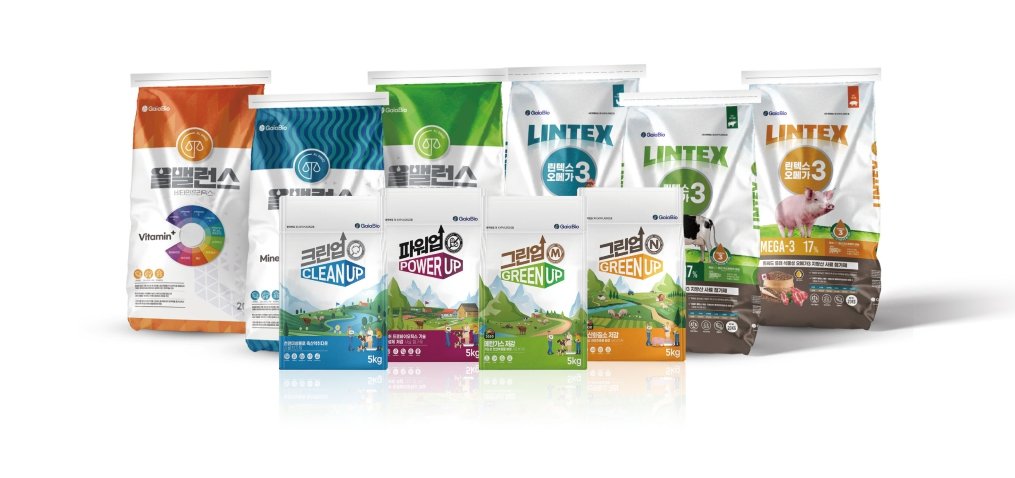
Kayabio's functional feed product lines include ▲ feed that reduces methane emissions from cattle ▲ feed that reduces nitrous oxide from livestock manure ▲ feed that reduces manure odor ▲ feed customized with vitamins, minerals, and amino acids ▲ feed and livestock products enriched with Omega-3.
Kayabio functional feed product line / Source=Kayabio
CEO Kim Hee-gyeom explained, "Kayabio has developed technology to suppress microorganisms that cause methane emissions in cattle using natural raw materials. As a result of feeding this functional feed, methane emissions could be reduced by 10% to 58%. To reduce nitrous oxide emissions from livestock manure, microorganisms and complex amino acids were also utilized. As a result of feeding this feed, nitrous oxide could be reduced by up to 91%. It also helps address the odor issue, one of the biggest concerns for farms and local communities, by suppressing odor-causing microorganisms such as ammonia and hydrogen sulfide," adding, "In addition to environmental benefits, the feed promotes healthy growth and maintenance of livestock by combining vitamins, minerals, and amino acids. We are also providing feed rich in Omega-3 to enhance animal welfare and offer healthy food."
Promoting AI introduction in livestock sites... Accelerating global expansion with large-scale production plantKayabio is also promoting the use of advanced technology to enhance productivity and optimize carbon emissions in the livestock industry.
CEO Kim Hee-gyeom stated, "We plan to develop an AI-based platform to provide technology that optimizes productivity and carbon emissions in real-time at livestock sites. Our strategy is to simultaneously enhance the efficiency and environmental friendliness of the livestock industry through advanced technology," adding, "We will achieve innovation by reducing production costs, protecting the environment, and improving product quality through technology."
He continued, "We aim to apply Omega-3 expression technology not only to livestock products but also to food. With this strategy, we plan to offer sustainable agriculture and healthy food, presenting products beneficial to both livestock and humans."
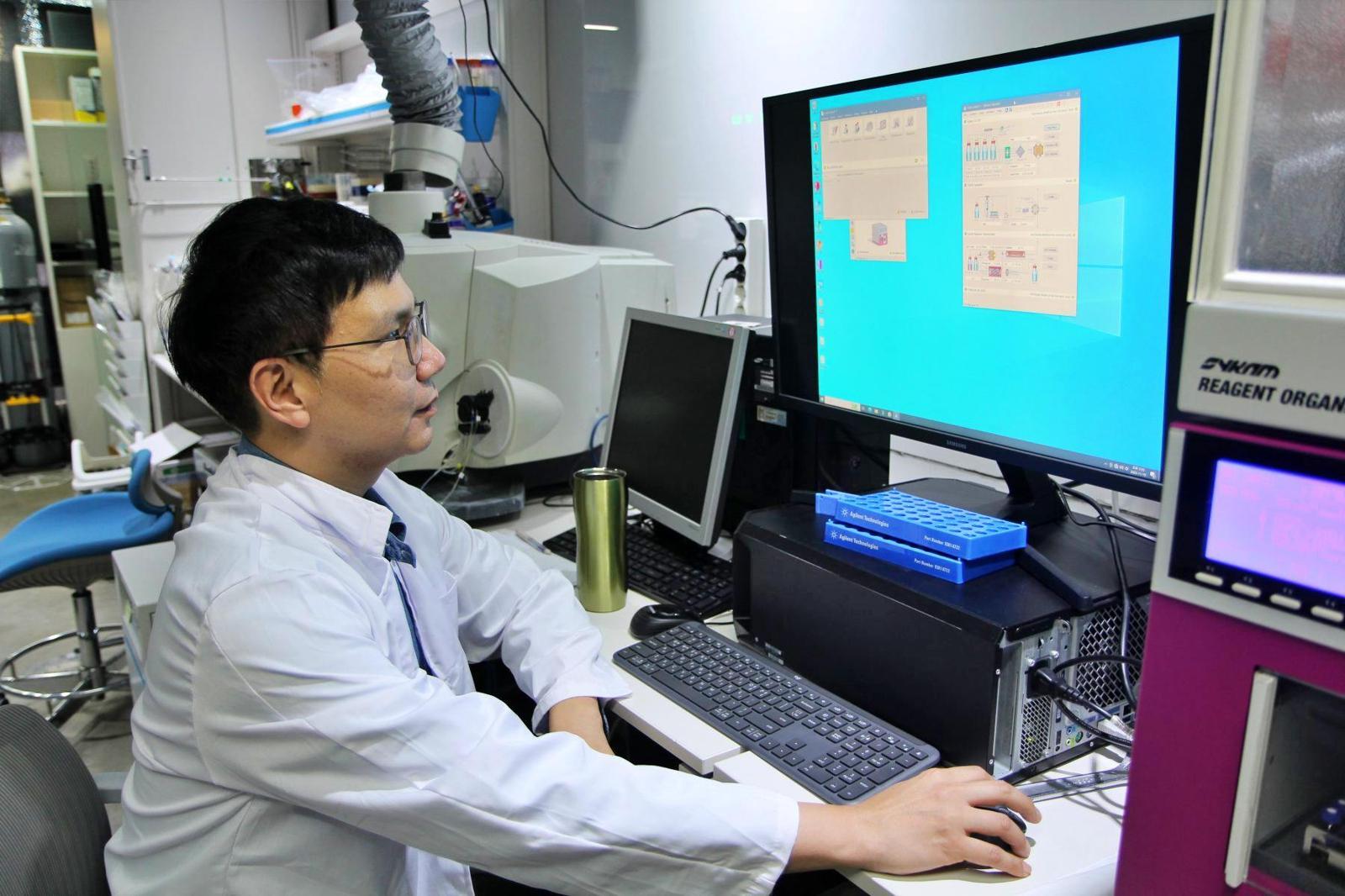
CEO Kim Hee-gyeom during research and development / Source=Kayabio
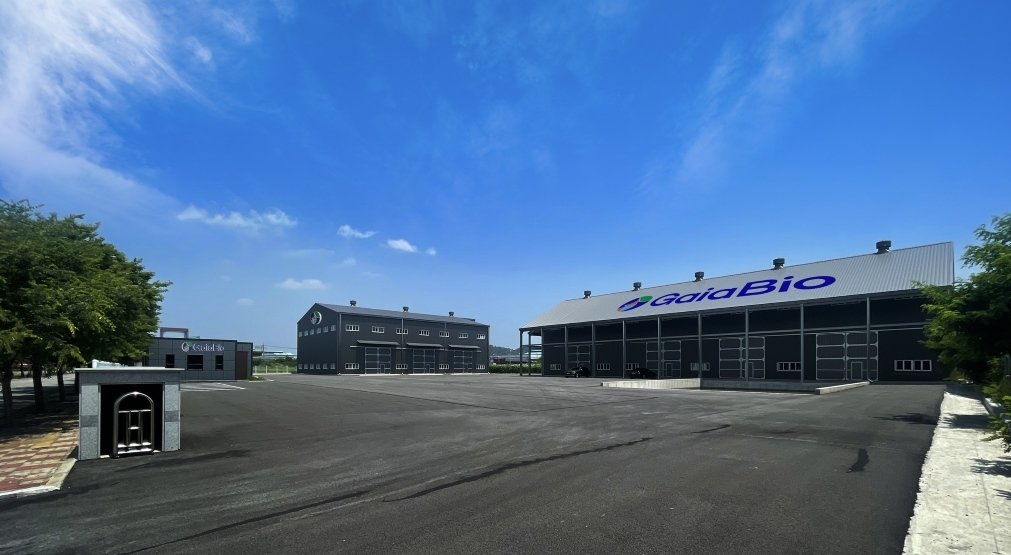
While Korea's livestock technology is not lagging behind major advanced countries, there have not been many cases of overseas expansion. Kayabio also contemplated that it could not limit the supply of its accumulated technology to the domestic market alone. As a solution, the company recently established a large-scale production plant in Suncheon, Jeollanam-do.
Kayabio Suncheon Plant / Source=Kayabio
CEO Kim Hee-gyeom stated, "We have recently completed the first and second plants in succession in Suncheon, Jeollanam-do, securing a large-scale production base. The plant is ideally located for entering the global feed market as it is adjacent to Gwangyang Port, a major feed trading port," adding, "The plant is equipped with various advanced manufacturing facilities such as microbial cultivation, ultra-precision trace element premixers, food-grade extruders, and large-scale zero-gravity mixers. It will become an important hub for producing 40 different types of functional feed. We aim to start full-scale product mass production from the first quarter of next year and transition from a domestic company to a global company."
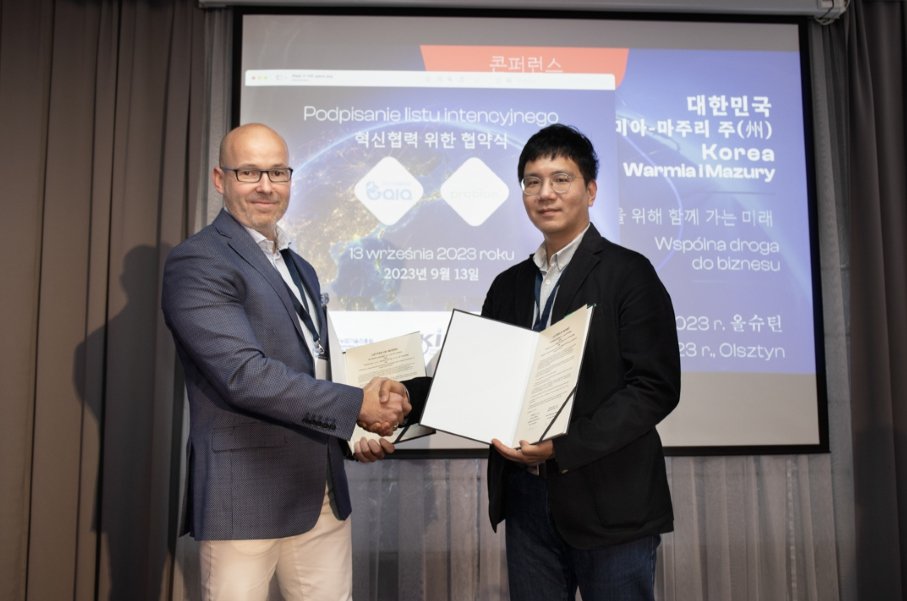
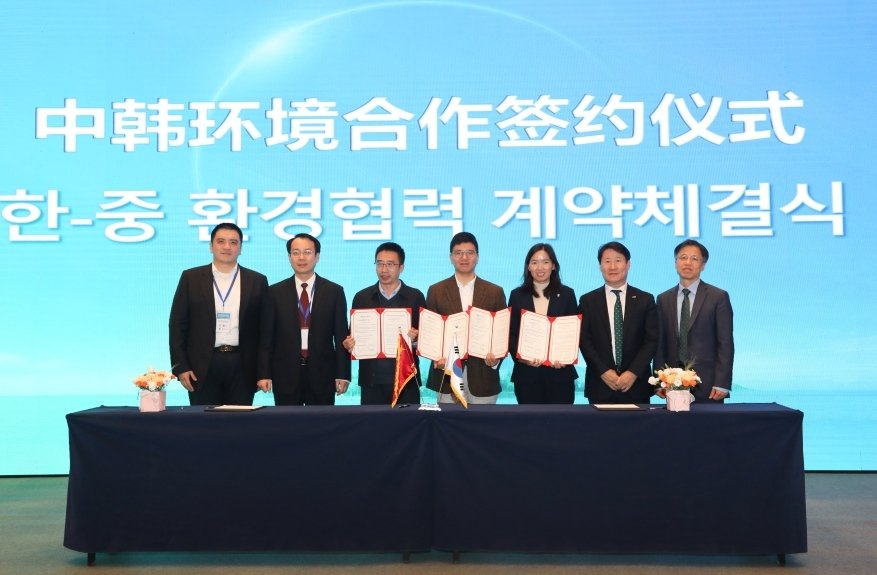
He continued, "We have also laid the foundation for realizing such plans. We are currently conducting functional feed demonstration research overseas in countries such as China and Poland, and this year we completed the establishment of a Chinese corporation," adding, "In 2023, we signed one letter of intent for a joint venture with Poland, a forward base for entering the European market, and in 2025, we signed two MOUs with Shandong Environmental Protection Group, the largest environmental company in Shandong Province, further strengthening our position in the global market."
CEO Kim Hee-gyeom signing a ceremony with a Polish company in Warmia-Masuria (right) / Source=Kayabio
CEO Kim Hee-gyeom signing a ceremony with Shandong Environmental Protection Group (center) / Source=Kayabio
Kayabio: "Targeting KRW 13 billion in sales this year... Will not lose the essence of eco-friendly and healthy food"Kayabio, which started as a one-person company in 2018, is rapidly growing, targeting sales of KRW 13 billion in 2025, up from KRW 7.1 billion in 2023 and KRW 9.9 billion in 2024. Recognized for its technological strength and growth potential with functional feed, it was selected as an 'Innovative Company National Representative 1000' in 2022, 'A Ventures 50th Company' by the Ministry of Agriculture, Food and Rural Affairs in 2023, and 'Innovative Premier 1000 Company' in 2025.
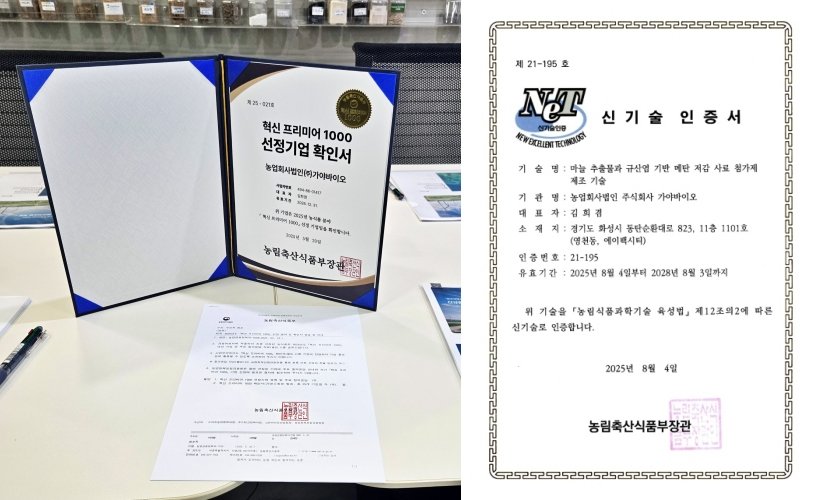
CEO Kim Hee-gyeom stated, "Starting with the first R&D project by the Ministry of SMEs and Startups in 2019, Kayabio has successfully carried out concept development, R&D, and commercialization through various government support projects, including being selected for the IPET 5-year project in 2024 and the Korea Agricultural Technology Promotion Agency's scale-up project in 2025," adding, "In 2023, we were selected as an excellent company in carbon reduction ESG management in the agricultural sector by the Korea Agricultural Technology Promotion Agency, and in 2025, our low-methane feed technology received new technology (NET) certification from the Ministry of Agriculture, Food and Rural Affairs. Based on these achievements, we will continue to pursue innovation for healthy food."
Kayabio selected as an Innovative Premier 1000 Company and received new technology (NET) certification from the Ministry of Agriculture, Food and Rural Affairs / Source=Kayabio
He continued, "Kayabio will continue to develop technology considering the environment and supply reasonably priced livestock products and feed to gain the choice of farmers and consumers. Based on ESG (Environmental, Social, and Governance) management, we will lead the response to carbon emission regulations and innovation in the livestock industry, and devote ourselves to sustainable technology development. We hope for much interest in Kayabio's progress."
Kim Hee-gyeom, CEO of Kayabio / Source=IT Donga
IT Donga Reporter Kim Dong-jin (kdj@itdonga.com)
ⓒ dongA.com. All rights reserved. Reproduction, redistribution, or use for AI training prohibited.
Popular News