Reporters on the Dong-A Ilbo IT Science Team introduce noteworthy technologies, trends, and companies in the IT, science, space, and bio fields. “What is this company?” The behind-the-scenes stories of tech companies changing the world through technology. From the ideas that amazed the world to the latest concerns of founders, this series digs into everything readers have wondered about them.
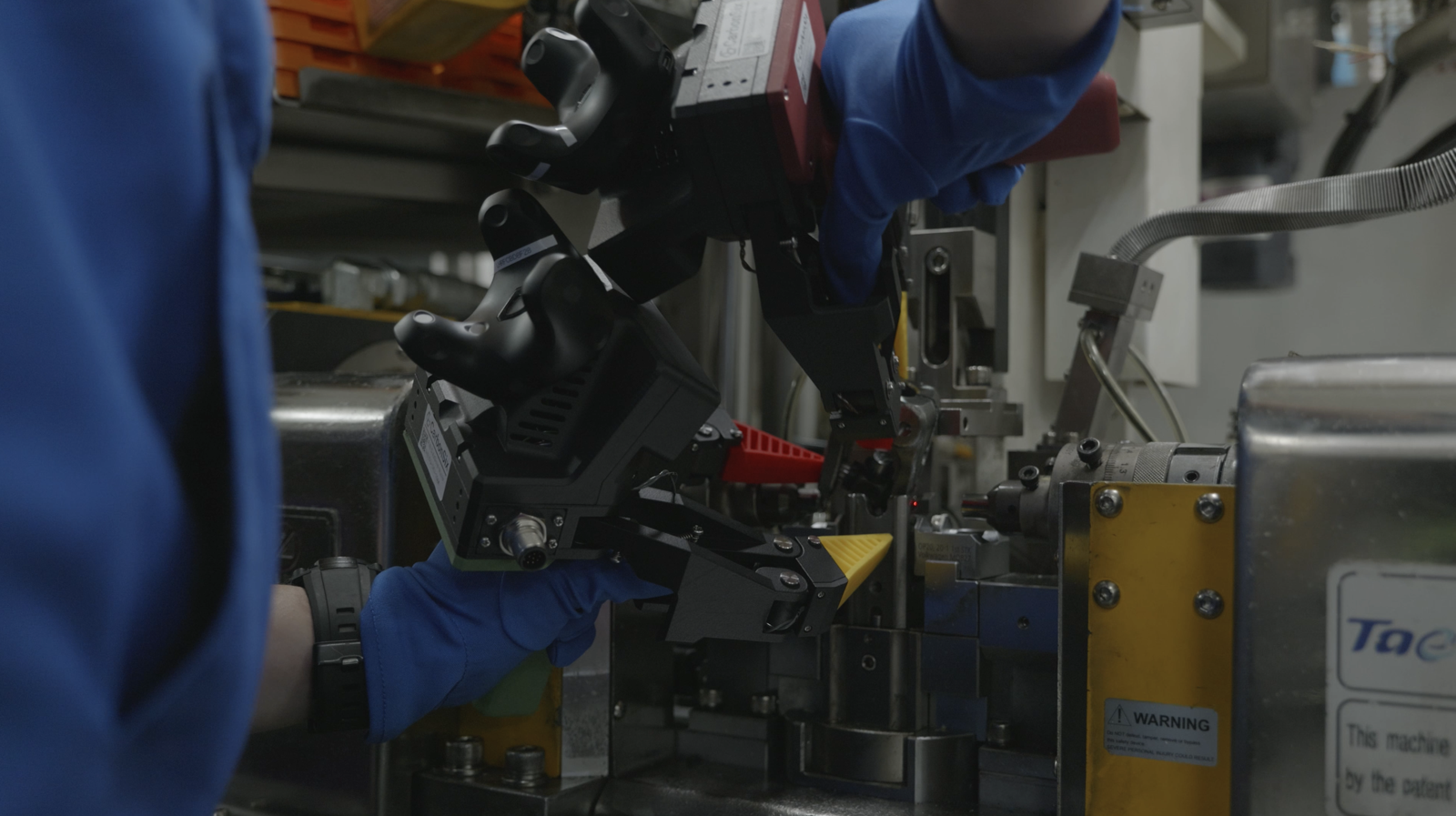
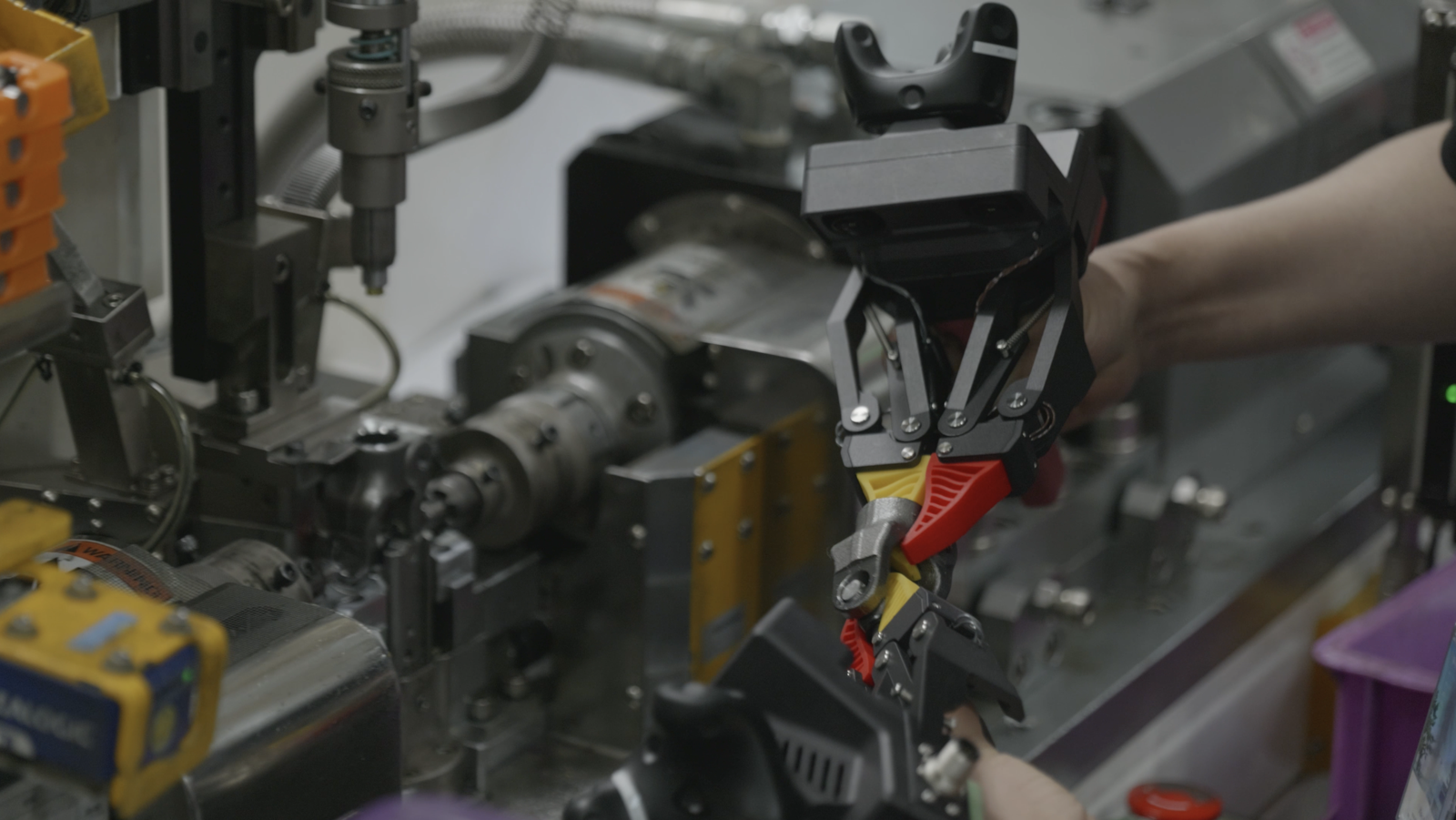
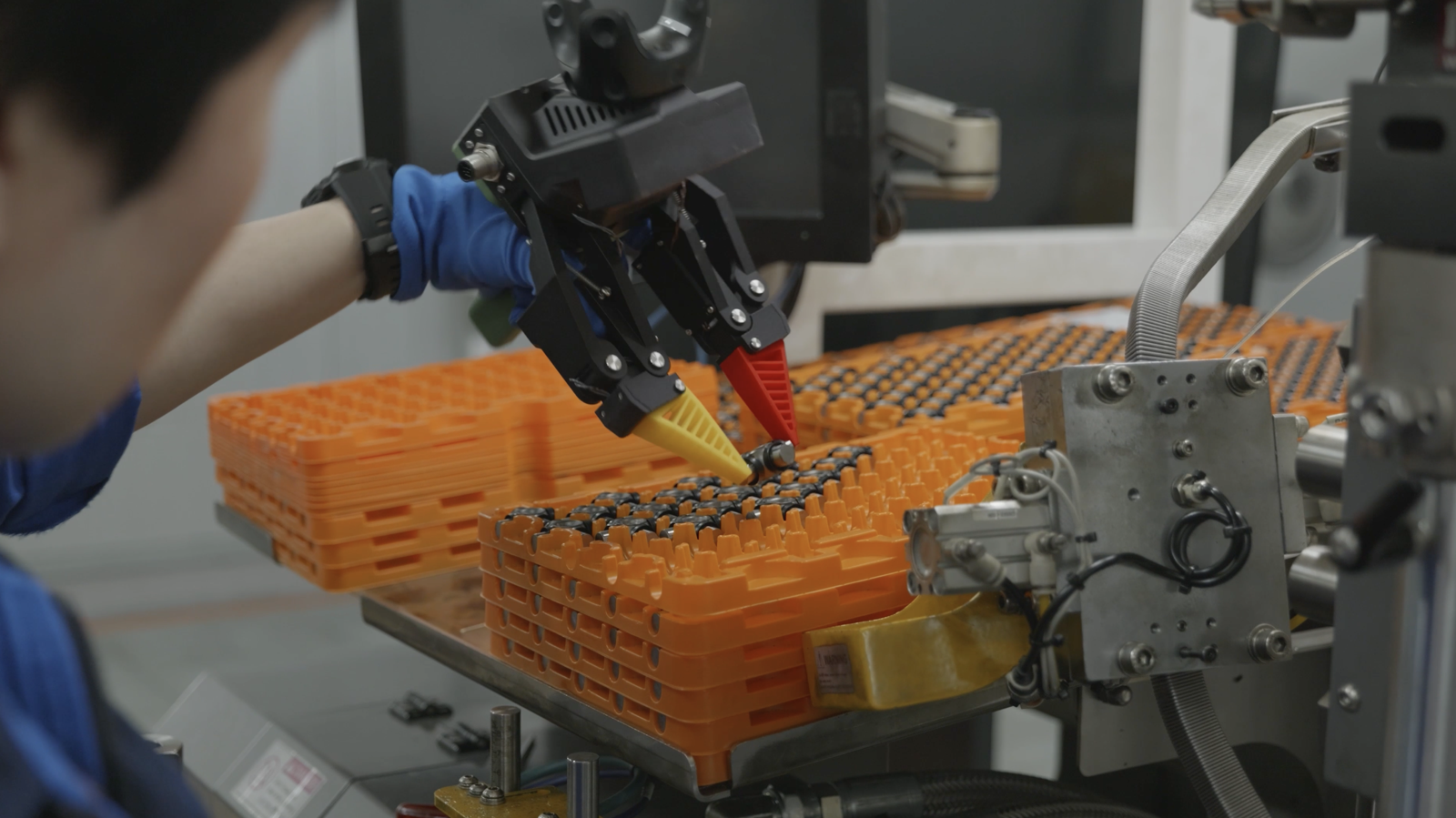
《A robot hand that looks clunky at first glance moves and peels off a thin film. It is a task that is difficult even for human hands. Then it carefully grabs frozen dumplings passing on a conveyor belt and transfers them into a container without breaking them.》
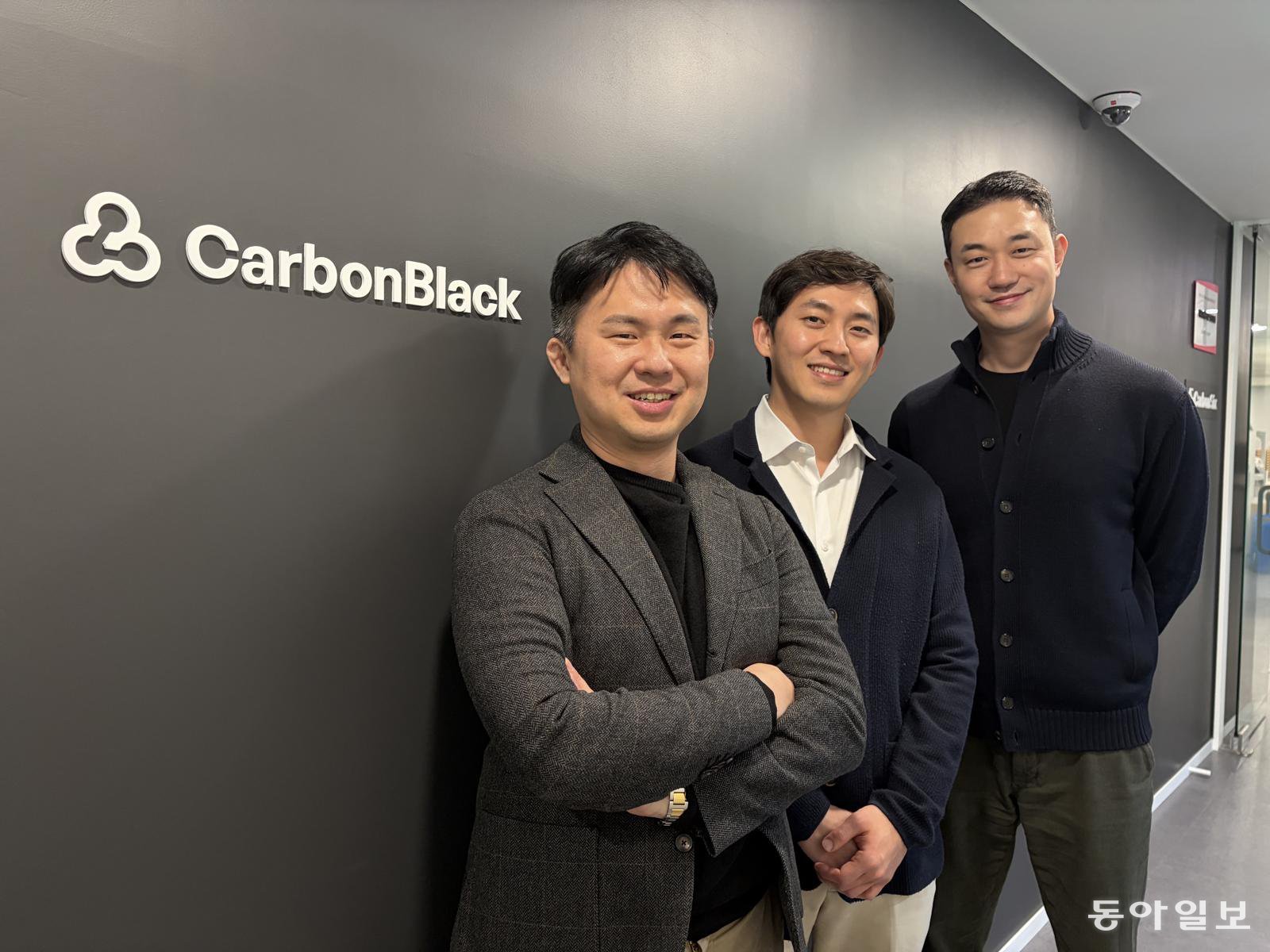
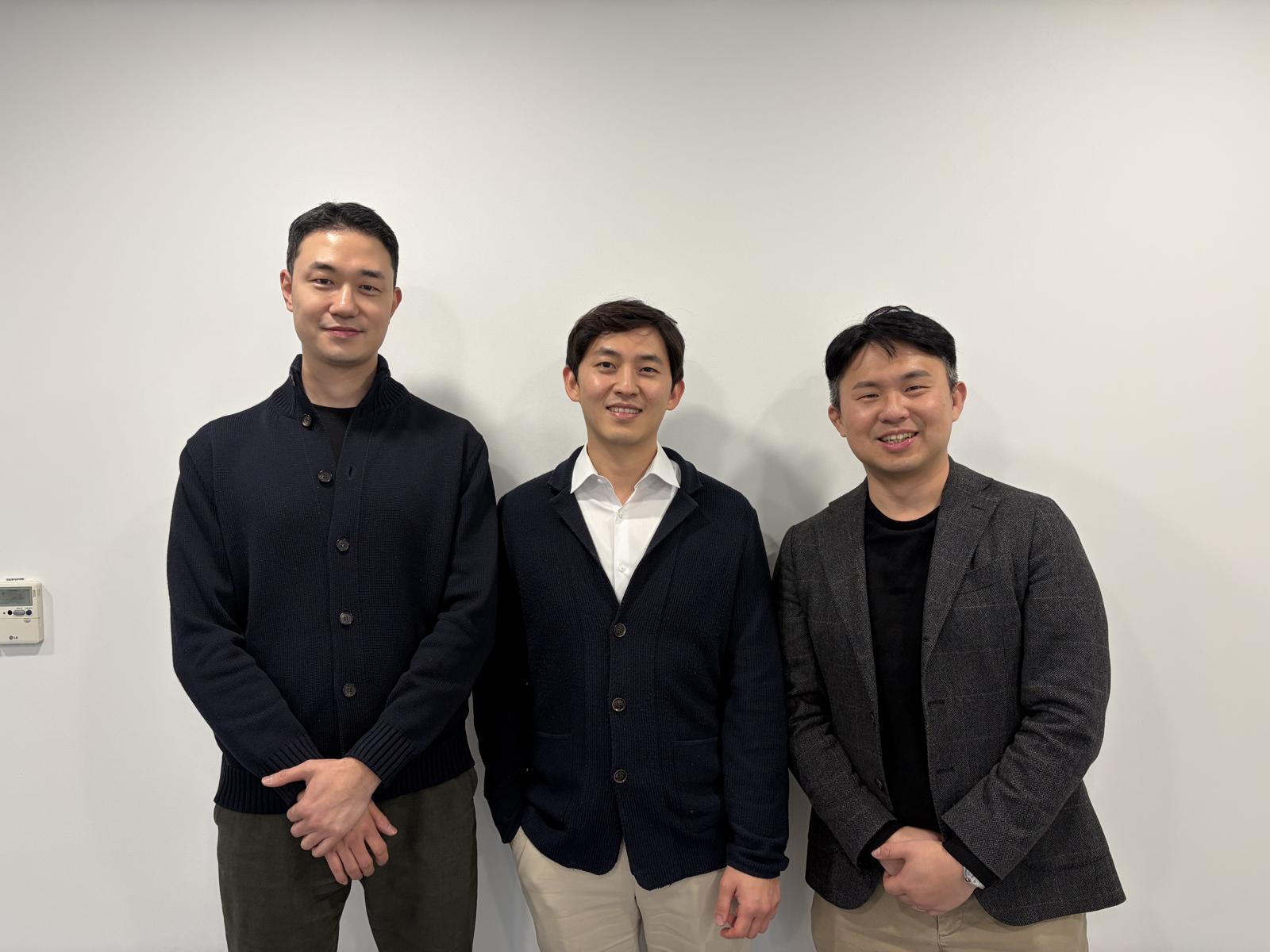
From left, Kim Jong-kwan, Vice President of Carbon Black; Moon Tae-yeon, Co-CEO of Carbon Black and Carbon Six; and Jang Min-hong, Partner at Carbon Black. Provided by Carbon Six
Among all parts of a robot from head to toe, the hand is considered the most difficult to implement. Tasks performed by hand are typically delicate, and the hand has many joints and a high degree of freedom relative to its width. However, “Sigma Kit,” developed by domestic physical AI company Carbon Six, is a solution product capable of carrying out such highly precise tasks.
● Extracting robot data within one hour without robotics expertsIn a recent interview at an office in Gangnam District, Seoul, Carbon Six and Carbon Black Co-CEO Moon Tae-yeon, Carbon Black Vice President Kim Jong-kwan, and Carbon Black Partner Jang Min-hong emphasized in unison that “as a manufacturing powerhouse, Korea already has strong competitiveness in physical AI.” Carbon Black is an investment firm that creates and nurtures physical AI companies, and Carbon Six is the first company founded by Carbon Black.
They stress the importance of a manufacturing base because “data” is expected to be the biggest bottleneck in the physical AI field. Moon said, “The various tasks that occur on the manufacturing floor are truly unstructured data,” adding, “All data from the hands of skilled workers, fine movements of machines, and sensor readings on the production line is an enormous resource that has yet to be fully digitized.” For this reason, manufacturing AI data is sometimes referred to as “digital rare earths.” Enormous time and resources are needed to turn manufacturing data into assets, but given Korea’s strong manufacturing sector, the country has a relatively plentiful supply of data needed to train physical AI.
“Sigma Kit,” developed by Carbon Six, is a manufacturing-specialized AI solution that combines a precise robotic hand (hardware) with software that can train it and deploy it into actual operations. Vice President Kim explained, “We focused on making it usable even by those without extensive knowledge of AI.”
The robotic hand of “Sigma Kit,” a manufacturing-specialized AI solution developed by Carbon Six, performs an automotive parts assembly process at Taelim Industrial’s Changwon plant. Provided by Carbon Six
Sigma Kit can address two chronic issues on manufacturing sites: “shortage of experts” and “slow automation speed.” Conventional robot automation required robotics specialists to stay on-site for weeks, inputting complex code and behavioral data. Sigma Kit, however, can collect data in just one hour without the need for robotics experts.
A human operator wears the robot hand directly and performs the usual tasks as normal. The system captures fine movements and even the “hand feel” of the skilled worker and converts them into data that the robot can learn from. Jang explained, “It is difficult for robots to carry out precision tasks using simulation data alone,” adding, “The aim is to enable the robot to ‘internalize’ skills by using real human data.” Data collected in this way undergoes about one day of training and then can immediately be deployed into the production line as a virtual skilled worker.
● Aiming to become the ‘Tesla’ of the physical AI industryCarbon Six’s business strategy is similar to Tesla’s approach. Just as Tesla distributed electric vehicles to collect autonomous driving data, Carbon Six supplies “Sigma Kit”—which delivers immediate automation benefits to customers—first, in order to secure high-quality data.
Client companies can use Sigma Kit to automate complex, unstructured processes such as peeling off vinyl or fastening cables, while Carbon Six acquires large volumes of “digital rare earth” data that is hard to obtain elsewhere. This in turn feeds into a “data flywheel” that advances AI models and delivers better solutions. In other words, it builds a virtuous cycle of “tool use → data accumulation → model improvement → provision of better tools.” Thanks to this strategy, Carbon Six has already validated its business viability by generating actual revenue at more than 10 sites.
From left, Carbon Six Partner Jang Min-hong, Carbon Six Co-CEO Moon Tae-yeon, and Carbon Six Vice President Kim Jong-kwan. Provided by Carbon Six
On the back of this competitiveness, Carbon Six recently secured a Series A investment of a total of US$40 million (about KRW 60 billion) from DSC Investment and LB Investment, among others. Moon said, “Venture capital (VC) investors seem to have given high marks to the fact that Carbon Six is not only technically validated but is also creating economic value on actual manufacturing floors.”
Another source of investment appeal for Carbon Six is the strong backing of Carbon Black. Moon and Kim previously worked together at Sualab, which was sold to Cognex in the United States for about KRW 230 billion. Moon was a co-founder and Kim was responsible for strategy at Sualab. That sale was the largest overseas merger and acquisition (M&A) deal involving a Korean tech startup at the time. Jang is a co-founder of Lunit, a domestic AI imaging startup, meaning all key figures at the company have prior startup experience. On the motive for founding the company, Jang said, “From a macro perspective, I believed that being where technology and capital flow would create opportunity, and I thought physical AI was the industry aligned with that flow.”
Kim said, “Korea has the world’s best manufacturing infrastructure in semiconductors, displays, and batteries, all concentrated within a four-hour driving radius, which makes it an optimal environment for growing physical AI.” Leveraging this geographic advantage and a large pool of engineers, Carbon Six is accelerating its expansion beyond Korea into global markets, including the United States, Taiwan, and Vietnam. Moon stressed, “The goal is to create robot AI that is not technology for technology’s sake, but that can be applied directly on the manufacturing floor and linked to customer performance.”
ⓒ dongA.com. All rights reserved. Reproduction, redistribution, or use for AI training prohibited.
Popular News