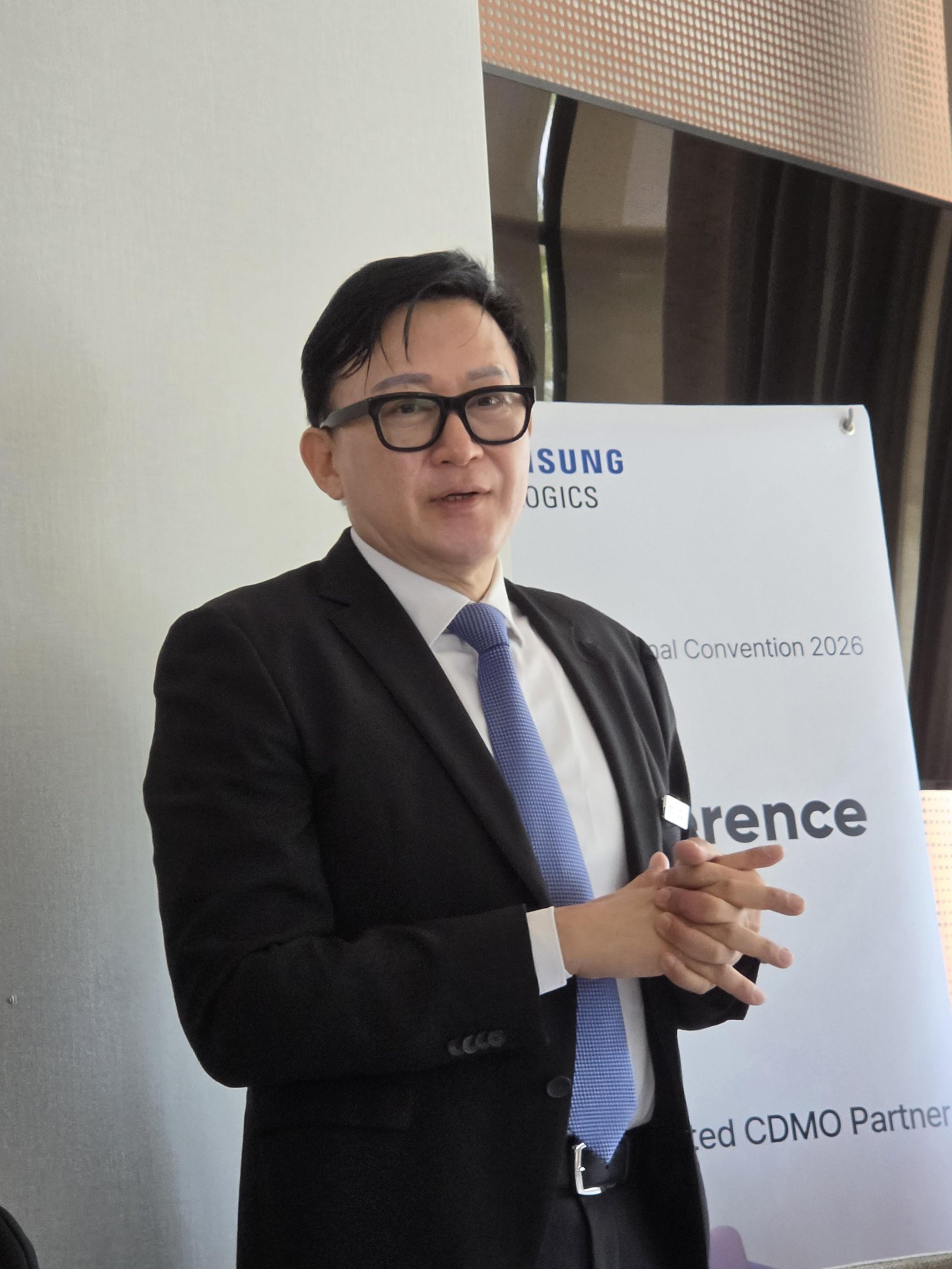
Samsung Biologics CEO John Rim speaks during a press conference on the 23rd (local time) in San Diego, United States, where the “2026 BIO International Convention (BIO USA)” is being held, announcing plans to open a new sales office in Amsterdam, the Netherlands. Provided by Samsung Biologics
Samsung Biologics will open a European sales office in Amsterdam, the Netherlands, in the third quarter of this year (July–September). This is the first time the company has established a direct sales base in Europe. Following the United States and Japan, it plans to extend its presence to Europe and directly target the three major global biopharmaceutical markets.
Samsung Biologics CEO John Rim disclosed this plan at a press conference held on the 23rd (local time) in San Diego, United States, where the “2026 BIO International Convention (BIO USA)” is taking place. Rim said, “We plan to open a European sales office near Amsterdam Schiphol Airport in the third quarter of this year,” adding, “It is an optimal sales hub located at the center of the European continent, with excellent accessibility from Korea.”
Until now, Samsung Biologics has engaged with U.S. and European clients through its sales offices in New Jersey and Boston. Last year, it opened a sales office in Tokyo, Japan, and announced plans to expand its order intake to include pharmaceutical companies ranked within the global top 40. Building on its bases in the U.S. and Asian markets, the company now aims to accelerate order growth by increasing face-to-face contact with major European pharmaceutical and biotech companies through the Amsterdam office, according to its “blueprint.”
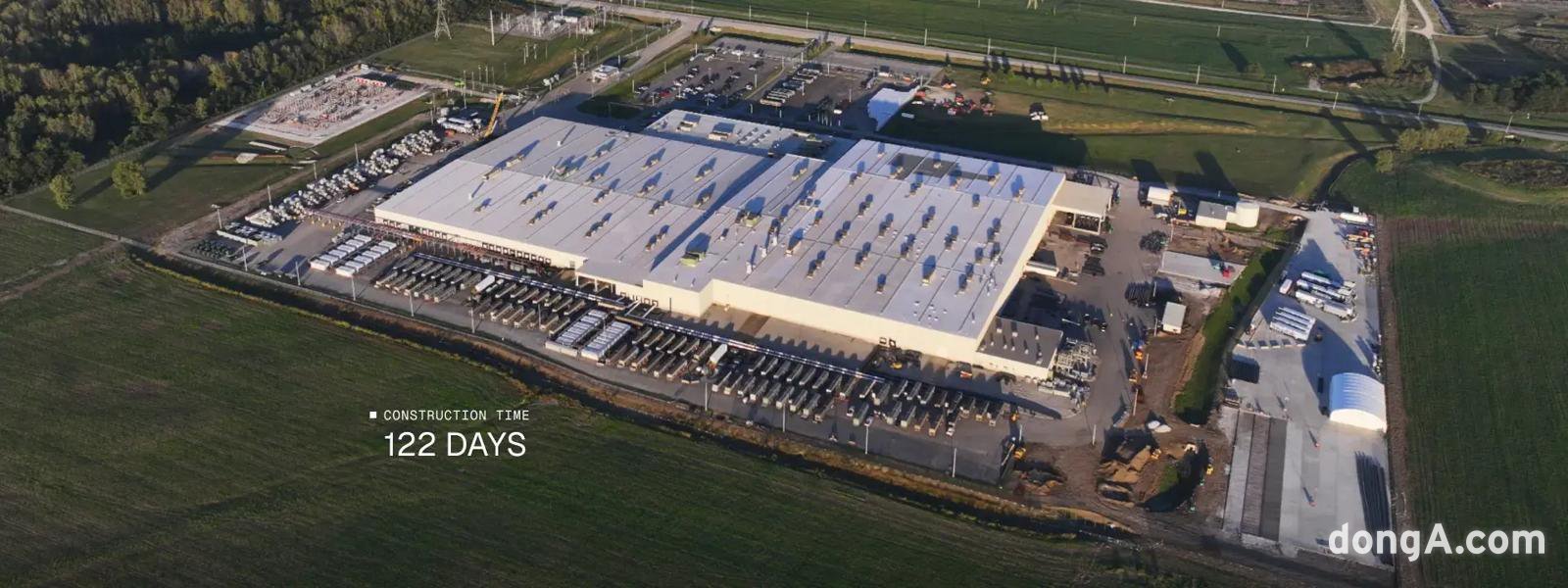
The company is also accelerating expansion of its production capacity. In March this year, it completed the acquisition of a plant in Rockville, Maryland, raising its total global production capacity to 845,000 liters. The Rockville plant, with production facilities of 60,000 liters, is expected to play a key role in helping Samsung Biologics secure clients in the U.S. market.
Rim said, “With the acquisition of the Rockville plant, we can respond more closely to global clients and jointly leverage our production bases in Korea and the United States,” adding, “We will continue to expand production capacity to strengthen our competitiveness in securing orders.”
Samsung Biologics, which has focused on contract manufacturing of antibody drugs, is also broadening the range of medicines it can produce. Following the start of operations last year at a dedicated production facility for antibody-drug conjugates (ADCs – treatments that selectively target cancer cells by combining an antibody with a chemotherapy agent), the company is closely watching the rapidly growing market for glucagon-like peptide-1 (GLP-1) class obesity treatments. “We are exploring business opportunities arising from the expansion of the obesity treatment market,” Rim said.
However, the GLP-1 therapies currently leading the market are mainly peptide-based medicines. Their manufacturing processes differ from those for antibody drugs, where Samsung Biologics has its strength, making it necessary to secure separate production capabilities. Centered on its third bio campus in Songdo, Incheon, where construction of certain facilities began ahead of schedule last month, the company plans to respond to changes in biopharmaceutical demand by reviewing new therapeutic areas such as peptides, cell and gene therapies, and antibody vaccines.
On labor-management issues, the company stated that it is minimizing business disruption. Labor and management at Samsung Biologics have been in conflict for several months over wage increases and related matters. “Wage and collective bargaining negotiations are under way,” Rim said, adding, “We are proactively explaining the situation to our clients.”
Utilization of artificial intelligence (AI) was also presented as a key management task. Rim, who recently received AX (AI transformation) training together with executives, said, “We will advance our operating systems in line with our rapidly expanding business scale by using AI to reduce inefficiencies in production, quality control, and customer response processes.”
ⓒ dongA.com. All rights reserved. Reproduction, redistribution, or use for AI training prohibited.
Popular News