Officially shifts shareholding purpose from “simple investment” to “management participation”
Plans additional share purchases worth KRW 500 billion by year-end
“Hanwha–KAI One-Team Strategy” draws attention amid global defense consolidation and scale-up trend
Amid some monopoly concerns… “Different markets and a government-regulated industry”
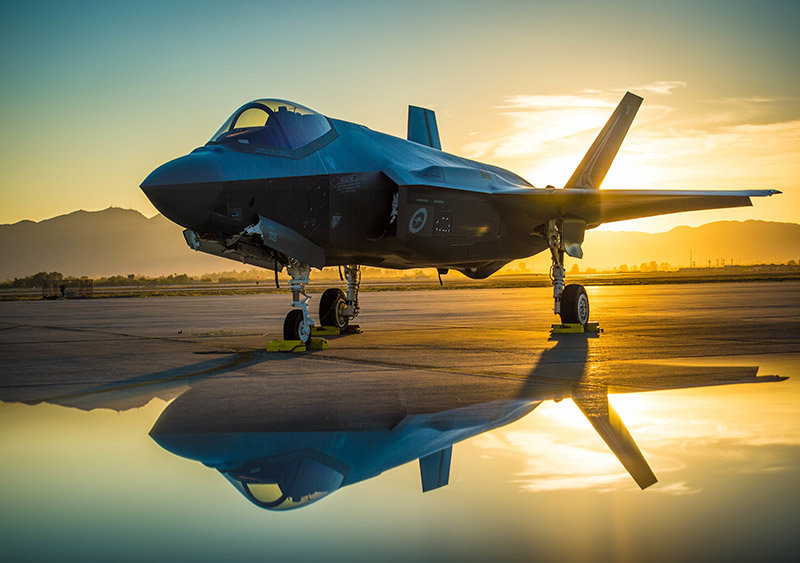
Lockheed Martin F-35. Provided by Lockheed Martin
Hanwha Aerospace has raised its stake in Korea Aerospace Industries (KAI) to 5.09% and declared its intention to participate in management, drawing attention to its future strategy and the outcome. Previously, in March, Hanwha Aerospace, together with its affiliates, secured a 4.99% stake in KAI and has now purchased an additional 100,000 shares (0.1%). At the same time, it officially changed the stated purpose of its stake from “simple investment” to “management participation.” Hanwha Aerospace plans to invest a total of KRW 500 billion in purchasing KAI shares by the end of this year.
Industry observers interpret this move as a signal that goes beyond a simple equity investment. As global defense companies such as Rheinmetall, BAE Systems, and Airbus accelerate efforts to build integrated portfolios spanning land, sea, air, and space, there is a growing perception in Korea that a “national champion” company is needed. Expectations are also rising for the emergence of a Korean-style Lockheed Martin.
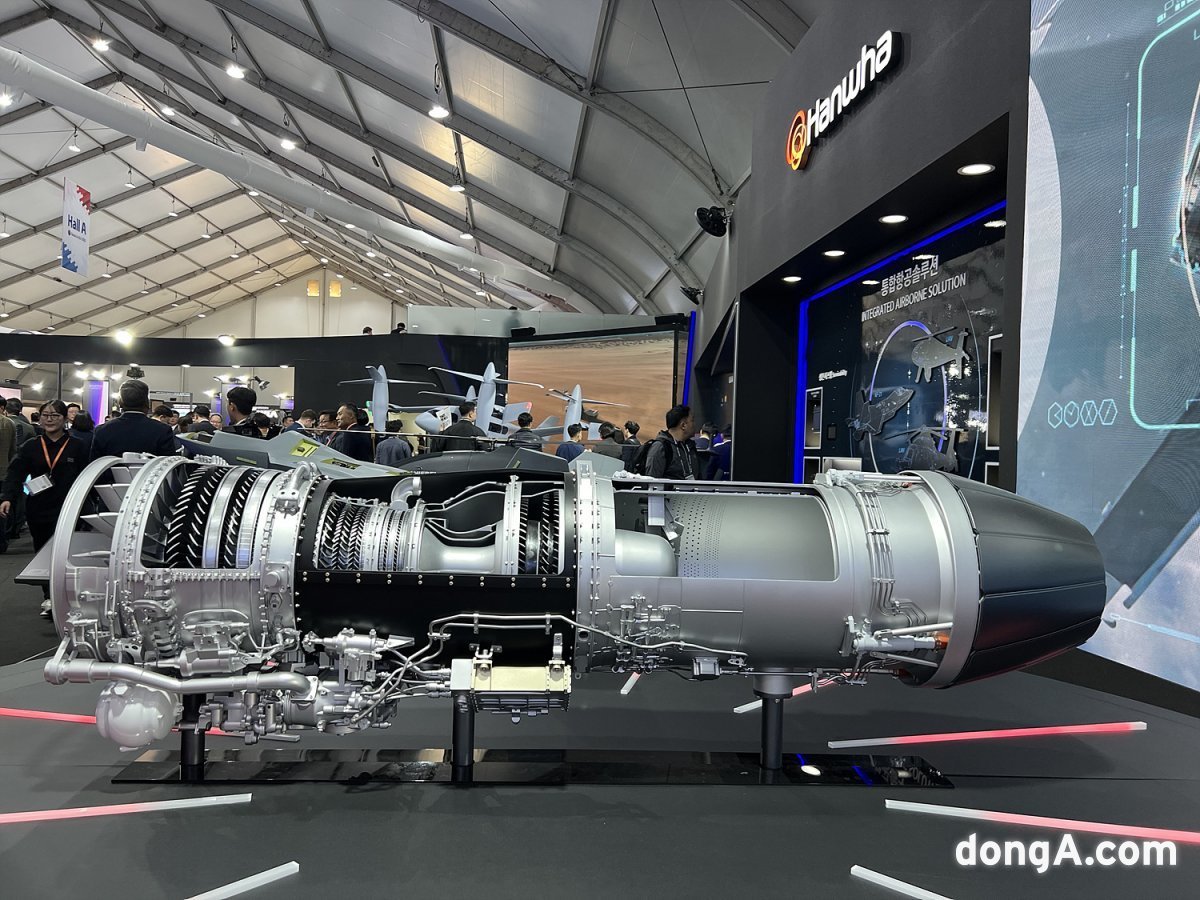
Hanwha Aerospace aircraft engine. Photo by reporter Hwang So-young, fangso@donga.com
Hanwha and KAI’s common denominator: “KF-21” … “Potential synergy from vertical integration of engines and system integration”
Collaboration between the two companies is already advancing in earnest around the KF-21 supersonic fighter. While KAI is responsible for fighter airframe design and system integration, Hanwha Aerospace plays a role in key component areas such as aircraft engine parts and maintenance, repair and overhaul (MRO), localization of next-generation engines, and long-range air-to-air missiles. Industry analysis suggests that combining a complete aircraft platform with capabilities in engines, armaments, and electronic systems could simultaneously enhance development efficiency and export competitiveness.
Synergy is also expected in network-based battlefield management systems. Hanwha Systems possesses capabilities in tactical data links and command, control, communications, and intelligence (C4I) technologies that enable real-time sharing of battlefield situations, while KAI has development capabilities for airborne platforms such as fighters and unmanned aerial vehicles (UAVs). Industry experts believe that if the two companies’ technologies are combined, it will be possible to build a multi-domain operations (MDO) system that connects land, air, and space assets into a single network to share information and conduct operations. There is also an assessment that export competitiveness could be strengthened in the form of integrated battlefield management solution packages, going beyond simple weapons sales.
A Hanwha Aerospace representative said, “KAI is the only domestic company capable of developing and producing complete aircraft, and at the same time it possesses capabilities in medium- and large-sized satellite development,” adding, “If combined with our technologies in aircraft engines, radar, and space launch vehicles, we can offer integrated solutions that cover everything from manned-unmanned teaming systems to space platforms.”
In February, the two companies signed a memorandum of understanding (MOU) on cooperation in defense and aerospace and agreed to establish a mid- to long-term cooperation framework in areas such as localization and development of advanced aircraft engines, joint development of unmanned aircraft for export, and joint entry into the global commercial space market. There are also expectations that if KAI’s capabilities in exporting complete aircraft are coupled with Hanwha Group’s global sales network and investment DNA, export competitiveness will be further enhanced.
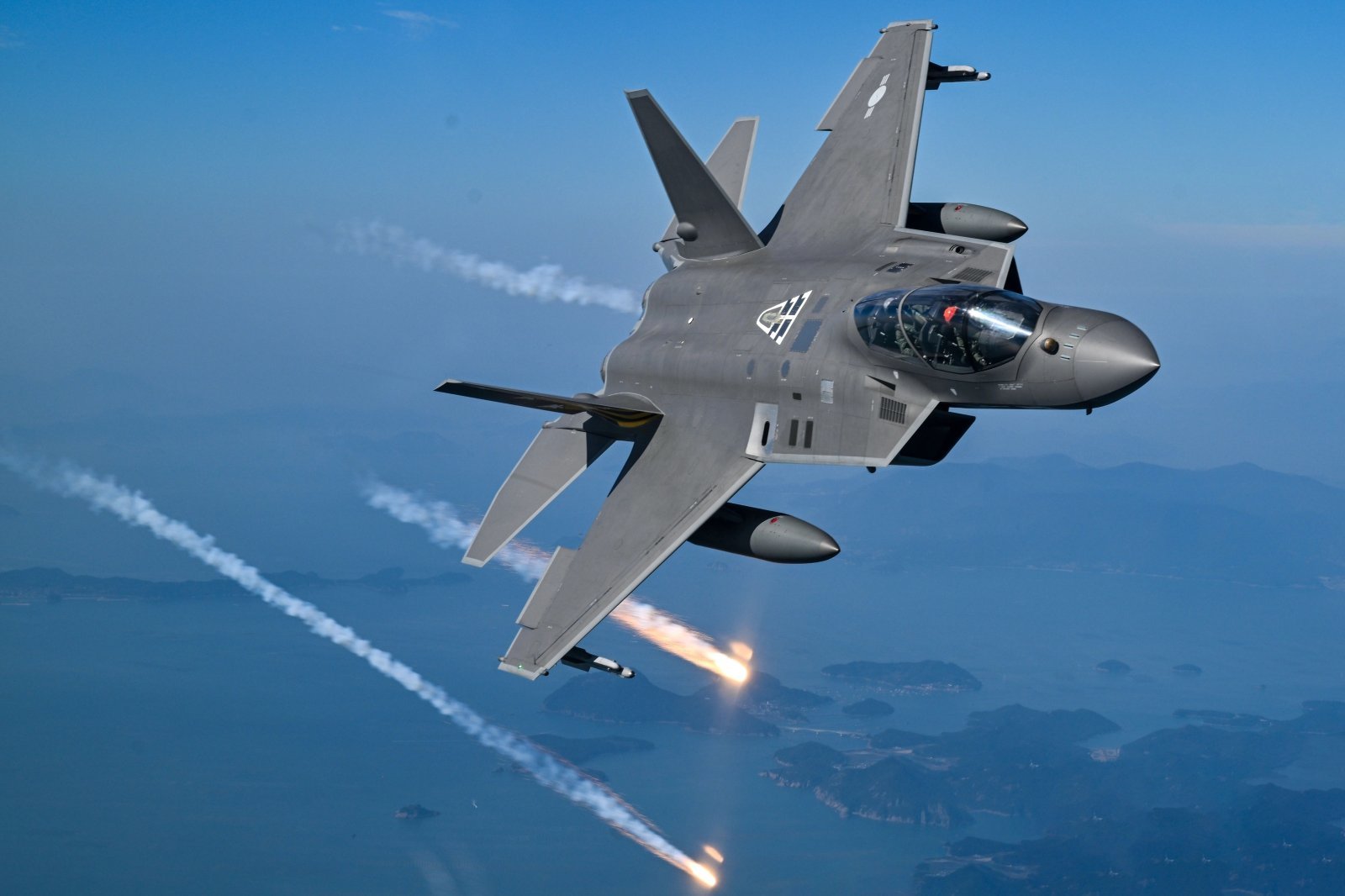
Korea Aerospace Industries (KAI) KF-21. Provided by KAI
Global defense sector is in a battle over “integration” … Airbus and Rheinmetall are also joining forces
One of the hottest topics in the global defense industry recently is “integration.” Just as Rheinmetall has expanded its business into naval defense and Airbus was created across national borders, Hanwha and KAI are also putting weight behind strategies focused on economies of scale and integrated synergies.
Germany’s Rheinmetall, although centered on ground weapon systems, recently acquired a warship-building unit and made a joint investment in developing laser weapons. France’s Airbus and Thales, and Italy’s Leonardo, have expanded business integration and cooperation to strengthen space competitiveness following the emergence of SpaceX, while BAE Systems and Northrop Grumman have each acquired companies with capabilities in satellite manufacturing and space launch technologies.
The birth of Airbus is seen as the definitive example of this logic. Starting as a consortium in 1970 and reborn as EADS in 2000, Airbus is a representative case of France, Germany, and Spain integrating industrial capabilities to respond to US aerospace and defense companies, moving beyond mutual competition. At the time, concerns over monopoly were outweighed by the urgent need to secure a scale capable of standing up to US companies Boeing and McDonnell Douglas, which drove the integration. Thales and Leonardo also opted for larger scale not to create domestic monopolies but because, without such size, they could not bear the costs of developing next-generation technologies.
An industry insider said, “With Hanwha and KAI competing separately, it is difficult to overcome the gap in scale with major global defense companies,” adding, “If they become mired in monopoly controversies and miss the golden time, they could fall behind in the battle for leadership in the global market.”
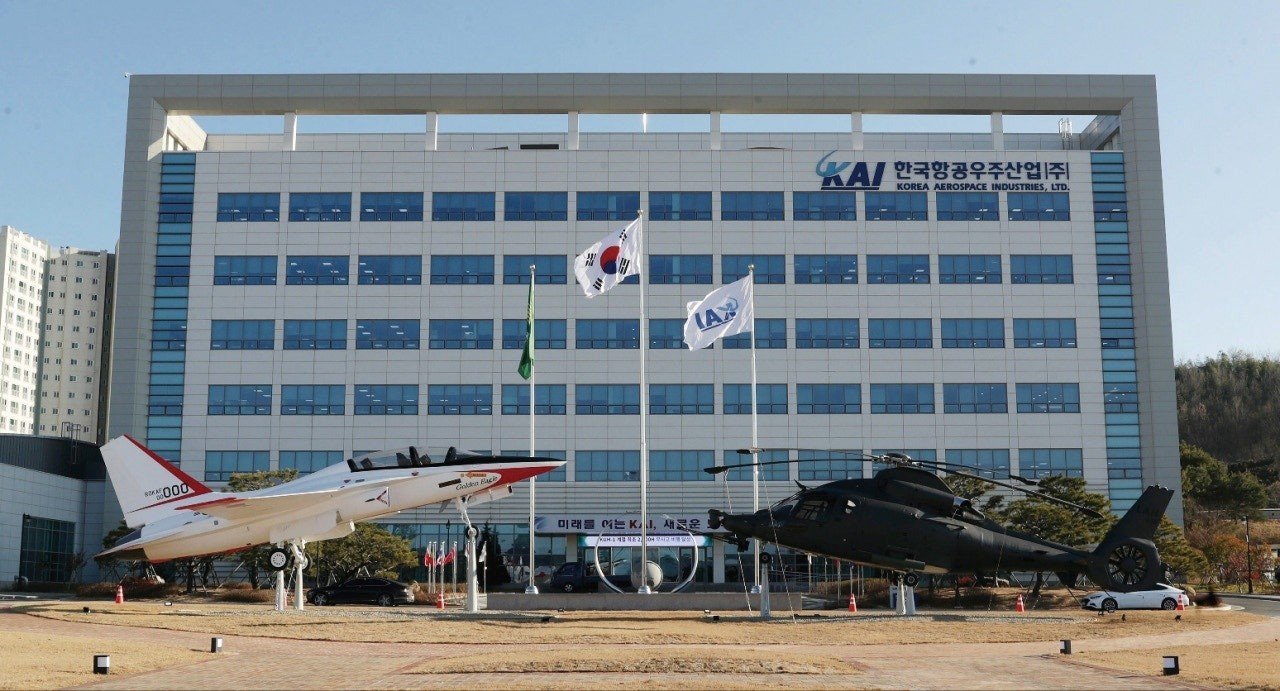
Front view of Korea Aerospace Industries (KAI) headquarters building. Provided by KAI
Expectations for a space and aviation belt linking Changwon and Sacheon … Related employment projected at 30,000 within five years
Some have voiced concerns about potential market monopoly. However, there are also counterarguments that such a structure is difficult to establish in practice. First, the two companies’ core markets are fundamentally different. Hanwha supplies weapon systems in land and naval defense, while KAI is specialized in aerospace defense, so direct market overlap is limited. Furthermore, the Defense Acquisition Program Act fundamentally blocks companies from arbitrarily setting prices by leveraging a monopolistic position. The government can at any time activate strong approval and oversight systems, prioritizing public interest values such as supply chain stability and the strengthening of national defense capabilities. Given that defense procurement is influenced comprehensively by diplomacy, security, and national strategy, the process itself does not allow a particular company to monopolize the market at will.
Industry observers also point to the structural constraints KAI has long faced as a factor behind Hanwha’s move to increase its stake. Although KAI has the symbolic status and technological capabilities of being the country’s only complete-aircraft system integrator, it has also been assessed as having limitations in terms of management stability and long-term investment due to the strong public-sector nature of its governance structure.
In particular, repeated changes in top management weakened the continuity of mid- to long-term strategies, and at certain times there were concerns about delays in decision-making due to prolonged vacancies in the chief executive position. Given the characteristics of the defense industry, fighter jets, satellites, and space launch vehicle programs require large-scale investments over periods ranging from several years to several decades, and analysis suggests that KAI has been relatively constrained compared with private conglomerates in terms of agile investment decisions and securing global networks. In the global defense market, there is a growing trend for comprehensive requirements that go beyond simple manufacturing capabilities to include large-scale upfront investment, intergovernmental diplomatic networks, package financing, local production partnerships, and follow-on logistics support systems.
An industry official pointed out, “KAI’s technological capabilities themselves are evaluated as world-class, but there has been a constant view that more aggressive investment and strategy execution capabilities are needed to expand in global markets.”
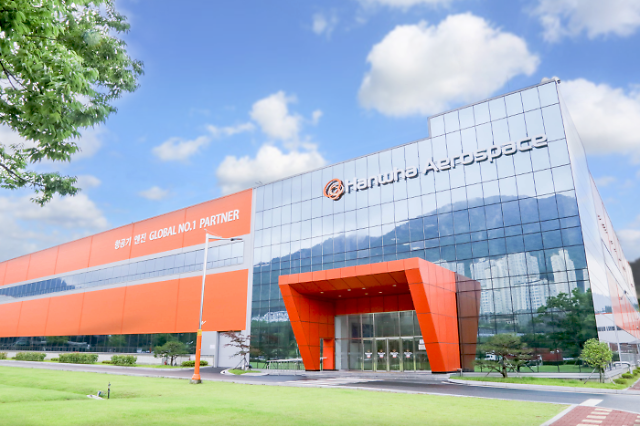
Front view of Hanwha Aerospace headquarters in Changwon, Gyeongnam
Over the past 10 years, Hanwha has restructured its business and expanded global exports through major mergers and acquisitions, including Daewoo Shipbuilding & Marine Engineering (now Hanwha Ocean), Samsung Techwin, and Doosan DST. In particular, by carrying out large-scale defense export projects in Poland, Australia, and the Middle East, it has expanded from simple weapons sales into package businesses covering financing, production, maintenance, and localization. This is why there are expectations both inside and outside the industry that combining KAI’s aerospace platform technologies with Hanwha’s capital strength and global business capabilities could generate significant synergies.
If the two companies concretize their cooperation, a space and aerospace cluster could be formed linking Changwon (Hanwha Aerospace) and Sacheon (KAI) in South Gyeongsang Province. In the long term, it could expand into a southern space industry belt connecting South Gyeongsang, South Jeolla’s Goheung (Naro Space Center), and Jeju (Hanwha Systems Space Center), with anticipated ecosystem effects such as nurturing startups and ventures, localization of materials, parts, and equipment, and joint overseas expansion with partner companies. The two companies’ combined sales last year totaled about KRW 13 trillion, and based on direct employment of 10,000 people, industry projections suggest that direct and indirect employment could increase by more than 30,000 over the next five years.
A Hanwha Aerospace official said, “Strengthening the partnership between the two companies will lead to expanded orders in the global defense and aerospace markets through a ‘one-team’ strategy,” adding, “This can be understood as part of the process of advancing the industrial structure for K-Defense to leap into the ranks of the world’s top four defense powers.”
ⓒ dongA.com. All rights reserved. Reproduction, redistribution, or use for AI training prohibited.
Popular News