Photo=Getty Image Bank.
A single ingredient widely used in “K‑beauty” products has emerged as a candidate substance that may be able to suppress antibiotic‑resistant bacteria.
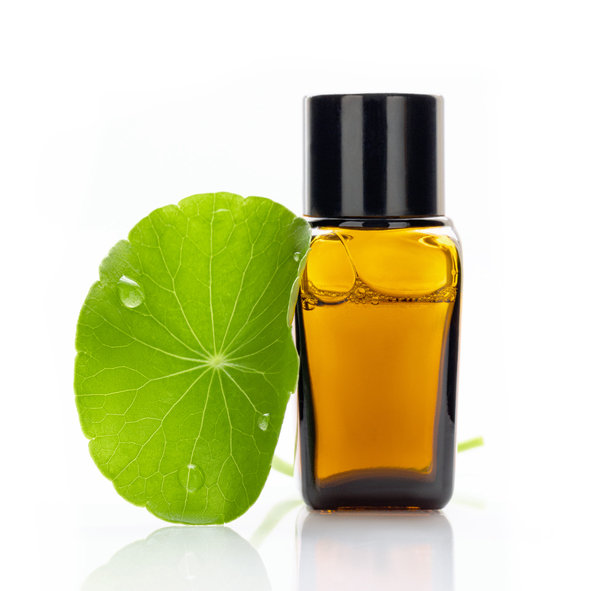
The focus is on “madecassic acid,” an extract from Centella asiatica. This ingredient is well known for its skin‑soothing effect and is widely used in cosmetics worldwide. Korean cosmetic brands have differentiated themselves by putting this ingredient at the forefront as the core “CICA” concept, and this trend has spread to the global market along with the Korean Wave. CICA is derived from the scientific name of Centella asiatica.
A joint research team from the University of Kent and University College London in the United Kingdom announced research findings that this ingredient can inhibit antibiotic‑resistant bacteria. The study was published in the international journal
“RSC Medicinal Chemistry”, issued by the Royal Society of Chemistry in the UK.
The researchers combined computer‑based analysis with laboratory experiments to examine the antibacterial effects of madecassic acid. They found that this substance demonstrated an ability to suppress bacterial growth, indicating its potential use as a new antibiotic candidate.
This discovery is also significant in terms of timing.
Resistance to existing antibiotics is increasing, making infection treatment progressively more difficult. Experts project that up to 39 million people could die between 2025 and 2050 due to antibiotic resistance.
Because the development of new antibiotics requires substantial cost and long timelines, identifying candidates from naturally derived substances is emerging as an important alternative.
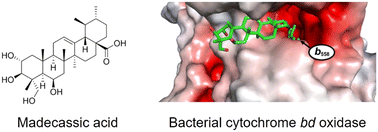
Chemical structure of madecassic acid (left) and the bacterial cytochrome bd complex.
According to the study, madecassic acid was found to inhibit the growth of Escherichia coli (E. coli) with antibiotic resistance. The substance acts by binding to the “cytochrome bd complex,” a protein system essential for bacterial respiration and survival. This system does not exist in humans or animals, making it an attractive new therapeutic target.
When this pathway is blocked, bacterial functions collapse and proliferation is suppressed. The research team explained that this could represent a new antimicrobial strategy that operates differently from existing antibiotics.
Madecassic acid also has the advantage that its chemical structure can be modified.
The researchers extracted this ingredient from plants collected in Vietnam and produced three modified derivatives, all of which successfully inhibited the cytochrome bd complex and blocked bacterial growth.
Notably, some of these modified substances also showed a direct bactericidal effect on E. coli at high concentrations.
The research team plans to further refine these substances to explore their potential development into actual pharmaceuticals.
Photo=Getty Image Bank.
Madecassic acid may go beyond being a simple skin‑soothing ingredient and could also influence the microbial environment present on the skin. However, it is not yet clear whether it acts selectively only on “harmful” bacteria among the beneficial and harmful microorganisms coexisting on the skin, and further research is needed.
Dr. Mark Shepherd, a microbial biochemist at the University of Kent who led the study, said, “Plants have been a source of medicines for thousands of years, and modern research techniques now allow us to reveal how they work,” adding, “Nature is like a vast chemical factory, so we hope to see expanded research into plant‑derived antimicrobial substances.”
Related paper link:
http://dx.doi.org/10.1039/d5md01116g
ⓒ dongA.com. All rights reserved. Reproduction, redistribution, or use for AI training prohibited.
Popular News