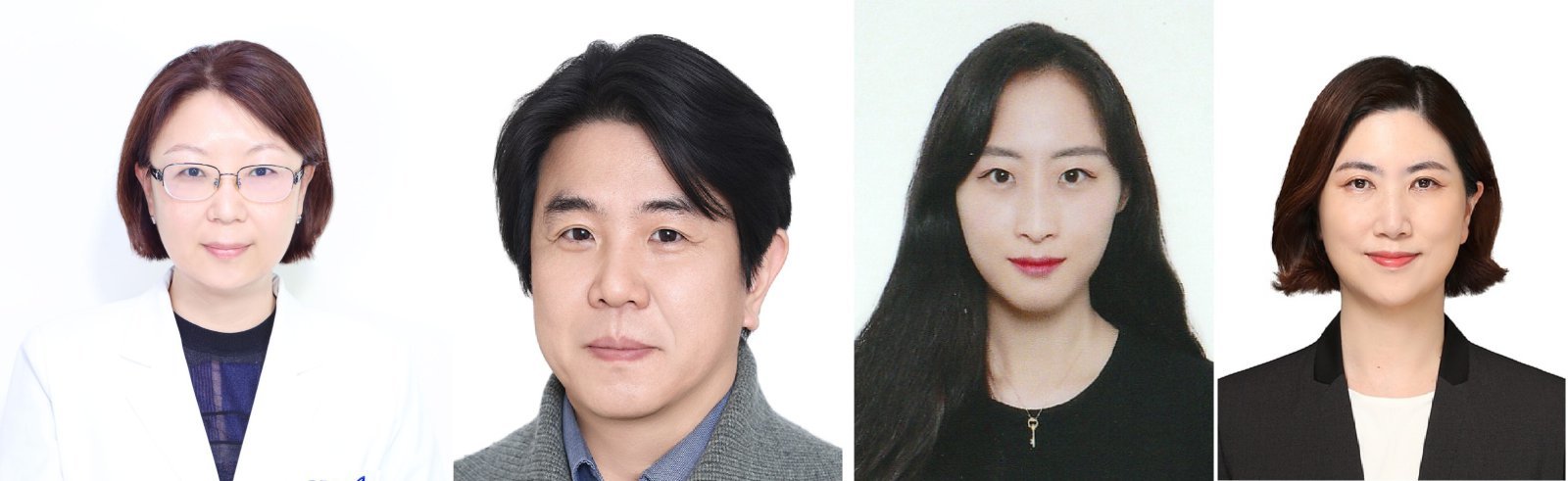
A Korean research team has become the first in the world to analyze hereditary breast cancers with previously unknown causes and to reveal that patients’ cancer cells can be classified into four genetic subtypes. This is expected to help select appropriate therapies according to patient type.
The National Cancer Center and the Catholic University of Korea College of Medicine research team announced these findings on the 22nd. Previously, 75–85% of hereditary breast cancer patients had no mutation in BRCA, the representative cancer-related gene, making it difficult to identify the cause and provide tailored treatment.
Professor Gong Sun-young of the National Cancer Center and Professor Kim Tae-min’s team at the Catholic University of Korea College of Medicine analyzed the whole-genome information of 129 hereditary breast cancer patients without BRCA mutations. They found that, depending on the pattern of genetic damage in tumor tissue, cancer cells can be categorized into four subtypes: “homologous recombination-deficient type,” “mutation-dominant type,” “copy-number alteration type,” and “genome-stable type.”
The drugs to which each subtype responded also differed. This means precision medicine becomes possible by identifying the patient’s subtype and using the most suitable therapeutic agent. Professor Gong stated, “It is significant in that it shows treatment strategies for the same hereditary breast cancer must differ according to the characteristics of the cancer cells.” The research findings were published in the biomedical science journal Experimental & Molecular Medicine.
Lee Ho
AI-translated with ChatGPT. Provided as is; original Korean text prevails.
ⓒ dongA.com. All rights reserved. Reproduction, redistribution, or use for AI training prohibited.