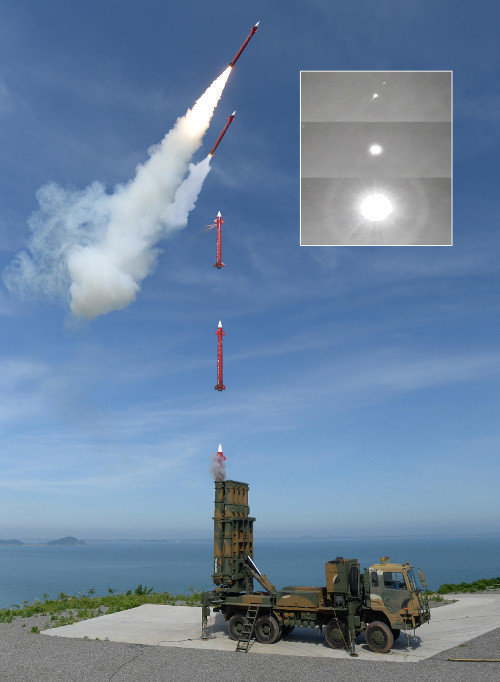
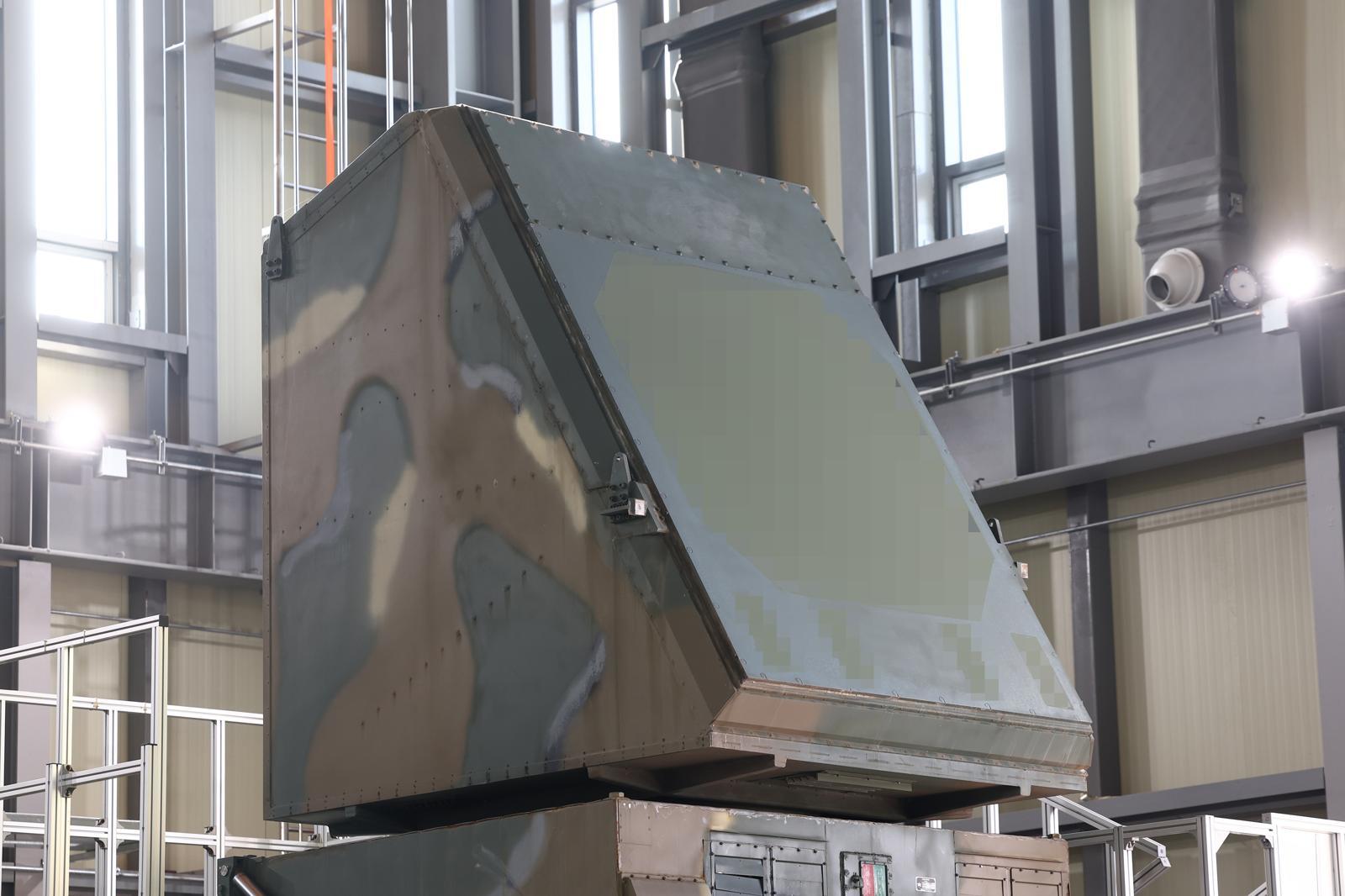
Saudi Arabia, the United Arab Emirates (UAE), Qatar and other Gulf states are knocking on the doors of countries such as South Korea and the United Kingdom to secure weapons stockpiles. Following Iran’s large-scale airstrike, states that have declared an emergency to reinforce their air defense networks are rapidly broadening their weapons procurement channels. In particular, Saudi Arabia has recently asked South Korean companies Hanwha and LIG Nex1 whether it would be possible to bring forward the delivery schedule for the Cheongung-II, a surface-to-air missile system.
On the 12th (local time), the Wall Street Journal (WSJ) reported: “Gulf states are attempting to diversify their supply lines from their existing source, the United States, to countries such as South Korea in order to secure anti-air missiles and other systems.” According to the report, Gulf states have rapidly depleted their air defense missile inventories over the past six weeks while defending against Iran’s retaliatory attacks. As a result, there is an urgent need to obtain alternative weapons that can immediately reinforce combat power, and in this process South Korea’s medium-range surface-to-air guided weapon system “Cheongung-II” has come under the spotlight.
The Cheongung-II is known to be used by Gulf states to intercept missiles and other threats from Iran. According to Representative Yoo Yong-won of the People Power Party, a member of the National Assembly’s National Defense Committee, the Cheongung-II currently in operational deployment in the UAE recorded a 96% hit rate in actual combat in response to Iran’s large-scale air raid. It is reported that the UAE has recently requested additional supplies and shortened delivery schedules from South Korean companies.
Gulf states are also attempting to build a multilayered air defense network by combining Ukrainian-made interceptor drones, low-cost missiles from the United Kingdom, and electronic warfare equipment, in order to counter Iran’s mass deployment of low-cost drones (such as the Shahed series). To this end, Saudi Arabia and Qatar have signed defense cooperation agreements with Ukraine and are strengthening practical cooperation by visiting local drone training facilities, among other activities.
The move by Gulf states to request weapons supplies from countries other than the United States is seen as stemming from the inability of U.S. weapons production to keep pace with global wartime demand. The WSJ pointed out that “despite a surge in weapons demand since Russia invaded Ukraine four years ago, the production capacity of the U.S. arms industry remains insufficient.” It added, “In particular, the U.S. arms industry could miss out on potential contract opportunities.”
Park Sung-jin
AI-translated with ChatGPT. Provided as is; original Korean text prevails.
ⓒ dongA.com. All rights reserved. Reproduction, redistribution, or use for AI training prohibited.