Orient Bio Inc.
The history of the bioindustry is essentially the history of how precisely the invisible principles of life are understood and how accurately they are translated into treatment. At every turning point, one question has always existed.
“Where, how, and how precisely must a drug reach its target?” The challenge currently being posed by KOSPI-listed Orient Bio Inc., headquartered in Seongnam, Gyeonggi Province, starts from that question. The company has recently begun to advance the development of its innovative next-generation hair-growth drug candidate “OND-1,” based on a cutting-edge precision drug-delivery technology, and has embarked in earnest on the toxicity evaluation stage ahead of clinical entry.
This development is not merely about adding one more hair loss treatment. Its significance lies in the establishment of a precision targeted drug-delivery platform that directly aims at the exact biological site where the drug must act, namely the hair follicle microenvironment. At the same time, Orient Bio is pushing forward with its “AI-based Neuro-Integrated Bio-Predictive Non-Human Primate Platform (AI NHP Platform)” business, which combines artificial intelligence (AI) with preclinical data to enhance predictability in new drug development.
One axis points to the future of treatment, the other to the future of research. Ultimately, both converge on a single direction: the next era of bio, where biology is understood more deeply, predicted more accurately, and treated more precisely.
Limitations of the hair loss treatment market: why was a fundamental shift so difficult?In Korea, around 10 million people are affected by hair loss and the market size is KRW 4 trillion. About 40% of those receiving treatment are in their 20s and 30s, indicating that hair loss has moved beyond a simple cosmetic concern to become a health issue directly linked to quality of life. However, despite the market’s size, the essence of treatment has not changed significantly for a long time.
Typical oral medications focus on inhibiting the production of DHT (dihydrotestosterone), known as a major cause of male-pattern hair loss, to slow its progression, while topical treatments aim to induce hair growth by increasing scalp blood flow or stimulating hair follicles. Yet oral drugs are accompanied by concerns over side effects with long-term use and issues with medication adherence, and topical therapies have been criticized for structural limitations: they must penetrate the outermost skin barrier, the stratum corneum, making it difficult to deliver sufficient drug concentrations to the actual therapeutic target—the hair follicles in the dermis layer.
As a result, the hair loss treatment market has largely remained a chronic management market focused on slowing progression and partial improvement rather than achieving full recovery. Patients have been forced to oscillate between therapies that merely slow hair shedding and management that makes the condition look slightly better. It is at this point that Orient Bio changed the question.
Not “how to apply” but “how to deliver precisely.”
OND-1: a new treatment targeting the hair follicle growth cycle itselfHair grows by repeating the anagen (growth), catagen (regression), and telogen (resting) phases. Hair loss occurs when the growth phase shortens and the proportion of the resting phase increases. Recent research has accumulated evidence that hair follicle stem cell activity and the Wnt/β-catenin signaling pathway play a key role in regulating this growth cycle. OND-1 is a candidate developed with a focus on these biological pathways.
Unlike existing treatments that remain at the level of hormone suppression or blood-flow promotion, OND-1 aims to restore the biological activity of the hair follicle itself. Its differentiated approach lies in restructuring the microenvironment so that hair follicles can resume growth, rather than simply slowing the progression of hair loss.
The starting point was an intriguing phenomenon observed with the immunosuppressant cyclosporine A. It has long been known that some patients receiving this drug develop hypertrichosis, or excessive hair growth, across the body. In many cases this would be dismissed as a mere side effect, but Orient Bio identified a new biological mechanism of action in this phenomenon. Recent studies have suggested that cyclosporine may influence hair follicle growth through SFRP1 inhibition and activation of the Wnt/β-catenin pathway.
Orient Bio redesigned the candidate to minimize immunosuppressive effects while selectively preserving only the biological actions associated with hair growth. The result is OND-1. This candidate is closer to a next-generation therapeutic concept that modulates the hair follicle growth cycle and biological signaling, rather than a simple hair growth stimulant.
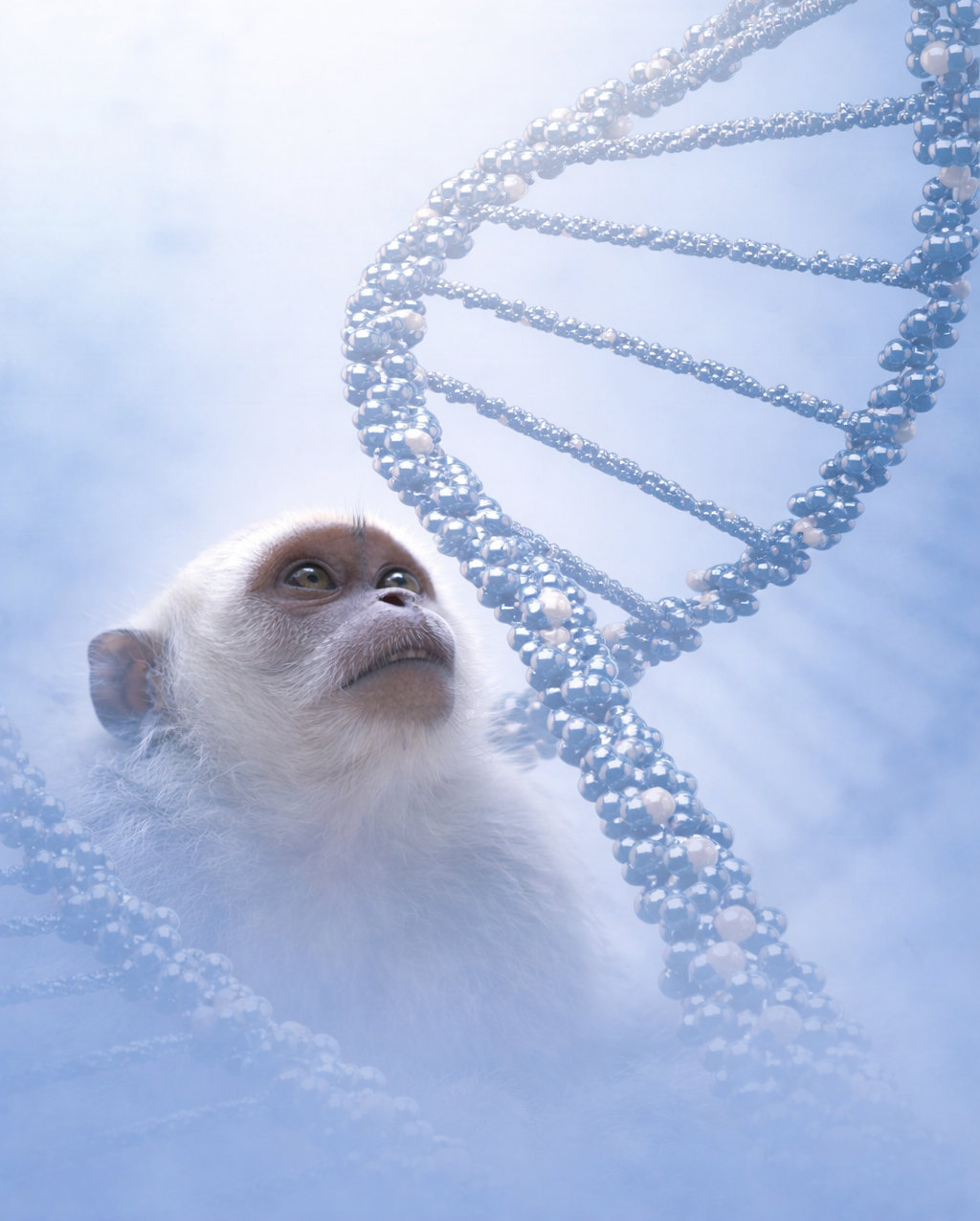
Research on the AI-based Neuro-Integrated Bio-Predictive Non-Human Primate Platform (AI NHP Platform). Provided by Orient Bio
The birth of a PLGA-based precision drug-delivery platformThe true turning point in OND-1’s development came from an innovation in its delivery method. Orient Bio secured preclinical data from Charles River Laboratories in the United States and, after going through FDA Investigational New Drug (IND) procedures, conducted a rigorous first-in-human Phase 1 clinical trial at Seoul National University Bundang Hospital, using a randomized, double-blind, placebo-controlled design. The results were clear. Even under conditions where the skin barrier was artificially reduced, the previously anticipated structural limitations of the stratum corneum were directly confirmed in the data.
Orient Bio did not view this as a failure but as scientific evidence that its delivery strategy had to be redesigned from the ground up. The conclusion was that the drug’s limited efficacy stemmed not from its intrinsic quality, but from its inability to reach the target precisely. Treating failure not as an end but as a starting point for the next design is a research culture that only companies with long-term resilience in the industry can demonstrate.
The outcome of this redesign is a depot injection technology based on poly-lactic-co-glycolic acid (PLGA). This precision drug-delivery system uses the biodegradable polymer PLGA to deliver the drug directly to the dermal layer surrounding the hair follicles and to release it stably over an extended period, increasing local drug concentration, prolonging duration of action, and minimizing systemic exposure. In this respect, it is fundamentally different from conventional topical formulations. Related formulation patents have been secured in Korea and Japan, and patent procedures are underway in major markets including the United States, Europe, and China.
Orient Bio Chairman Jang Jae-jin stresses, “Having obtained patents in Korea and Japan, the probability of securing patents worldwide is very high.”
In current non-GLP preclinical studies, a 6-month repeated intradermal administration test has been conducted in CD (SD) rats. No evident systemic toxicity or major organ abnormalities have been observed, and drug accumulation under repeated dosing has remained within a limited range. The drug release pattern has also been analyzed as relatively stable. This suggests that OND-1 may have a certain safety profile even under long-term administration conditions. Verification is always at the core of new drug development.
Orient Bio’s entry into the toxicity evaluation stage means that this potential is now standing at the threshold between a laboratory concept and the discipline of clinical development.
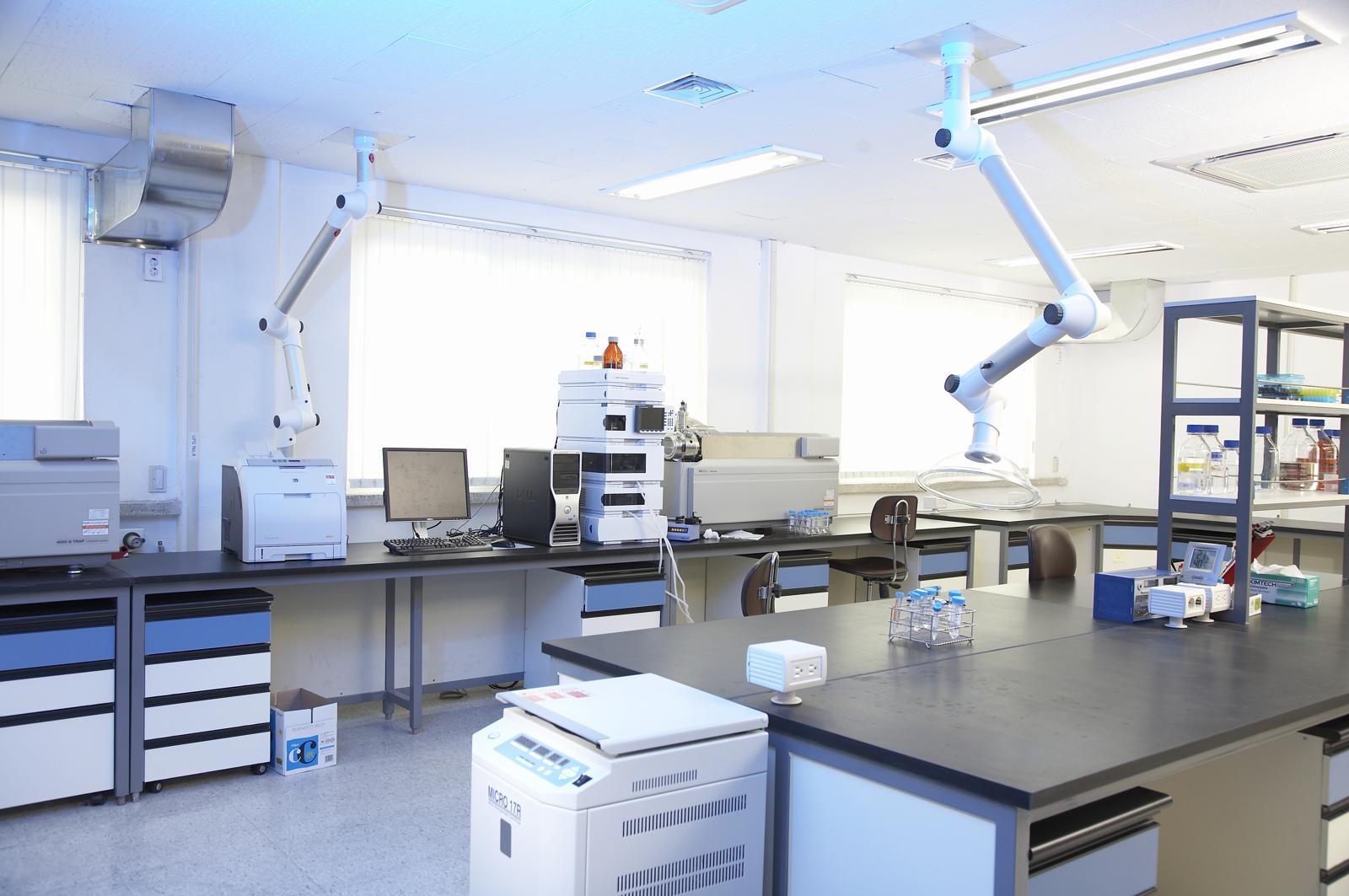
Laboratory for the AI-based Neuro-Integrated Bio-Predictive Non-Human Primate Platform (AI NHP Platform). Provided by Orient Bio
The first shovel in 1991: a turning point built on 35 years of accumulationThe reason Orient Bio’s challenge is drawing attention is not only because of hair loss treatment. Behind it lies more than 35 years of accumulated infrastructure in laboratory animals, preclinical testing, and bio research.
In the spring of 1991, Chairman Jang took his first step into the bioindustry by founding BioGenomics. At that time, Korea’s laboratory animal market was virtually barren. While others focused on already established markets, he looked first at the underlying foundation before market formation. In 1996, he visited the Ministry of Health and Welfare himself to explain the issues with domestic laboratory animals and the need to secure international credibility, and in 1997 the company was selected as a target enterprise for Korea’s new drug development support program.
His subsequent trajectory was one of consistent expansion. In 1999, through a technical alliance with Charles River Laboratories, the company became the world’s ninth producer of IGS-based germ-free laboratory animals. In 2010, under an agreement with Covance, it began operating Asia’s first international-standard Beagle production facility. In the same year, through its Cambodian subsidiary Orient Cam, it established a supply system for purebred non-human primates, and in 2017 it acquired OBRC, a USDA- and CDC-approved primate quarantine and contract research facility in Texas. In 2021, the company also succeeded in producing high-quality SPF laboratory rabbits that meet international standards. This trajectory progressively elevated the level of Korea’s bio infrastructure itself.
Even after having established himself as a businessman, Jang obtained a master’s degree (2003) and a PhD (2010) in veterinary medicine from the graduate schools of Konkuk University and Kangwon National University, respectively, in the same vein. As a manager, he sought to understand firsthand the language of the research field and to view regulation and science, industry and technology, through a unified lens. This effort culminated in the Order of Science and Technology Merit (Jinbo Medal) in 2010 and the Science and Technology Grand Prize at the Jang Young Sil International Science and Culture Awards in 2011.
COVID-19: the moment when 35 years of infrastructure proved its valueThe keyword running through Chairman Jang’s management philosophy is a sense of mission. He said, “There were times of deep frustration when the market turned away, but I have devoted my utmost efforts, believing that if Orient Bio gave up, Korea would never again be able to produce experimental materials that meet international standards.” This philosophy was tested most dramatically during the COVID-19 pandemic.
When COVID-19 swept across the globe in late 2019, demand for non-human primates surged. China, which had supplied 70% of global demand, completely halted exports, triggering a supply crisis. Even in the United States, it became difficult to even discuss supply until two years after placing a purchase request. Prices, which had been KRW 3–4 million per animal, soared to KRW 25–80 million. Even global pharmaceutical companies and research institutions struggled to carry out their studies on schedule, and in Korea, Orient Bio was in effect the only private company capable of supplying high-quality non-human primates. The infrastructure quietly built over many years functioned as a last line of defense for the nation at a critical moment.
Jang did not hesitate. Even as overseas demand exploded, he prioritized supplies to Korea, and even maintained pre-COVID prices. Without any government subsidies, the company carried out collaborative research with the Korea Disease Control and Prevention Agency, influenza virus development, and SFTS antibody induction and serum supply. But what followed was not only recognition. Controversies over test kits and questions raised during audits ensued. Although a subsequent police investigation concluded that there were “no issues,” the price paid by a private company that had stepped forward out of a sense of duty was exceedingly harsh.
Jang recalled, “It was very distressing and we went through many difficulties.” Even so, he did not waver. The separate cumulative sales of KRW 22.7 billion in the third quarter of last year showed how robust the 35-year-old infrastructure remained even amid crisis.
AI NHP Platform: from observation to predictionOrient Bio’s vision does not end with OND-1. The AI NHP Platform is an attempt to transform the fundamental structure of preclinical research. Until now, the preclinical stage of new drug development has been essentially centered on post-dosing observation. Cell cultures have difficulty fully reflecting systemic physiological responses, microphysiological systems (MPS) face limitations in explaining inter-organ interactions, and traditional animal testing has had constraints in converting data into quantitative predictive models.
The AI NHP Platform is designed to more precisely predict drug responses by integrating neural, systemic physiological, behavioral, and molecular data from non-human primates, whose physiology is highly similar to humans, and linking them to an AI analysis engine. Its four core pillars are Neuro-Integration, Whole-body Integration, an AI Predictive Engine, and a Digital Twin. Once this platform is completed, preclinical research will move beyond merely interpreting results after dosing, toward predicting responses in advance based on individual biological data. This will reduce the cost of failure in new drug development, increase the precision of candidate selection, and allow earlier assessment of human applicability.
The supporting infrastructure is already in place. Orient Cam mass-produces purebred non-human primates using proprietary technologies at its Cambodian primate center and operates a stable supply system via charter flights. At the Orient Transplantation Research Center in Seongnam, Gyeonggi Province, the company supports the creation of gene-edited model animals using CRISPR-Cas9 and conducts research on allogeneic and xenogeneic organ transplantation. Through its subsidiary Genia, non-human primate studies have exceeded 100 cases per year over the past three years.
Going forward, competitiveness in preclinical research will be determined not by the volume of tests but by the accuracy of predictive models. In this respect, the AI NHP Platform holds long-term potential to evolve into national bio research infrastructure.
“Preparing for the next era of bio beyond hair loss treatment”
Interview with Jang Jae-jin, Chairman of Orient Bio Inc.
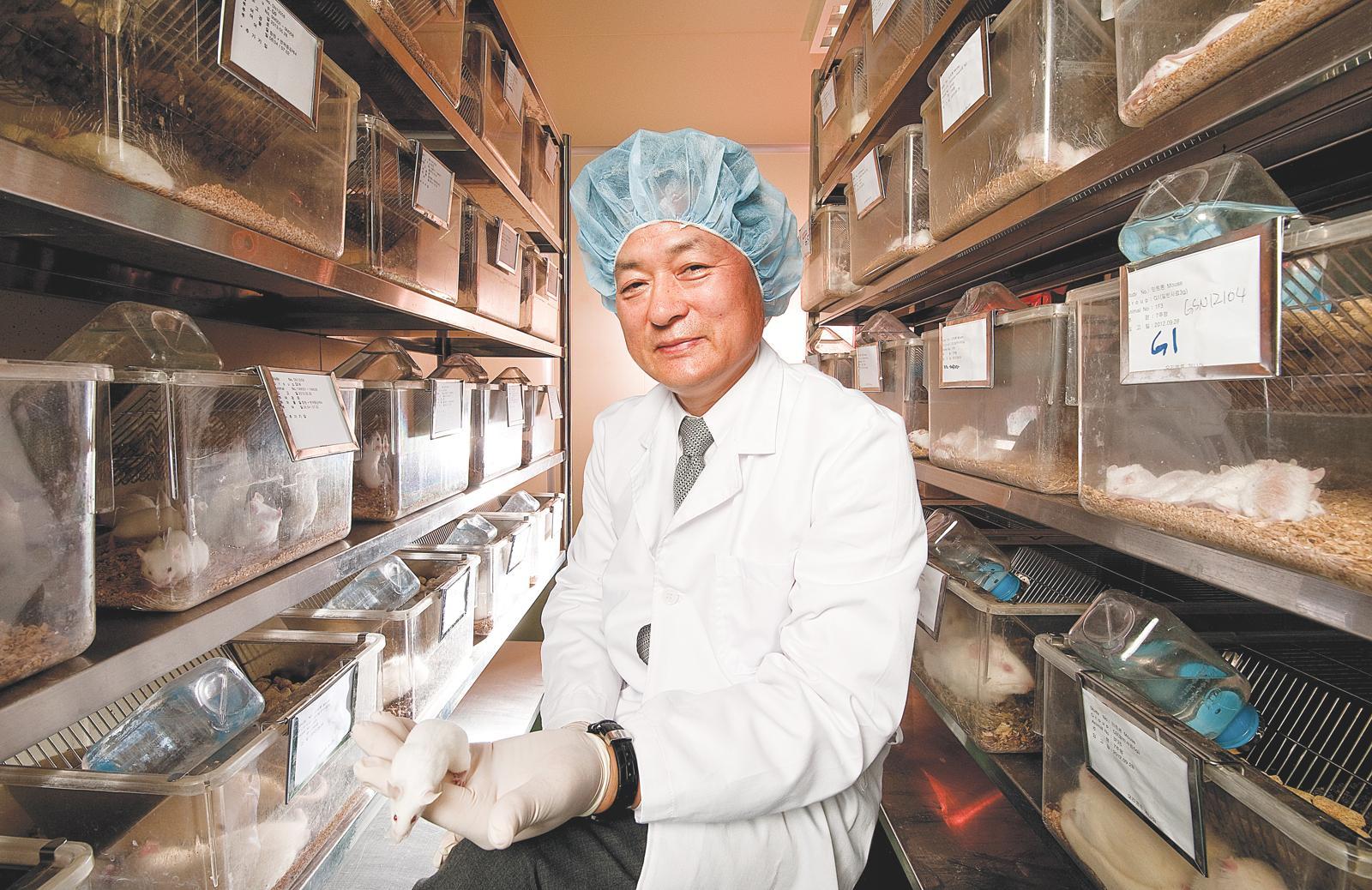
Jang Jae-jin, Chairman of Orient Bio Inc.
The picture Orient Bio is drawing is clear. The two axes of new drug development based on precision drug delivery and AI-based predictive preclinical infrastructure are interconnected. Chairman Jang Jae-jin (pictured) speaks without hesitation.
“The bioindustry does not yield results overnight. Only by building infrastructure, enduring failures, accumulating data, and passing verification at regulatory standards can a technology finally become an industry. I have walked that path for 35 years.”
The fact that the company has grown for 35 years by reinvesting solely in technology and infrastructure, without bank debt, and that it has not compromised its principle of prioritizing domestic supply despite requests from global companies both stem from the same philosophy. It single-handedly built infrastructure that no one believed was possible, was the first to respond when the country was in crisis, and chose a change of direction instead of giving up when faced with clinical hurdles. A sense of mission underpinned all of these choices.
“For 35 years, I have devoted myself to a single field for the sake of the national interest and the industry. Now, driven by a mission to leave a better world to future generations, I want to contribute to building a competitive Republic of Korea.”
Having broken ground alone on a barren field in the early 1990s, he still stands firmly on that path today. Orient Bio is now emerging as a milestone in Korea’s bioindustry by integrating precision therapeutics, predictive preclinical research, and 35 years of bioscience infrastructure into a single continuum.
ⓒ dongA.com. All rights reserved. Reproduction, redistribution, or use for AI training prohibited.
Popular News