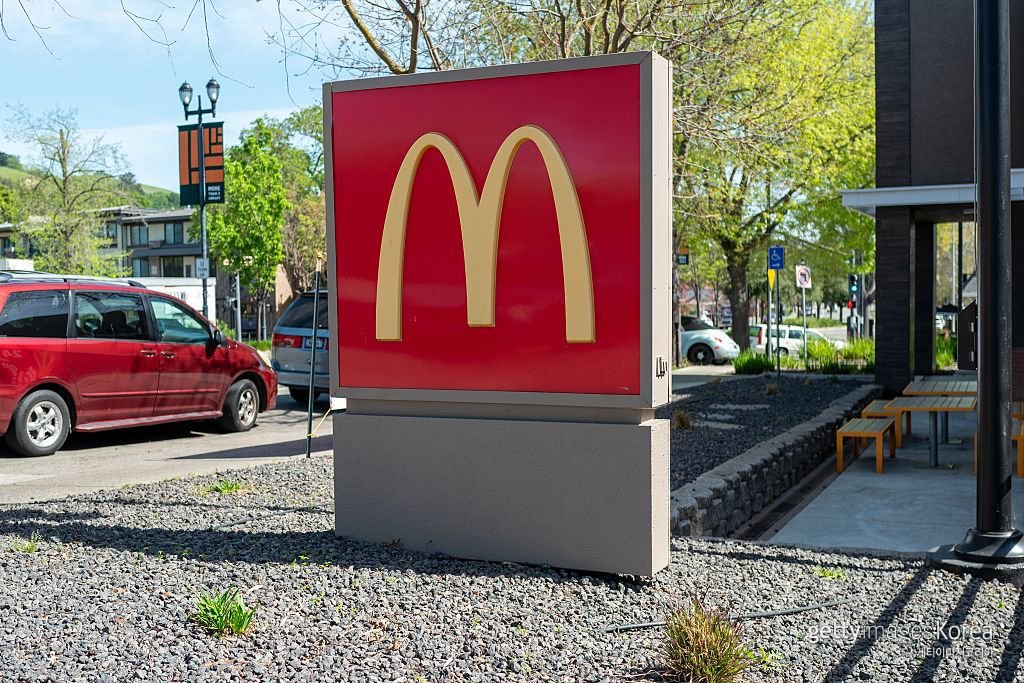
As major dining-out franchises accelerate the adoption of artificial intelligence (AI), analysts say the restaurant industry is transforming into a “tech company” business./ Getty Images Korea
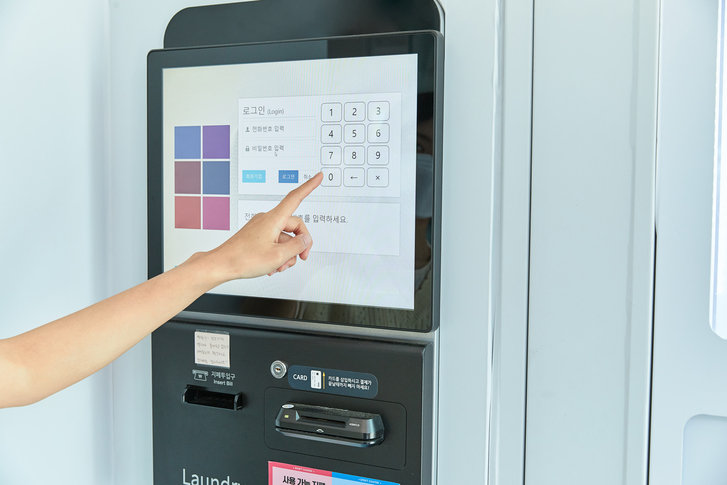
The rapid spread of artificial intelligence (AI) in the restaurant franchise sector is dramatically changing operational models. With kiosk ordering, in-app payments, and AI-based store management becoming routine, observers say the restaurant industry is being reorganized into a “technology industry.”
According to Business Insider on the 24th, major restaurant chains are accelerating the introduction of various AI technologies to enhance store operating efficiency and protect profitability.
McDonald’s is pursuing its “Experience of the Future” strategy, which expands kiosk and app-based ordering, while Chipotle is operating its “Autocado” system that automatically prepares avocados. Starbucks has also joined this transition by introducing its generative AI “Green Dot,” which supports in-store baristas.
In the past, “secret recipes” were the core source of competitiveness; more recently, technology and data have emerged as the key factors determining success or failure in the restaurant industry.
Amir Hudda, CEO of restaurant technology company Qu, explained, “Restaurants are businesses where a store and a production plant operate simultaneously in a single space,” adding that it is “an industry that must quickly produce products that will be consumed within 30 minutes of an order being placed.”
Getty Images Korea
As orders flow in simultaneously from multiple channels—stores, apps, delivery platforms, and kiosks—store operating structures have become more complex. On top of this, rising labor costs and heightened consumer price sensitivity are forcing restaurant operators to manage both cost efficiency and customer experience at the same time. As a result, technology adoption is increasingly viewed not as a choice but as a “survival strategy.”
● “Restaurant or vending machine?”… The dilemma of AI adoption
However, concerns are also mounting that the expansion of technology adoption could undermine the customer experience. As ordering and payment processes are automated, some warn that dining spaces may begin to feel like “vending machines.”
In practice, some companies are pursuing a balanced strategy, actively leveraging AI while trying to maintain “human-centered service.”
Taco Bell is using voice AI to improve both employee and customer experiences, while also putting significant effort into strengthening its loyalty program. Burger King has built an internal AI system called “BK Assistant” to support store managers, but is focused on using it as a tool to assist staff in their work.
● Integration of orders, inventory, and workforce first… The essence of tech competition in restaurantsExperts emphasize that data integration is a core competitive factor, rather than merely introducing isolated AI features. Without connecting order, inventory, workforce, and customer data into a single system, it is difficult to maximize the benefits of technology. CEO Hudda noted, “If the core system is not in place, AI can end up being just decoration.”
Getty Image Bank
Nevertheless, many argue that the essence of the restaurant business is still “people.” They warn that if technology-driven strategies go too far, they may damage the core values of a brand. What customers expect is not merely food, but a “hospitality experience.”
Investors are also paying close attention to these shifts. While cost reductions through automation and AI are necessary, analysts note that service experiences that can sustain customer loyalty are equally important.
Ultimately, restaurant operators face the dual task of protecting profitability through technology while maintaining human-centered service. No matter how advanced AI becomes, the factor that turns a store into a place customers choose to revisit remains “people.”
ⓒ dongA.com. All rights reserved. Reproduction, redistribution, or use for AI training prohibited.
Popular News