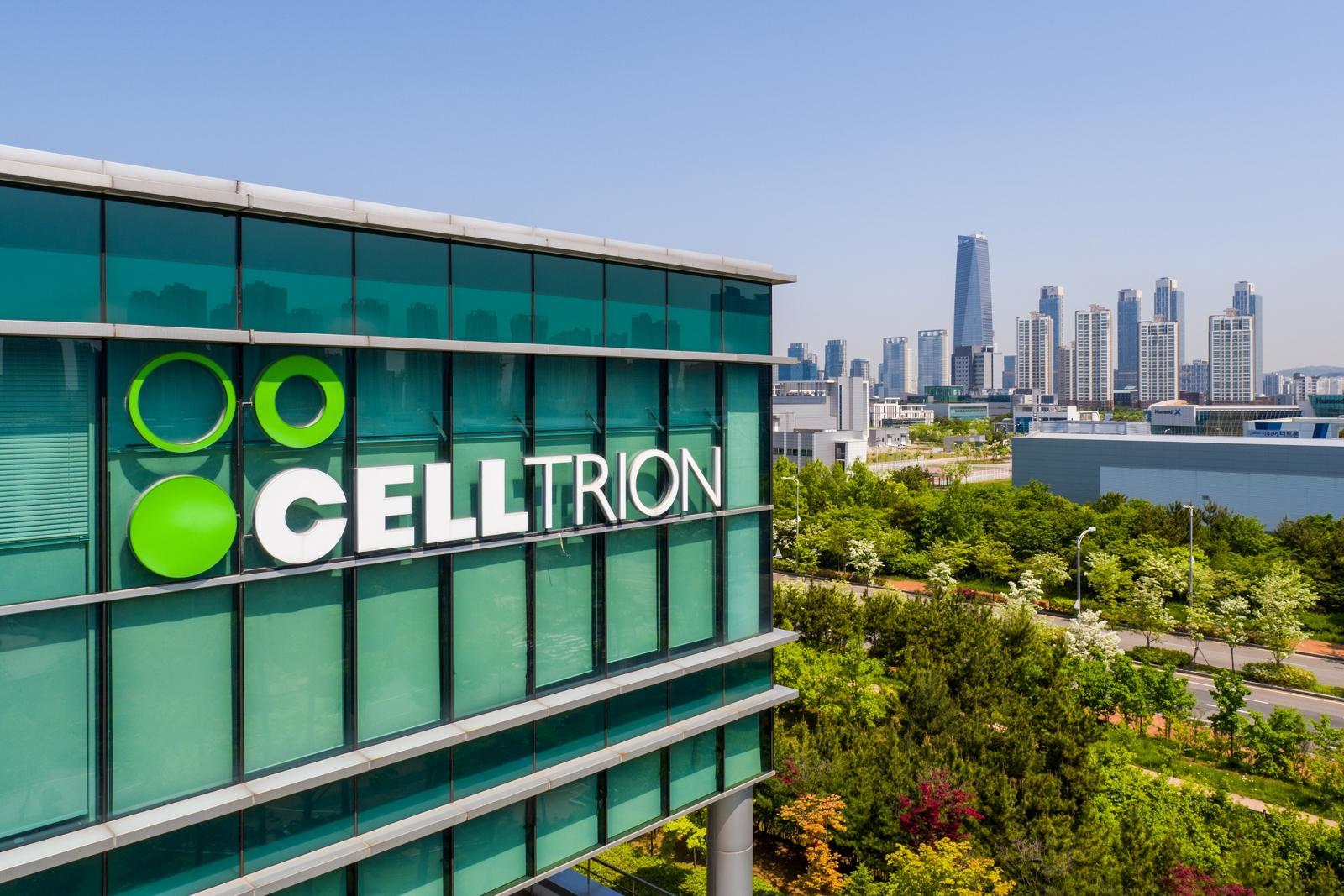
Celltrion announced on the 13th that it will immediately reflect global regulators’ relaxed policies on biosimilar development in its ongoing pipeline, aiming to reduce development costs and shorten timelines.
The U.S. Food and Drug Administration (FDA) recently released the fourth revised draft of its biosimilar development guidelines. The core change is the relaxation of the reference drug requirements. Previously, in order to enter the U.S. market, companies were required to conduct direct pharmacokinetic (PK) comparative clinical trials against a U.S.-approved reference drug. Going forward, equivalence can be recognized based on comparative data with reference drugs approved outside the United States. In addition, the FDA recommended measures that can streamline Phase 1 PK studies when scientific criteria are met.
Celltrion expects that this measure will enable it to reduce overall clinical costs by up to 25% in the immuno-oncology segment, where reference drug costs are high. If the simplified and exempted Phase 3 clinical guideline announced in October last year is also applied, the cost-saving effect is expected to be even greater. Although the revised guideline is still in draft form, Celltrion considers it to reflect the FDA’s latest views and has decided to apply it immediately to ongoing projects.
Celltrion believes that this regulatory relaxation will lead not only to cost reductions but also to an expansion of economies of scale across its portfolio. By investing the saved resources into additional pipeline development, the company will be able to add small- and mid-sized market products—previously difficult to develop due to high clinical costs—to its portfolio. It also analyzed that as clinical data requirements decrease, the importance of early-stage development capabilities such as antibody analysis, comparative equivalence assessment, and process development will increase, creating a favorable environment for Celltrion, which possesses these competencies.
Celltrion is currently marketing 11 biosimilar products and plans to build a portfolio of 41 products by 2038. It expects the addressable global market size to expand from KRW 85 trillion last year to over KRW 400 trillion. Disclosed major pipeline assets include Ocrevus (CT-P53), Cosentyx (CT-P55), and Taltz (CT-P52) in the autoimmune disease segment, and Keytruda (CT-P51) and Darzalex (CT-P44) in the oncology segment, with more than 20 additional pipeline assets whose details have not been disclosed. Among these, CT-P55 is already benefiting from the regulatory relaxation in a tangible way, having reduced the number of enrolled patients in its Phase 3 clinical trial last month from 375 to 153.
Celltrion has already established end-to-end infrastructure spanning development, manufacturing, and direct sales, and operates a direct sales model in most markets, resulting in lower distribution cost burdens compared with competitors. It expects its cost competitiveness to be further strengthened by clinical cost reductions driven by the latest regulatory easing.
A Celltrion official said, “This regulatory relaxation trend is an opportunity for Celltrion, which has all of the early development capabilities, production, and direct sales network, to become the greatest beneficiary,” adding, “We will further expand our pipeline to realize economies of scale and grow into a big pharma player with unrivaled cost competitiveness in the global market.”
ⓒ dongA.com. All rights reserved. Reproduction, redistribution, or use for AI training prohibited.
Popular News