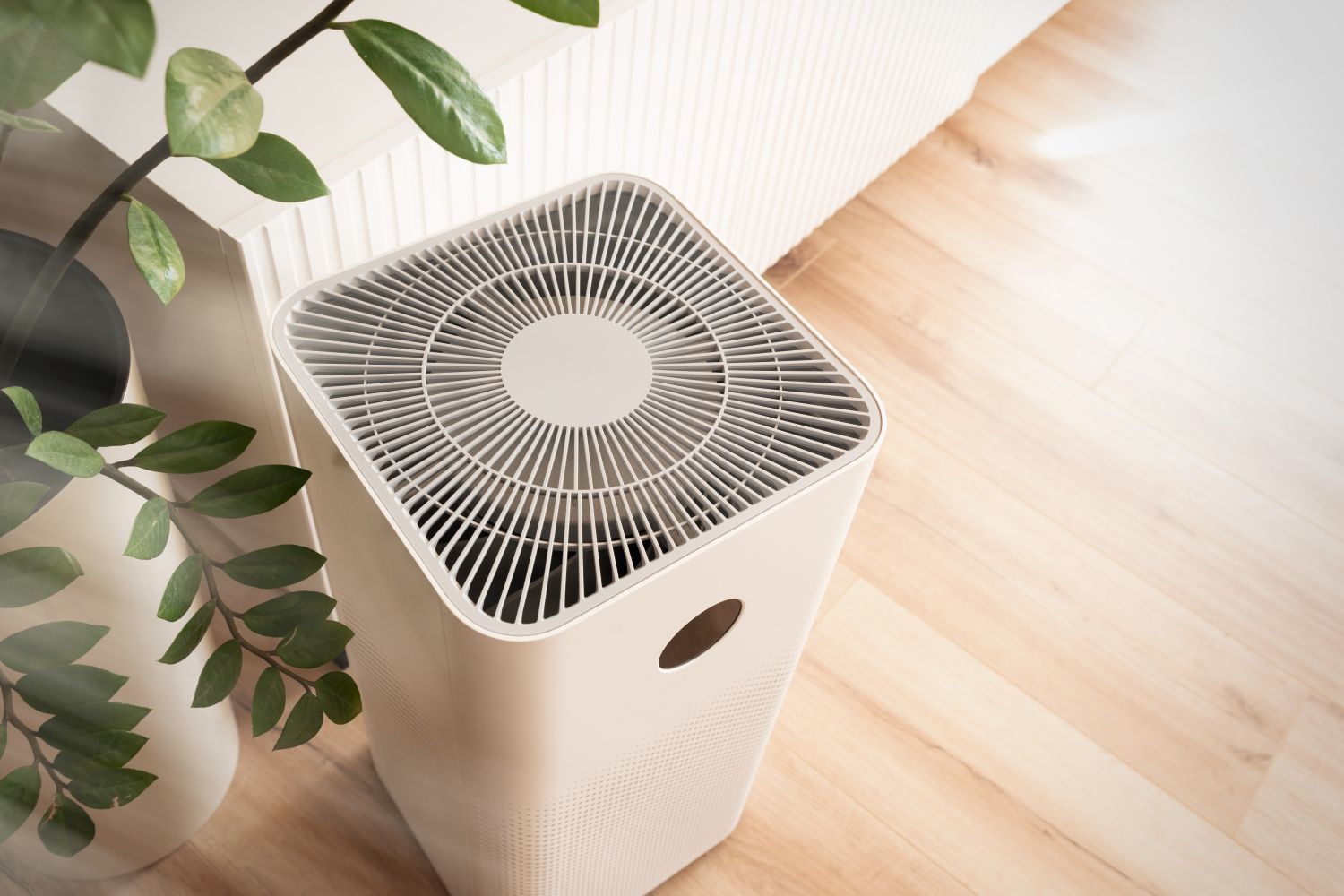
Interest in air quality has grown, rapidly expanding the air purifier market. Products that use filters—such as industrial HVAC systems, household air purifiers, and automotive air filters—are already widespread across everyday life. The problem, however, is that most of these filters are designed to be used once and then discarded.
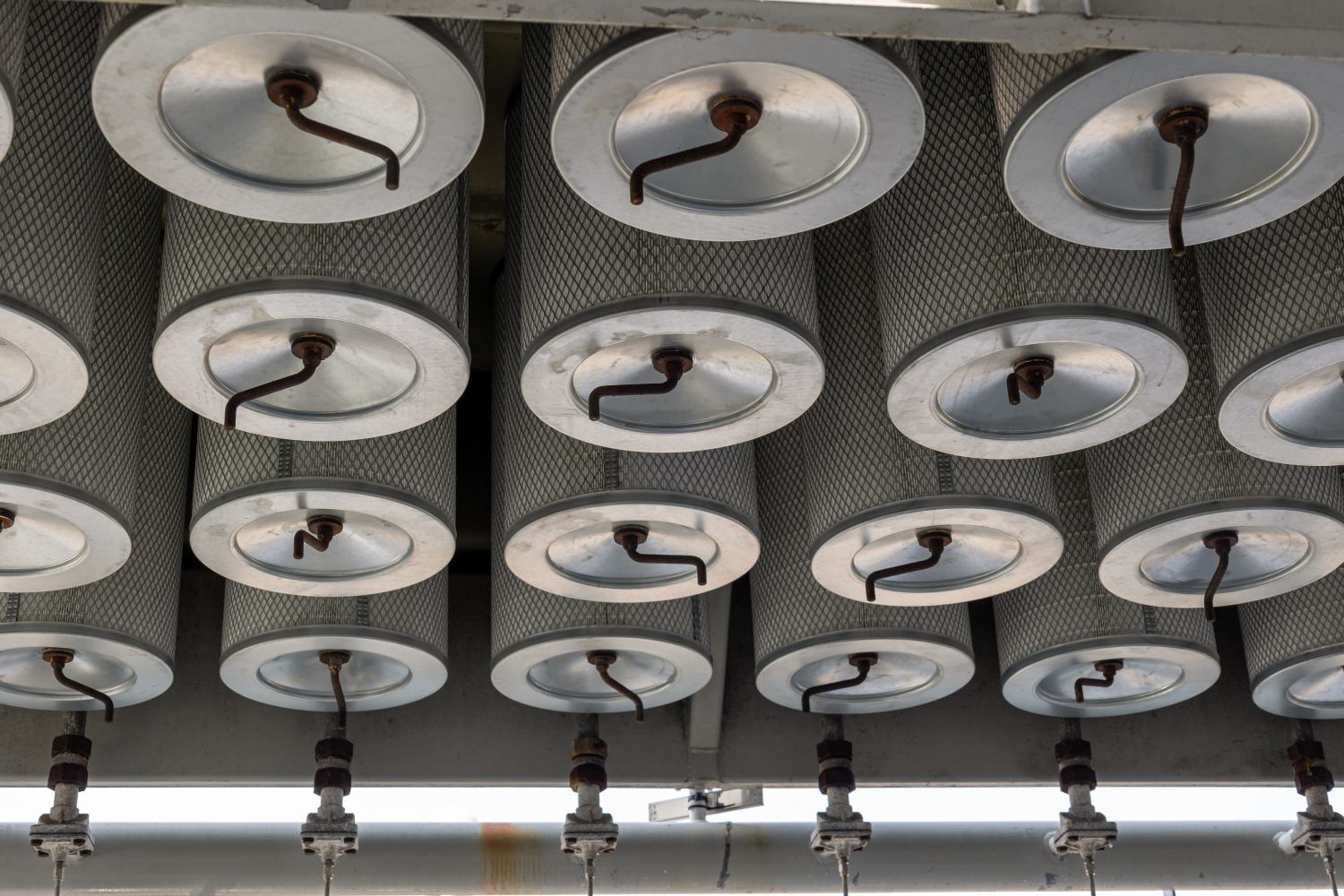
Disposable nonwoven filters generate millions of tons of plastic waste every year / Source=Shutterstock
The mainstream of the current market is nonwoven filters based on polypropylene (PP) and polyester (PET). According to global market research firm SNS Insider, the global nonwoven filter market is projected to grow from about USD 854 million (approximately KRW 1.1 trillion) in 2025 to USD 1.432 billion (approximately KRW 2.108 trillion) by 2033. Last year, more than 4.2 million tons of nonwoven filters were produced worldwide.
However, disposable nonwoven filters generate millions of tons of plastic waste every year, becoming another major cause of environmental pollution. Enormous amounts of plastic waste are being emitted in the process of producing clean air. As carbon neutrality and the circular economy have recently emerged as key agendas in industry, the need to find alternatives to disposable filters is being raised.
Nonwoven filters, continuous carbon emissions from production to disposalHEPA (High Efficiency Particulate Air) filters, which have become the standard over the past several decades, boast high efficiency, removing 99.97% or more of ultrafine dust. Thanks to low production costs and strong initial filtration performance, they have long dominated the market. In particular, the deep filtration method, which traps dust between randomly entangled fiber structures, is advantageous for initial dust capture. However, this method is also the fundamental reason that makes reuse impossible.
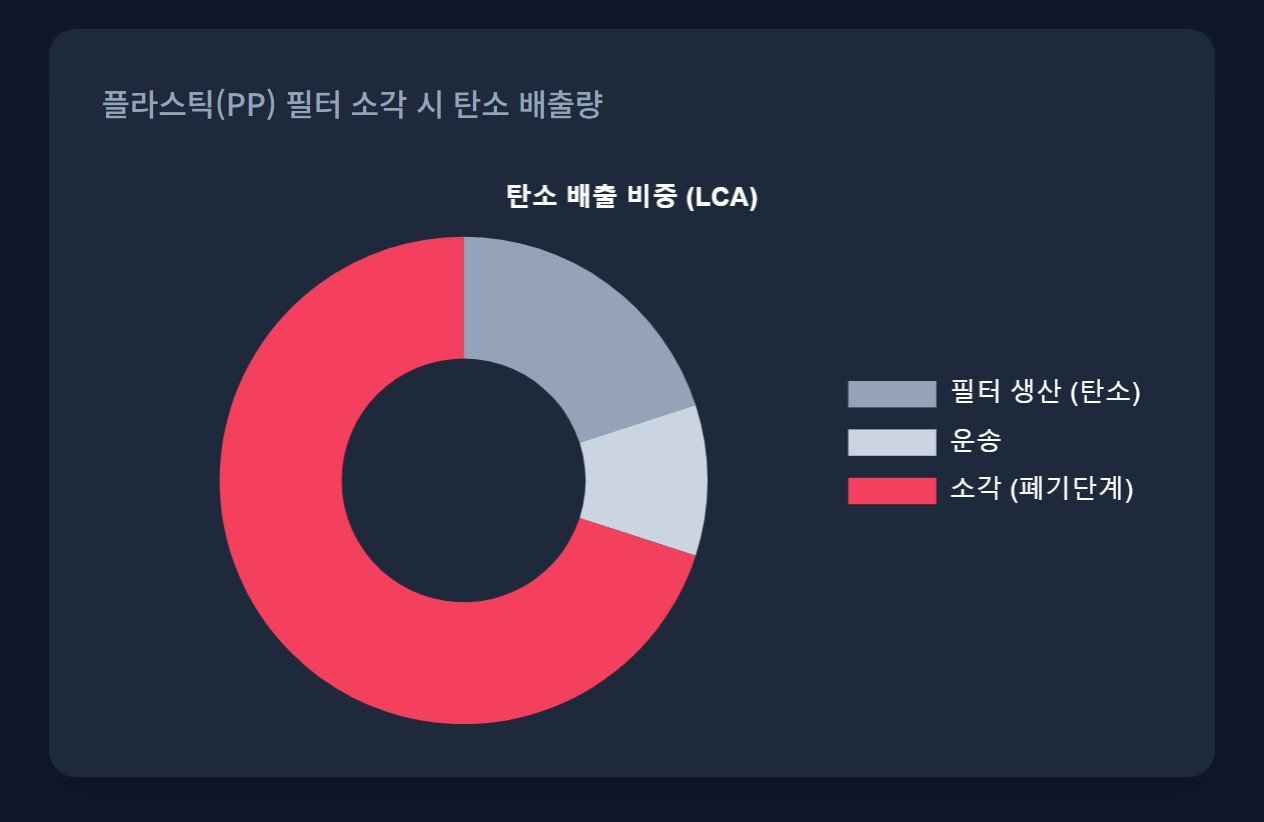
Nonwoven filters containing hazardous substances cannot be recycled / Source=EcoFilter Analysis Report
PP and PET, the main raw materials of nonwoven filters, are petrochemical products and emit large amounts of carbon from the production stage. According to research by climate tech company CarbonCloud, producing 1kg of PP resin generates approximately 4.77kg of CO₂ equivalent.
Scientific research papers have also addressed the possibility that filters, which are supposed to purify air during use, can instead become a source of microplastics. In simulation experiments, nonwoven filters exposed to high air flow and vibration began to weaken after about 35–42 days of use, with fiber particles dispersing into the air as microplastics. When aged filters are used, the number of microplastics inhaled by a person was estimated to reach up to 44 particles per day per kilogram of body weight.
The environmental cost incurred at the disposal stage is the greatest. Filters saturated with hazardous substances cannot be recycled and are mostly incinerated or landfilled. Incinerating 1 ton of plastic filters generates about 3 tons of CO₂, more than twice that of paper (about 1.4 tons of CO₂ per ton incinerated). Group 1 carcinogens are also generated in the incineration process. According to research from MIT, in the case of landfilling, complete decomposition takes hundreds to thousands of years, and the microplastic leachate generated in this process contaminates groundwater, creating a vicious cycle.
Why metal filters are emerging as an alternative
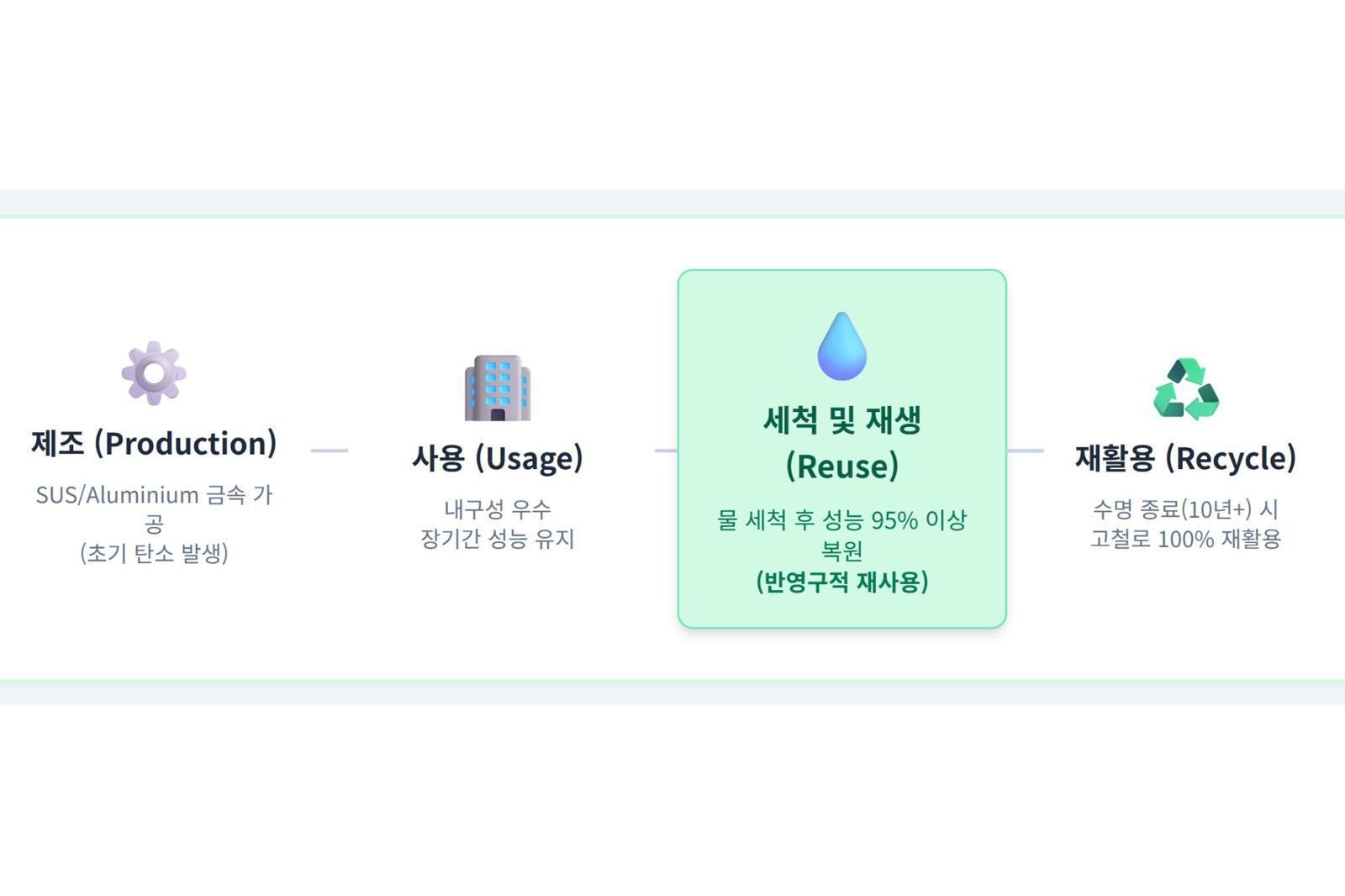
Washable metal filters can be reused / Source=ProductTech
Washable metal filters are emerging as an alternative to nonwoven filters. Metal filters, made by laminating aluminum or stainless-steel mesh, used to be limited by the fact that they could only capture relatively large dust particles compared with nonwoven filters. Recently, however, by combining electrostatic capture technology, they have begun to serve as pre- and medium-filters in commercial buildings. Their resistance to deformation even in extreme high-temperature and high-humidity environments is also a major strength.
Although the initial carbon emissions from manufacturing metal filters are about five times higher than those of nonwoven filters, the cumulative emissions reverse after about 6 months to 1 year of use. From a life cycle assessment (LCA) perspective, they are far more environmentally friendly in the long term. They also offer advantages in terms of energy efficiency.
In HVAC (heating, ventilation, and air conditioning) systems, which account for about 40–60% of total building energy use, roughly one-third is consumed by fan power to circulate air. At this point, the initial pressure loss (air resistance) of metal filters is about half that of nonwoven filters, helping reduce energy consumption for fan operation. Moreover, unlike nonwoven filters—whose resistance increases as dust accumulates, driving up power consumption—metal filters can restore performance through washing, reducing annual power consumption by approximately 10–20%.
In commercial facilities, the replacement cycle for nonwoven filters is typically 3–6 months, and less than one month in highly contaminated environments such as industrial sites or hospitals, whereas metal filters generally have a product life span of 5–10 years. Over this lifetime, they can replace approximately 18,000 nonwoven filters that would otherwise become waste. After reaching end of life, they can be 100% recycled as scrap metal resources.
ProductTech, innovating the environment with metal filters
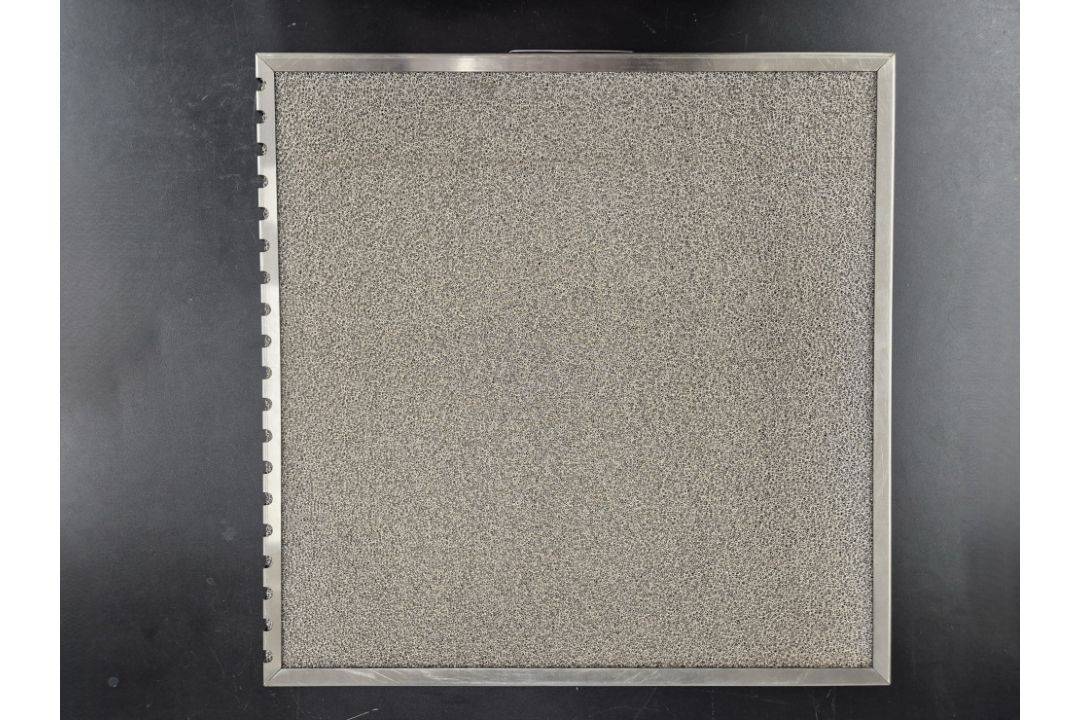
Metal filters from ProductTech / Source=ProductTech
“ProductTech” is an environmental startup developing reusable eco-friendly metal inorganic mineral composite filters. The company is particularly recognized for overcoming, with proprietary technology, the filtration efficiency issues that have been cited as a limitation of existing metal filters. Park Jae-min, CEO of ProductTech, said, “Although the pores are larger than those of nonwoven filters, metal filters are conductive, which makes it advantageous to impart strong electrostatic performance,” adding, “By coating them with a specially developed ceramic composite material and applying a principle that attracts fine dust like a magnet, we have achieved high collection efficiency with low power consumption.” This coating remains semi-permanent even after washing and also suppresses odor and bacterial growth.
ProductTech’s metal filters currently achieve a dust collection efficiency of up to 95%, a level that can be directly applied to large HVAC systems in industrial facilities, subways, public institutions, and multi-use facilities. Based on this, ProductTech has been conducting a demonstration project in cooperation with the Chungbuk Pro Maker Center since August last year. The company has also built an “air quality monitoring SaaS solution (PEK solution)” that quantifies filter performance in real time, securing empirical data on actual air quality improvement.
Next year, ProductTech plans to enter the B2C air purification market / Source=Shutterstock
Furthermore, the company is preparing to enter the B2C market next year. CEO Park stated, “We aim to solve both the inconvenience of replacing air purifier filters and the problem of environmental pollution,” and added, “We are accelerating refinement efforts to achieve HEPA-grade 99.97% efficiency.” He went on to emphasize, “The metal filter solution will be the most realistic alternative that simultaneously addresses carbon neutrality, microplastic prevention, and economic rationality.”
Metal filters reorganize the entire value chain of air purification in a sustainable way. Disposable nonwoven filters leave behind a massive carbon footprint and microplastic issues throughout their whole life cycle, from manufacturing to disposal. In an era when the climate crisis is being felt in daily life, there is an urgent need to break away from the fixed notion that filters are consumables. To break the vicious cycle of generating waste in the name of clean air, it is now time to start by changing the filters.
IT Donga reporter Kim Yeji (yj@itdonga.com)
ⓒ dongA.com. All rights reserved. Reproduction, redistribution, or use for AI training prohibited.
Popular News