[ITDonga x Korea University] Korea University operates the ‘Crimson Startup Support Group’, a startup founding and incubation organization under the direct supervision of the Vice President for Research. Together with the Crimson Startup Support Group, it introduces promising startups affiliated with Korea University that seek growth, change, and innovation.
This is an era in which artificial intelligence (AI) is reshaping the industrial landscape. Numerous companies are pursuing AI transformation (AX, AI Transformation) in their own ways by adopting cloud-based solutions. However, many organizations struggle to keep pace with the speed of change. The defense, public sector, and financial industries are representative examples. These organizations handle sensitive data that is crucial to national security and can determine the fate of enterprises. As such, they cannot store core information on external networks. In this environment, cloud-based AI services are not a viable option from the outset.
The public, defense, and financial industries, which handle sensitive data, have chosen to build internal networks to deploy AI. This corresponds to an on-premise approach, in which an AI environment is established within the organization’s own data center. The problem is that building AI models on an internal network is difficult. There are many variables to consider, such as AI model selection and data training scope, and the technological barriers to entry are high.
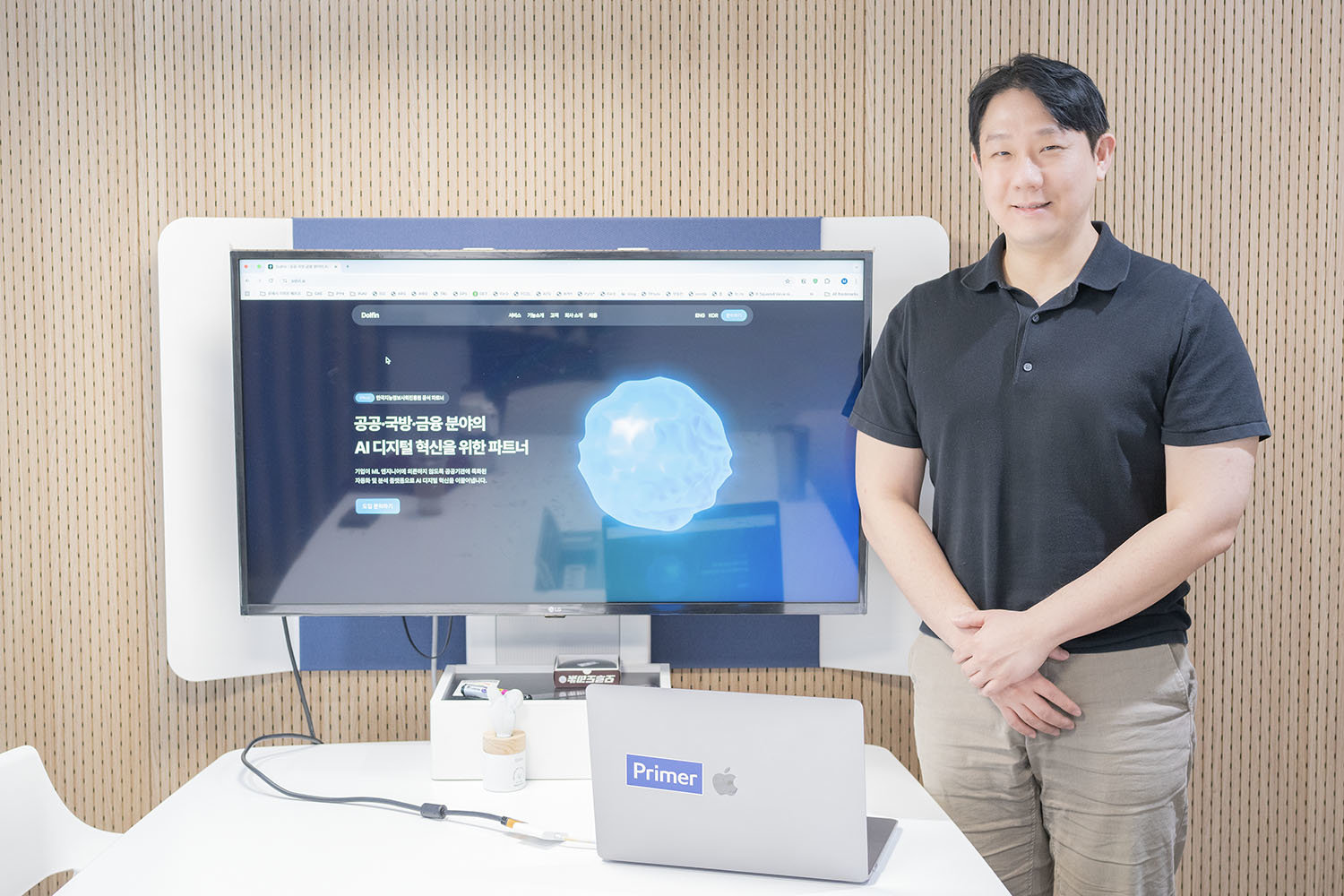
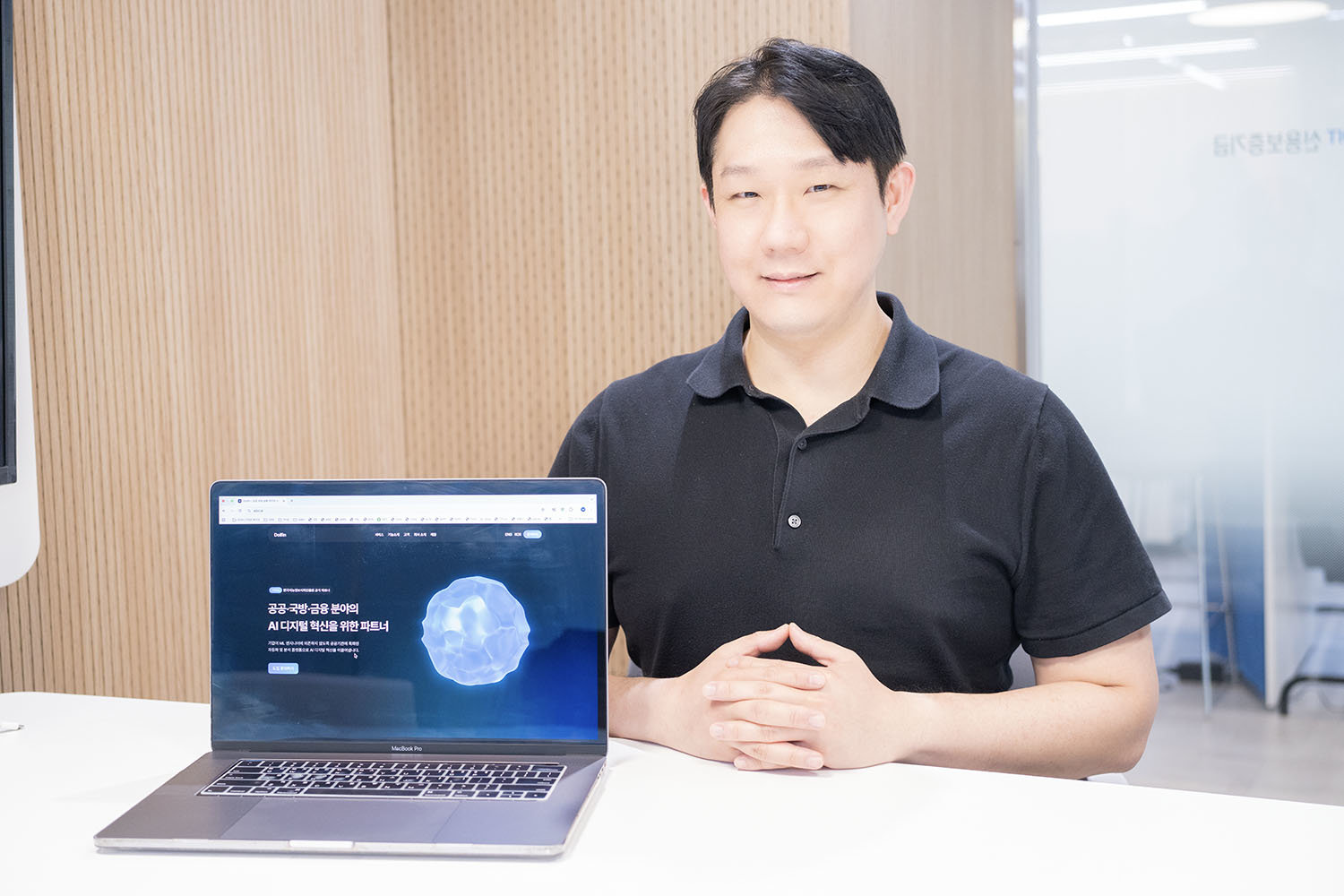
Han Min-seong, CEO of Advisor Lauren / Source=ITDonga
Is it possible to completely block the risk of data leakage at the source while still introducing AI agents capable of making expert-level judgments? One startup has proposed a solution to this question: Advisor Lauren, an on-premise AI solution company that supports AI transformation in the public, defense, and financial sectors.
Seeking to prepare for AI’s evolution after ChatGPT 3.0Han Min-seong, CEO of Advisor Lauren, built his experience in AI through machine learning research at the Agency for Defense Development and by working on data-driven decision-making processes at Kiwoom Securities. Believing in the potential of AI to change the world, he began preparing to launch his own company. He cites the emergence of ChatGPT 3.0 as the moment when he sensed a massive wave of change and decided to found the startup.
He forecast that an era of agents—systems that perform tasks in place of humans—would naturally arrive. He believed that real added value would emerge only by properly building agents that understand business context and make autonomous decisions. This led him to focus not on general-purpose AI, but on the on-premise AI infrastructure market, where organizations possess their own unique data.
“There are many agent services that write emails, manage calendars, and so on. However, I do not believe those functions create enough added value to justify a monthly subscription fee. Agents that operate on a company’s proprietary data—that is what I consider truly valuable services.”
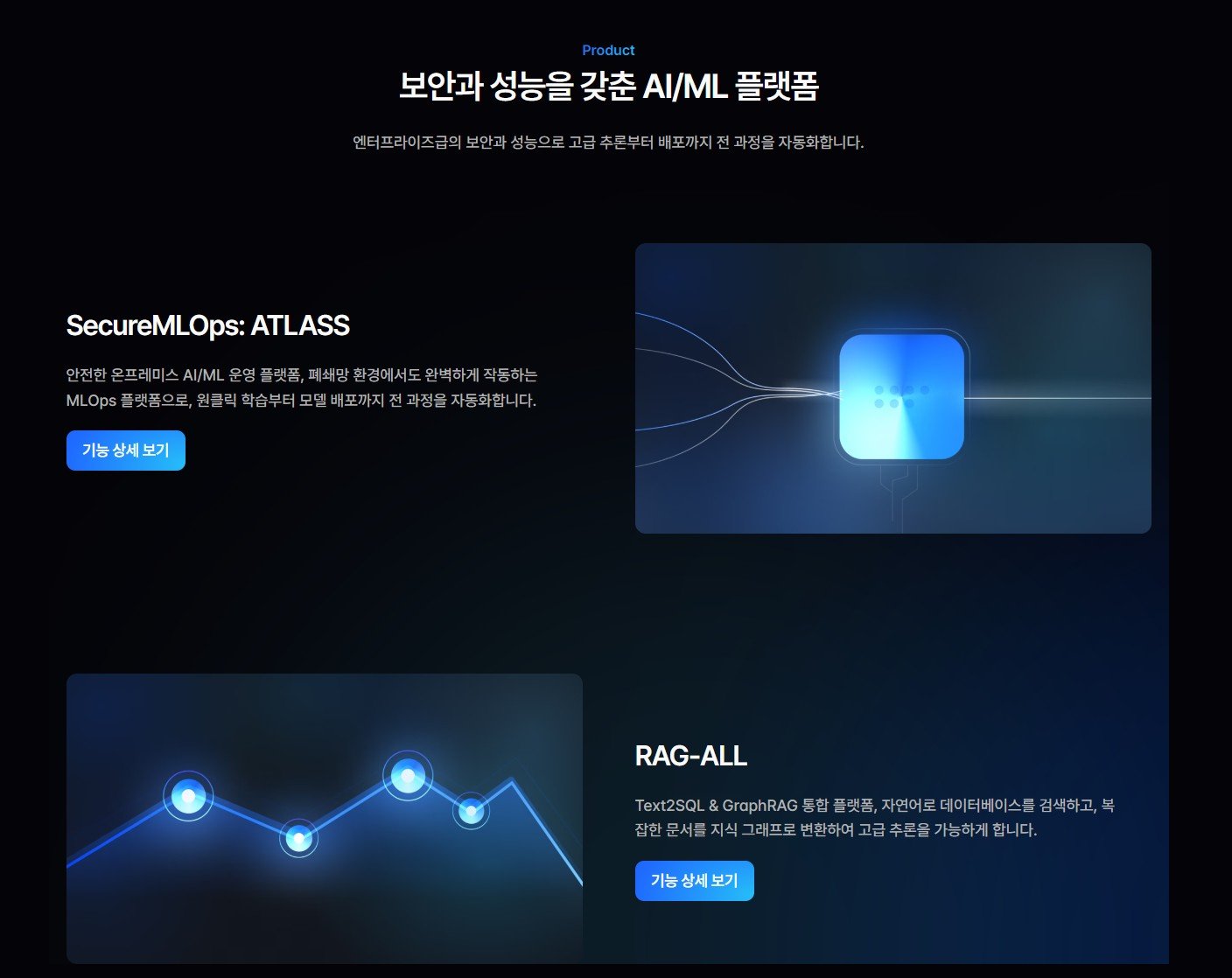
Advisor Lauren supports the construction of on-premise AI infrastructure / Source=Advisor Lauren
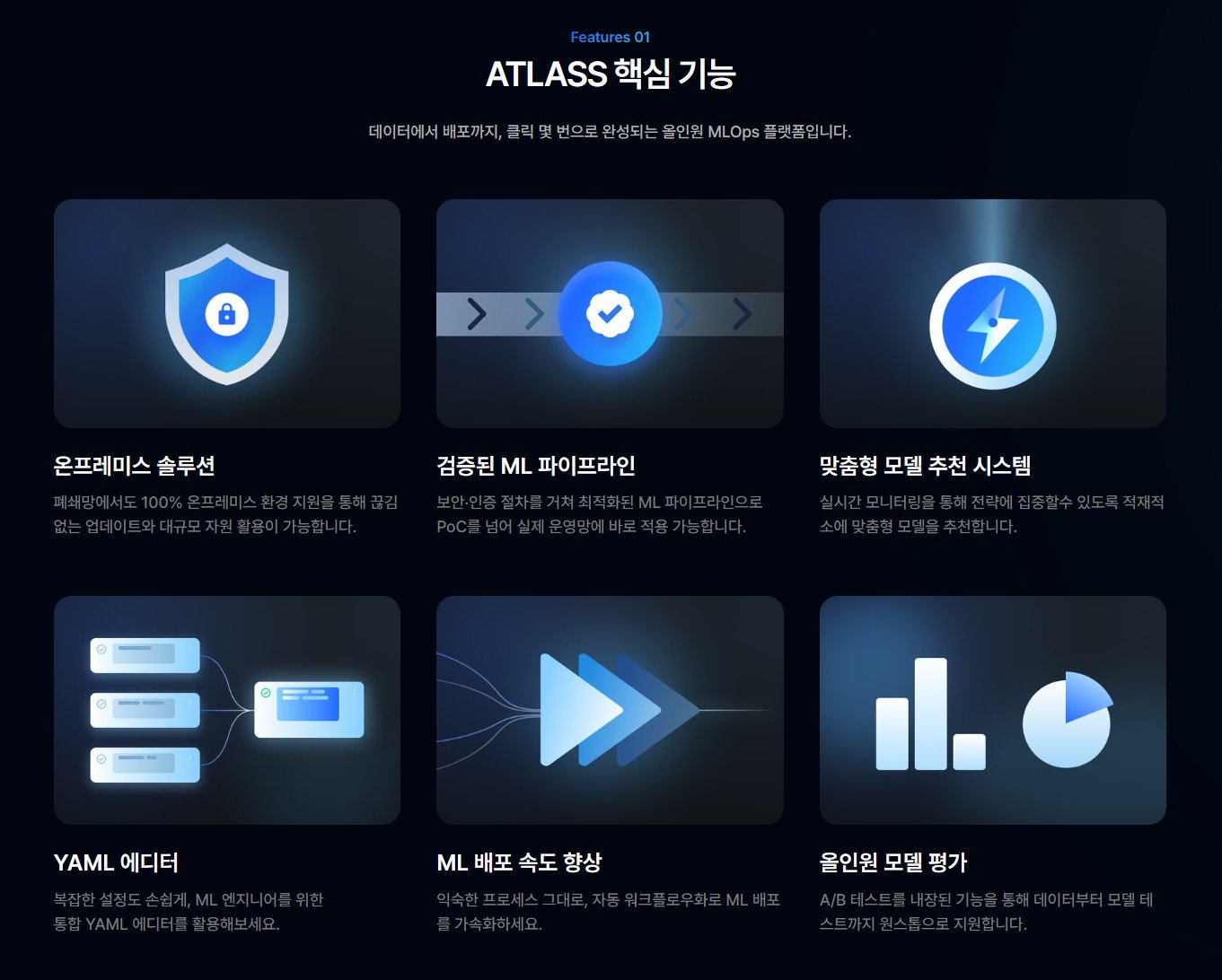
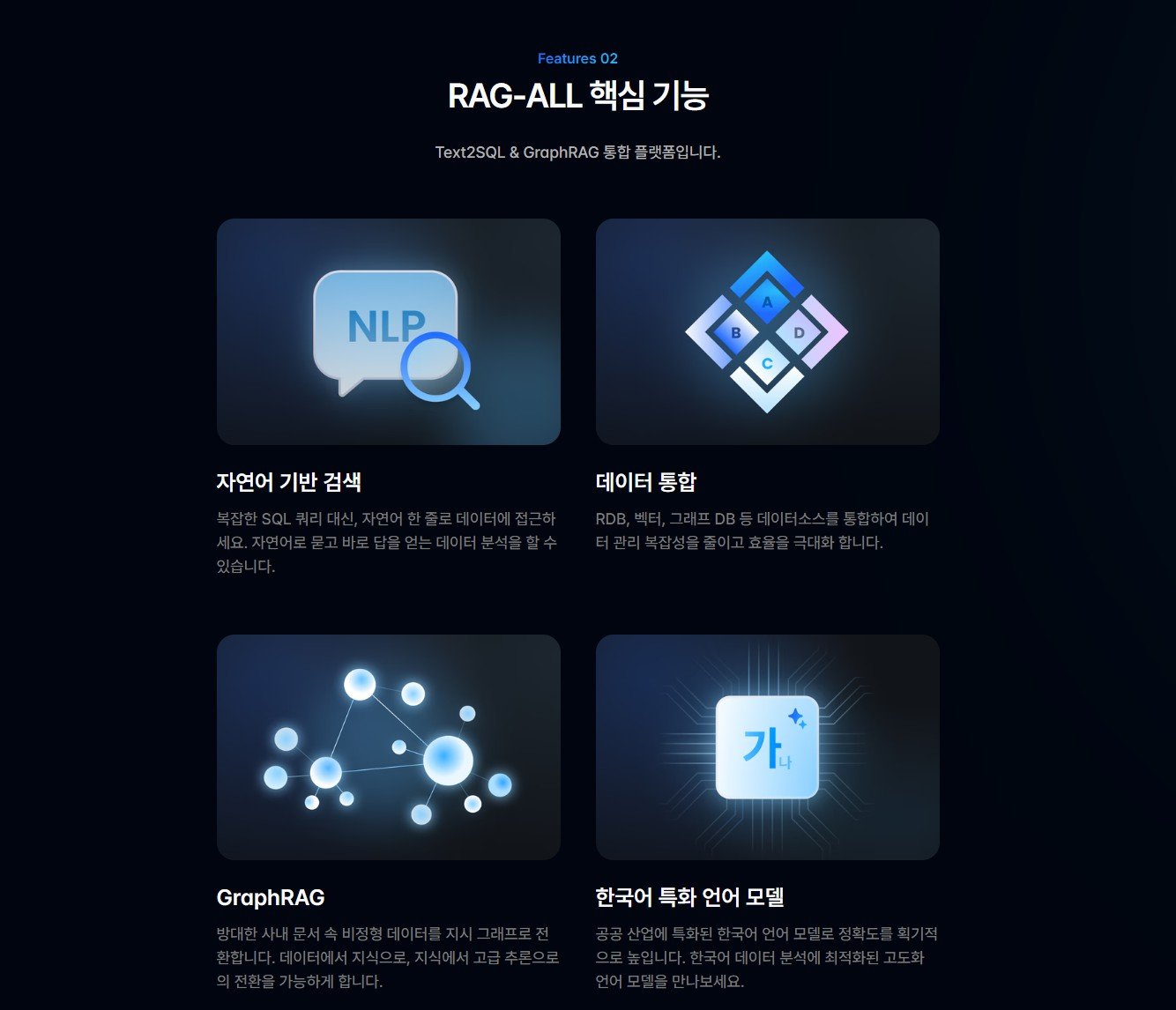
Advisor Lauren is founded on the belief that even the most advanced AI model is meaningless if it cannot be used in the field. The company therefore concluded that simply installing an open-source LLM is not enough. General-purpose AI models are designed for the mass market and cannot fully perform the unique tasks of a particular company. Seeing this as an opportunity, Advisor Lauren focused on redesigning next-generation core technologies—such as VLMs (Vision-Language Models), Text2SQL (natural language-to-SQL conversion), GraphRAG (knowledge graph-based retrieval-augmented generation), and Secure MLOps (a platform for maintaining and managing AI model performance)—to align with customers’ business structures within their on-premise infrastructure.
AI that understands and executes in the fieldAdvisor Lauren’s competitive edge lies in its capabilities in infrastructure construction and AI integration. While many AI companies pursue the software-as-a-service (SaaS) model, Advisor Lauren has chosen vertical expansion. It both securely protects customers’ proprietary data and builds ‘ontologies’—highly granular manuals that break down work units so precisely that AI can understand them.
A representative case is a wind turbine defect detection project carried out with Korea Southern Power Co., Ltd. Korea Southern Power, a public corporation spun off from Korea Electric Power Corporation in 2001, is responsible for 6% to 9% of South Korea’s total power generation. Until now, the company had workers take photographs of wind turbine blades and determine defects through visual inspection, but the bottleneck was worker proficiency.
To identify wind turbine defects with more than 90% accuracy, a senior worker with about five to seven years of experience typically must be deployed, as the work is highly complex. If this task is assigned to general-purpose AI services such as ChatGPT or Claude, the accuracy rate remains at only about 50% to 60%, due to the lack of task-specific training.
To improve service accuracy, Advisor Lauren directly secured 75,000 defect images. It then hired 30 personnel, trained them in domain knowledge (ontology), and had them label the data using consistent standards. After performing cross-validation, the company obtained data quality certification. As a result, it achieved an accuracy rate of 83%, surpassing that of a first-year worker, and internally completed a highly advanced agent model with performance approaching 90%. This model obtained Class A certification (accuracy of 99.7% or higher) from the international certification body Wisestone.
Advisor Lauren focuses on building AI suited to customers’ operational environments / Source=Advisor Lauren
“We do not stop at feeding data into an AI model. We take responsibility for the entire process, from analyzing customers’ workflows, to planning, refining, and annotating (labeling) the required data, to training and deployment,” CEO Han emphasized. This solution, which runs on Korea Southern Power’s internal AI infrastructure, is a result that showcases Advisor Lauren’s persistence and engineering capabilities.
Advisor Lauren’s efforts go beyond software. The company is evolving into the realm of physical AI, which performs actions in the physical environment. It is developing a system that uses drones to autonomously detect internal and external defects in generators through autonomous flight, and to independently approach and capture close-up images when it detects anomalies.
In addition to the Korea Southern Power project, the company has worked with Woori Bank to structure financial data based on ontologies. When users access the investment information section in the Woori Bank app, they see financial data services provided by Advisor Lauren.
The company’s model for supporting AI transformation in data-sensitive public, defense, and financial sectors is reminiscent of U.S. data technology company Palantir. CEO Han also explained that its approach—where field engineers learn customers’ workflows directly and then convert them into automated, agent-based structures—is similar to that of Palantir.
Advisor Lauren’s AI agents operate with a focus on the field / Source=Advisor Lauren
Starting in 2026, Advisor Lauren has been concretizing a ‘two-person FDE (Forward Deployed Engineer)’ model. Under this structure, an AI engineer and a business expert form a team and are deployed directly to the customer site. Rather than simply selling technology, the company participates in the entire process from defining the customer’s problem to designing the AI solution. In effect, it is an AI system integration model that builds agents tailored to corporate work environments. This move reflects the company’s philosophy of focusing on real-world use and problem-solving, rather than becoming preoccupied with prototype demonstrations or technology showmanship.
Securing AI talent and expanding into global markets remain challengesAlthough Advisor Lauren has entered the rapidly changing AI market, it still faces hurdles. CEO Han cited the need to secure top-tier AI talent and expand into global markets as its key challenges.
“In the public, defense, and financial industries, coding skills alone are not enough. They require hybrid talent that understands data sensitivity and can simultaneously view industrial structures and stringent security requirements. It is also a concern that we must accelerate our expansion into the Middle East and Southeast Asia, where AX demand is rapidly increasing.”
Advisor Lauren plans to address these issues through the influx of overseas talent and technological advancement. It has signed a memorandum of understanding with Gadjah Mada University (UGM) in Indonesia. Through this agreement, the company aims to secure local AI talent in advance and establish a bridgehead for expansion into the Southeast Asian market.
The company is pursuing technological advancement through government support programs. It is enhancing the sophistication of its VLM and GraphRAG technologies via projects such as the hyper-scale AI data construction initiative of the National Information Society Agency (NIA) under the Ministry of Science and ICT, and the high-performance computing (NPU) support program of the National IT Industry Promotion Agency (NIPA).
Aiming to become infrastructure that protects Korea’s data security and industrial futureAdvisor Lauren has achieved various results, including presenting papers at the Korea Institute of Military Science and Technology, ranking first in the comprehensive evaluation of the NIA hyper-scale AI data construction project, receiving an Excellence Award in the D-Testbed program of the Korea Credit Information Services, and earning high marks in NIPA’s high-performance computing support project. The company has also demonstrated its capabilities by successfully building the infrastructure for a major financial platform service with 8 million monthly active users (MAU).
Behind the expansion of Advisor Lauren’s on-premise AI infrastructure business was support from Korea University’s Crimson Startup Support Group through its initial startup package program. Advisor Lauren received consultations on securing intellectual property rights and advancing overseas. It was also given the opportunity to participate in GITEX, an information and communication technology exhibition held annually in Dubai, where it drew attention by showcasing its drone vision AI model and GraphRAG technology.
“For an early-stage startup that must achieve both technology development and commercialization, the comprehensive support from Korea University’s Crimson Startup Support Group—including investor networking and participation in global exhibitions—has served as a growth engine for Advisor Lauren’s qualitative and quantitative development,” CEO Han explained.
Han Min-seong, CEO of Advisor Lauren / Source=ITDonga
“In the United States, AI is still optional, but in Korea, it has become essential. As the baby boomer generation fully enters retirement, a shortage of skilled workers will be inevitable. Just as India and China rapidly transitioned to mobile environments, Korea must accelerate AI transformation to fill this skills gap. Advisor Lauren aims to grow into a company that enables AI to operate in the deepest and most sensitive frontlines of Korea’s public, defense, and financial sectors—without any data leakage.”
Advisor Lauren envisions a world in which AI is stably deployed at the most critical sites, even if they do not attract public attention. CEO Han believes that the next competitive arena in AI will be the field itself, rather than the model, and plans to further solidify a structure that integrates the entire process—from defining customer problems to AI design and deployment.
ITDonga reporter Kang Hyeong-seok (redbk@itdonga.com)
ⓒ dongA.com. All rights reserved. Reproduction, redistribution, or use for AI training prohibited.
Popular News