Seoul National University of Science and Technology Technology Holdings is enhancing its subsidiaries’ technology commercialization and market competitiveness through the BRIDGE 3.0 program. IT Donga introduces the technological capabilities, commercialization achievements, and entrepreneurship of technology-holding subsidiaries that are growing with this support.
Responses to incidents such as serious industrial accidents, urban flooding, and everyday crime have long remained focused on “post-incident response.” Recently, however, advances in artificial intelligence (AI) technology have led to the emergence of “proactive safety systems” as a new alternative, enabling real-time detection of incidents and prediction of situations to avoid risks. In particular, in urban environments where CCTV infrastructure is already widely deployed, computer vision technologies that utilize video data are rapidly spreading. As a result, monitoring systems that previously only performed simple surveillance can now be transformed into AI-based proactive safety systems.
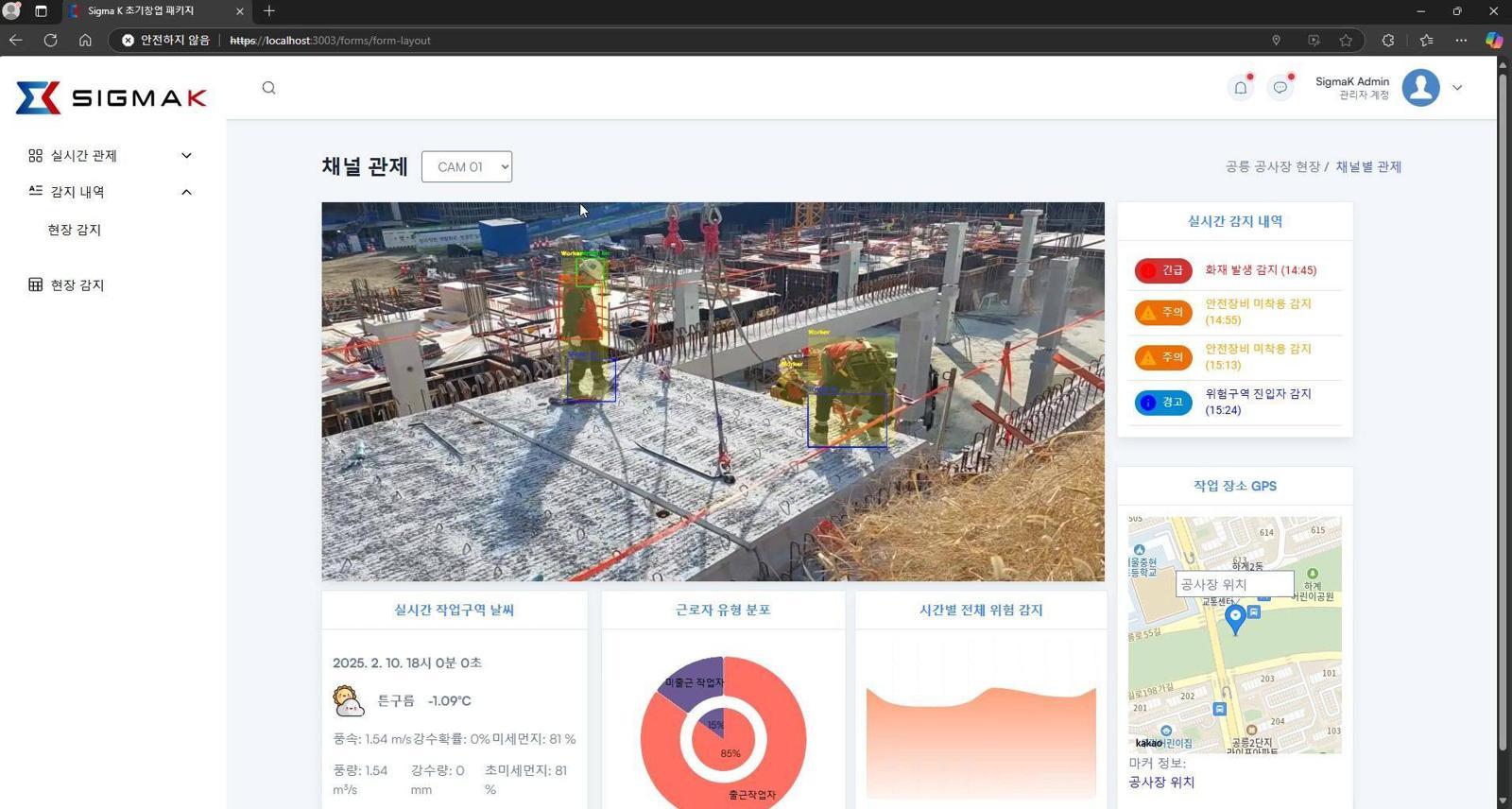
SigmaK solution monitoring a construction site / Source=SigmaK
Amid this trend, SigmaK, which participates in the Bridge 3.0 program, is targeting the fields of industrial safety and urban disaster response using AI computer vision technology. CEO Park Gu-man, a professor in the Department of Smart ICT Convergence at Seoul National University of Science and Technology, is applying his research achievements in AI-based computer vision technology to disaster response. The BRIDGE 3.0 program is the Ministry of Education’s “University Creative Assets Utilization Support Program,” aimed at promoting technology transfer and commercialization by linking university research outcomes with industry.
From not wearing safety gear to river flooding…detecting risks through videoSigmaK has developed an AI solution that detects risk factors by analyzing situations in CCTV footage. When SigmaK’s AI solution is applied to construction sites, it can automatically check whether workers are wearing safety helmets and safety belts, detect falls or abnormal behavior, and alert the control center.
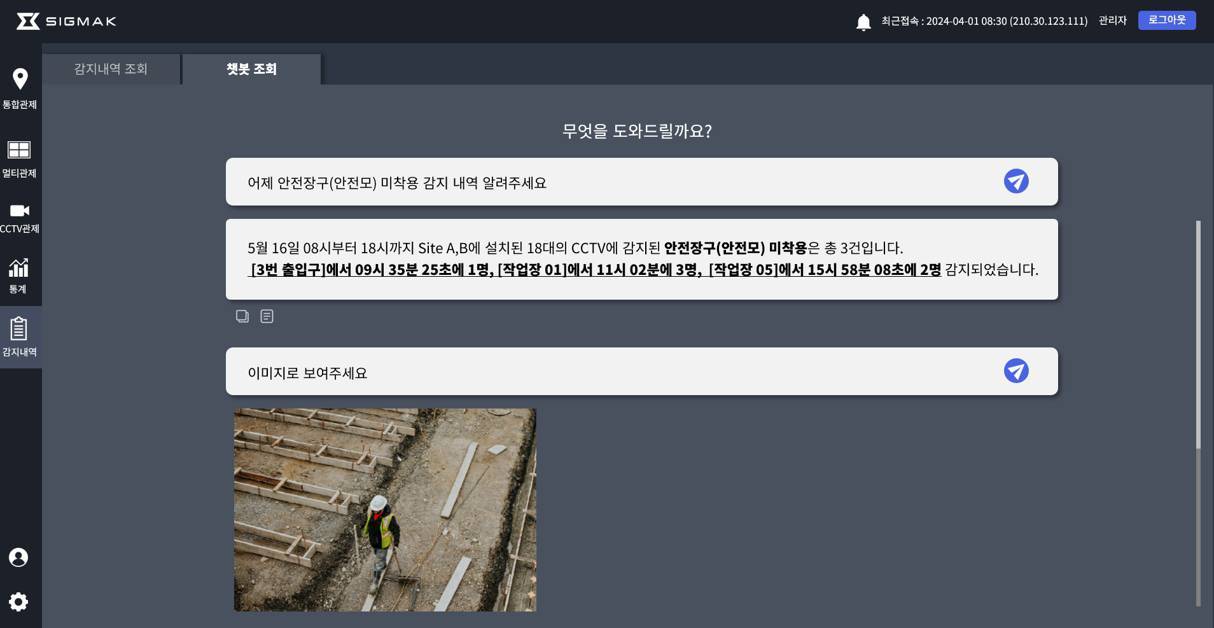
SigmaK solution providing natural language Q&A via an AI chatbot / Source=SigmaK
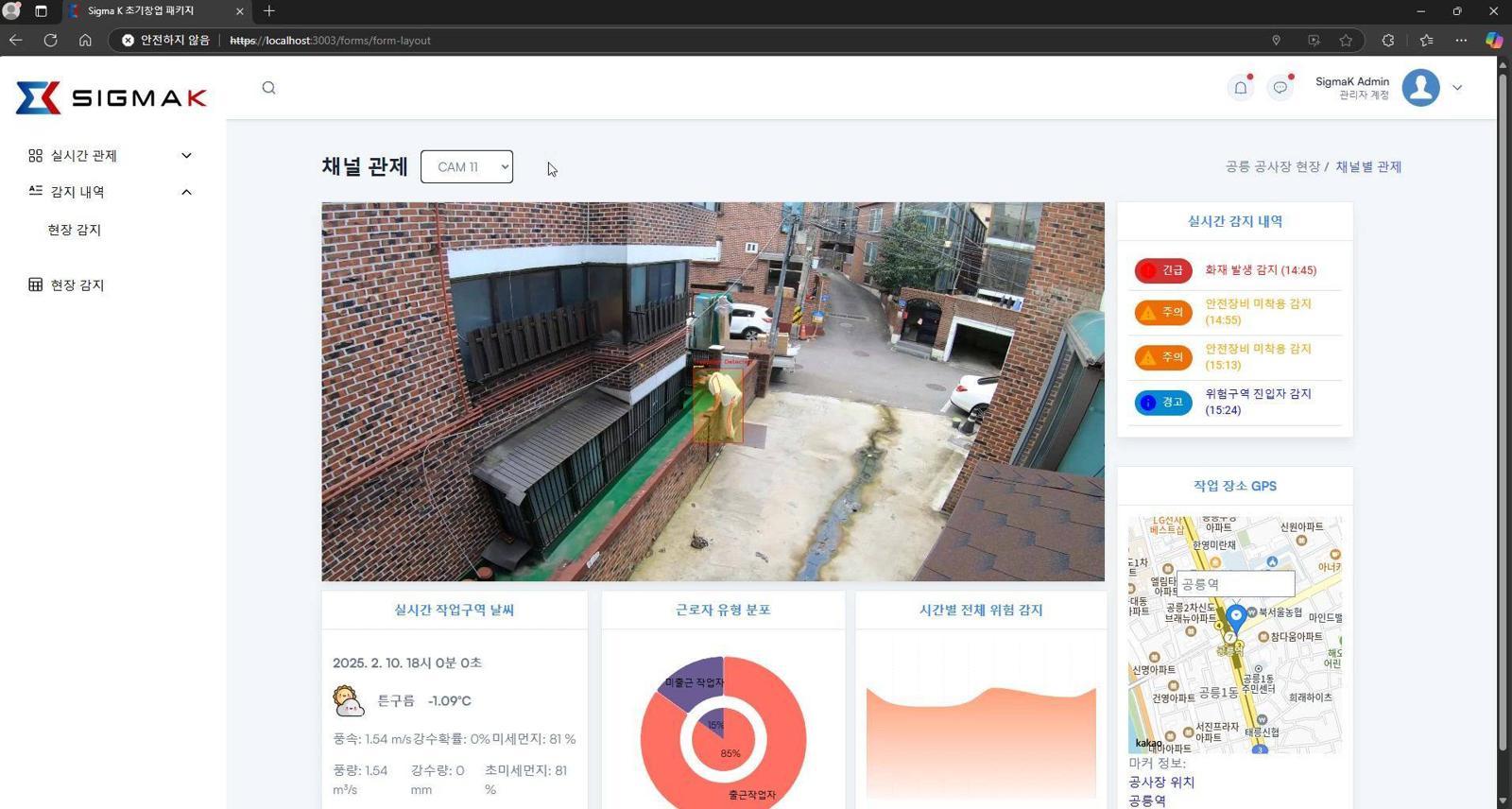
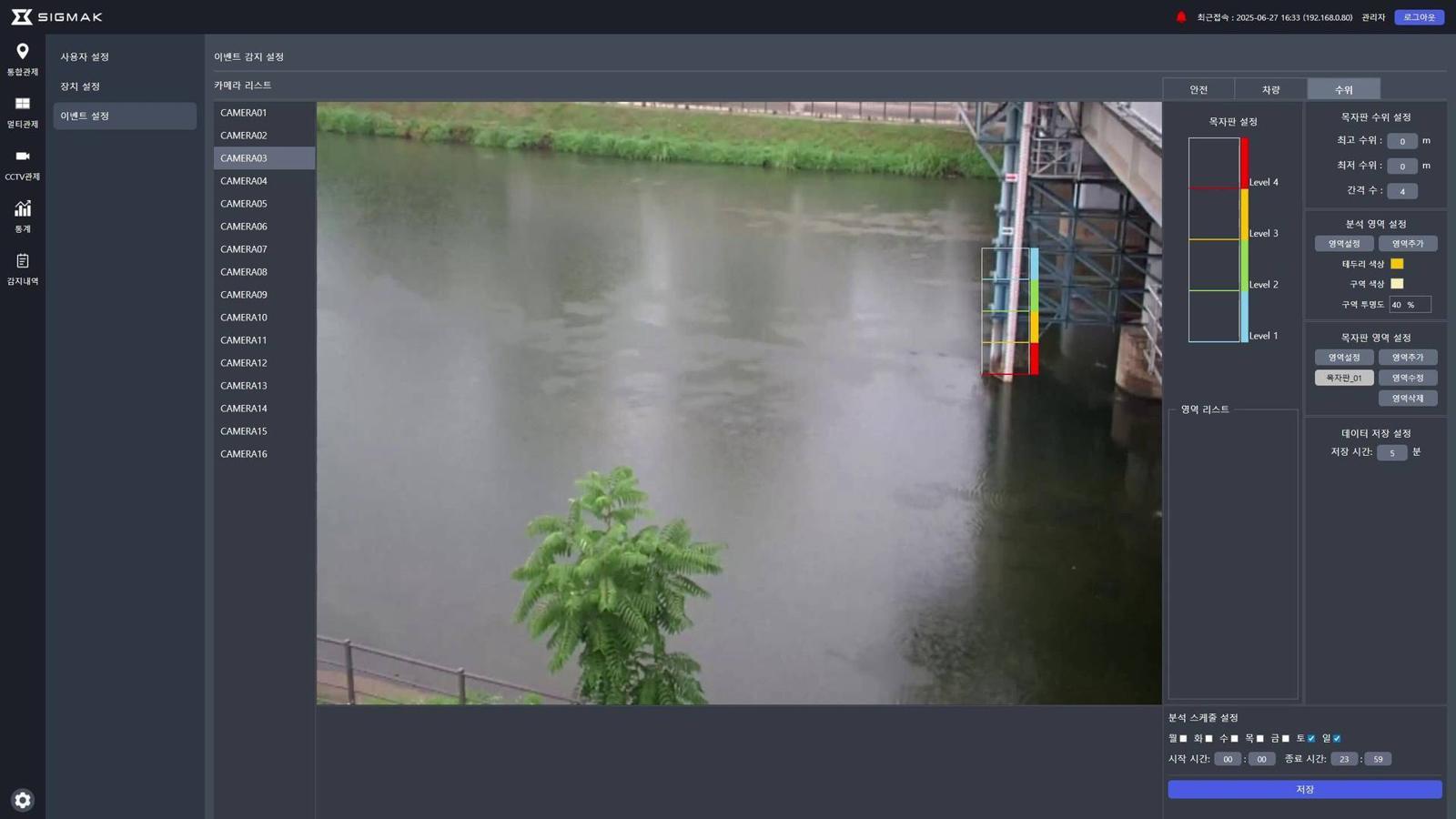
It analyzes CCTV footage installed along rivers in real time to detect changes in water level and flooding risks. In alleyway footage, it detects abnormal behavior such as climbing over walls, supporting crime prevention and policing. The key is to improve the efficiency of safety management by adding AI technology that can understand situations in video, while making full use of the existing CCTV infrastructure.
SigmaK solution detecting abnormal behavior of climbing over a wall / Source=SigmaK
Combining LLM, VLM, and RAG…“Going beyond risk detection to proposing response methods”Recent advances in video analysis technology have shifted focus from simple recognition to “contextual understanding.”
SigmaK has developed a solution that integrates large language models (LLM), vision-language models (VLM), and retrieval-augmented generation (RAG) into its intelligent surveillance system. This enables the system not only to detect dangerous situations, but also to understand the context of each situation and propose appropriate response measures.
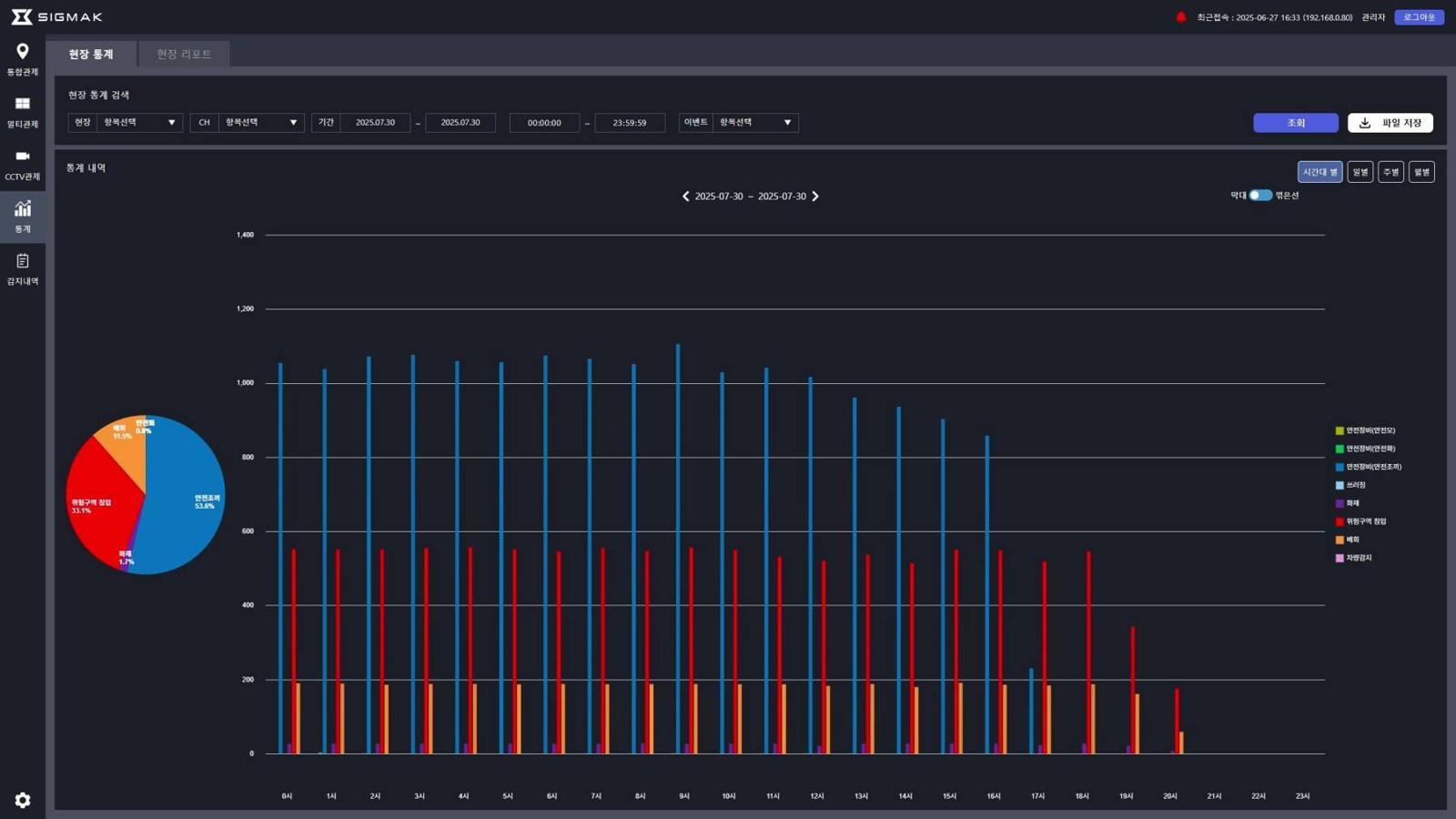
For example, when a river flooding risk is detected, instead of issuing a simple alert, the system evaluates the degree of risk within a spatiotemporal context based on pre-trained data and then guides evacuation routes and response procedures. Control center staff can converse with a chatbot in natural language to check event statistics and situational analyses.
SigmaK solution detecting river flooding risk / Source=SigmaK
SigmaK solution presenting event statistics / Source=SigmaK
This illustrates how AI technology is evolving from a “video verification tool” in traditional surveillance systems to a “decision-support system.”
Extending to generative video AI…entering the content production sectorBuilding on its computer vision technology, SigmaK is also expanding its business into the field of video generation.
Using generative AI models, it supports the production of content such as films, animations, and advertisements, and recently completed a project that automatically generates news CG by learning the style of a specific broadcaster. An animation produced using its proprietary solution has received awards, and the company has been selected for an AI content support program by the Korea Creative Content Agency.
This is an example of expanding technology initially focused on safety and surveillance into the content production domain, demonstrating the range of applications for computer vision technology.
Planning overseas expansion with a focus on developing countriesSigmaK plans to pursue overseas market expansion, focusing on developing countries and other regions where security and disaster-response infrastructure are insufficient. It aims to supply its solution to countries where CCTV-based monitoring is essential and to secure stable revenue through a subscription-based service model.
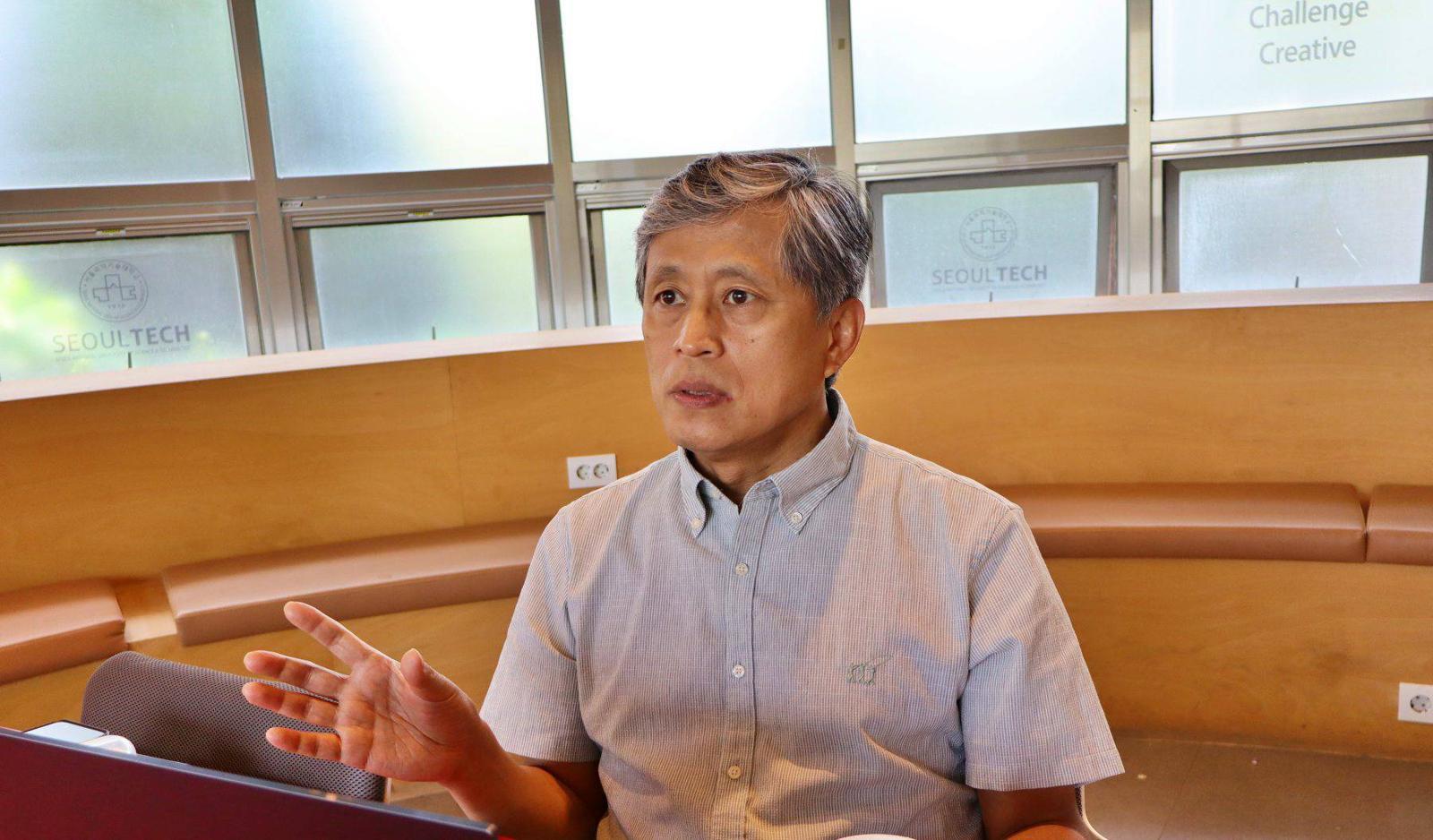
Park Gu-man, CEO of SigmaK / Source=IT Donga
Park Gu-man, CEO of SigmaK, said, “We will take contributing to solving social problems as our core value and grow into a global company,” adding, “As urban populations increase and climate change heightens disaster risks, AI-based video surveillance technology is becoming essential infrastructure rather than an optional choice. Systems that leverage existing CCTV while detecting incidents in advance and providing response guidance have great potential to spread not only in public safety, but also across industrial sites, smart cities, and traffic management. SigmaK will move beyond simple recognition to build core infrastructure that ensures the safety of cities and industries, led by computer vision technology.”
IT Donga reporter Kim Dong-jin (kdj@itdonga.com)
ⓒ dongA.com. All rights reserved. Reproduction, redistribution, or use for AI training prohibited.
Popular News