Artificial intelligence has had a very significant impact on industry. It solves problems once considered difficult or impossible at a stroke and creates new value that did not exist before. Beyond improving the efficiency of existing industries, its power lies in generating various derivative industries by converging with specific sectors. Healthcare AI startup LAZENCA AI has focused precisely on this area.
LAZENCA AI’s CEO, Lee Tae-joo, originally worked as a dentist. He is also an entrepreneur who founded a startup while in college and went through an exit. While working in the medical field, he encountered one of the longstanding issues in this area: “cash flow bottlenecks.”
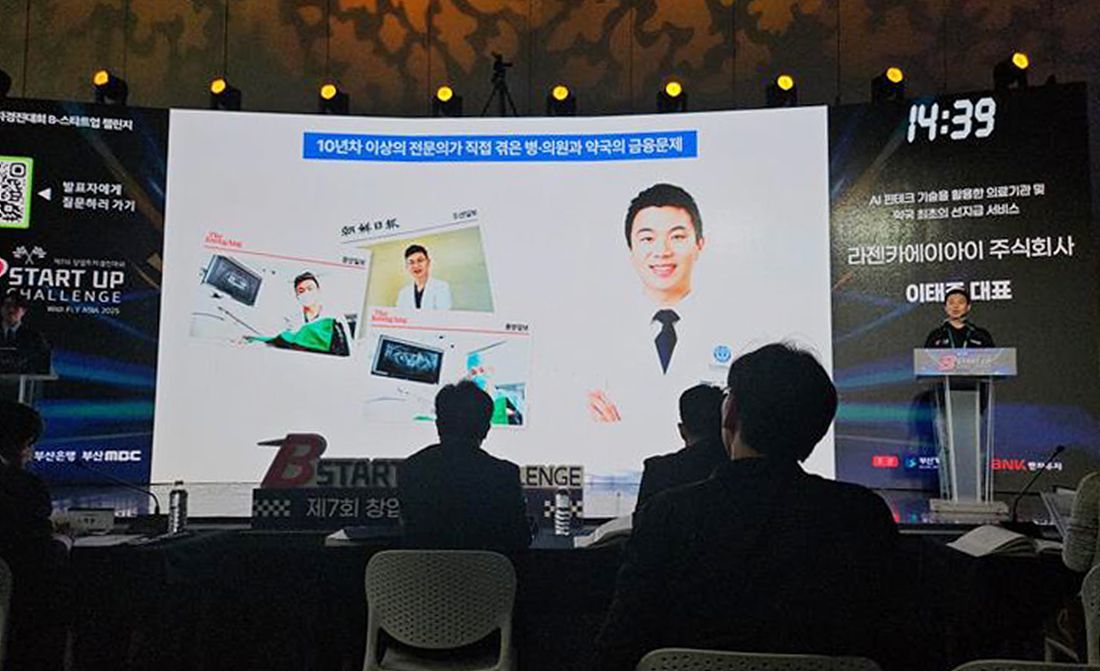
LAZENCA AI CEO Lee Tae-joo (speaker) introducing Medison / Source=LAZENCA AI
Hospitals, clinics, and pharmacies that treat patients and dispense medicines file claims for reimbursement to the National Health Insurance Service (NHIS). However, as these receivables are treated as claims, there is a time lag between filing and payment. During this period, hospitals, clinics, and pharmacies whose cash flow is blocked can find themselves in difficulty. In fact, there was a recent case where a shortage in the medical aid fund delayed the payment of medical aid treatment fees and drug costs that were supposed to be paid to hospitals, clinics, and pharmacies in the Seoul metropolitan area.
CEO Lee devised a structure in which reimbursement receivables are converted into bonds or securities, sold to banks, and the sale proceeds are immediately paid out to hospitals, clinics, and pharmacies. After proving the concept at small hospitals and pharmacies and judging that there was substantial growth potential, he founded LAZENCA AI and began to advance this structure.
CEO Lee analyzes the inconveniences of the medical field and designs services that reflect its needs. Developers who have long researched solutions in the financial sector and experts with extensive reimbursement claims experience in hospitals have joined LAZENCA AI as financial executives, bolstering the company. United by a shared vision to grow into a world-class healthcare company by leveraging data from the financial and medical/public health industries, they each applied their capabilities to build the platform service “Medison.”
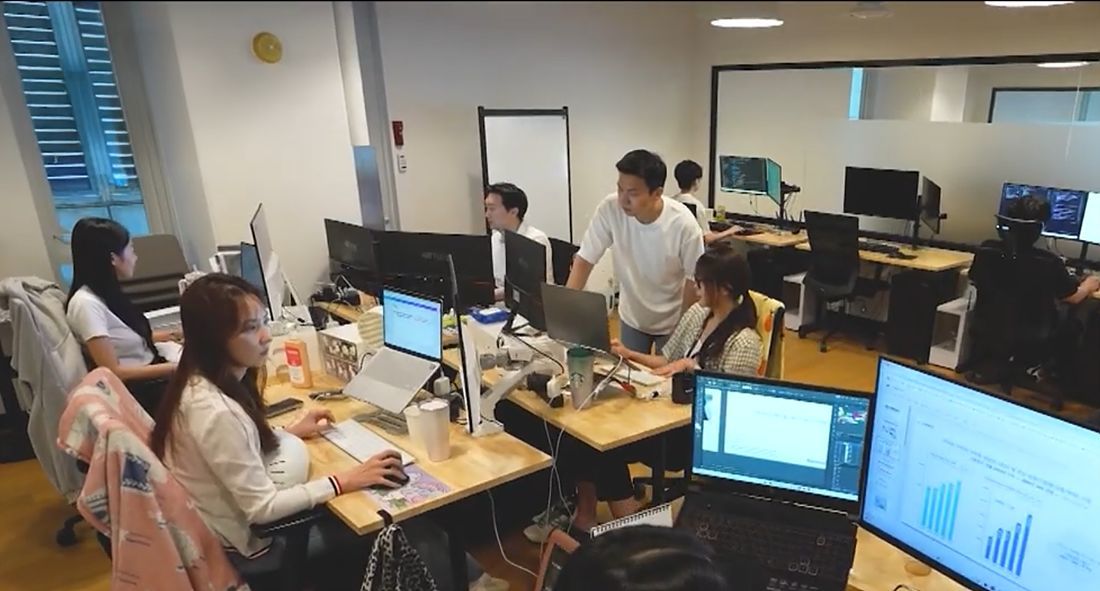
LAZENCA AI executives and staff during research / Source=LAZENCA AI
Hospitals, clinics, and pharmacies using Medison can receive reimbursement funds quickly and easily once they complete membership registration, apply for advance payment, and sign an electronic contract. This is because LAZENCA AI assigns their receivables to banks, obtains funds, and pays them out. As these are receivables, not loans, they do not affect the credit ratings of hospitals, clinics, and pharmacies, nor do they impact their eligibility when applying for other financial services.
The core of Medison is collaboration with banks. It aims to maximize the creditworthiness of hospitals, clinics, and pharmacies so that banks can be persuaded to purchase their bonds and securities. To this end, CEO Lee created a data- and AI-based credit assessment model. While documentation, screening, and collateral are important, the principle is to use non-financial data from hospitals, clinics, and pharmacies—such as visitor numbers, online traffic, and user ratings and review scores. Of course, conventional financial data are also used to enhance reliability.
Thanks to LAZENCA AI’s Medison, many hospitals, clinics, and pharmacies that needed emergency operating funds or struggled to secure new loans have overcome crises. CEO Lee stated that this is only the first step and projected that this market could account for about 10%, or KRW 12 trillion, of the KRW 120 trillion in reimbursement funds handled annually by the National Health Insurance Service.
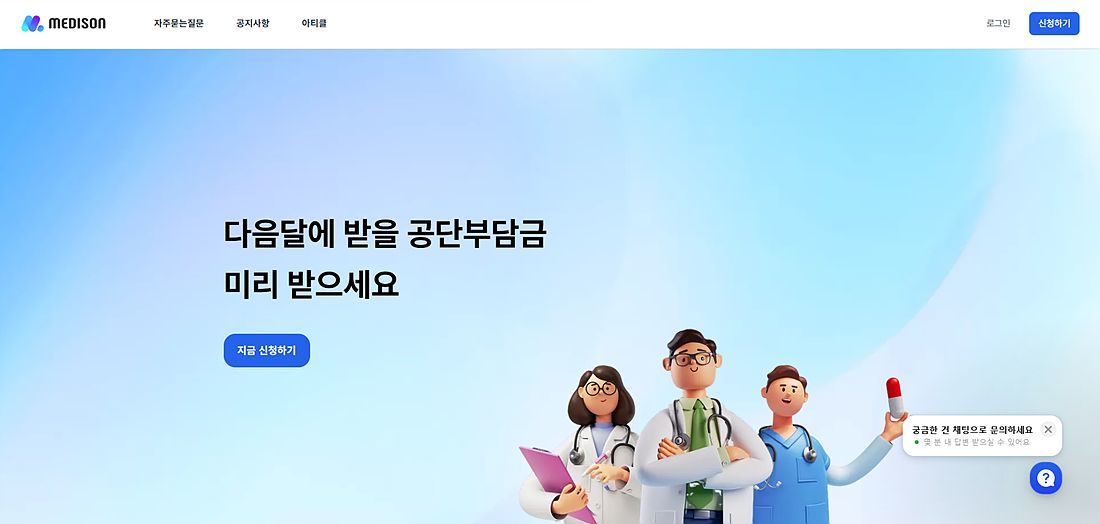
Photo of LAZENCA AI’s Medison / Source=LAZENCA AI
Responding effectively to market expectations and demands, LAZENCA AI has achieved a variety of results within just one year of its incorporation. By implementing the Early Startup Package program in partnership with Soonchunhyang University, it increased its contact points with the medical community. It has also stood out in startup support programs in the financial sector, including Shinhan Financial Group’s Shinhan Future’s Lab, BNK Busan Bank’s SUM Incubator, and KB Financial Group’s KB Starters. Recently, it was selected for the TIPS program, securing momentum to further advance Medison.
While expanding Medison’s scope of activity, CEO Lee identified further pain points, this time affecting small and medium-sized medical device manufacturers and pharmaceutical companies—another group of stakeholders in the medical industry after hospitals, clinics, and pharmacies. When it takes a long time for hospitals, clinics, and pharmacies to receive reimbursement funds from the NHIS, it naturally takes much longer for small and medium-sized medical device manufacturers and pharmaceutical companies to be paid for the products they supply. In severe cases, these payments were delayed for close to six months. As a result, many such companies issued bills of exchange for their supply receivables, accepting high interest rates to escape crisis situations.
LAZENCA AI plans to launch another platform in February this year, tentatively named “Medison Pay,” for small and medium-sized medical device manufacturers and pharmaceutical companies. The principle of Medison Pay is to enable pharmaceutical and supplying companies with accounts receivable to assign them to banks, and for banks to then recover the receivable amounts from medical institutions. Using this platform, which is similar to Medison, small and medium-sized medical device manufacturers and pharmaceutical companies will also be able to receive payments faster and more conveniently than before.
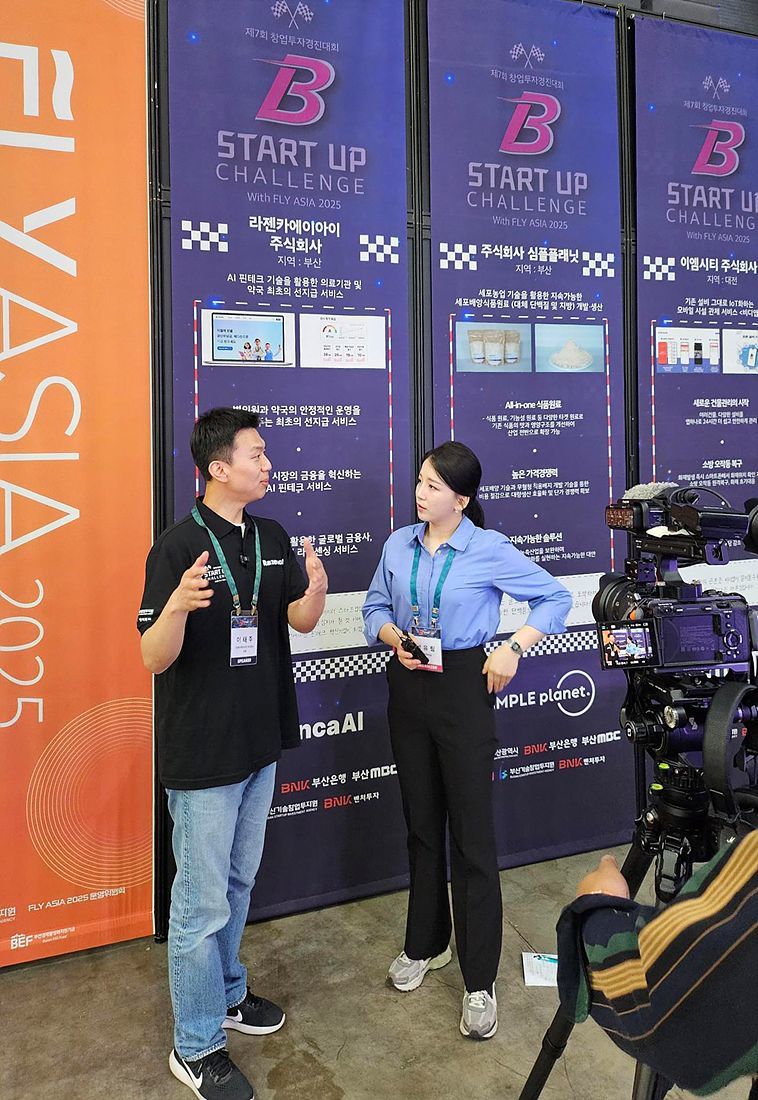
LAZENCA AI CEO Lee Tae-joo during an interview / Source=LAZENCA AI
Building on these achievements, CEO Lee is now facing core challenges head-on. LAZENCA AI’s challenge is to supply Medison to a greater number of, and larger, hospitals. Medison improves liquidity ratios and debt ratios on hospitals’ financial statements. CEO Lee emphasizes that if a university hospital that has adopted Medison can pay medical device manufacturers and pharmaceutical companies more quickly, this will work as a positive factor under ESG management evaluation standards, which value fair trade and shared growth. In fact, one university hospital that has recognized this advantage is in active discussions with LAZENCA AI.
Expanding the scope of collaboration with the financial sector is also a key challenge. To achieve this, LAZENCA AI is focusing on R&D into data that can more closely examine and accurately determine the creditworthiness of players in the medical industry, as well as AI technologies that can precisely analyze these data and translate them into tangible benefits. By leveraging these technologies, the company intends to broaden cooperation with the financial sector and generate more proof-of-concept cases and measurable results.
After completing this phase, CEO Lee plans to introduce Medison to the global market. His initial targets are Japan and Taiwan, which are geographically close to Korea and have large economies. Among them, partnerships with local players in Japan are already being established. The timeline for full-scale market entry has been set for the second half of this year. LAZENCA AI’s ultimate goal is to create a medical finance service highly regarded by healthcare stakeholders worldwide by combining its data collection, analysis, and AI development capabilities, honed in Korea, with experience gained in overseas markets.
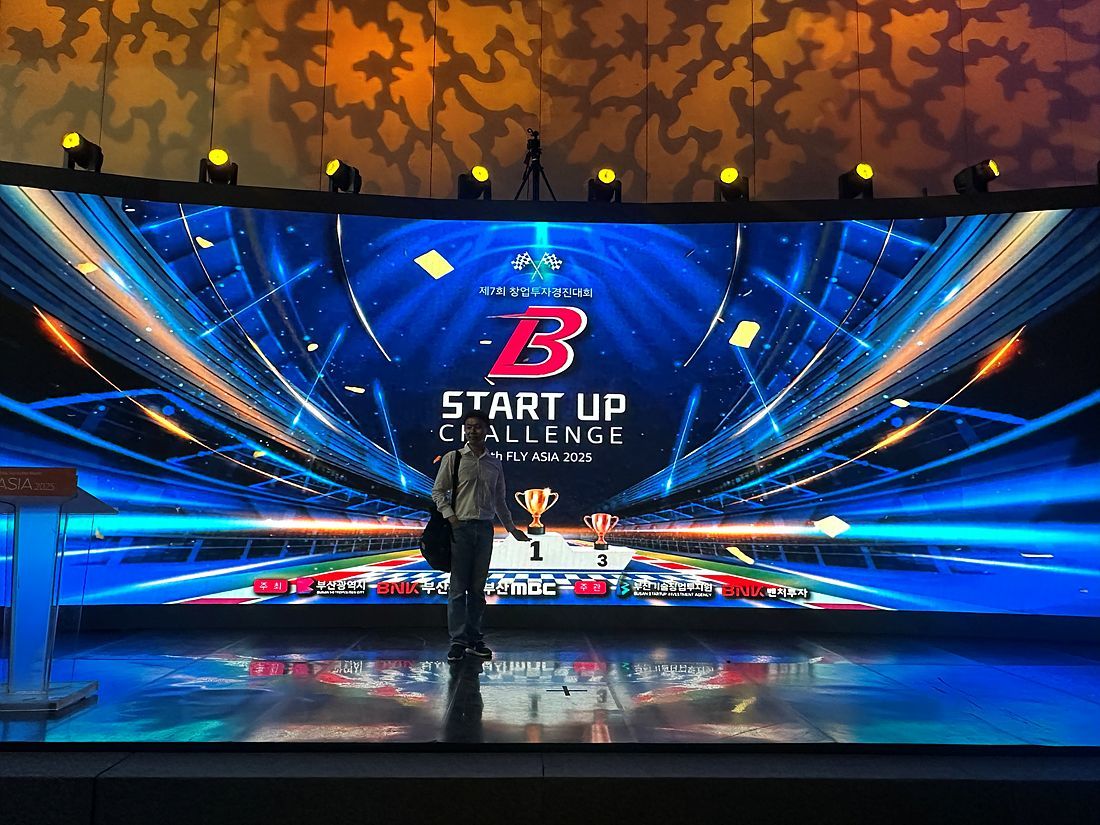
CEO Lee Tae-joo at the Startup Challenge / Source=LAZENCA AI
CEO Lee stated: “Data has the power to resolve existing inconveniences and create new value. By researching and developing artificial intelligence that leverages the characteristics of data, we will deliver various conveniences to the medical sector. Starting with finance, we will grow into a world-class healthcare data company that delivers positive impact across the entire spectrum of medical services, including insurance and new drug development.”
IT Donga Reporter Cha Joo-kyung (racingcar@itdonga.com)
ⓒ dongA.com. All rights reserved. Reproduction, redistribution, or use for AI training prohibited.
Popular News