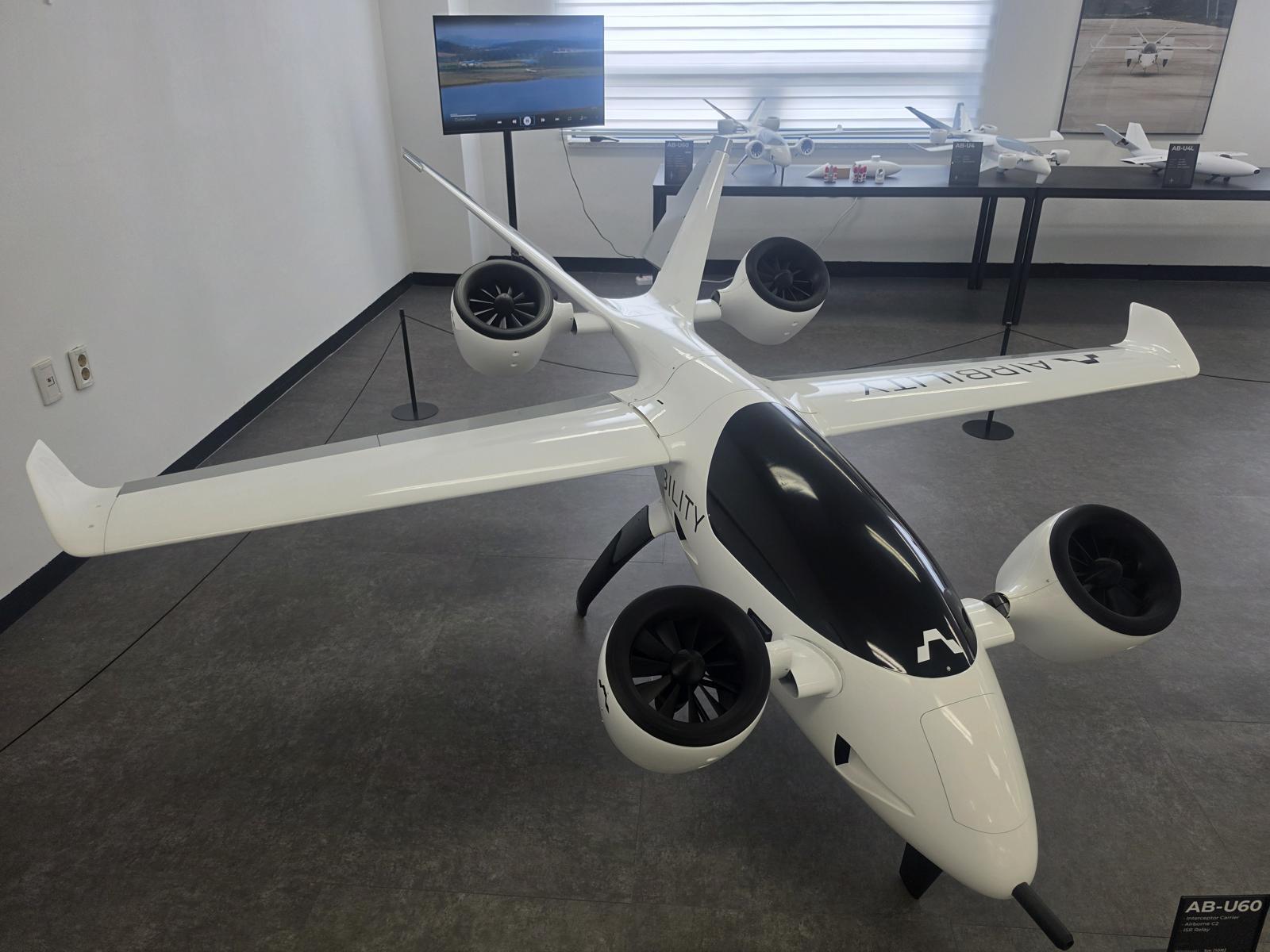
AB-U60 on display inside Airbility. Photo by reporter Choi Jae-ho, cjh1225@donga.com
On the Airbility Giheung Campus in Yongin, Gyeonggi Province, on the 17th. On the first floor, prototype interceptor drones reflecting design changes from 3D printing were being assembled one after another. Going down to the basement revealed a space where drones are tethered to wires to test takeoff and landing performance.
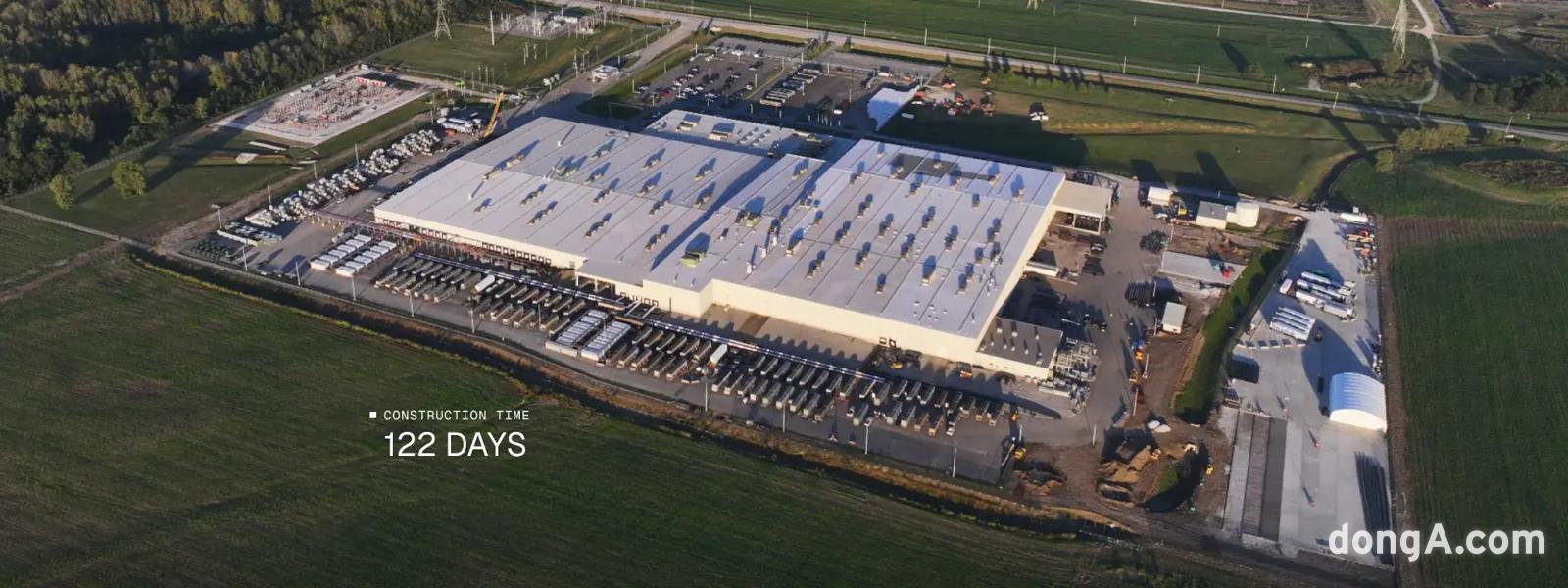
Except for long-range external flight tests, all processes from airframe design and 3D printing to assembly, artificial intelligence (AI) integration, and prototype testing can be conducted in one place. This is the so-called “drone factory” created last month when Airbility integrated its R&D center and production facilities.
What is being developed here is not a simple drone. It is an anti-drone system that uses a vertical takeoff and landing unmanned aircraft to carry multiple interceptor drones into the sky and then launch them close to enemy drones in an “air-to-air hard-kill” mode.
● Cheap drones, expensive missiles…a market created by “cost asymmetry”Since Russia’s full-scale invasion of Ukraine in 2022, low-cost commercial and FPV drones have rapidly proliferated as offensive weapons that go beyond reconnaissance to drop explosives or directly crash into targets.
Russia has also massively deployed Geran-series attack drones based on the Iranian Shahed, making the question of how cheaply drones can be intercepted a core challenge for air defense systems.
A similar problem emerged in the war that began with the US-Israeli attack on Iran on 28 February this year. Iran attacked US forces and allied facilities in the Middle East with Shahed-series drones and missiles.
Shahed-series attack drones are estimated to cost about USD 20,000–50,000 per unit. By contrast, Patriot PAC-3 series interceptor missiles used to counter them cost about USD 4–5 million per round. This is a “cost asymmetry” in which cheap offensive means must be countered with far more expensive weapons.
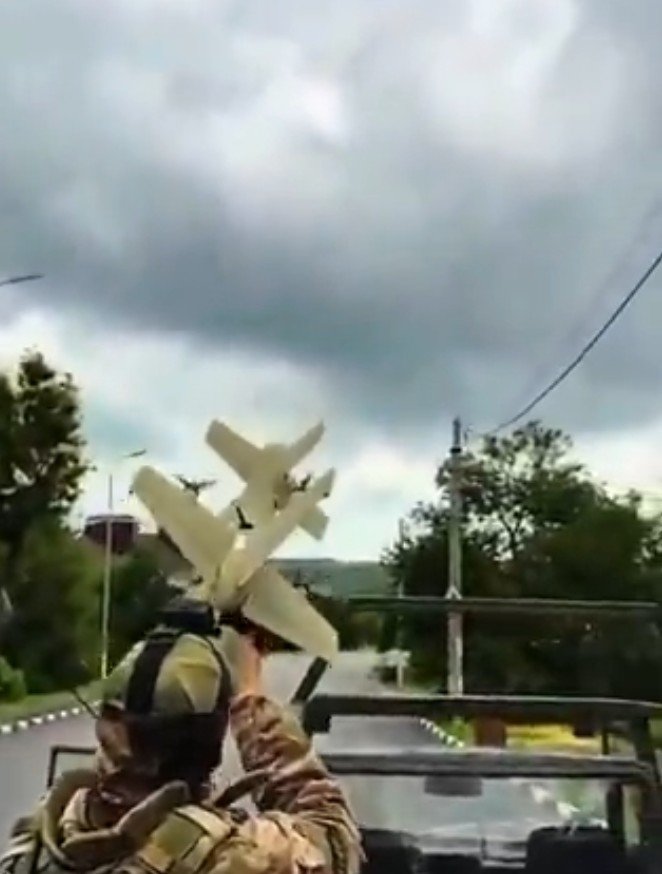
To address this, Ukraine rapidly developed low-cost interceptor drones. A representative example is Wild Hornets’ “Sting.” According to Reuters, Sting costs under about USD 2,000, and entered formal operation in June 2025. The manufacturer stated that by March this year it had shot down more than 3,000 Russian Shahed-series drones.
The US military also deployed large numbers of low-cost interceptor drones in the Iran war. The US Army purchased Merops interceptor drones in bulk and deployed them in the Middle East; their current unit price is about USD 15,000, and the cost is expected to fall below USD 10,000 as mass-production scales up.
South Korea is not free from drone threats either. Since 2024, North Korean troops have been dispatched to Russia, accumulating combat experience, and South Korean and US authorities are watching closely whether Russia–North Korea military technology cooperation could enhance North Korea’s unmanned capabilities. North Korea also revealed tests of AI-based suicide drones last year.
This is the market Airbility is focusing on. However, instead of launching interceptor drones directly from the ground, it chose a method of loading them onto a vertical takeoff and landing unmanned aircraft and first lifting them into the air.
A Ukrainian soldier preparing to launch a Sting interceptor drone to shoot down a Russian Shahed drone. Captured from X (formerly Twitter)
●
Mounting interceptor drones on eVTOL…moving air defense systems into the skyAirbility’s concept starts from the idea of “moving air defense systems into the air.”
Conventional interceptor drones launch from the ground. They must rely on their own batteries for the energy needed to gain altitude and speed to reach the target.
Airbility believes that by loading interceptor drones onto a larger unmanned platform that pre-establishes altitude and speed, then launching them close to the target, it can reduce the batteries and propulsion systems needed on the interceptor drones themselves.
The company also claims an advantage in that deploying interceptor drones when already close to the target can shorten flight distance and response time. However, actual interception success rates and cost efficiency must be verified through future flight tests and demonstrations.
The operational concept is similar to existing air defense systems. Once ground-based radar and other sensors detect an approaching drone’s position, speed, and direction, a mothership carrying interceptor drones takes off. After the mothership approaches close to the target, it launches the interceptor drones in midair.
For target detection and identification, the company says it uses ground radars, electro-optical (EO) sensors, RF scanners, and other systems, and that humans intervene at the stage of deciding whether to engage.
The airframe serving as the mothership is the “AB-U60,” an unmanned eVTOL capable of vertical takeoff and landing.
With a maximum takeoff weight of 60 kg and a wingspan of about 3 meters, it carries small drones instead of people. It is designed so that the mothership can return and be reused after deploying disaster-response drones or direct-collision interceptor drones against enemy drones in the air.
The AB-U60 uses a tilt mechanism that changes the direction of its electric ducted fans (EDF) instead of propellers. It takes off vertically, then tilts the EDFs and transitions to a fixed-wing mode using wing lift for flight.
“There are not many companies worldwide that develop a tilt method using electric ducted fans, and in Korea, Airbility is the only one,” CEO Ryu Tae-gyu said. This is the company’s assertion.
Airbility was founded in November 2023 and unveiled the AB-U60 prototype in October 2024. It announced in January this year that it had successfully completed a full transition flight from vertical takeoff to fixed-wing cruise mode. The company’s official history also lists January 2026 as the timing of AB-U60’s full transition flight.
The company explains that, compared to the development cases of Joby Aviation, Archer Aviation, and the Korea Aerospace Research Institute’s OPPAV, this is a relatively fast implementation of transition flight. However, this cannot be taken as the average development timeline for the entire eVTOL industry.
The small test aircraft AB-U4 had already completed its full transition flight in September 2024.
The AB-U60 is currently in airframe development and flight demonstration, and the company is targeting commercialization in the second half of 2027 to the first half of 2028.
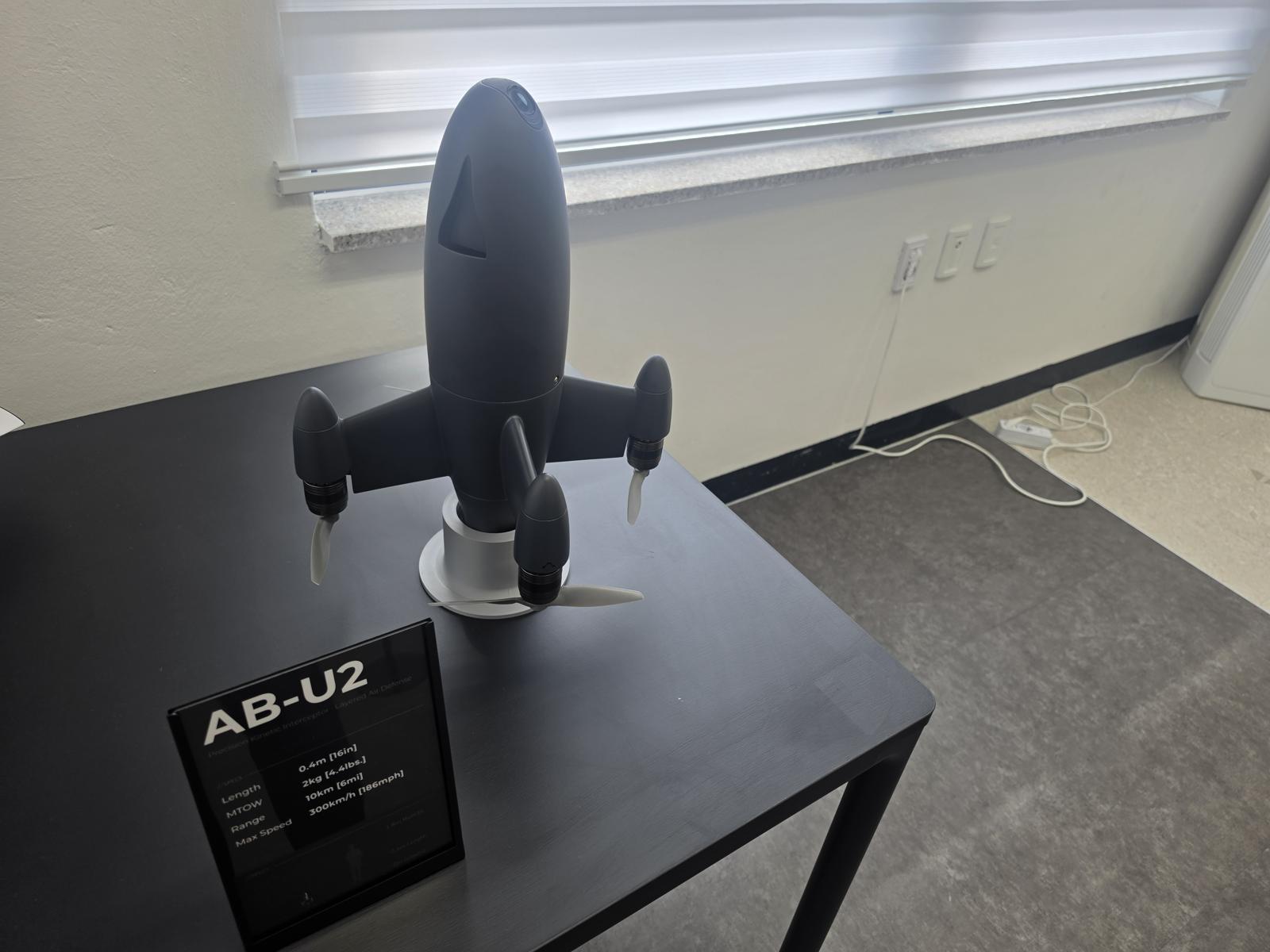
Airbility’s AB-U2 interceptor drone under development. Courtesy of Airbility
●
Guidance by video and AI instead of GPS to avoid jammingIn actual combat, overcoming electronic jamming is also a challenge.
Airbility is developing its own navigation and AI-based terminal guidance technologies so that interceptions are possible even in environments where GPS signals are jammed or communications are restricted.
In the mid-course flight phase, the drone would approach based on target data provided by ground sensors, and once the target enters the detection range of its onboard optical sensors, the camera and AI would track the target—according to the company’s plan.
Co-CEO Lee Jin-mo explained that they are combining an inertial measurement unit (IMU) priced in the KRW 1 million range with image sensors and AI algorithms so that the drone can independently determine its own position and flight status.
“Because anti-drone engagements are typically completed in a short time, cumulative IMU error can be mitigated, and once the target comes into view it can be tracked by video,” Ryu said.
This does not mean Airbility is completely eliminating GPS. The company explains that it is seeking to reduce dependence so that missions can continue even in battlefield environments where GPS and communications are degraded.
It also considered a method of wired control using optical fiber.
“Fiber-optic drones have the advantage of immunity to electronic jamming, but it is not easy in Korea to procure in large quantities the parts and equipment needed,” Ryu said. The assessment of insufficient domestic manufacturing base is the company’s view.
Lee anticipates that if, in the future, more attack drones carry AI and fly autonomously without communications, it will become difficult to counter all threats through electronic jamming alone.
Airbility plans to position its hard-kill system—where interceptor drones with onboard AI directly strike targets—as one layer of a multi-tier defense network, alongside existing jamming equipment.
“Ultimately, interceptor drones will be as much about price competition as performance,” Ryu said.
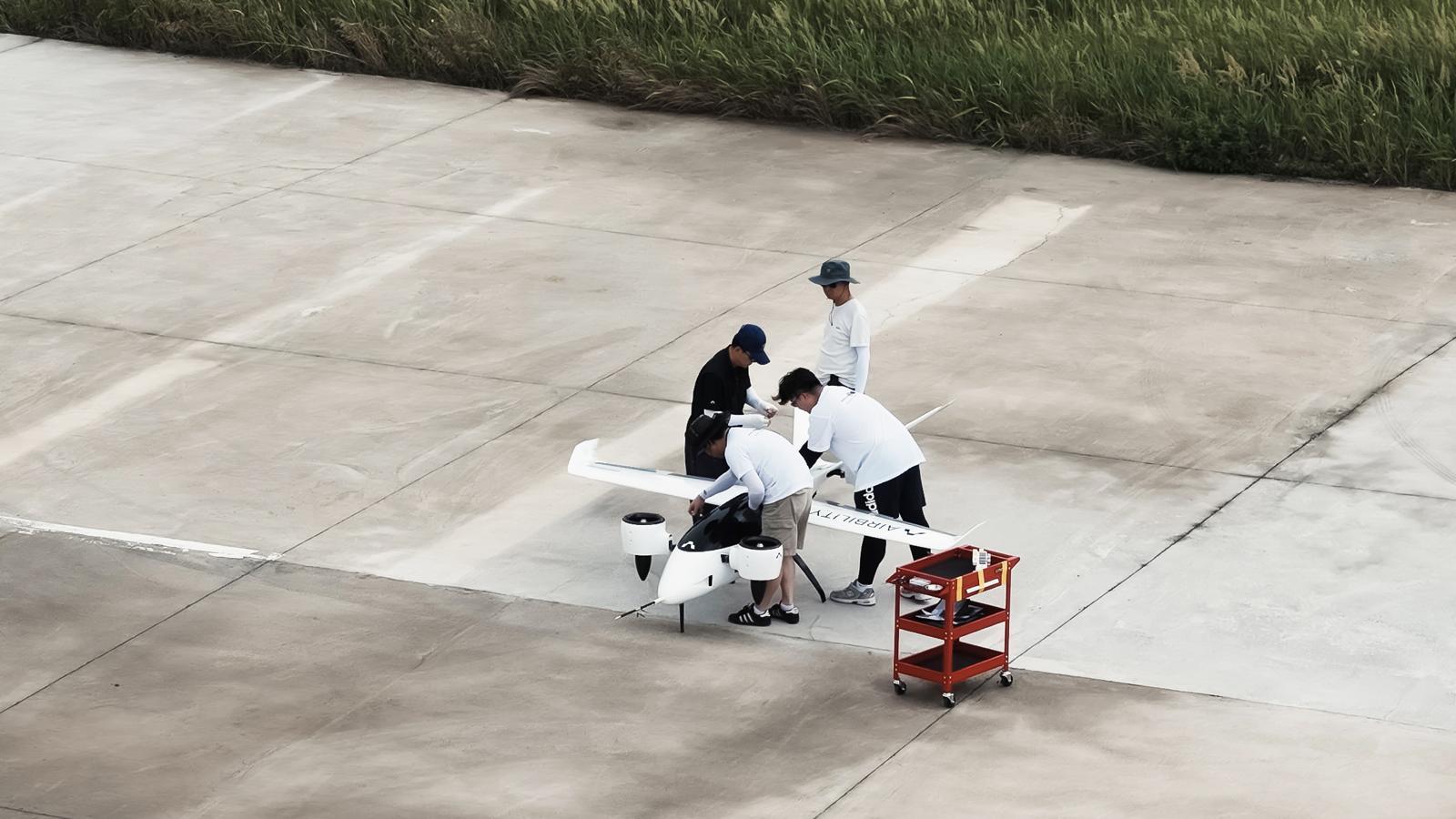
Airbility researchers conducting pre-flight checks on the AB-U60 on a runway. Courtesy of Airbility
● Capturing with nets, direct collision…three interceptor drone types in preparationAirbility is initially pushing to commercialize three types of interceptor drones.
The AB-U10 captures drones by firing a net. The airframe is designed to be recovered and reused, with only consumables such as the net being replaced.
The company is targeting initial production within this year. The AB-U10, an interceptor drone using a net gun, has a top speed of about 180 km/h and is included in the product lineup that the company has officially disclosed.
In the first half of next year, it plans to commercialize the direct-collision interceptor drone AB-U2 and the fixed-wing AB-U4L.
The AB-U2 is launched from the ground or from a mothership such as the AB-U60 to directly collide with the target, while the AB-U4L aims to use a fixed-wing structure to intercept faster and more distant targets. The target speed of the AB-U4L is about 300 km/h.
The company also aims to set prices significantly lower than existing air defense missiles.
Airbility is analyzing the market price band for low-cost interceptor systems with autonomous terminal guidance capabilities by referencing the prices of overseas interceptor drones such as the US Merops.
The Merops used by the US Army is currently known to cost about USD 15,000 per unit, with the possibility of dropping below USD 10,000 in mass production.
Airbility’s target price is about KRW 10 million per unit for the AB-U2 and about KRW 20 million for the faster fixed-wing AB-U4L. As the products have not yet been launched, actual sales prices may vary depending on production scale and component costs.
The mothership AB-U60 is designed to return after missions and be reused, while the expendable elements that actually collide with targets are systems such as the AB-U2 and AB-U4L.
The company explains that the net-using AB-U10 can be used not only at military facilities but also at key civilian sites such as nuclear power plants, correctional facilities, and large event venues to capture illegal drones without destroying them.
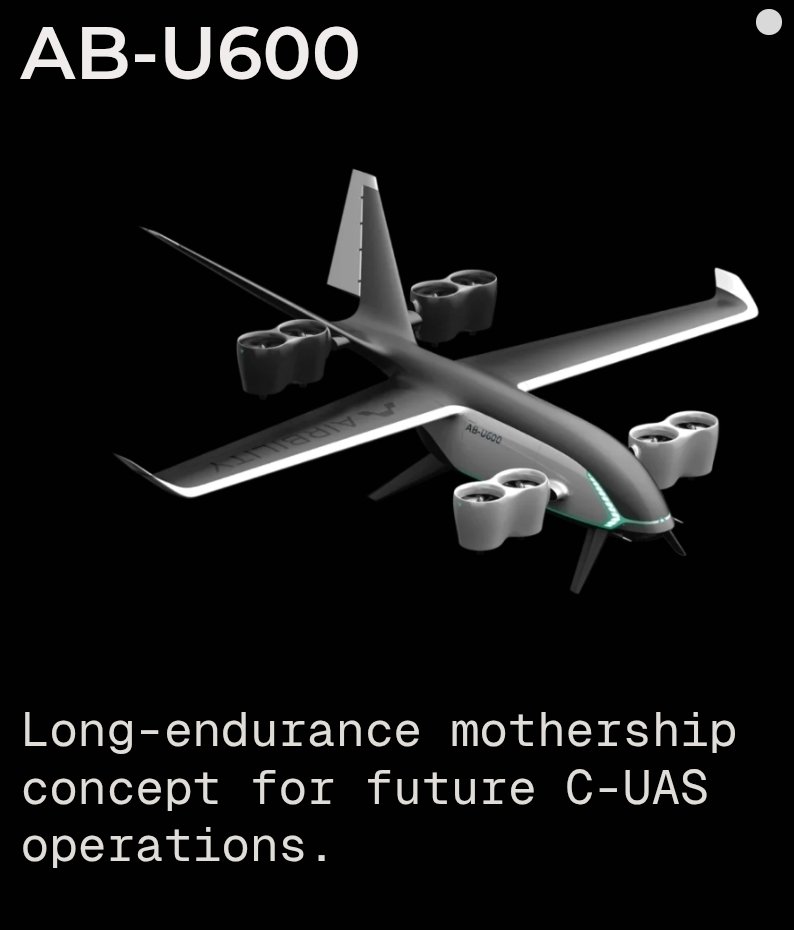
Airbility’s AB-U600 mothership unmanned aircraft with hybrid propulsion under development. Courtesy of Airbility
● Top challenge is ultra-small jet engines…high-speed interceptor prototype due in six monthsOne of the issues Airbility must address in the next stage is the parts supply chain.
“Chinese parts are inexpensive and we already know their performance, but there are security and supply chain concerns,” Ryu said. “If Chinese parts are excluded, Western components become much more expensive.”
The company is particularly focusing on ultra-small jet engines.
With the recent emergence of jet-powered attack drones, it believes high-speed interceptor systems are needed to catch up. The company is separately developing an interceptor capable of speeds of at least 700 km/h that uses a jet engine directly for propulsion. Ryu said it is difficult to secure stable supplies of engines that meet its specifications from overseas providers and revealed that the company is considering domestic production of small jet engines with a target of next year.
“If overseas engines cost around KRW 5 million, we would be willing to use domestic products even at KRW 7–10 million if they can be supplied reliably,” he said.
Airbility also disclosed that it is developing a successor unmanned aircraft, the much larger “AB-U600,” compared with the AB-U60.
According to the company, the AB-U600 is a large mothership concept that carries multiple interceptor drones inside and outside the airframe, flies long distances, and deploys them in the air.
The envisioned hybrid configuration uses battery power for vertical takeoff and landing and electricity generated by an onboard engine for cruise. The engine is used for power generation rather than propulsion.
The company’s target specification is an endurance of 1 hour 30 minutes to 2 hours. As this is a development-stage target, actual performance must be verified through prototype production and flight testing.
Separately from the AB-U600, Airbility aims to unveil a prototype high-speed interceptor, faster than the AB-U600, in about six months.
DongA.com plans to revisit the development status once actual prototypes and flight test results are released in the future.
The founding team’s backgrounds, the reasons for shifting priorities from UAM to anti-drone business, as well as investment and overseas expansion strategies, will be covered in a separate profile piece.
ⓒ dongA.com. All rights reserved. Reproduction, redistribution, or use for AI training prohibited.
Popular News