[Universities as Architects of Startups]② Advanced Adhesive Materials Company Amist
Automotive Adhesive Technologies Expand into Electronic and Power Materials
Supplying Over 20 Tons per Month… From Research to Recurring Revenue
KRW 300 Million Investment from Pusan National University Holdings Eases Testing and Production Bottlenecks
[Pusan National University Holdings X Dong-A Ilbo Joint Project] How do technologies born in university laboratories become businesses and advance into global markets? This series first examines Pusan National University Holdings’ technology commercialization strategy and start-up support model, then sheds light on how university research achievements translate into businesses and the potential of lab-based start-ups through the stories of five deep-tech companies taking on the global market together with Pusan National University Holdings.
In September 2021, the first purchase order came in for Amist, which had started out in a space of just about 33 square meters at the PNU Startup Incubation Center. It was three months after CEO Hwang Jong-won founded the company. A long-standing client company had entrusted product development to Amist, and after completing prototype verification, immediately placed an order. The first product was a two-component epoxy system for electronic materials. It was developed based on the experience and know-how that Hwang had accumulated over more than 10 years of research and development in the chemical materials industry. For an early-stage start-up, a first order is welcome, but Hwang soon found himself facing a dilemma. At the time, Amist had no production facilities capable of manufacturing the product in a stable manner. He initially considered outsourcing production to an external company. However, he concluded that in order to respond quickly to customer requirements with product modifications and to supply with consistent quality, in-house facilities were essential. Ultimately, just six months after founding the company, he purchased a factory in Saha District, Busan. But acquiring a factory did not resolve all the issues. The company lacked both testing equipment to verify the performance of developed materials and capital to support mass production.
At this point, Pusan National University Holdings filled the gaps in the commercialization process. When Amist became a subsidiary of Pusan National University Holdings in 2024, it gained access to the university’s material property evaluation equipment. The company also secured technology transfers related to automotive structural adhesive materials that Hwang had researched during his master’s program at PNU. In the same year, Amist received KRW 300 million in seed investment from Pusan National University Holdings, which it used to expand testing equipment and its research and development base. Pusan National University Holdings effectively served as a priming pump for Amist to move its technology into the customer evaluation and commercialization stages.
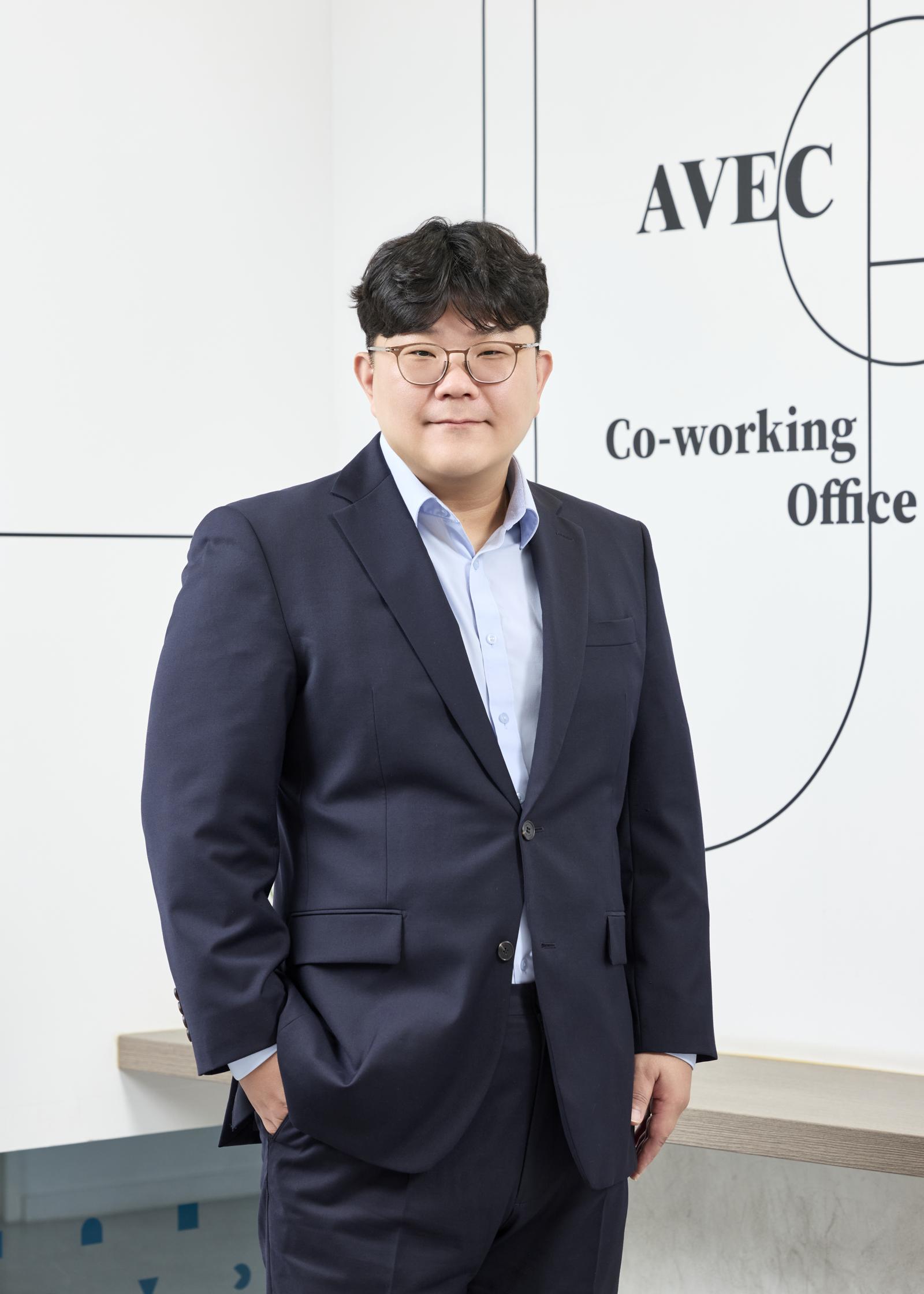
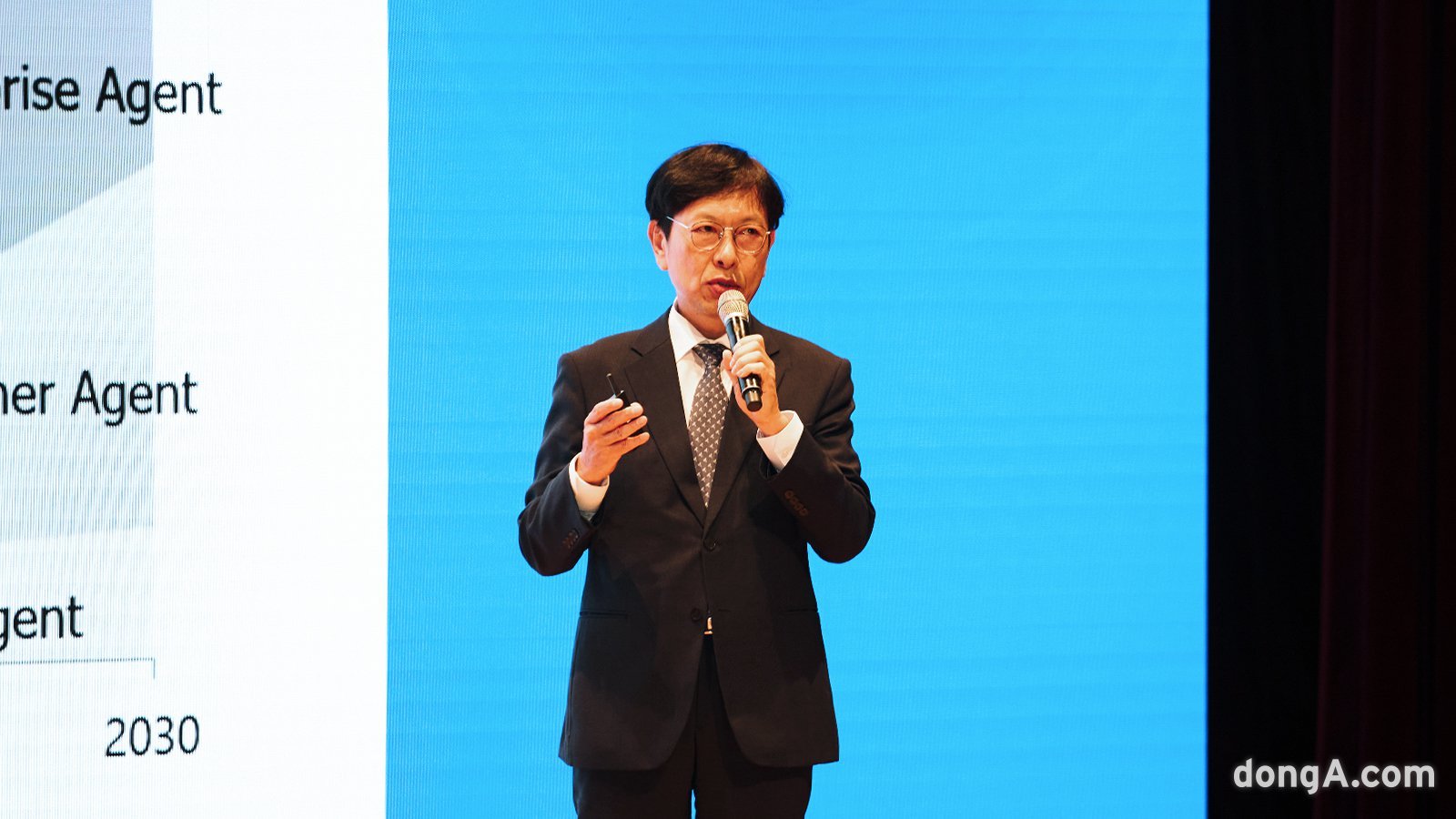
CEO Hwang Jong-won of Amist. Courtesy of Amist
● Growing importance of “bonding technology” in the EV eraHwang began researching automotive structural adhesive materials in the late 2000s while in the master’s program in chemical engineering at Pusan National University. After completing his master’s degree in 2009, he spent about 10 years in related research and development at Wookseong Chemical and Kukdo Chemical, learning what roles the individual components of an adhesive play and how to alter composition and structure to achieve the desired performance.
Starting a business was not his initial plan. After relocating from Seoul to Busan while working in R&D, he received a request from a related company to develop materials. Confirming that there was real demand, he decided to manufacture products directly using the technology he had built up.
After founding the company, he combined his industrial experience with the technologies he had researched at university. Hwang transferred the automotive structural adhesive material technology from PNU and integrated it with his existing material development know-how. To bond diverse materials stably, the surface properties of the adhesive and the adherend must be well matched. The technology transferred from PNU adjusts material polarity to enhance adhesion even for different types of adherends. This was also a field that Hwang had personally researched since graduate school.
This technology is becoming more important in the era of electric vehicles. While welding joins metal to metal at specific points, structural adhesives connect the entire contact surface. They reduce the concentration of force at a single point during collisions, disperse impact more widely, and thereby enhance body rigidity and safety.
In electric vehicles, the need to reduce vehicle weight is driving increased use of dissimilar materials such as aluminum and composites. Structural adhesives are also advantageous for joining such dissimilar materials that are difficult to weld. Hwang said, “Automotive structural adhesives are not simply materials that bond parts together; they are key materials that contribute to safety, weight reduction, and improved energy efficiency.”
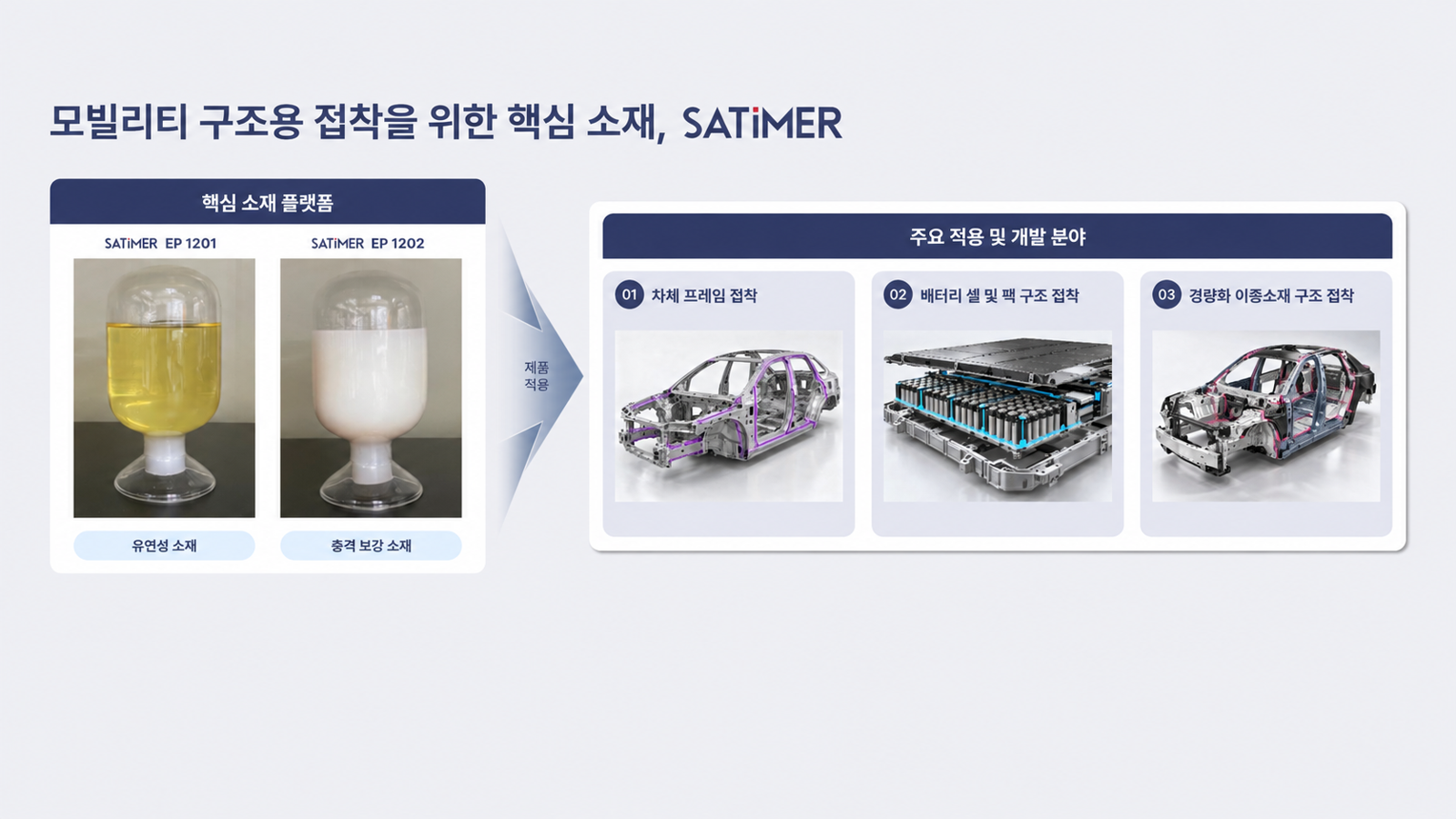
Amist focuses more on the key materials that determine adhesive performance than on finished adhesives themselves. It designs and supplies material structures and compositions to achieve the bond strength, flexibility, and impact resistance required by customers.
● From KRW 300 million investment to TIPS… overcoming the “testing bottleneck”
One of the biggest obstacles for Amist in turning technology into actual products was testing and verification. To supply materials to customers, it had to demonstrate that they met required performance levels, and if any issues were found, it had to redesign the materials and repeat the testing process.
Impact strength evaluation was particularly important for automotive structural adhesive materials. Impact strength indicates how well the bonded interface withstands forces applied suddenly and intensely, such as during a collision. However, Amist at the time lacked its own equipment to measure this directly. Even at domestic accredited testing institutions, it was difficult to conduct the necessary tests, making it hard to confirm results immediately even after developing materials.
The support from Pusan National University Holdings focused on resolving this bottleneck. In August 2024, Pusan National University Holdings made a seed investment of KRW 300 million in Amist. Using these funds, Amist acquired impact strength testing equipment and expanded its in-plant R&D space and related infrastructure.
Once the equipment was in place, the company could carry out the entire process in-house: from material synthesis and specimen preparation to impact strength measurement and result analysis. It was able to immediately feed test results into subsequent design cycles, accelerating product improvement and reducing response times for customer evaluations. Hwang said, “It went beyond simple funding and played a key role in clearing early-stage R&D bottlenecks and linking technology development outcomes to customer evaluations and commercialization.”
Government R&D support followed. In September 2024, a month later, Amist was selected for the Ministry of SMEs and Startups’ TIPS program to carry out a project on “development of medium-temperature curing structural adhesive solutions for future mobility.” As the TIPS operator, Pusan National University Holdings helped Amist refine its R&D direction and validation and verification plans, and recommended the project, which ultimately led to TIPS selection. Amist began developing technology to enable structural adhesives, which currently cure at around 180°C, to reach required performance within 20 minutes at temperatures below 140°C. Lowering process temperatures can reduce energy consumption and carbon emissions in automobile manufacturing. The company has now achieved all its initially set R&D targets and met TIPS commercialization success requirements, and is about to graduate from the program.
● From automobiles to electronics and power… supplying over 20 tons per monthAmist’s materials have progressed beyond the R&D stage into actual mass-produced products. Its business scope has also expanded from automobiles to electronic materials, power infrastructure, and defense. Currently, the automotive sector accounts for about 40% of total sales. Electronic materials represent about 30%, power infrastructure about 20%, and other industries about 10%. In the automotive sector, the company supplies surface treatment agents to a domestic manufacturer of automotive component speakers, and delivers materials for printed circuit board (PCB) molding on an ODM basis under customer brands.
Supply volumes are also increasing. Two mobility-related products are supplied at more than 5 tons per month, and two semiconductor and electronic material products at more than 7 tons per month. For power infrastructure electrical insulation materials, the company has been supplying around 8–10 tons per month since the second quarter of this year. Combined, the three sectors exceed 20 tons in monthly supply volume. The company also began small-quantity supplies to space, aviation, and defense sectors last year.
The ability to expand business areas is underpinned by a development approach in which materials are redesigned for each customer. Because raw materials, processes, and desired performance differ, the company adjusts material structures and formulations to meet specific bond strength, flexibility, and impact resistance requirements. Hwang said, “In new markets, the areas of application for materials or even the manufacturing processes themselves may not be fully established,” adding, “It is important to work with customers to determine which materials are suitable and which processes should be used for application, and to optimize them.”
Core material for mobility structural adhesives. Courtesy of Amist
● From 50 tons to 300 tons per month… the next bottleneck is mass productionAs mass-produced products have increased, Amist’s next challenge has become expanding production capacity. Its current monthly production capacity is about 50 tons. The company believes that if existing customers increase their usage and additional certifications and customer approvals are completed in the power infrastructure sector, supply volumes could grow significantly.
Amist is seeking to raise a Series A investment round of KRW 2.0–2.5 billion. The funds will be used to expand mid- to large-scale mass production facilities and R&D infrastructure at the Busan plant, as well as to secure working capital. The goal is to increase monthly production capacity to up to 300 tons.
With delays in fundraising, the company’s sales target for this year has been reduced from the initial KRW 5.0 billion to KRW 2.0–2.5 billion. The delay in securing funds needed for capital investment and raw material purchases has had an impact. After completing the Series A round, the company is targeting sales of KRW 5.0 billion in 2027 and KRW 15.0 billion in 2028.
Busan’s strengths lie in its manufacturing base and university and research institution infrastructure, but it also faces the limitation that major customers and specialized talent are concentrated in the greater Seoul area. In this Series A round, Amist plans to focus on expanding the Busan plant, and at the Series B stage, it is planning to establish an R&D center and sales office in the Seoul metropolitan area.
Hwang said, “To translate customer demand into actual sales, we need expanded production facilities and working capital for raw material purchases,” adding, “The timing of investment and the schedule for increasing production capacity will be key variables in our future sales growth.”
ⓒ dongA.com. All rights reserved. Reproduction, redistribution, or use for AI training prohibited.
Popular News