[Sharing Happiness] Eco-friendly social venture ‘Firstlab’
Decomposing PFAS with ultrasonic emulsification technology… enabling water pollution control without oxidants
‘Devrex’ blends raw materials at the nano scale… applicable to cosmetics and pharmaceutical development
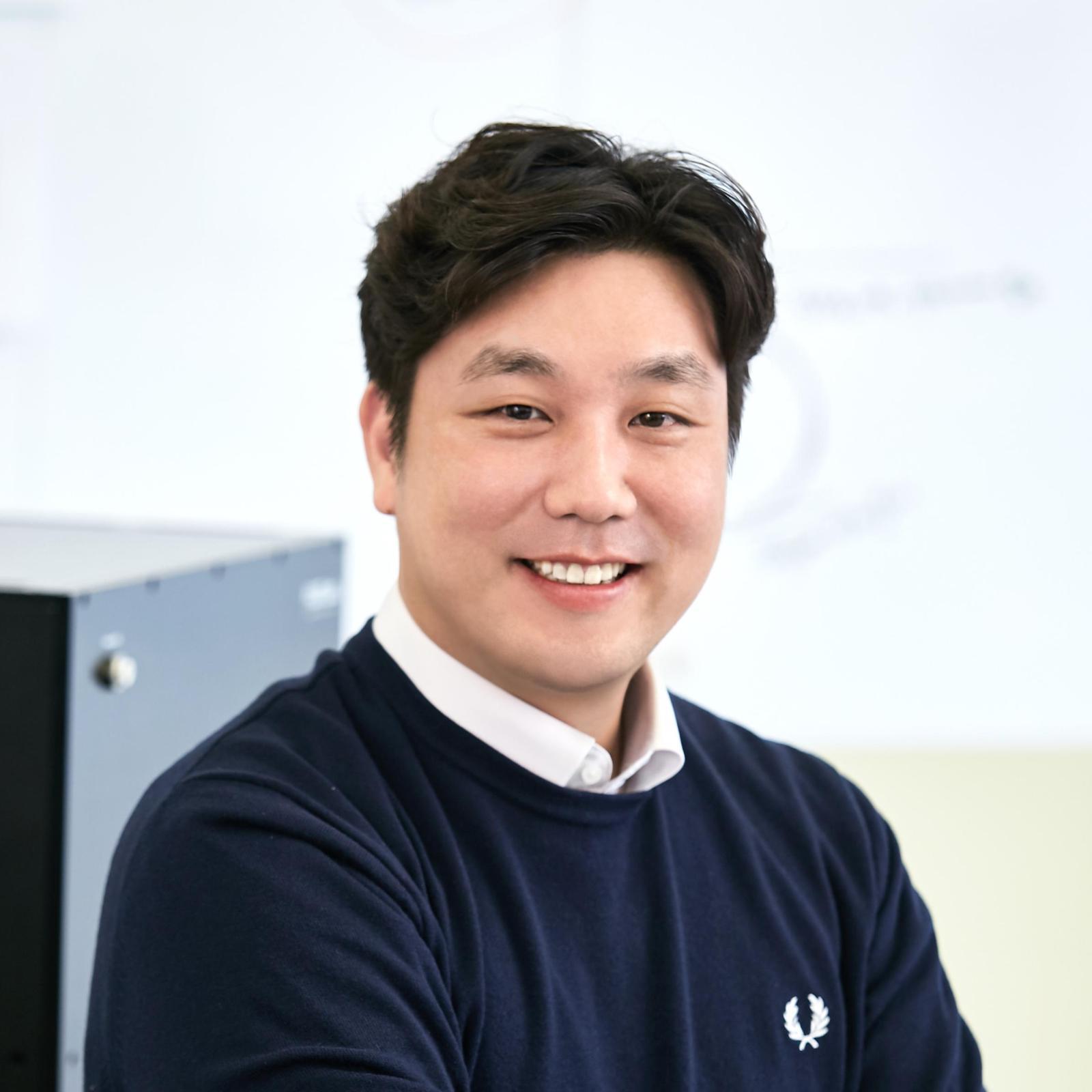
FirstLab is an eco-friendly social venture that has developed equipment using ultrasonic technology to easily decompose pollutants such as perfluoroalkyl and polyfluoroalkyl substances (PFAS), which are difficult to degrade naturally. FirstLab CEO Hwangbo Min-sung is currently focusing on overseas expansion to markets including Japan and Europe.
“CAVITOX is equipment that decomposes perfluoroalkyl and polyfluoroalkyl substances (PFAS), which are called ‘forever chemicals’ because they are barely degradable once produced, using ultrasonic energy.”
Hwangbo Min-sung (43), CEO of FirstLab, said, “Ultrasonic energy generates bubbles in water, and each time a bubble collapses, the energy and resulting reaction break molecular bonds and decompose the substance.” Founded in 2022, the social venture FirstLab is contributing to environmental protection by developing CAVITOX, equipment that decomposes PFAS to resolve water pollution, and DEBREX, equipment that mixes raw materials uniformly at an ultra-fine scale.
In recognition of its contribution to reducing the use of chemical substances, the company won an Innovation Award at CES, the world’s largest IT and home appliances trade show, last year, and a Gold Award in the water, food, and agriculture category at this year’s Edison Awards in the United States. It has also filed more than 30 patents related to ultrasonic energy technology, among others. Currently focusing on overseas expansion to Japan and Europe, CEO Hwangbo shared his views on the success and failure of social ventures.
● Decomposing ‘forever chemicals’ with ultrasonic energy
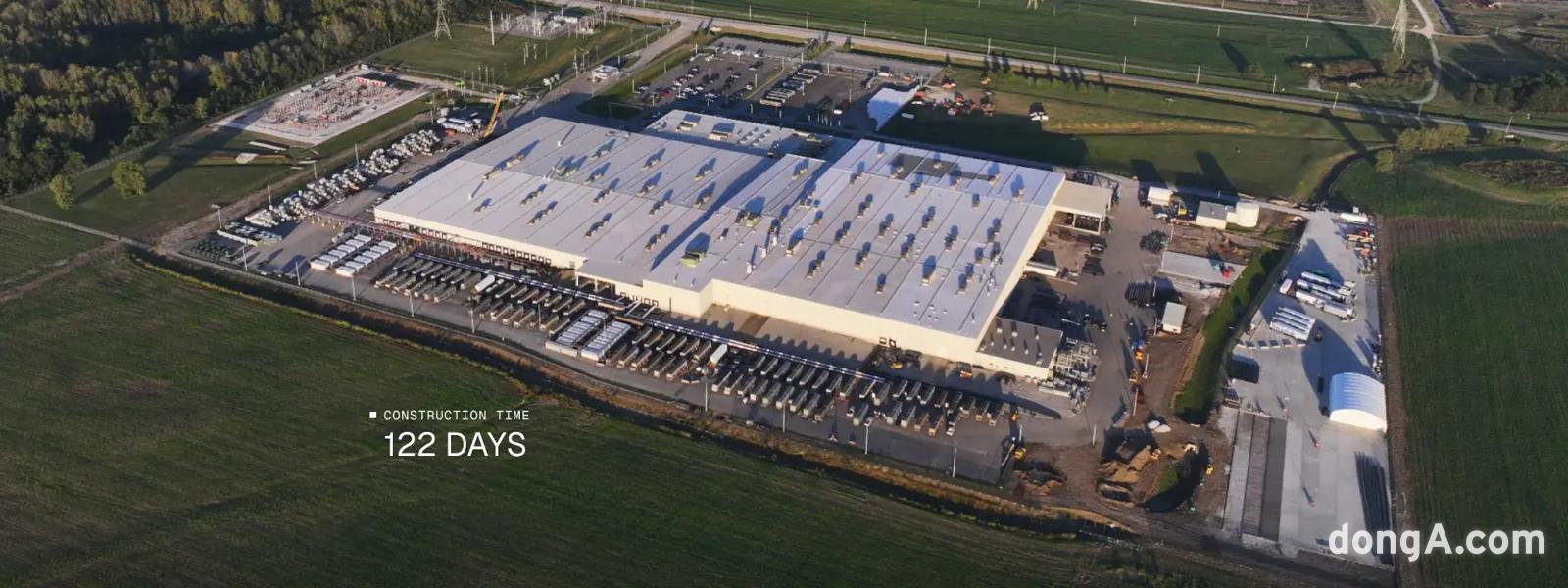
CAVITOX is equipment that decomposes perfluoroalkyl and polyfluoroalkyl substances (PFAS), known as ‘forever chemicals’ because they are barely degradable once produced, using ultrasonic energy. Ultrasonic energy generates bubbles in water, and the energy and reactions that occur each time a bubble collapses break molecular bonds and decompose the substances. Provided by Haengbok Narae.
Having majored in business administration at university, Hwangbo was first introduced to ultrasonic emulsification technology through his sister, who was a researcher at the Korea Research Institute of Standards and Science, and he saw its business potential. Ultrasonic emulsification is a technology that uses ultrasound to mix two or more immiscible liquids uniformly and keep them in a stable state. This technology is used in a variety of industries, including cosmetics, pharmaceuticals, and secondary batteries.
In 2015, his sister and her colleagues pursued commercialization using ultrasonic emulsification technology, and Hwangbo was responsible for planning and management. Although the research team succeeded in developing the core technology, they failed to develop practical equipment that could be sold and to achieve commercialization. Most of the team eventually dispersed without commercial success, but Hwangbo collaborated with other companies and developed equipment that could be sold, and went on to establish FirstLab.
Hwangbo focused on PFAS, in which the covalent bond between carbon and fluorine is extremely strong and therefore does not easily decompose naturally. Because of their high heat resistance and friction-reducing properties, PFAS are used in products such as frying pans, paper cup coatings, and waterproof clothing.
However, a key drawback is that once PFAS enter the human body, they are not excreted and instead accumulate. Continuous accumulation in the body can cause health problems such as cancer and weakened immunity. “In major countries such as Germany and Japan, there was already a shared understanding of the harmful effects of PFAS on the environment and human health,” Hwangbo said. “I judged that if PFAS could be decomposed using ultrasonic emulsification technology, it would be possible to achieve both business performance and environmental contribution.”
CAVITOX applies ultrasonic energy to PFAS-contaminated water to generate bubbles; the energy and chemical reactions generated when the bubbles collapse break the molecular bonds between carbon and fluorine and decompose them. “It is possible to decompose pollutants without adding oxidizing agents such as hydrogen peroxide,” Hwangbo said. “We designed the system to apply energy to flowing water so that it can receive all the intense energy, thereby improving efficiency.”
In 2023, FirstLab also developed DEBREX, a device that concentrates ultrasonic energy on raw materials used in cosmetics and pharmaceuticals and mixes them at an ultra-fine (nano) scale into a uniform state. The technology controls particle size and uniformity of cosmetic ingredients so that they do not easily clump over time. It can also be used to mix raw materials for secondary batteries uniformly, and was exported last year to countries including Japan. “Because surfactants are not used, cosmetics produced with this technology offer excellent moisturizing properties while reducing skin irritation,” Hwangbo said. “It can be used in products for babies or patients with atopic dermatitis who have sensitive skin.”
● “Social ventures must secure customers after validating their technology”
FirstLab was selected this year as a first-cohort company under the SK Impact Booster program and is receiving advisory and customized growth support. SK Impact Booster is a program that supports the business expansion of growth-stage social ventures that address social issues. It is led by the SK Group and co-operated by Haengbok Narae.
Companies selected for the program receive opportunities to collaborate with SK affiliates as well as support in areas such as consulting and legal advisory services. KRW 10 million in business support funding and up to KRW 60 million for proof-of-concept of collaboration projects are provided.
FirstLab is currently matched with SK affiliates to verify the applicability of CAVITOX in industrial field settings. It is also establishing its business strategy while receiving professional advice on management, including the structure of the industrial wastewater treatment market, from SE consultants who are former SK Group executives. “For technologies developed by social ventures like FirstLab to lead to solutions for environmental challenges, there must be opportunities to validate the technologies in actual industrial settings and to secure customers,” said Cho Min-young, Head of the Social Value Innovation Division at Haengbok Narae. “Through SK Impact Booster, we will provide tailored support to each company and help commercialize their technologies and drive corporate growth.”
ⓒ dongA.com. All rights reserved. Reproduction, redistribution, or use for AI training prohibited.
Popular News