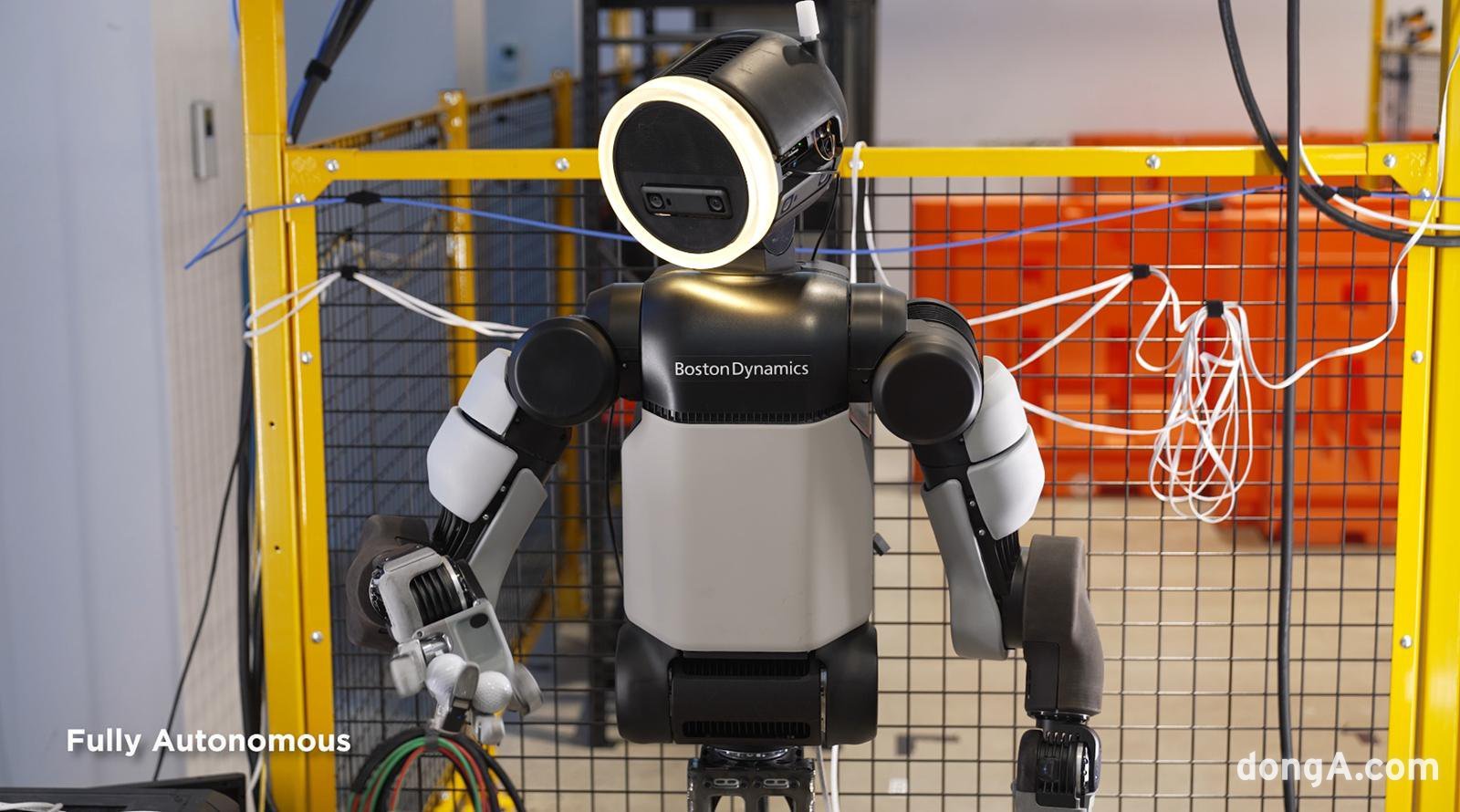
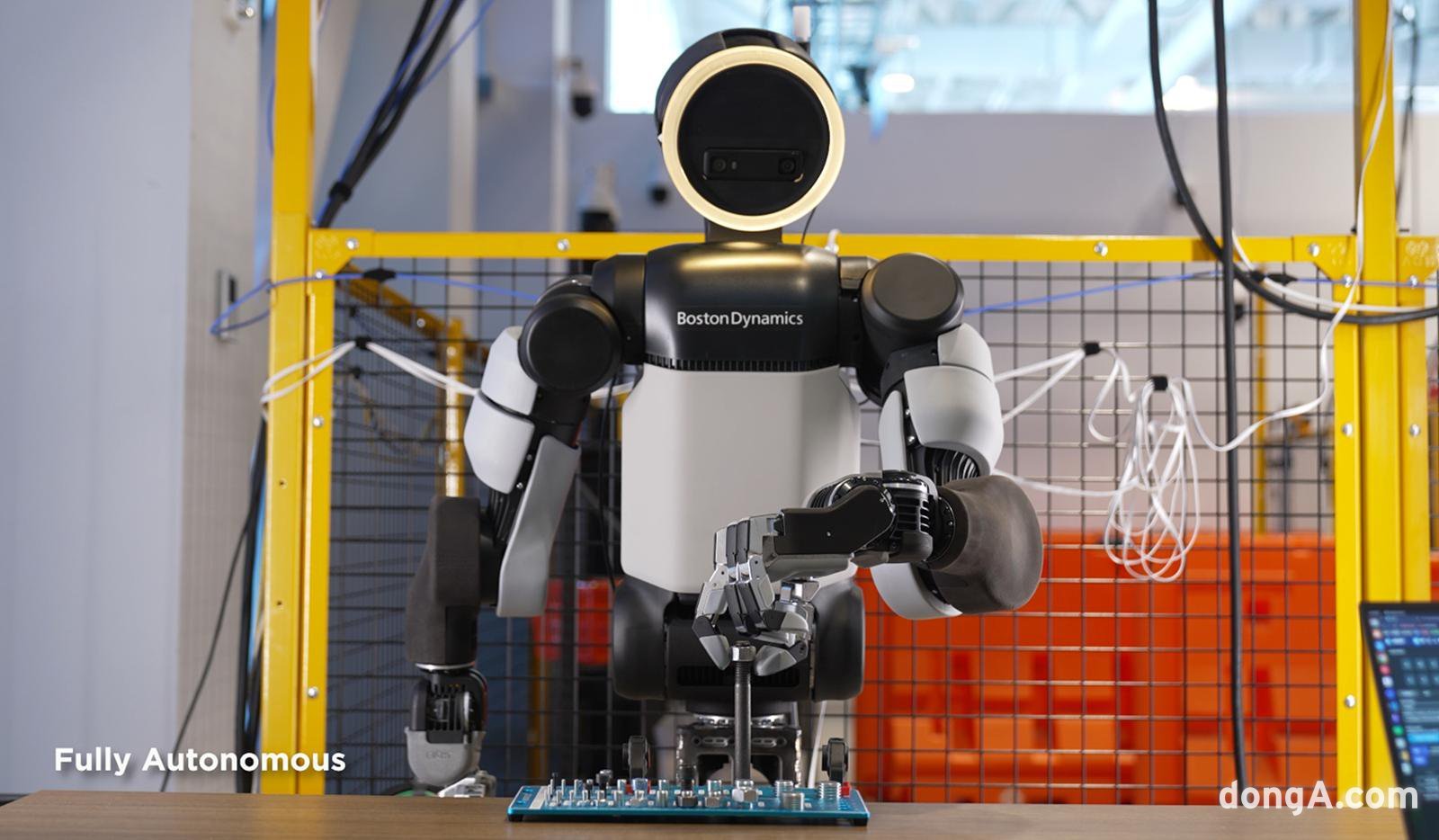
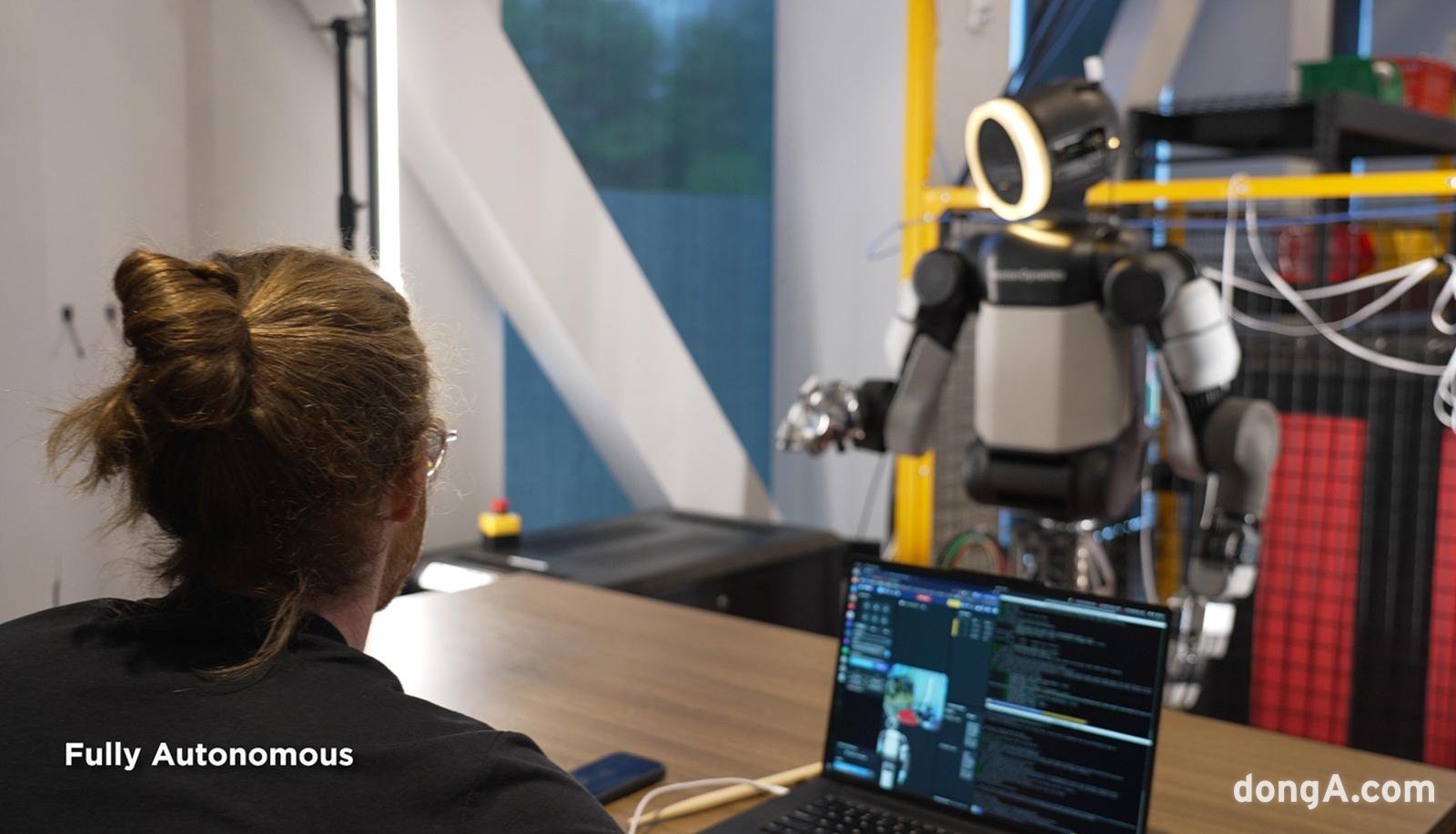
Boston Dynamics, the robotics affiliate of Hyundai Motor Group, unveiled on the 1st (local time) its next-generation quadruped-based robotic hand designed for the humanoid robot “Atlas” for the first time. Alongside the announcement, the company released a demonstration video showing Atlas continuously performing complex and precise manufacturing tasks required in actual industrial settings, going beyond basic movement or walking.
Given that humanoid robots must utilize workspaces and tools designed around human operators as they are, versatile task performance is heavily dependent on the capabilities of the robot hand. In this demonstration, Atlas used the newly developed robotic hand to smoothly handle advanced tool manipulation, small-parts assembly, and in-hand object reorientation tasks. In a sequence where it picked up a drill bit, mounted it on a power tool, and drilled a hole in a wooden board, Atlas demonstrated finely tuned force control by firmly gripping the tool handle while simultaneously operating the power switch. It also faithfully executed precision control actions such as grasping a tiny nut with its fingertips, rotating it, and fastening it into place.
Beyond tool use, the technology for manipulating a wide variety of objects with different shapes and friction characteristics also drew attention. Atlas rotated a long, slender drumstick between its fingers, and rolled two golf balls with smooth, hard surfaces simultaneously within its hand while changing their positions, demonstrating the ability to adjust the fingertip joint pressing force in real time to match the friction characteristics of the contact surfaces.
The technological core lies in the breakthrough expansion of degrees of freedom, which determine joint flexibility. Compared with the previous generation’s 7 degrees of freedom, the new hand applies 13 degrees of freedom, allocating four to the thumb and three each to the remaining three fingers. The choice of a four-fingered structure instead of five reflects a rigorous efficiency calculation. After conducting simulations, validating 3D-printed prototypes, and even running experiments in which developers went about their daily routines with their little fingers fixed, Boston Dynamics researchers concluded that omitting the little finger provides the optimal balance in terms of actuator complexity, power consumption, durability, and ease of maintenance.
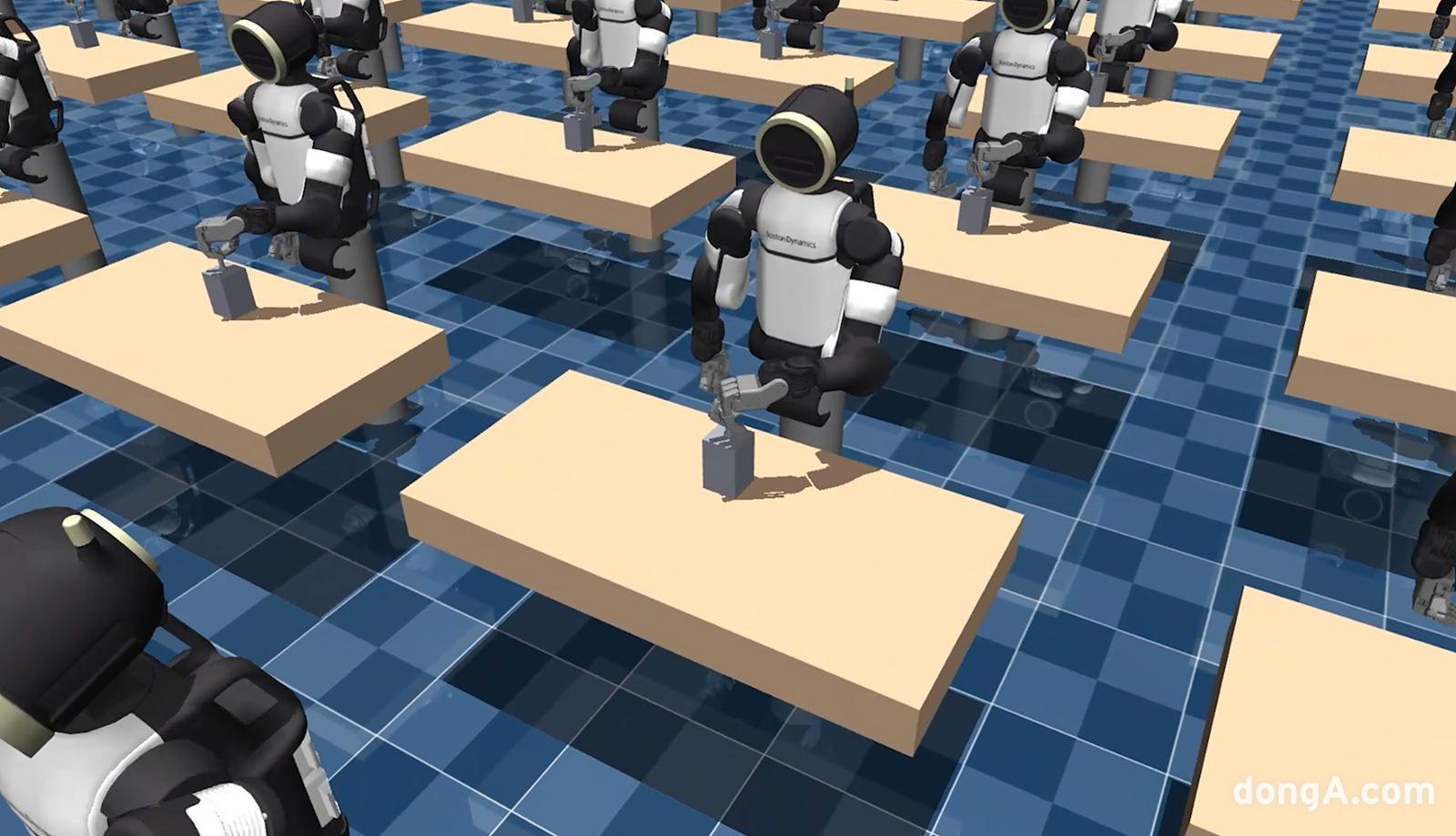
Sensor and software technologies have also been significantly advanced. High-density, precision, pressure-based tactile sensors installed on the fingertips and palm detect even minute changes in contact force in real time. By introducing a “sim-to-real” reinforcement learning method—pre-training robot motions in a virtual environment and then transferring them to the physical machine—the company maximized responsiveness to motor torque, friction, and external disturbance variables. The hand is also equipped with reversible actuation to prevent reducer damage when external forces are applied and with proprioceptive sensing capabilities that allow intuitive detection of finger positions.
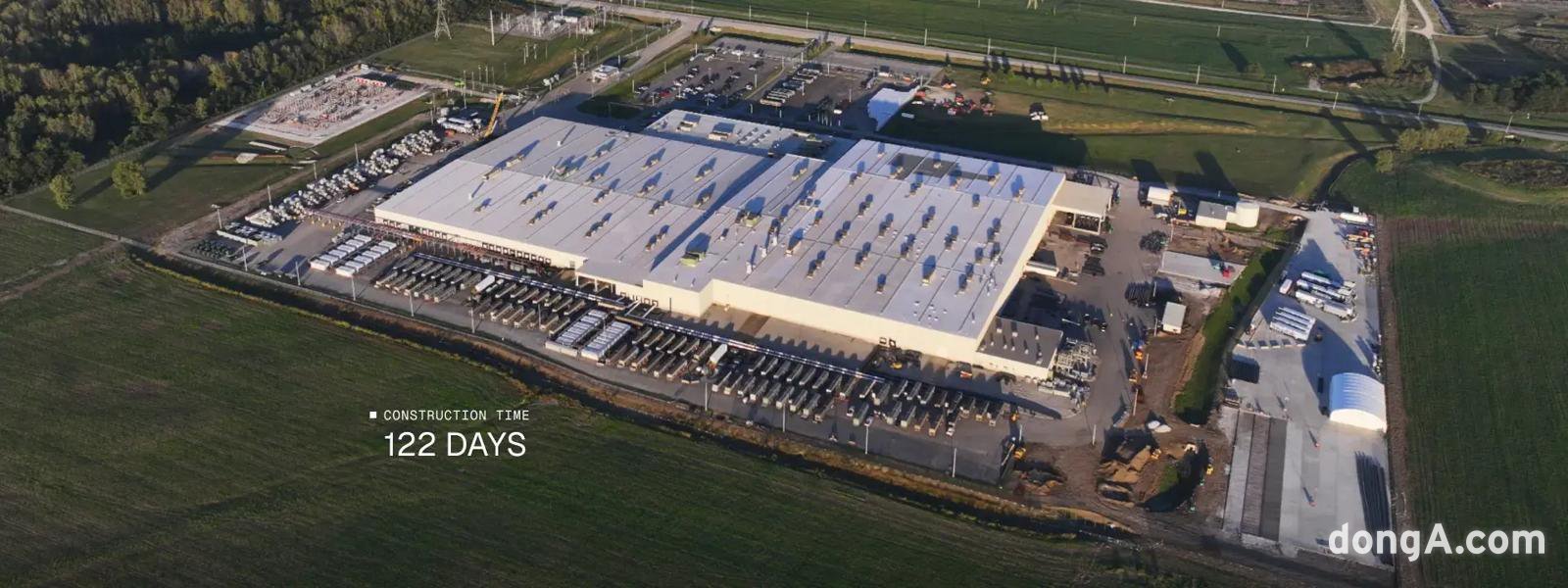
In addition, the new hand maintains a form factor similar in size to the human hand while improving manufacturability and serviceability through a modular design. Boston Dynamics recently opened the “Robotics Meta-Plant Application Center,” modeled on Hyundai Motor Group’s manufacturing environment, and is operating a system to collect and train on real process data. By integrating this next-generation hand, the company plans to accelerate a positive “data flywheel” cycle—data collection, virtual training, real-world deployment, and feedback retraining—and substantially move up the timeline for commercialization in industrial sites.
ⓒ dongA.com. All rights reserved. Reproduction, redistribution, or use for AI training prohibited.
Popular News