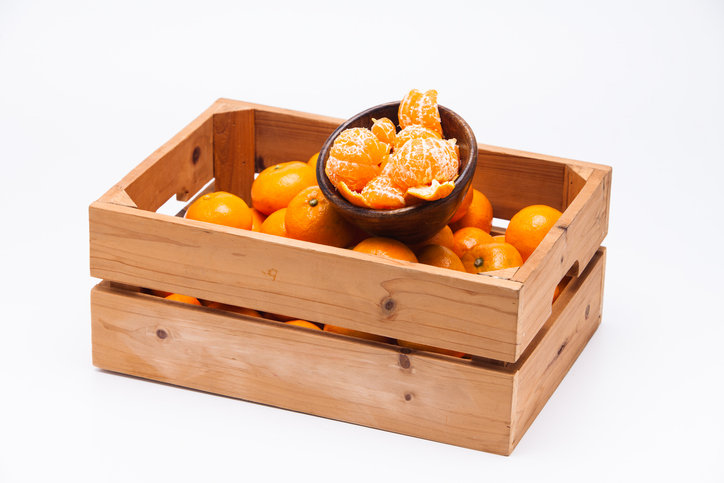
It has been confirmed that hesperidin, a component found in tangerine peels, helps restore liver, heart, and kidney tissues damaged by radiation. Getty Images Bank
It has been confirmed that hesperidin, a component derived from tangerine peels, helps restore liver, heart, and kidney tissues damaged by radiation. A research team at the Korea Atomic Energy Research Institute (KAERI) observed that administering hesperidin for seven days restored more than 90% of damaged liver enzyme function. Recovery was also observed when hesperidin was administered in advance, prior to radiation exposure.
On the 30th, KAERI announced that it had confirmed the efficacy of hesperidin in restoring the function of liver, heart, and kidney tissues damaged by radiation.
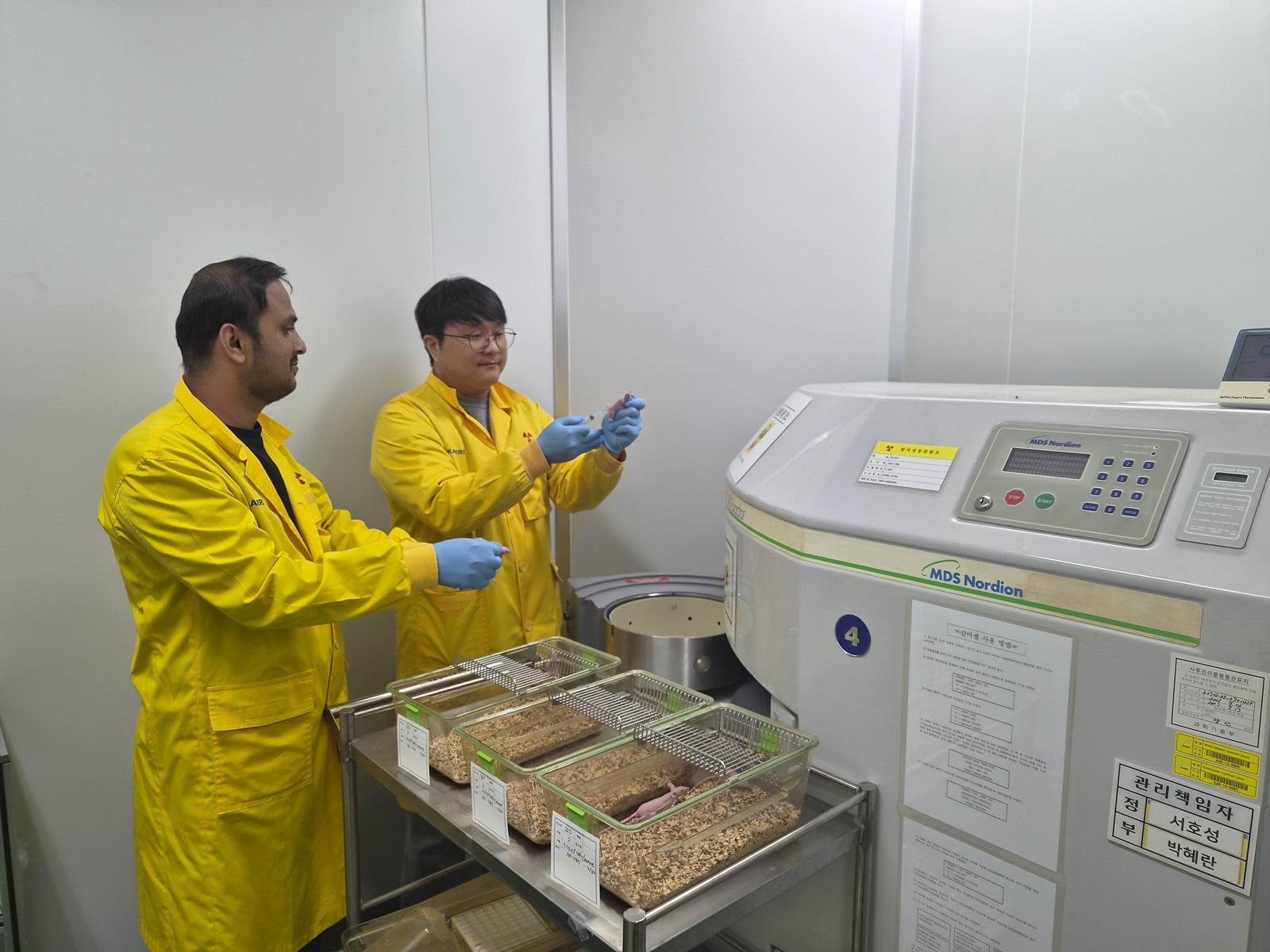
Researchers conducting an experiment to evaluate the efficacy of hesperidin / Provided by KAERI
The study was conducted by the team of Dr. Park Sang-hyun at KAERI’s Advanced Radiation Technology Institute. The team administered hesperidin for seven days to laboratory mice whose liver enzyme function had declined due to radiation exposure. As a result, the previously reduced enzyme function was restored by more than 90%. Overall improvement was also confirmed in indicators related to kidney and heart function, not just the liver.
A recovery effect was also observed when hesperidin was administered in advance, prior to radiation exposure. Although it did not prevent the initial damage itself, little recovery was seen in the non-treated group, whereas functional recovery was confirmed in the pre-administration group. Based on this, the research team suggested the possibility of preventive use.
However, further research is needed to determine whether long-term administration is necessary.
Hesperidin is a natural compound abundant in the white inner layer of orange and tangerine peels. The results of this study have been patented in both Korea and the United States. They have also been published in the international journal European Journal of Pharmacology and in the Journal of Food Science, the international journal of the Korean Society of Food Science and Nutrition.
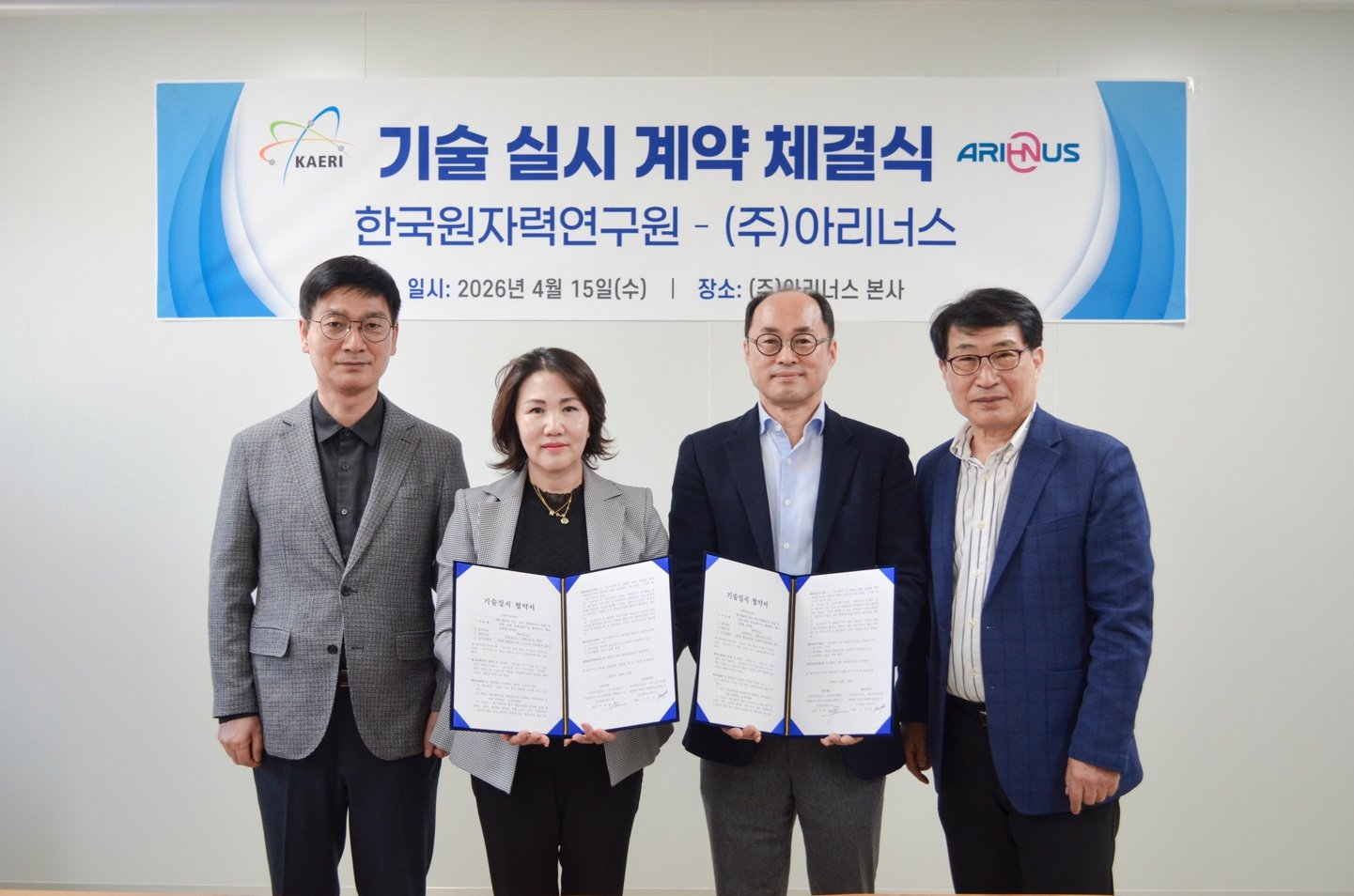
KAERI has transferred the related technology to Arinus Co., Ltd. (CEO Lee Jeong-ok), a company specializing in health functional foods. Based on this technology, the company plans to expand development of radiation therapy adjuvants and health functional foods.
Provided by KAERI
In particular, the contract also includes a high-purity hesperidin extraction technology that utilizes radiation convergence technology. Previously, it was difficult to achieve high-purity extraction due to pesticide residues remaining in tangerine peels. The research team developed a new extraction method that uses radiation to break down pesticide components while increasing the hesperidin content.
Dr. Park Sang-hyun, who participated in the study, stated, “Even after the technology transfer, we plan to continue cooperating with the company throughout its product development and commercialization process.”
Jung Byung-yeop, head of the Advanced Radiation Technology Institute, said, “This will become a case in which the institute’s technology enhances the product competitiveness of small and medium-sized enterprises,” adding, “We will continue to focus on developing radiation bio-technologies that can contribute to promoting public health.”
ⓒ dongA.com. All rights reserved. Reproduction, redistribution, or use for AI training prohibited.
Popular News