Combining genetic and DNA methylation markers to predict treatment response… spotlight on the companion diagnostics market
An artificial intelligence (AI) technology that predicts the effectiveness of immuno-oncology drugs for each individual patient has been granted a patent. Attention is focusing on whether it can help overcome the current limitation, with treatment success rates hovering around 20%.
SCL Science announced on the 24th that its subsidiary NeogenLogic has received a patent decision for its technology that predicts responsiveness to immuno-oncology treatment. The technology predicts treatment effectiveness in advance by combining a patient’s genetic information with immune response-related indicators.
Immuno-oncology drugs are therapies that induce immune cells to attack cancer by blocking inhibitory signals. However, responses vary significantly depending on cancer type, stage, and patient condition, and actual treatment success rates are known to remain at around 15–20%. As a result, the need for “companion diagnostics” to estimate treatment effectiveness before therapy has been consistently raised.
● Overcoming limitations of existing tests…incorporating gene expression
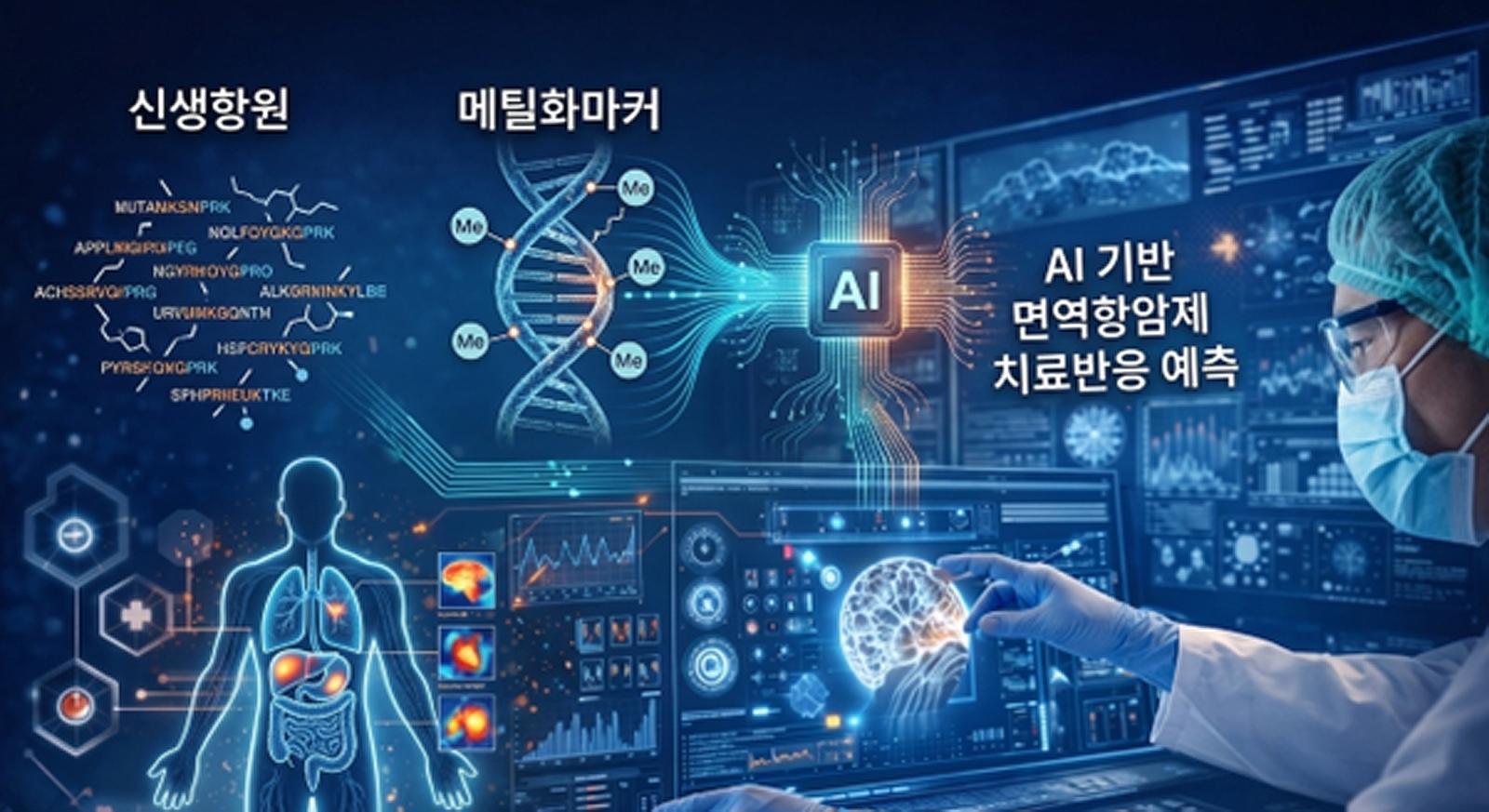
The new technology analyzes both neoantigen indicators generated by NeogenLogic’s AI model “DeepNeo” and DNA methylation markers. Whereas existing test methods focused on the quantity of tumor mutations, this model incorporates gene expression regulation, improving prediction accuracy.
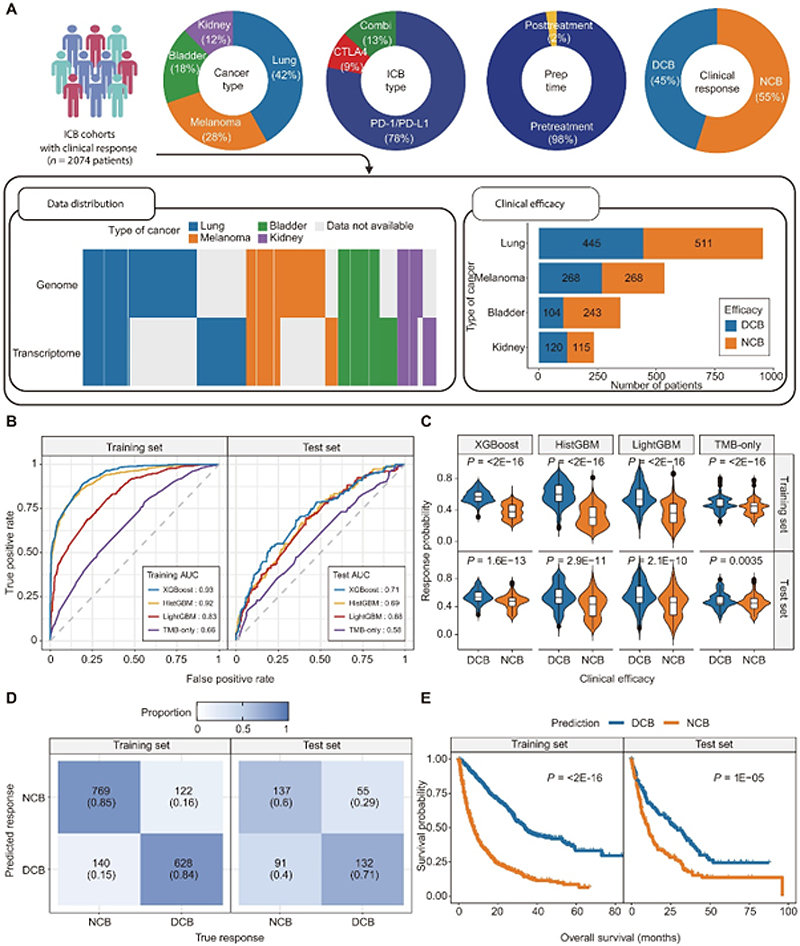
In an analysis of 123 lung cancer patients at Samsung Medical Center in Seoul, the technology more accurately distinguished treatment response and survival compared with existing PD-L1 and TMB tests. According to NeogenLogic, the prediction performance (AUC) of the DeepNeo-based model was 0.93, higher than that of the existing TMB model (0.66).
Additional research using data from more than 2,000 patients showed similar trends, and the related findings were published in the international journal Science Advances in December last year.
● Still pre-clinical…focus on the companion diagnostics market
However, this technology remains at the patent and research stage, and the effect of improved survival rates resulting from actual changes in treatment strategy has not yet been demonstrated in clinical trials.
The research team stated, “We are currently at the stage of validating algorithm performance based on clinical cohort data, and there are no cases yet where treatment strategies were actually changed and improvements in survival rates were confirmed,” but added, “Given that a statistically significant difference in survival rates was observed compared with existing indicators when patient groups were selected using this model, it may contribute to treatment strategy selection when applied in clinical practice in the future.”
They further noted, “Currently commercialized companion diagnostic tests are also used to determine patient eligibility before treatment, applying immuno-oncology drugs when appropriate and rapidly switching to other therapies when they are not.”
On the technology’s differentiation, they explained, “Existing AI models or TMB indicators assess primarily the quantity of mutations, so their predictive power diminishes when immune evasion by cancer cells occurs,” adding, “DeepNeo focuses on neoantigens derived from genes essential for cancer cell survival and combines this with DNA methylation indicators to enhance prediction accuracy.”
The industry is paying attention to the possibility that, in the field of cancer treatment, companion diagnostics may be commercialized and generate revenue earlier than therapeutics themselves. The immuno-oncology companion diagnostics market is projected to grow from USD 6.16 billion in 2025 to USD 17.95 billion in 2034.
SCL Science plans to pursue commercialization of its companion diagnostic services after obtaining approval from the Ministry of Food and Drug Safety and the U.S. FDA. The company stated, “Although the timing of commercialization has not yet been determined, we are considering options such as developing test products in collaboration with subsidiaries including SCL Healthcare, or providing the technology to external institutions.”
ⓒ dongA.com. All rights reserved. Reproduction, redistribution, or use for AI training prohibited.
Popular News