First public unveiling since its founding in 1976… Freezers storing some 5,000 microbial strains
Home to Korea’s only “colon-mimicking system”… Focused on microbiome research
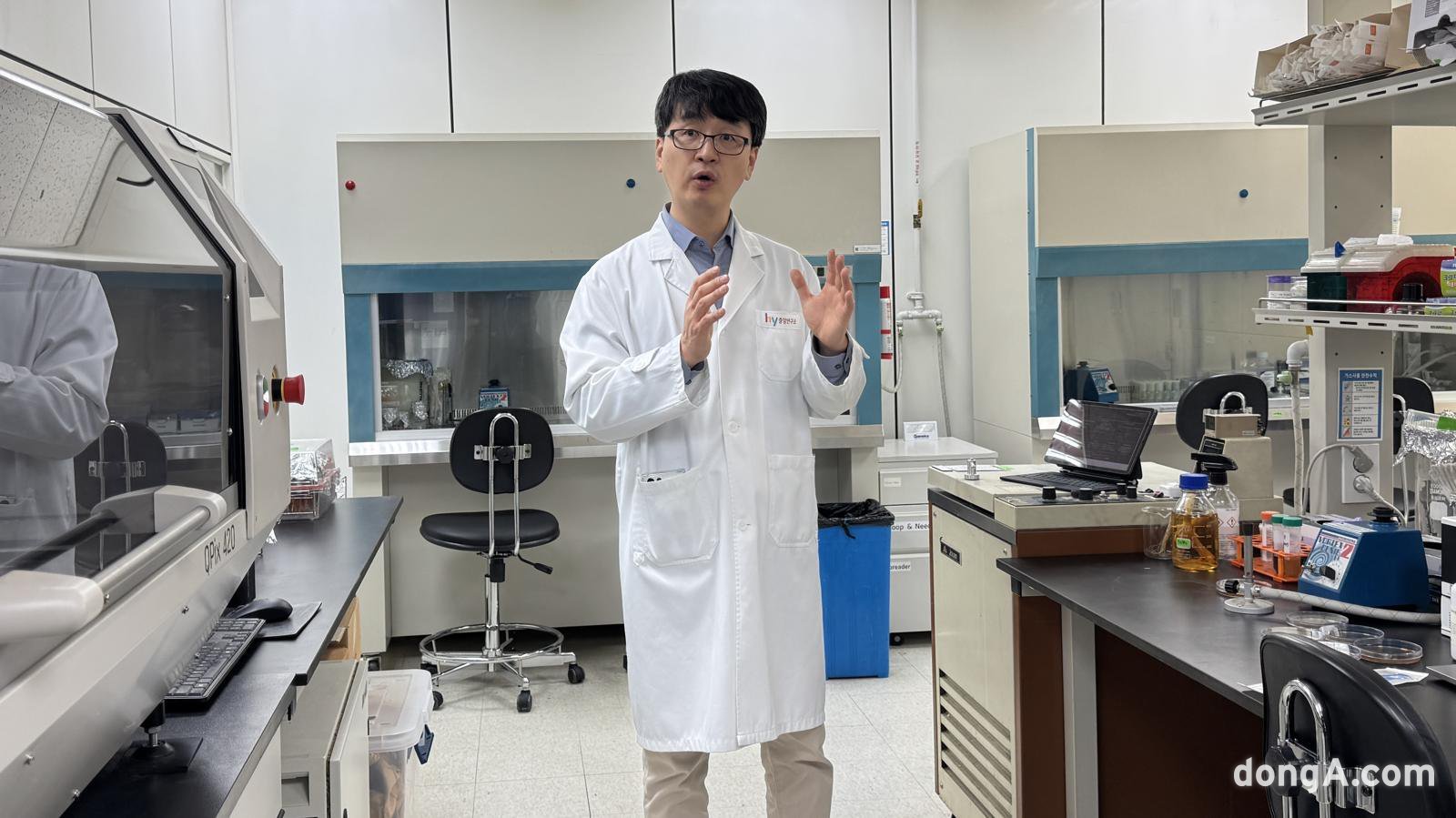
On the 23rd, at the hy Central Research Institute in Yongin, Gyeonggi Province, Probiotics Team Leader Kim Yong-tae explains the process of discovering strains from raw materials. Reporter Kim Hye-rin sinnala8@donga.com
“The hy Central Research Institute is not simply a research organization, but a space that presents the company’s future and strategic direction. Just as it established the first corporate-affiliated research institute in the Korean food industry, it will play a role in creating a new 50 years of history.”
On 23 April, Research Planning Team Leader Yang Jun-ho stated this about the institute’s vision at the hy Central Research Institute located in Giheung-gu, Yongin, Gyeonggi Province. This is the first time since its launch in 1976 that the research institute has been opened to the media.
This is hy’s core base that carries out the entire process from strain discovery and functional development to prototype production. Yang said, “Among domestic companies, there are very few that handle the entire process from discovering strains to industrialization and distribution,” adding, “We not only produce raw materials but also manufacture finished products in our own plants and supply them through Fresh Managers.”
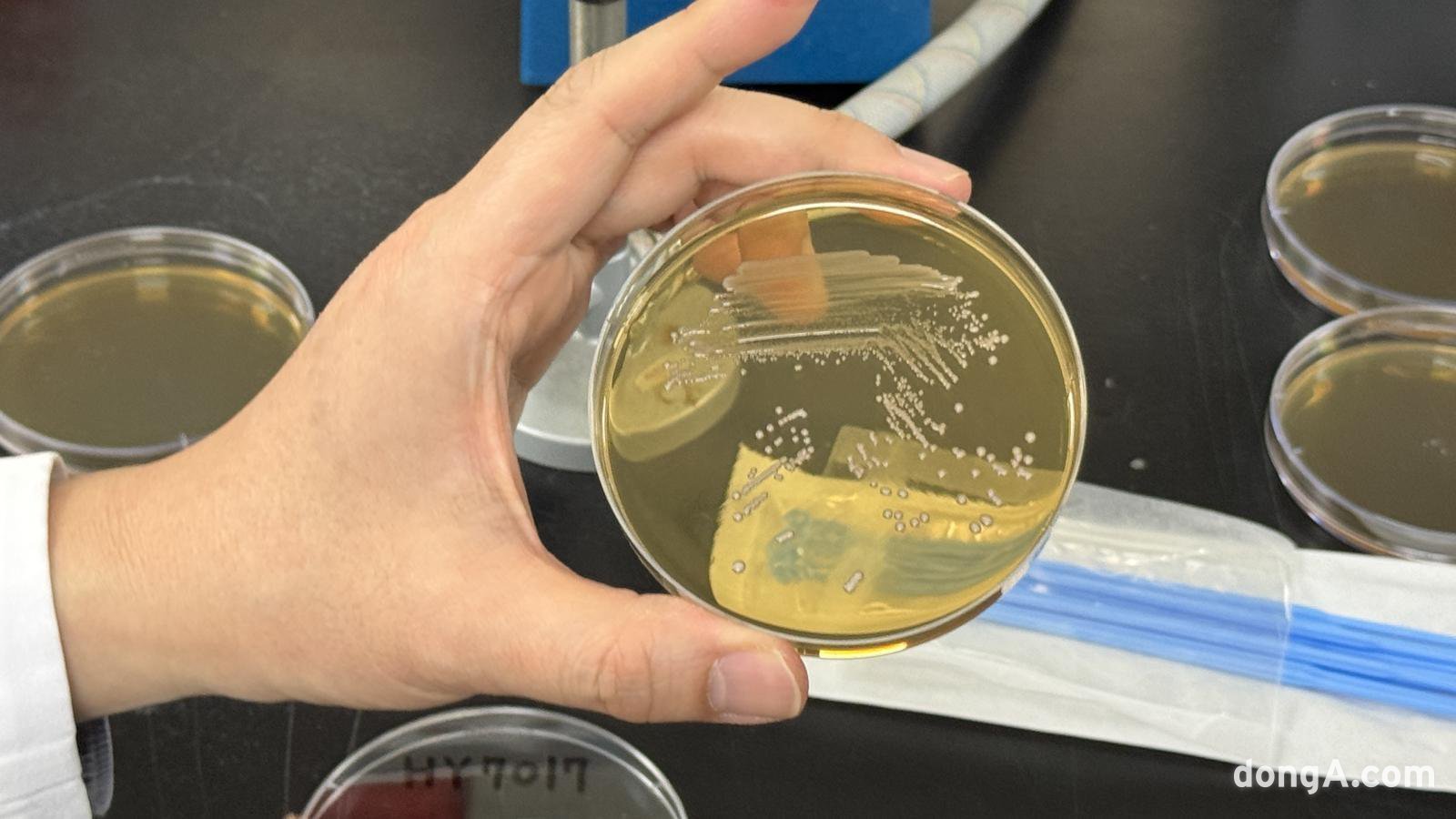
After incubation, the strain formed dot-shaped colonies. Reporter Kim Hye-rin sinnala8@donga.com
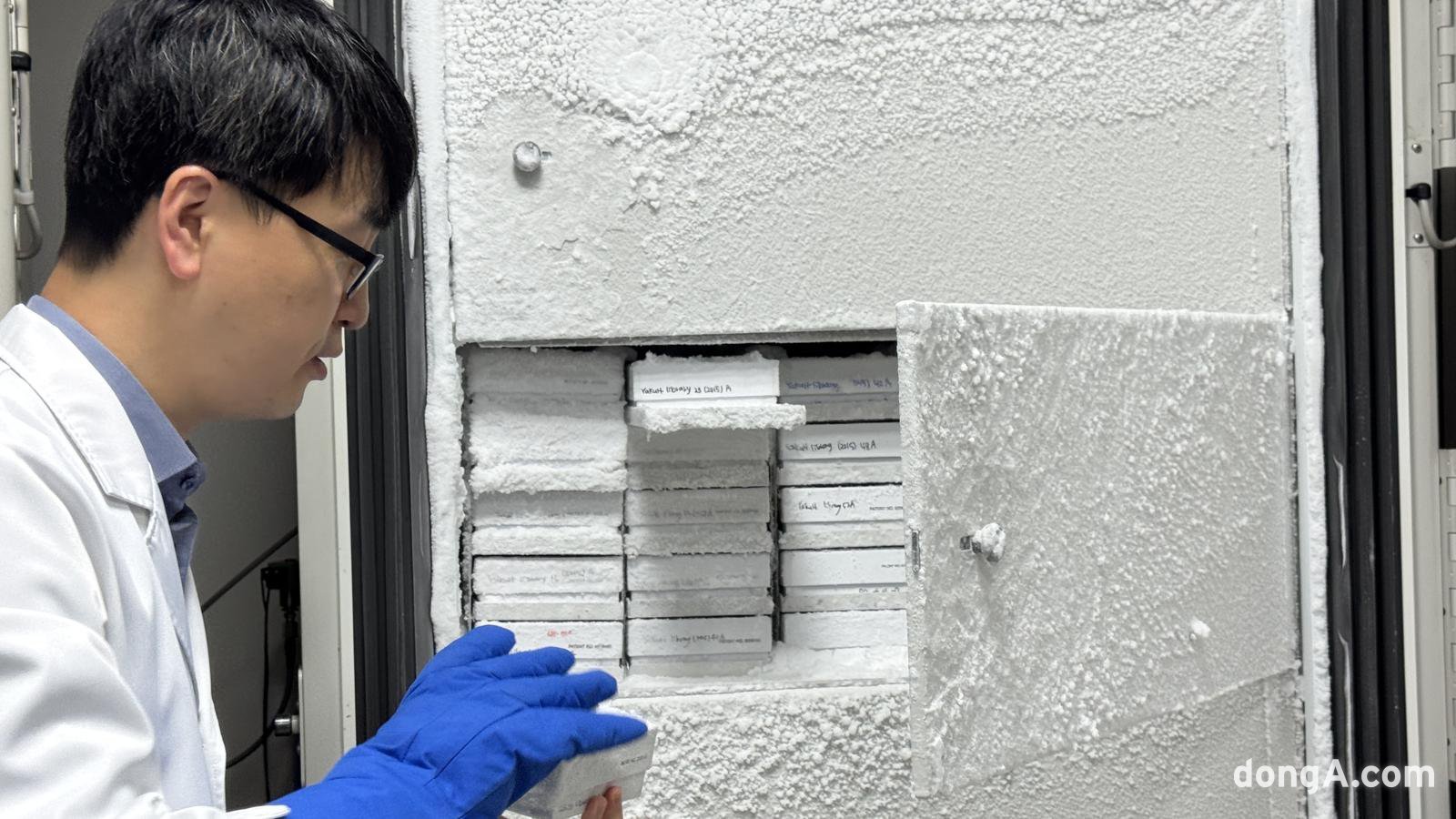
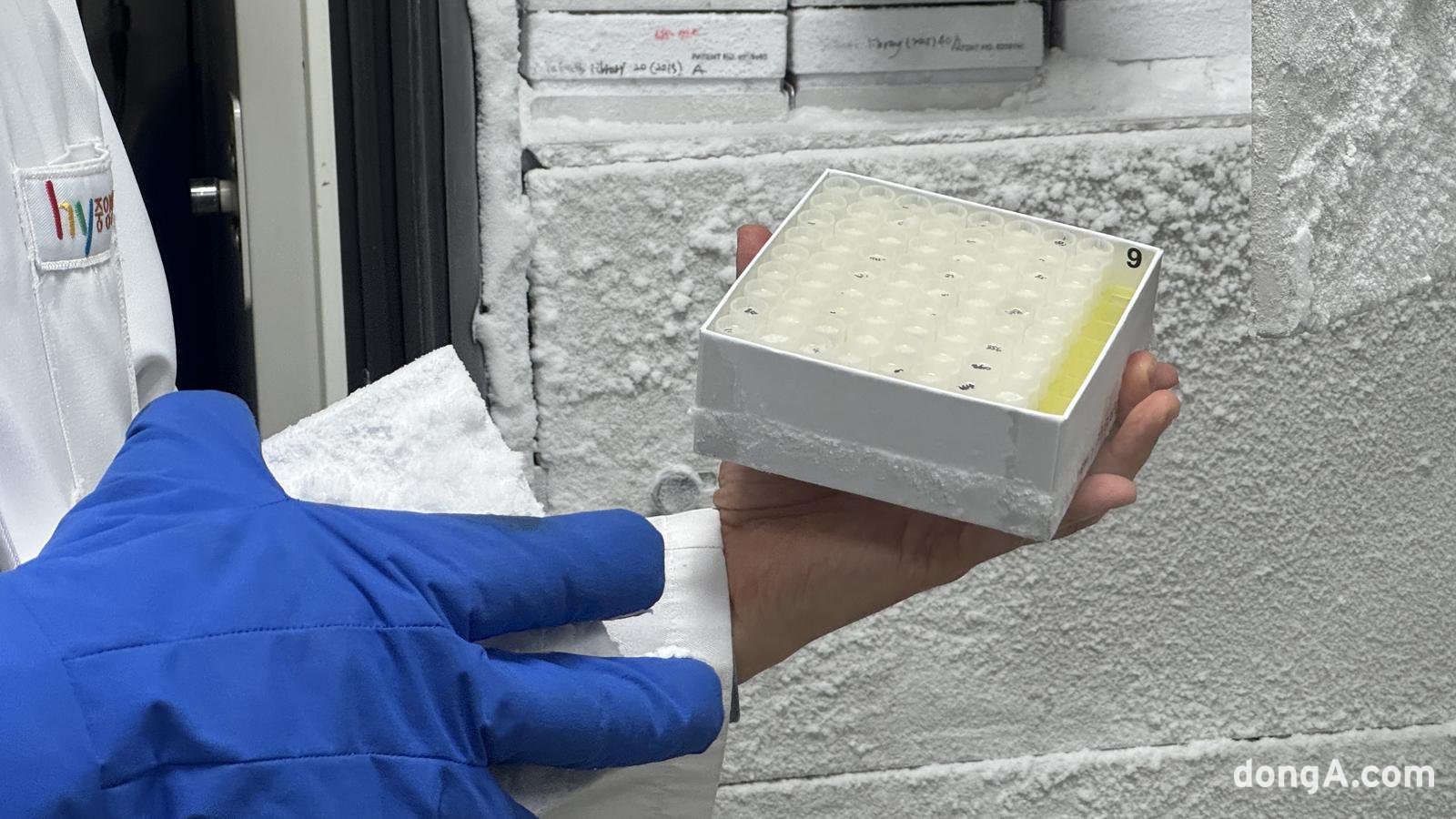
More than 5,000 strains are stored in an ultra-low temperature freezer at minus 80 degrees Celsius. Reporter Kim Hye-rin sinnala8@donga.com
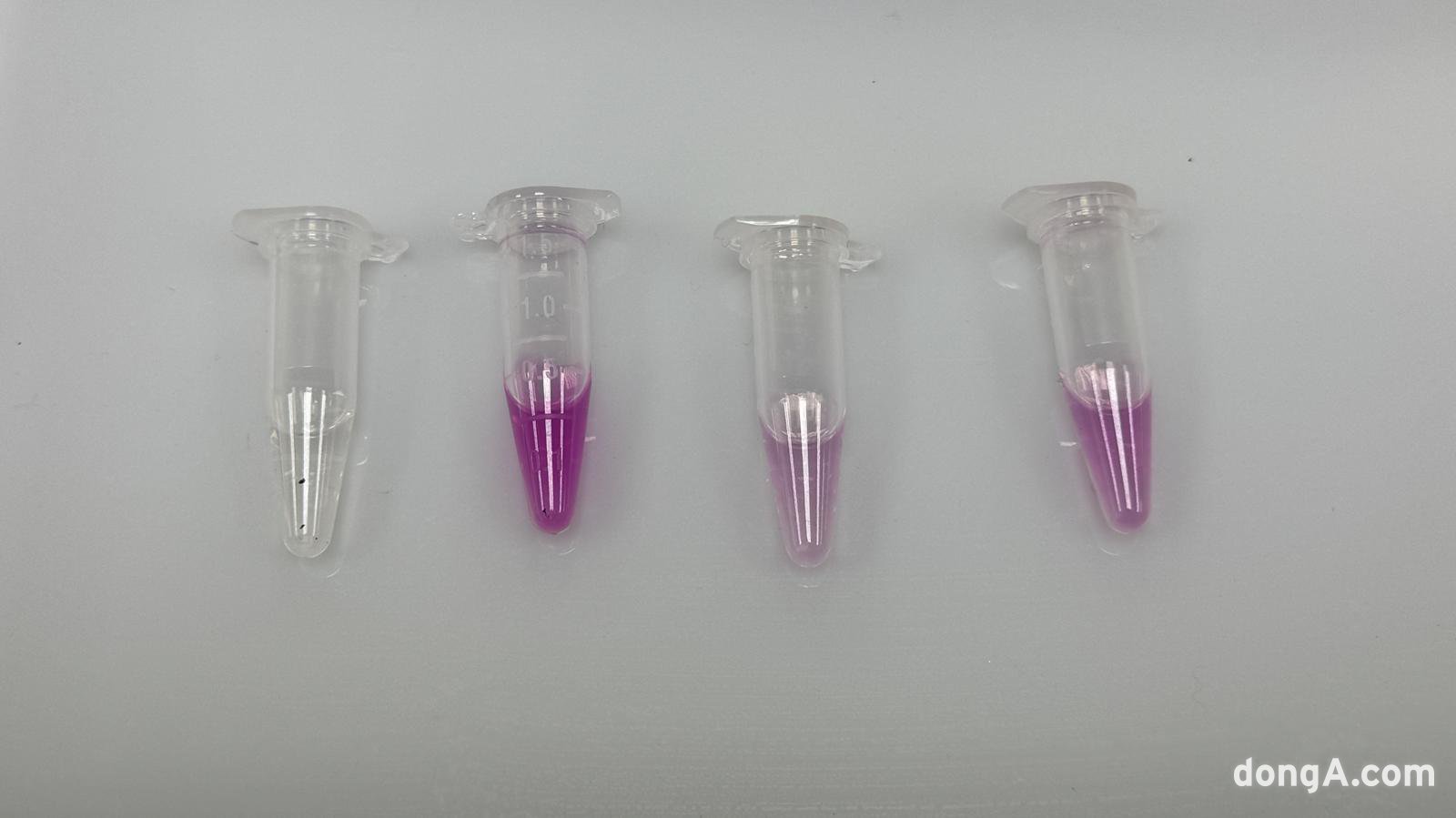
An experiment was conducted to verify the anti-inflammatory effect of the strain. Reporter Kim Hye-rin sinnala8@donga.com
On site that day, Probiotics Team Leader Kim Yong-tae explained the process of discovering strains from raw materials such as ginseng. By spreading microorganisms widely on a culture medium and going through a streaking process to isolate single strains, and then incubating them in an incubator, individual cells repeatedly divide and form colonies that appear to the naked eye as white dots.
The secured strains are then evaluated for acid resistance, intestinal adhesion, and safety. Strains that pass verification are managed by assigning them a “strain number,” akin to a personal resident registration number.
The core asset, the strain library, was also visible. More than 5,000 strains are stored in an ultra-low temperature freezer at minus 80 degrees Celsius. To prepare for emergencies such as fire, hy stores identical sets of strains in three separate locations.
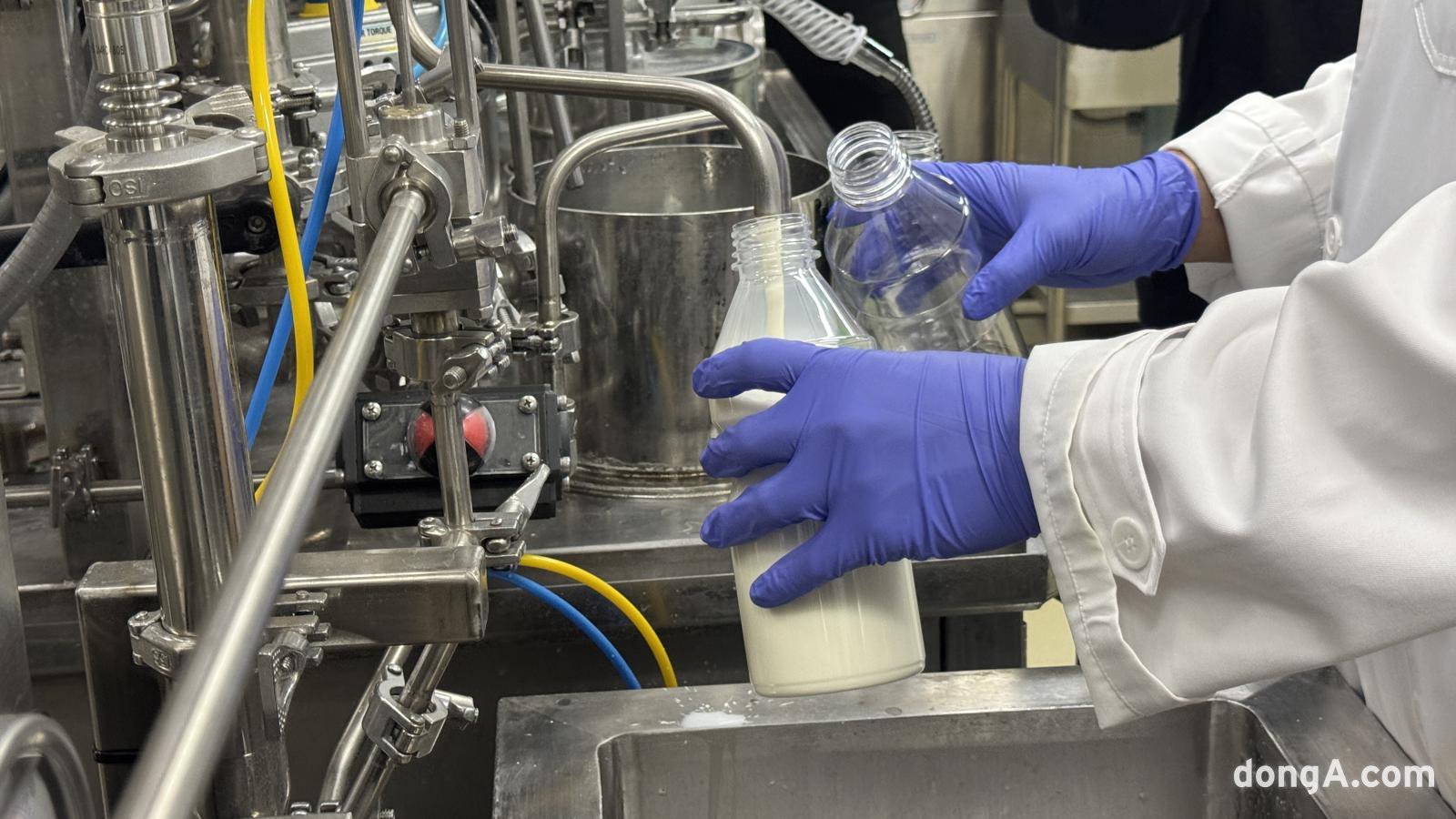
After passing through a homogenizer, the cultured liquid with a smoother texture is filled into bottles. Reporter Kim Hye-rin sinnala8@donga.com
The New Materials Development Team verifies the efficacy of the strains discovered in this way. On site, an experiment was conducted to confirm the immune effects of the strains. From left to right were a general immune cell group, a cell group treated with an inflammation-inducing substance, a cell group administered an anti-inflammatory drug, and a cell group treated with probiotics.
The darker the color, the higher the inflammation level. Once reagents were added, the group of cells in which inflammation was induced turned a deep purple. In contrast, the cells treated with probiotics showed a color as light as that of the control group treated with anti-inflammatory drugs. This indicates that the strain exhibited an inflammation-alleviating effect.
The “colon simulation system” facility that can be used to study the microbial ecosystem, or “microbiome,” by simulating the human large intestine environment. Reporter Kim Hye-rin sinnala8@donga.com
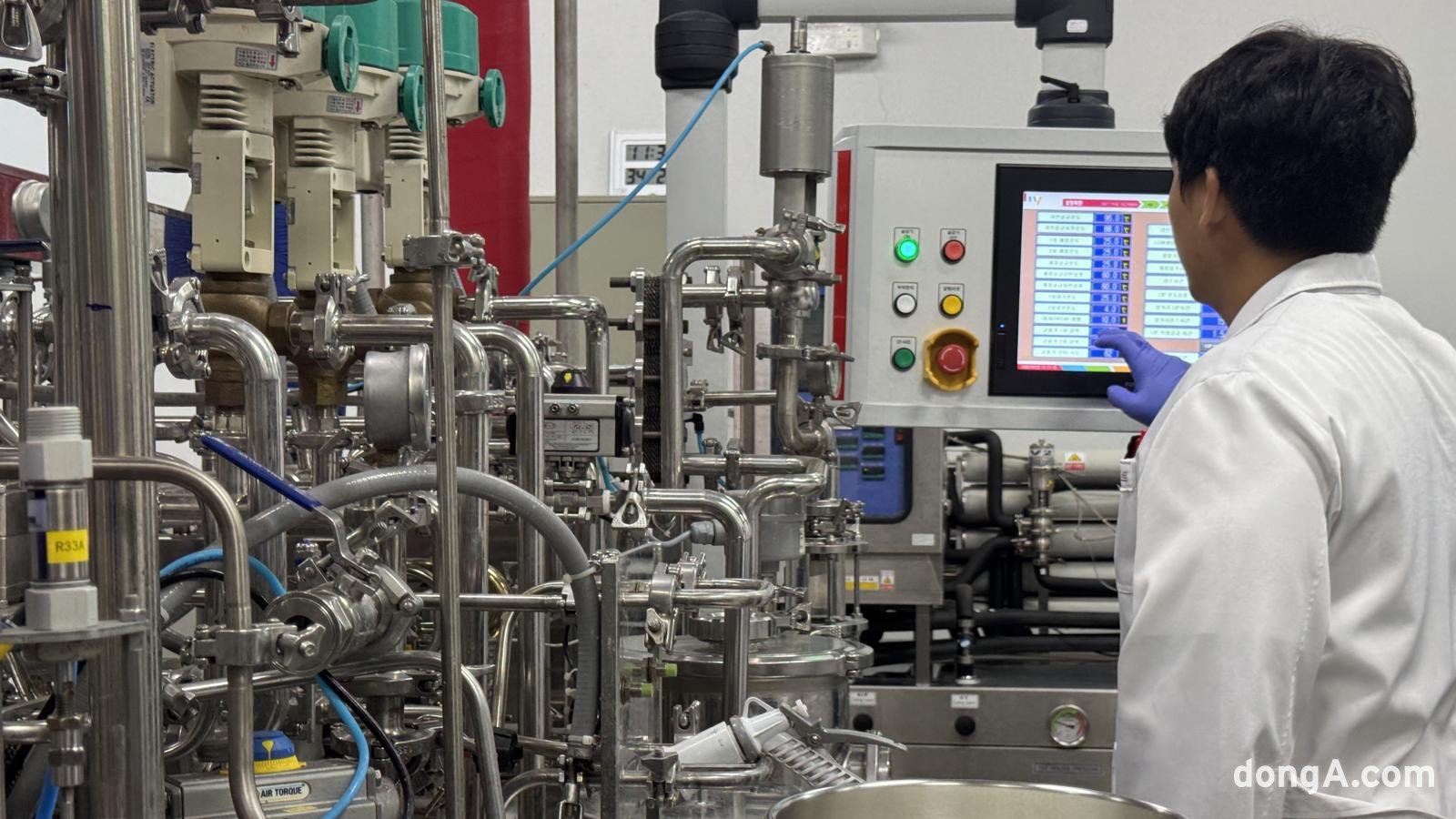
Prototype development is handled by the Dairy Products Team. At the institute’s pilot plant, the team works on optimizing process conditions, confirming mass-production feasibility, and checking quality stability. On this day, the pilot plant demonstrated the process of producing cultured liquid. Initially, the cultured liquid made by mixing milk, skim milk powder, and other ingredients has a coarse, tofu-like texture, but after undergoing homogenization at a certain pressure, it acquires a smooth mouthfeel.
When the reporter tasted the extracted cultured liquid, it was sour like unsweetened Greek yogurt. By blending this cultured liquid with syrup and flavoring, it produces a taste similar to commercially available yogurt drinks. Dairy Products Team Leader Lee Eung-seok explained, “The leading actor called probiotics and the supporting roles such as syrups and flavorings come together to create the movie called a product.”
Scientific validation of hy’s strains falls to the New Growth Team. This team is responsible for obtaining individual functional recognition for strains from the Ministry of Food and Drug Safety and industrializing these materials. New Growth Team Leader Choi Il-dong said, “Recently, consumers are demanding a variety of functionalities beyond intestinal health, such as skin, diet, and immunity,” adding, “Our role is to secure scientific evidence and obtain official recognition within the regulatory framework.”
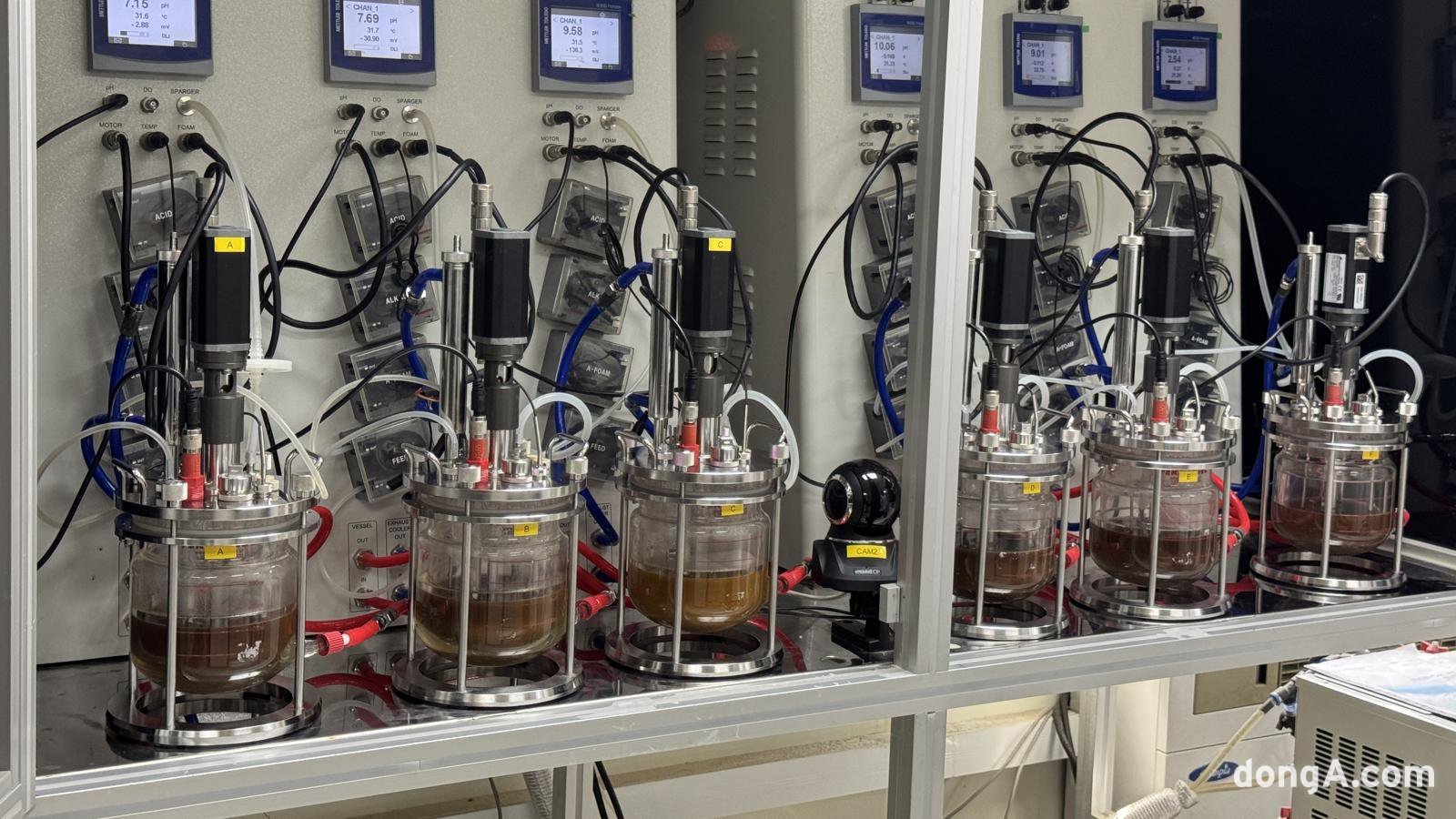
In particular, the institute has recently been focusing on research into the microbial ecosystem known as the microbiome. hy is the only company in the domestic food industry that possesses a “colon simulation system” capable of simulating the human large intestine environment. Upon entering the laboratory, the smell of feces was pungent. The three containers on the left side of the facility held general fecal samples, and the three on the right held fecal samples to which probiotic strains had been added. By using equipment that simulates the structure of the ascending, transverse, and descending colon, researchers can track in real time how the fecal microbiome changes in an actual colon.
Choi said, “Even when people consume probiotics, the effects differ depending on sex, race, age, disease status, dietary habits, and lifestyle patterns,” adding, “Understanding the microbiome to clarify the diverse functionalities of probiotics provides significant help in venturing into an unknown world.”
hy aims to be recognized as a leading probiotics company in the global market beyond Korea. Yang Jun-ho said, “In Korea, hy is regarded as a representative probiotics company, but its brand recognition overseas is still not very high,” adding, “We have been striving for several years to secure quantitative and qualitative data that meets global standards.”
In practice, hy invests considerable effort each year in developing papers and patents. The company has currently registered 124 patents and publishes 10 to 15 papers annually. According to the institute, these papers are consistently published in international academic journals that represent the global standard.
Yang added, “If the past 50 years were the process of being recognized as the No. 1 probiotics company in Korea, then going forward, the mission of the institute is to become ‘global number one,’” and continued, “We are confident that hy is already at a level that can be fully recognized when introduced externally.”
ⓒ dongA.com. All rights reserved. Reproduction, redistribution, or use for AI training prohibited.
Popular News