Spring Atopic Dermatitis Lifestyle Guidelines
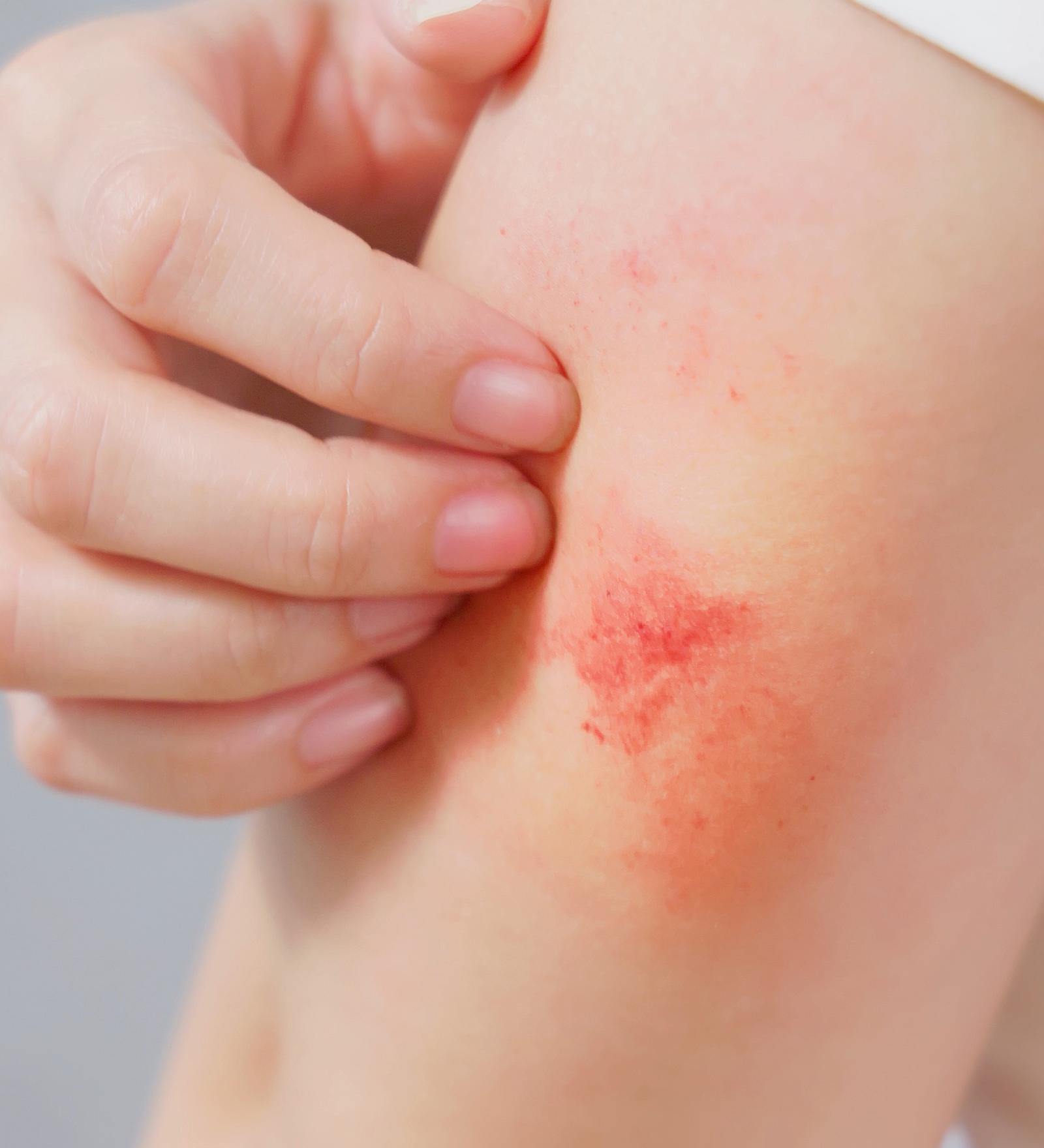
During seasonal transitions, the skin dries out easily and becomes sensitive. This period is particularly prone to symptom aggravation for patients with atopic dermatitis. Getty Images Bank
During seasonal transitions, sharp changes in temperature and humidity cause the skin to dry out easily and become sensitive. This period is particularly prone to symptom aggravation for patients with atopic dermatitis. As winter turns to spring, large daily temperature fluctuations and an increase in environmental factors such as fine dust and pollen can place a burden on patients whose skin barriers are weak.
Experts emphasize that, during seasonal transitions, managing the living environment is as important as skin moisturization. Appropriate management and treatment are needed before symptoms worsen.
Dry air in transitional seasons weakens the skin barrierAtopic dermatitis is a chronic inflammatory skin disease in which weakened skin barrier function leads to recurrent inflammation and itching. During seasonal transitions, larger temperature gaps between day and night and drier air cause skin moisture to evaporate easily, which can exacerbate symptoms.
When the skin barrier is weakened, external irritants or allergen-inducing substances can penetrate the skin more easily, leading to inflammatory reactions. In this process, severe itching occurs, and repeated scratching creates a vicious cycle in which skin damage becomes more serious.
Recently, research has also been conducted to more precisely identify the causes of itch in atopic dermatitis. A domestic research team has drawn attention by developing a three-dimensional artificial skin model that closely reproduces the microenvironment of the skin in patients with atopic dermatitis.
Mechanism of atopic itch identified… 3D artificial skin model developedProfessor Kim Rak-gyun’s research team in the Department of Biomedical Science at Yonsei University College of Medicine, in collaboration with Professor Park Kyung-min’s team at Incheon National University and Professor Choi Jung-min’s team at Korea University, developed a three-dimensional artificial skin model that reproduces the microenvironment of atopic dermatitis similar to actual skin.
Existing atopic research has mainly been conducted through two-dimensional cell cultures or animal experiments. However, these methods have limitations in sufficiently reflecting the complex pathophysiology found in actual patient skin tissue, including interactions between structural cells and immune cells and hypoxic conditions.
The research team analyzed skin tissue from atopic patients using single-cell RNA sequencing and identified a specific fibroblast subtype that overexpresses itch-inducing factors. They then created a three-dimensional structure using a gelatin-based hydrogel to mimic a hypoxic environment and reproduced the inflammatory microenvironment of atopic dermatitis in the laboratory.
The study found that cells exposed to hypoxic conditions in this artificial skin model secreted itch-related factors and activated sensory neurons. This result demonstrates that pruritus, the core symptom of atopy, arises from complex interactions among skin structural cells, immune responses, and the nervous system.
Professor Kim Rak-gyun said, “It is expected to serve as a technological foundation that can change the treatment paradigm in clinical practice, as it may be used to establish patient-specific customized treatment strategies,” adding, “We will continue research so that it can be applied not only to atopy but also to the development of treatment strategies for chronic inflammatory skin diseases in general.”
Lifestyle habits are crucial for managing atopy during seasonal transitionsIn spring, various environmental factors such as fine dust, yellow dust, and pollen increase. These substances can irritate the skin or trigger allergies, aggravating atopic symptoms. In addition, repeated drying of the skin caused by indoor-outdoor temperature differences also acts as a factor that worsens symptoms.
Experts explain that, during seasonal transitions, it is helpful to use sufficient moisturizer after bathing to maintain skin moisture and to wash off dust or irritants adhering to the skin after going outside.
Atopic dermatitis is a condition where consistent management is more important than complete cure; when symptoms become severe, it is necessary to receive appropriate treatment through consultation with a physician.
ⓒ dongA.com. All rights reserved. Reproduction, redistribution, or use for AI training prohibited.
Popular News