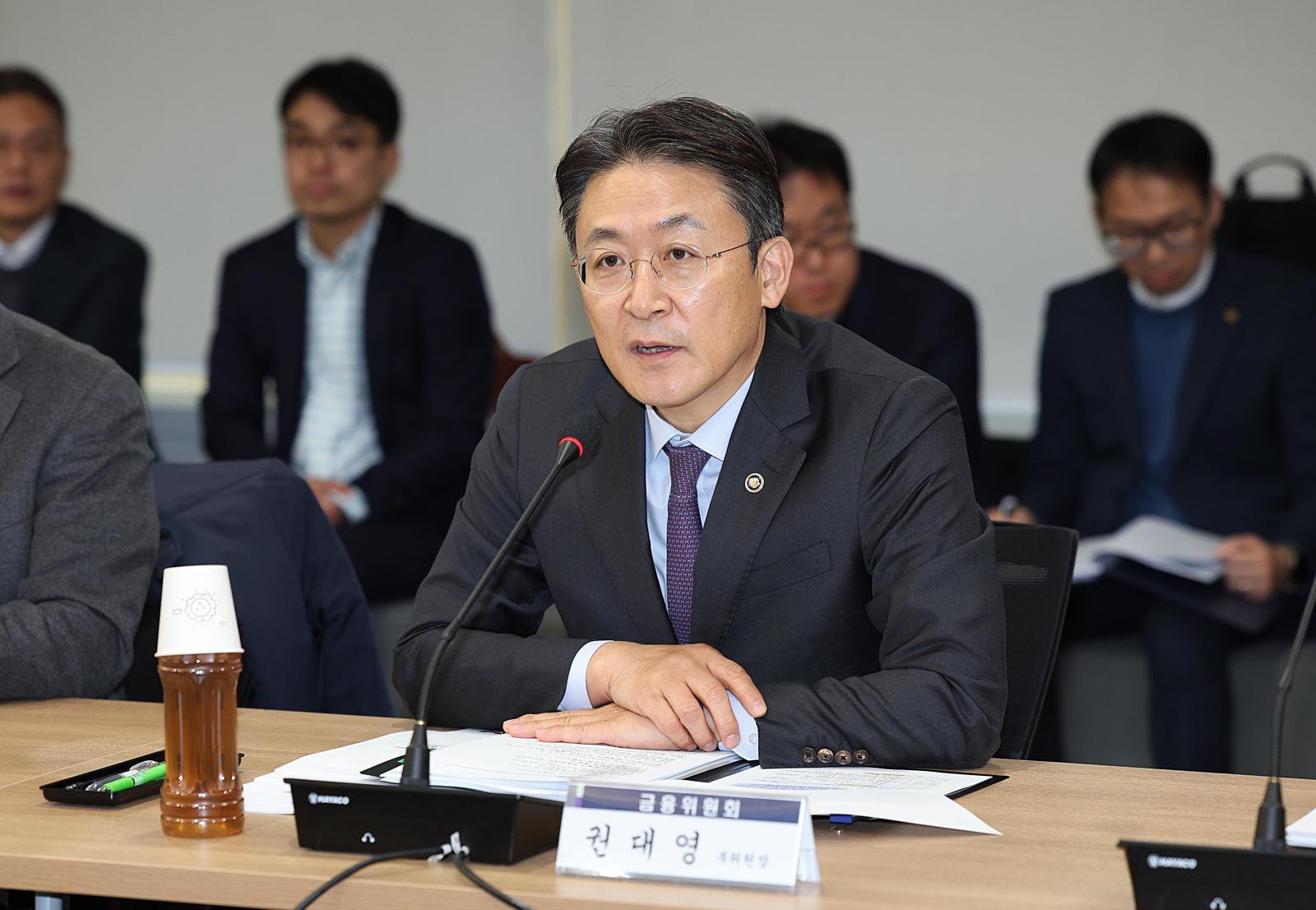
Kwon Dae-young, Vice Chairman of the Financial Services Commission, speaks during the 13th Policy Finance Support Council held on the morning of the 24th at the Mapo Front One conference room in Mapo-gu, Seoul, together with relevant ministries and policy finance institutions. (Provided by the Financial Services Commission. Resale and DB prohibited) 2025.12.24/News1
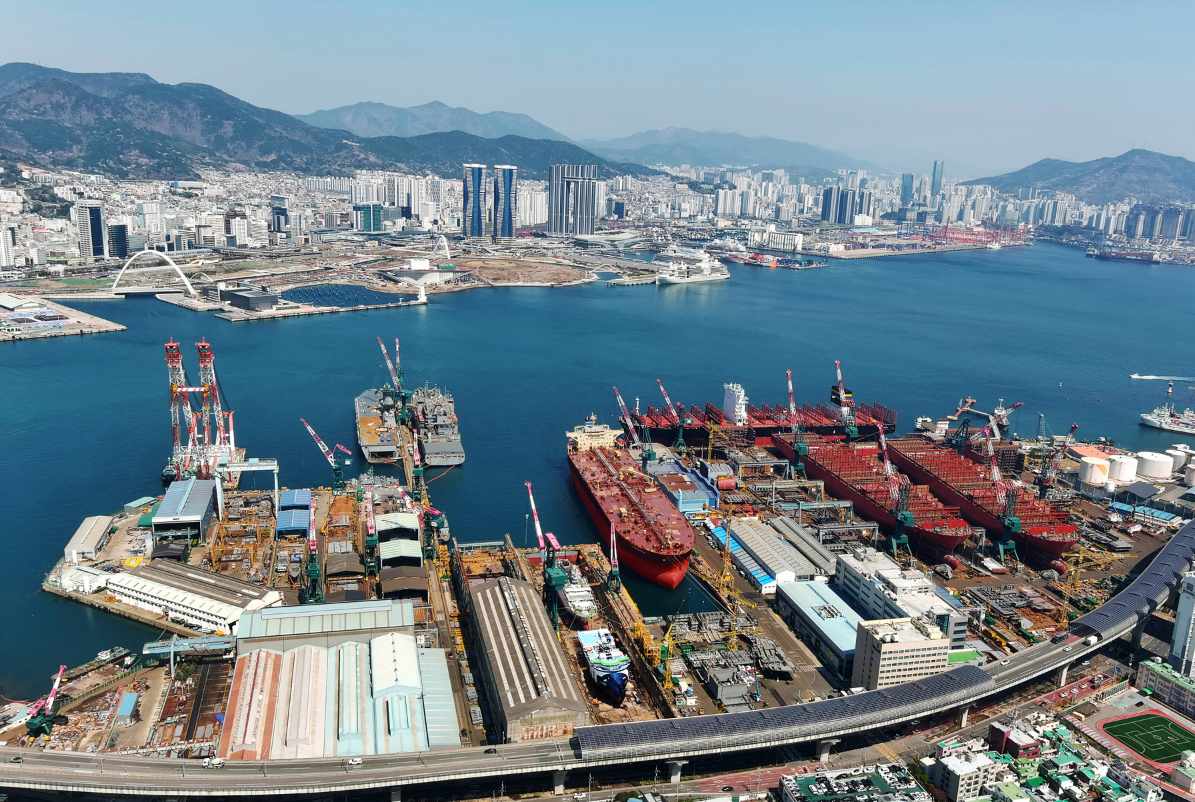
Policy finance institutions, including Korea Development Bank and Industrial Bank of Korea, will provide KRW 252 trillion in policy finance next year. Of this, KRW 150 trillion will be directed to five key advanced strategic industries, including semiconductors, and KRW 106 trillion will be invested in regional industries to revitalize local economies.
The Financial Services Commission (FSC) announced on the 24th that it held the “13th Policy Finance Support Council” with relevant ministries and policy finance institutions, presided over by FSC Vice Chairman Kwon Dae-young, and finalized the 2026 policy finance supply plan. Vice Chairman Kwon stated, “Next year’s policy finance will focus more on five key areas: unprecedented support for advanced industries, patient investment in future promising industries, support for upgrading the value-added structure of core industries, nurturing venture, innovative and technology companies as well as small and medium-sized enterprises (SMEs) and mid-sized enterprises, and easing business management difficulties arising from factors such as the high exchange rate.”
The four major policy finance institutions (Korea Development Bank, Industrial Bank of Korea, Korea Credit Guarantee Fund, and Korea Technology Finance Corporation) will provide KRW 252 trillion in policy finance next year, an increase of 1.8% from this year. Policy finance will be intensively supplied to the five key strategic areas (47 segments), including advanced strategic industries, with more than KRW 150 trillion. This is KRW 12 trillion (8.9%) higher than this year’s target of KRW 138 trillion.
KRW 42.5 trillion will be invested in fostering advanced strategic industries such as semiconductors, secondary batteries, bio, and artificial intelligence (AI). KRW 24.7 trillion will be provided to future promising industries, including nano, hydrogen, aerospace, defense, agri-food, and wind power. KRW 32.2 trillion is allocated for industrial structure advancement and restructuring of existing industries, and KRW 19 trillion is earmarked for nurturing unicorn ventures and SMEs and mid-sized enterprises. A further KRW 31.8 trillion will be prepared as funds to alleviate corporate management difficulties arising from deteriorating external conditions such as the high exchange rate.
The FSC explained that the National Growth Fund will play a differentiated role from traditional policy finance focused on guarantees and loans by engaging in equity investment in mega-projects and sharing risk in advance. Vice Chairman Kwon said, “The KRW 150 trillion supply plan for key areas is separate from the National Growth Fund, which will be fully launched from next year,” adding, “Through the National Growth Fund as well, more than KRW 30 trillion per year will be provided to advanced strategic industries and the broader related ecosystem.”
In addition, starting next year, with the implementation of the “Policy Finance Regional Supply Expansion Target System,” more than KRW 106 trillion (41.7%) will be supplied to the regions.
At the meeting, detailed operation plans for next year’s National Growth Fund were also shared. The National Growth Fund will establish a general-purpose fund, dedicated scale-up funds, and industry- and region-specific funds to support advanced strategic industries and the broader industrial ecosystem. For indirect investment (policy funds, KRW 7 trillion), recruitment of parent fund managers will begin in January next year.
ⓒ dongA.com. All rights reserved. Reproduction, redistribution, or use for AI training prohibited.
Popular News