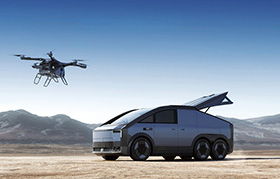
In 2025, Chinese consumer electronics brands such as Xiaomi, Roborock, and DJI entered the Korean market in earnest. Chinese-made appliances, once dismissed as cheap products to be discarded when they broke, have returned with an entirely different image. In certain categories, particularly robot vacuum cleaners, Chinese brands have already secured premium positions and begun reshaping the competitive landscape. Behind their rapid rise lie manufacturing capabilities accumulated through OEM production for global brands, innovation systems that nimbly integrate sensors, batteries, motors, and AI technologies, and aggressive overseas direct-to-consumer strategies leveraging C-commerce platforms such as “AliExpress” and “Temu.” It is also noteworthy that they have met the uniquely high standards of Korean consumers. Even when priced higher than domestic products, consumers are willing to tolerate cross-border purchasing and the inconvenience of initial setup, a testament to the recognized performance and user experience. As a result, the psychological barrier surrounding “Made in China” is rapidly eroding, posing a growing threat to Korea’s home appliance industry.
2025 will be remembered as the year the “most unfamiliar competition” began in the history of Korea’s electronics industry. Chinese brands have emerged as leading players in a domestic market long dominated by the duopoly of Samsung Electronics and LG Electronics.
The pace of change has been swift and forceful. In January, Xiaomi officially launched its Korean subsidiary and activated a direct-entry strategy that bypasses local distributors. Roborock, already a game changer in the robot vacuum market, has built a strong brand fandom through aggressive offline expansion, while in the second half of the year players such as BYD from the electric vehicle sector joined the fray, extending the battle across the broader hardware ecosystem. If 2024 marked the beginning of a price offensive led by C-commerce platforms such as AliExpress and Temu, 2025 was the year Chinese “products” themselves cleared the bar set by Korean consumers.
Behind this offensive lies a combination of survival instinct and qualitative evolution among Chinese companies. Seeking opportunities abroad to escape severe overheating in their domestic market, Chinese home appliance makers have grown to a level that makes it difficult to label them as mere copycats. In emerging appliance categories such as robot vacuum cleaners and drones, Chinese firms have already secured technological leadership that defines global standards. It won over even notoriously demanding Korean consumers by layering overwhelming quality and user experience on top of price competitiveness.
15,000개의 아티클을 제대로 즐기는 방법
가입하면, 한 달 무료!
걱정마세요. 언제든 해지 가능합니다.
This content was originally written in Korean in the DBR, and translated into English by the original author with the aid of AI
The DBR has all legal authority over this content. Please note that unauthorized use and distribution may be subject to legal sanctions








 경제·경영 질문은