German research team analyzes link between diet and aging markers
Getty Images Bank
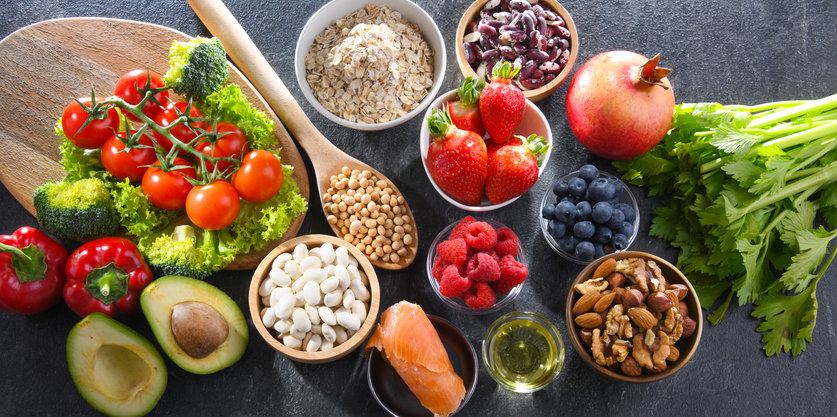
The Dietary Approaches to Stop Hypertension (DASH) diet, which involves reducing salt intake and eating plentiful amounts of vegetables and fruit, was developed in the United States in the 1990s to lower blood pressure. The MIND (Mediterranean-DASH Intervention for Neurodegenerative Delay) diet, announced in 2015 by a research team at Rush University in Chicago, recommends the consumption of leafy vegetables and berries for brain health. Although the foods recommended by the two diets differ slightly, a study found that the more closely people adhered to the recommendations, the more slowly they tended to age.
The German Center for Neurodegenerative Diseases analyzed 6,470 residents aged 30 to 95 in Bonn, Germany, from May 2016 to November 2021. Over the course of one year, the researchers evaluated how closely participants’ diets resembled a Mediterranean diet, how much healthy plant-based foods such as vegetables and whole grains they consumed, and other factors, using 10 criteria, and compared these with blood-based aging markers.
When the top 25% of participants with the healthiest diets for each criterion were selected, only 18 of the 6,470 people ranked in the top group across all 10 measures. However, it was clear that regardless of which specific diet pattern individuals followed, those who adhered more closely to any healthy diet showed a slower pace of aging.
For this analysis, the research team used an “epigenetic clock,” a tool that estimates biological aging based on patterns of attachment of a chemical group called a methyl group to the DNA of cells in the blood. Individuals whose diets were closer to the DASH or Nordic diets showed lower values on both indicators: the aging rate index and a measure comparing biological age with chronological age among peers. Monique Breteler, a professor at the University of Bonn, said, “There is room for people to eat healthily in ways that suit their personal preferences, food culture, budget, and taste.” The findings were published in August in the international journal Nature Communications.
Kim Jae-hyung
AI-translated with ChatGPT. Provided as is; original Korean text prevails.
ⓒ dongA.com. All rights reserved. Reproduction, redistribution, or use for AI training prohibited.