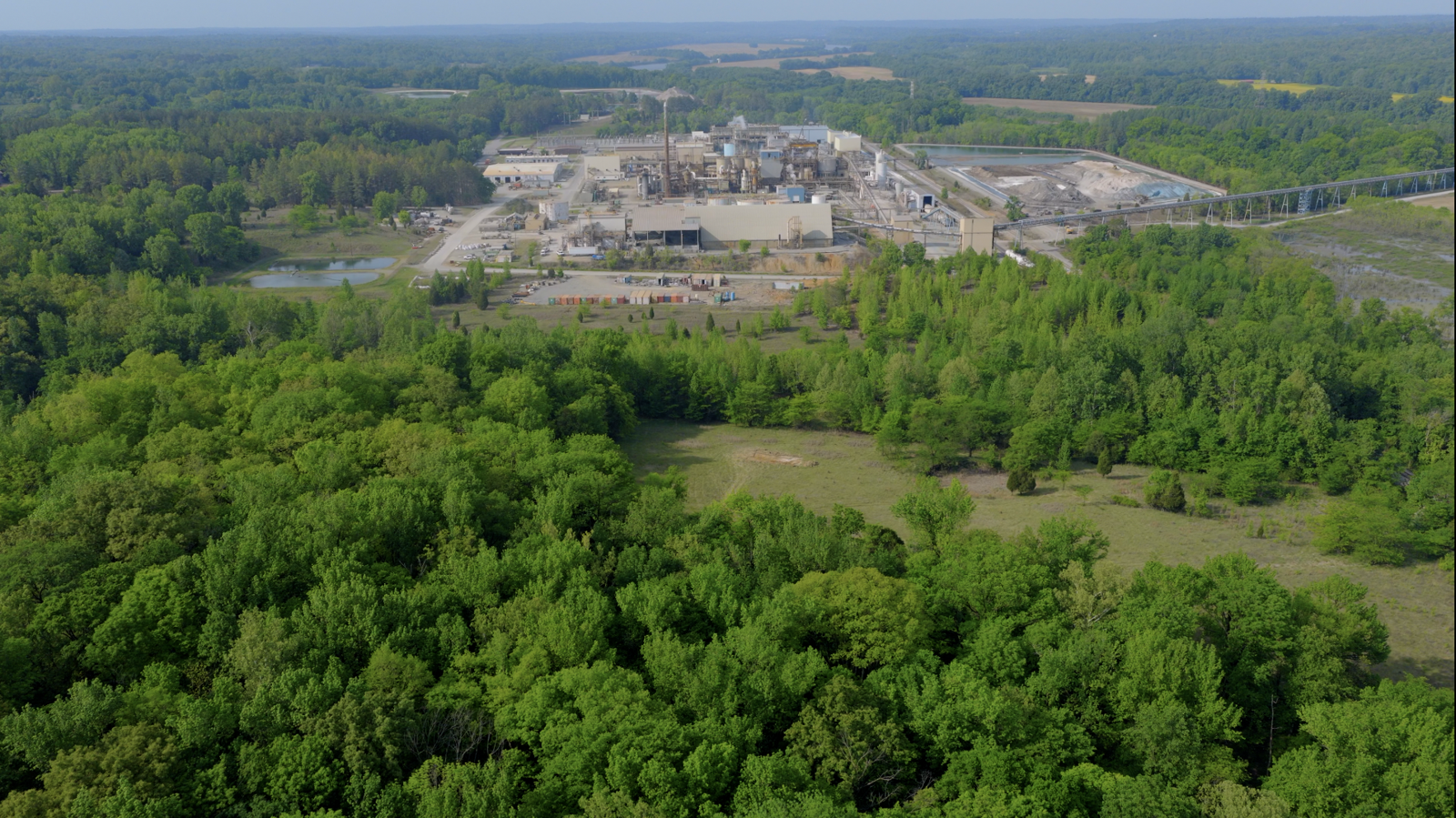
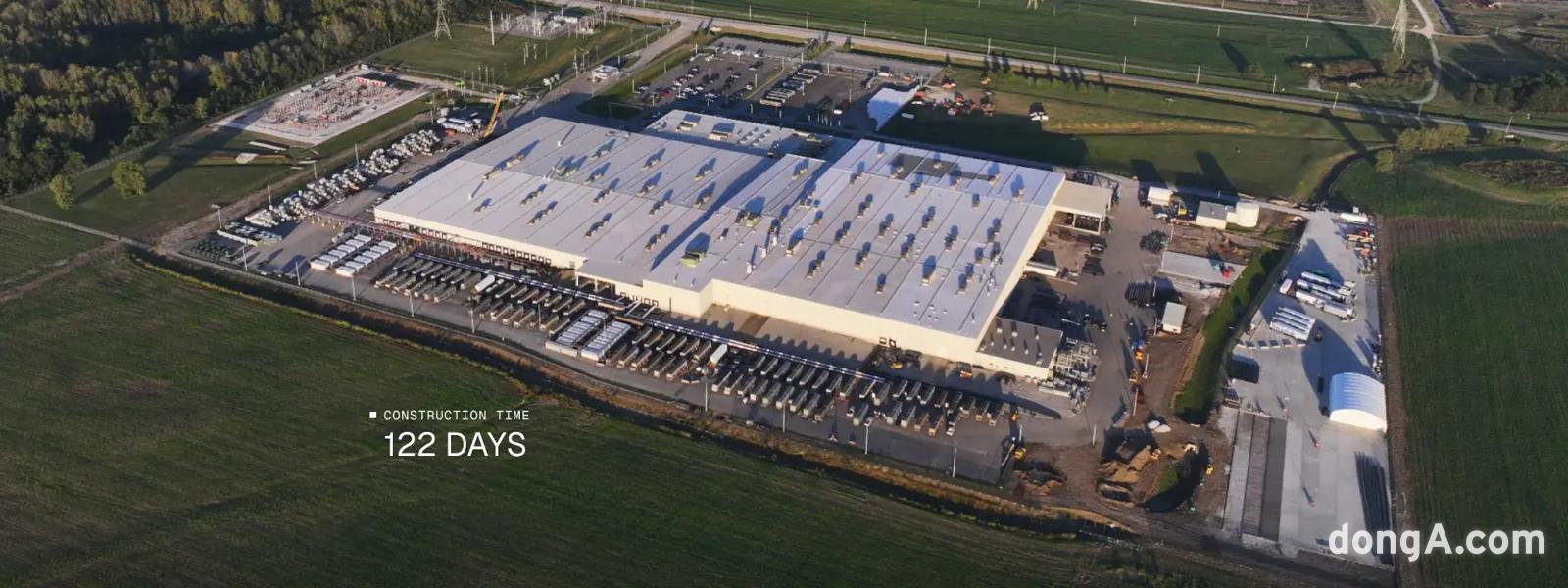
Panoramic view of the site for the integrated smelter in Clarksville, Tennessee, which Korea Zinc is promoting for construction in cooperation with the U.S. government. Provided by Korea Zinc
Korea Zinc’s large-scale nonferrous metal smelter construction project in Tennessee is continuing to receive a warm welcome from the local political community. Following U.S. President Donald Trump’s direct remarks on the project’s investment and job creation effects, the city’s mayor and a state legislator also expressed expectations for strengthening the critical mineral supply chain and revitalizing the regional economy.
According to Korea Zinc and local Tennessee broadcaster WKRN on the 15th, Joe Pitts, mayor of Clarksville, said of Korea Zinc’s smelter investment announcement, “We are very pleased with this announcement,” adding, “This is a very important moment in our nation’s history, at a time when critical minerals are needed nationally.”
Ronnie Glynn, a member of the Tennessee House of Representatives, also expressed expectations for the investment plan, saying, “Korea Zinc plans to acquire the existing zinc smelter and expand its size by twofold.”
Earlier, on the 10th (local time), President Trump directly mentioned Korea Zinc’s investment during a Republican midterm election campaign rally held in Clarksville, Tennessee.
According to local outlet Clarksville Online, President Trump said, “Korea Zinc is investing more than $6 billion in Montgomery County and Smith County, Tennessee, and creating 740 jobs.” He went on to stress that this would be the first new mineral smelter built in the United States since 1979 and that it would generate quality jobs.
● Korea Zinc pushes ahead with $7.4 billion smelter project in Tennessee
Korea Zinc is pursuing “Project Crucible,” an initiative to build integrated nonferrous metal smelting and processing facilities in the Clarksville area of Tennessee in cooperation with the U.S. government and other partners. The total investment is approximately $7.4 billion (about KRW 9.934 trillion), and it is known to include up to $210 million (about KRW 282 billion) in funding under the U.S. Department of Commerce’s CHIPS Act.
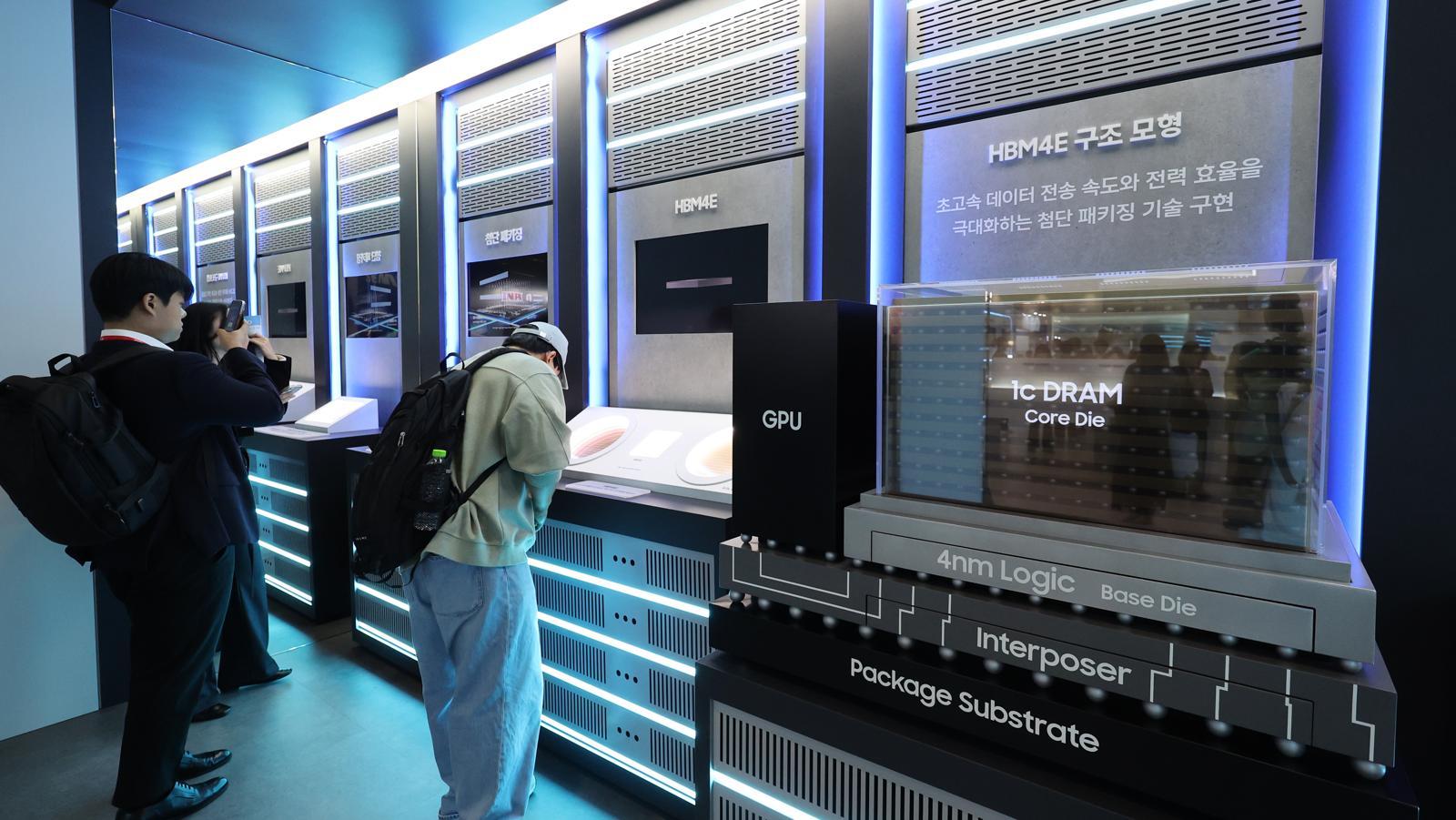
The facility plans to produce critical minerals such as gallium, germanium, indium, and antimony, which are essential for semiconductors, the defense industry, and advanced manufacturing. The aim is to secure a U.S.-based production and processing base for critical minerals that are currently highly dependent on specific countries such as China.
The U.S. government is also stressing the importance of supply chains for critical minerals and materials needed for semiconductor production.
Bill Prunhofer, Senior Director for Semiconductor Investment and Innovation at the U.S. Department of Commerce, underscored the importance of securing resilience in the semiconductor supply chain at “SEMICON West 2026,” held on the 13th (local time).
Prunhofer stated in effect that, even if semiconductor fabrication and back-end processing capacity are secured, it would still be difficult to produce semiconductors without essential inputs such as chemicals, specialty gases, materials, and minerals. In related coverage, Korea Zinc’s U.S. smelter construction project was cited as an example of strengthening critical mineral supply chains.
Korea Zinc plans to apply the nonferrous metal smelting technologies accumulated at its Onsan Smelter in Korea to establish a critical mineral production base in the United States. Through this, the company intends to expand its capacity to supply materials required for advanced industries such as semiconductors, AI, and the defense sector.
ⓒ dongA.com. All rights reserved. Reproduction, redistribution, or use for AI training prohibited.
Popular News