Additional power equivalent to 19 nuclear reactors needed by 2040
POSCO considers privately funded nuclear plant construction
Samsung C&T reportedly mulling a new power generation subsidiary
U.S. big tech secures electricity via power purchase deals… “Korea must lift regulations that block direct power procurement”
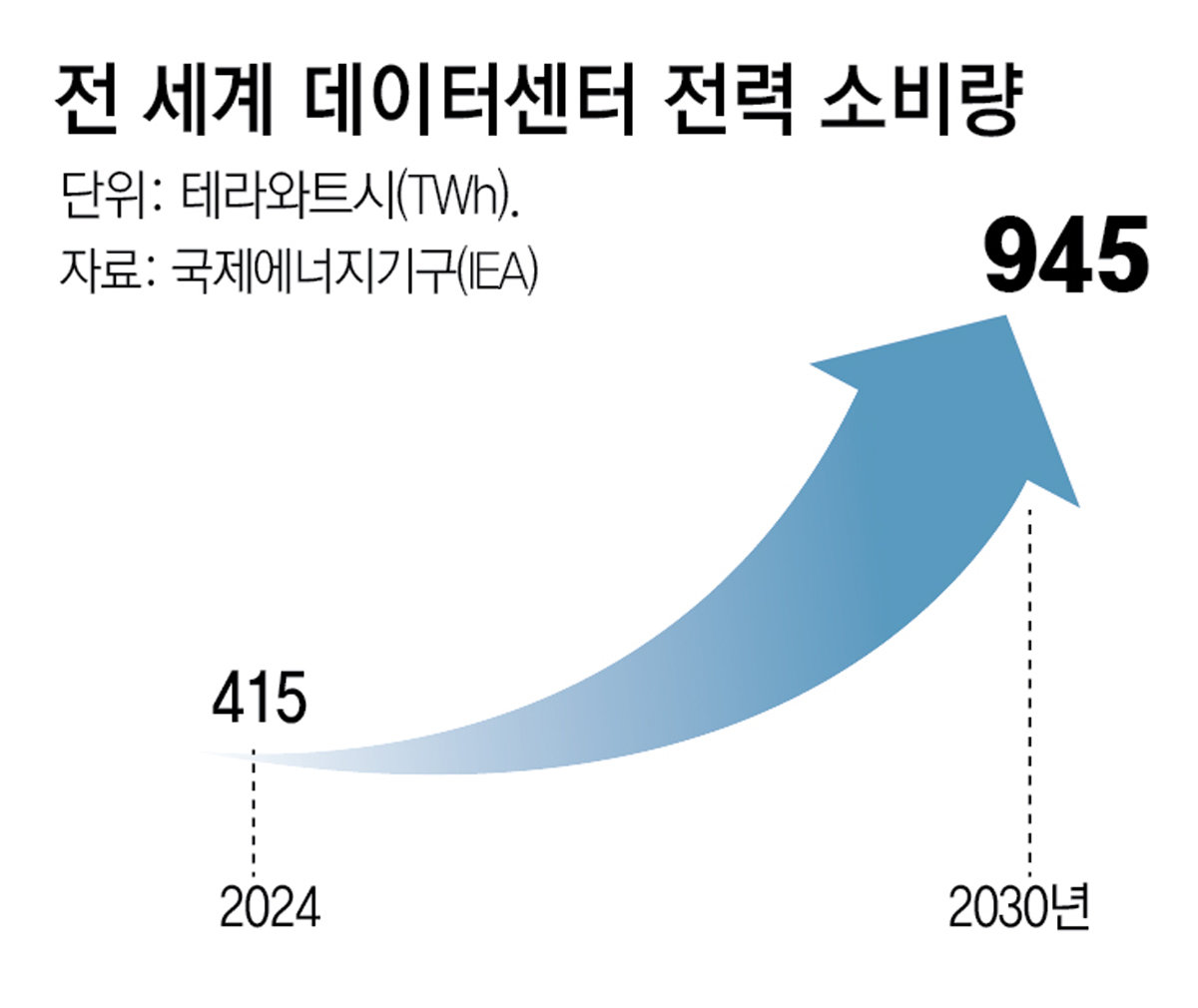
Demand for electricity is surging due to artificial intelligence (AI) and decarbonized power, and major Korean conglomerates including Samsung and Hyundai Motor Group are reportedly considering entering the power generation business directly, following POSCO Group. This reflects a judgment that breakthrough energy alternatives are needed to cope with astronomical power demand from AI data center construction and semiconductor fab (plant) expansion.
In addition, calls are emerging for easing regulations on the power purchase agreement (PPA) system, which allows generators and companies to sign long-term “direct transaction” contracts for electricity. The idea is to expand PPAs, currently limited to renewable energy, to include nuclear power so that Korean companies can secure electricity at stable long-term prices, similar to U.S. big tech firms.
● Korean companies gearing up for private power generation
According to business and power industry circles on the 11th, POSCO Group is calling for the introduction of a small modular reactor (SMR) PPA system to procure expected future power demand, while also reviewing the construction of large-scale nuclear power plants funded by private capital over the longer term. The group believes that there are limits to the existing power grid, as the expansion of hydrogen reduction steelmaking technology, which reduces carbon emissions, requires massive amounts of electricity.
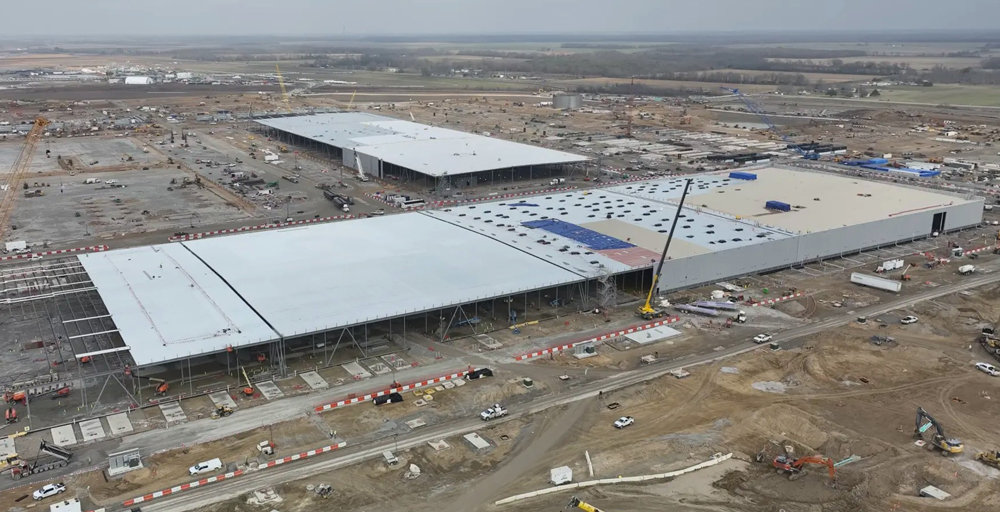
Hyperion data center under construction by Meta in Louisiana, United States.
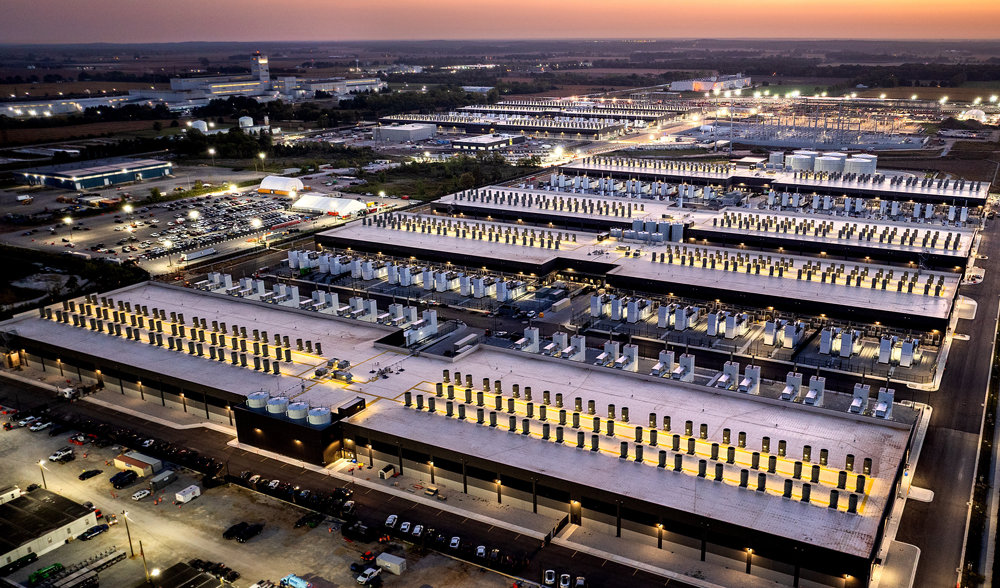
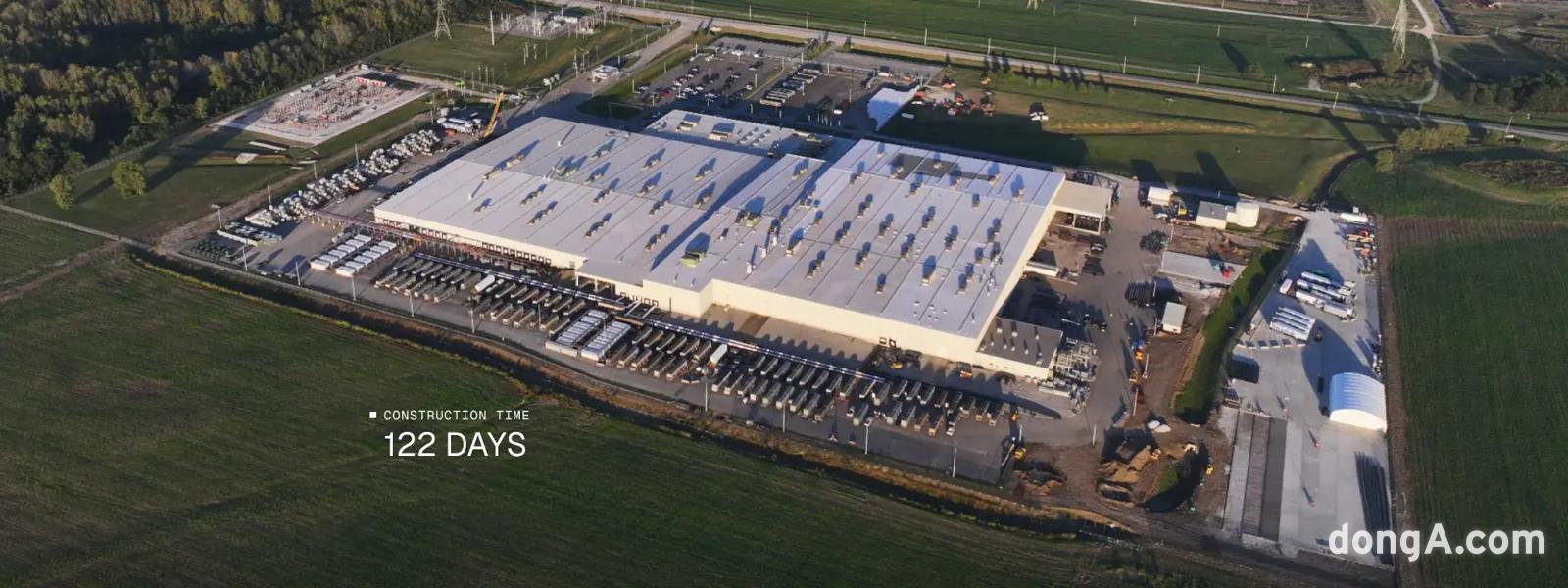
Panoramic view of the Amazon Web Services (AWS) artificial intelligence (AI) data center in New Carlisle, Indiana, United States.
Samsung is also reportedly reviewing new energy businesses to procure power for the semiconductor clusters in Yongin and Honam. The company has been steadily expanding its pool of energy specialists and, at the end of last month, six affiliates including Samsung Electronics invested USD 1 billion (about KRW 1.36 trillion) in Helix Digital Infrastructure, a U.S. AI infrastructure company that provides integrated services from data center development to power generation and transmission and distribution facilities. Within business circles, one option being discussed is the establishment of a power generation–dedicated subsidiary under Samsung C&T. Hyundai Motor Group, which has power plant construction capabilities through Hyundai Engineering & Construction and Hyundai Engineering, is also said to be interested in entering the power generation business.
Companies are exploring direct energy procurement because of a serious “power bottleneck.” During the formulation of the government’s 12th Basic Plan for Long-term Electricity Supply and Demand, the projected maximum power demand for 2040 was revised upward by as much as 26.8GW in just four months due to soaring demand from semiconductors (20.6GW) and AI data centers (7.9GW). This is equivalent to more than 19 large nuclear reactors.
The semiconductor clusters in Yongin and Honam alone will each require more than 14GW and 6GW, respectively, for a total of over 20GW, but secured power is far from sufficient. By contrast, only about two new large nuclear power plants are planned, and even these will not be completed until 2037–2038. On top of this, industrial electricity rates have jumped more than 70% since 2022, further incentivizing self-generation.
● Global big tech moves to preempt power through PPAs
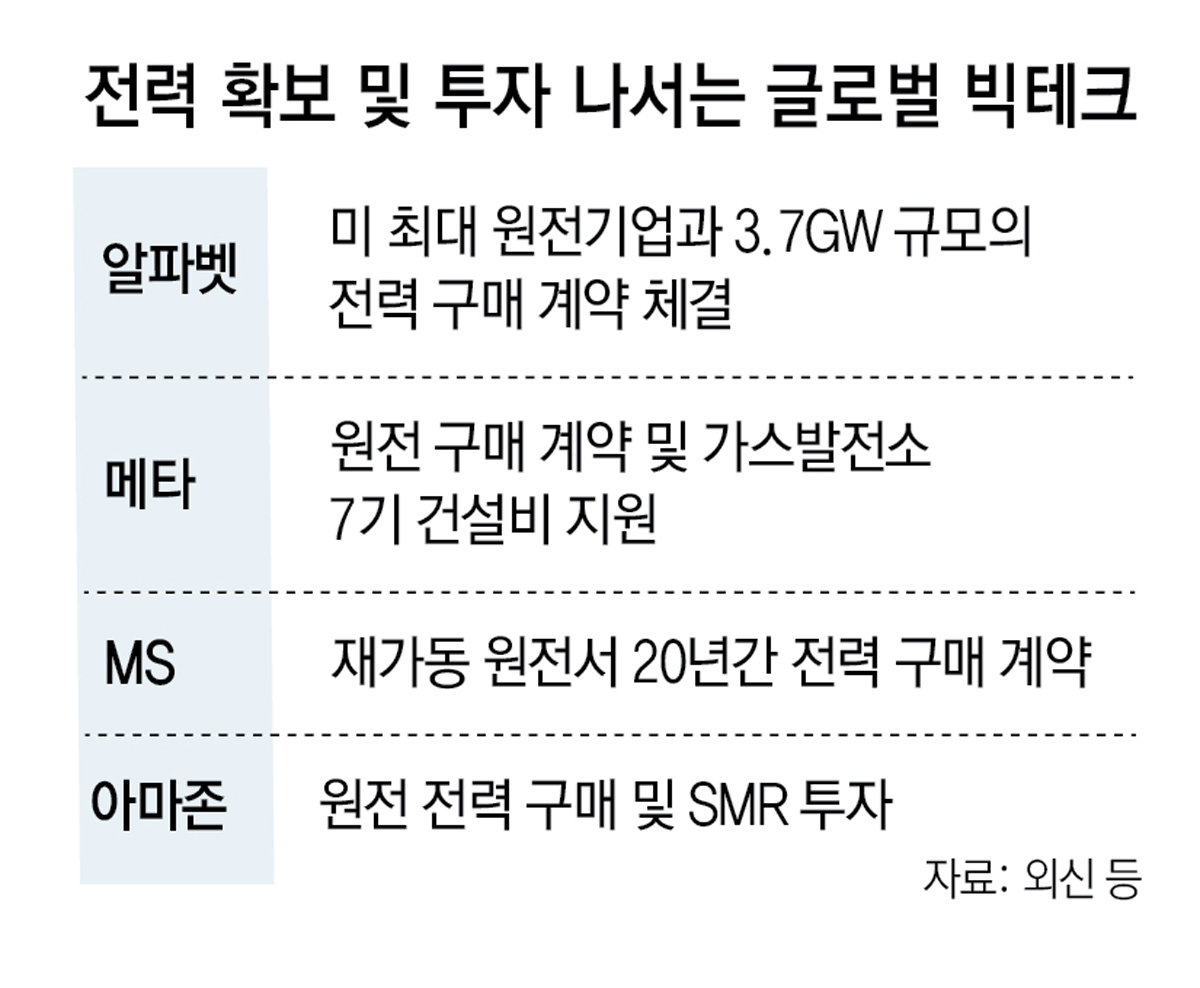
Global big tech companies are active investors in power generation sources. They acquire equity stakes directly in nuclear power plants, or sign 20-year long-term purchase contracts with nuclear companies to prompt the construction of additional plants.
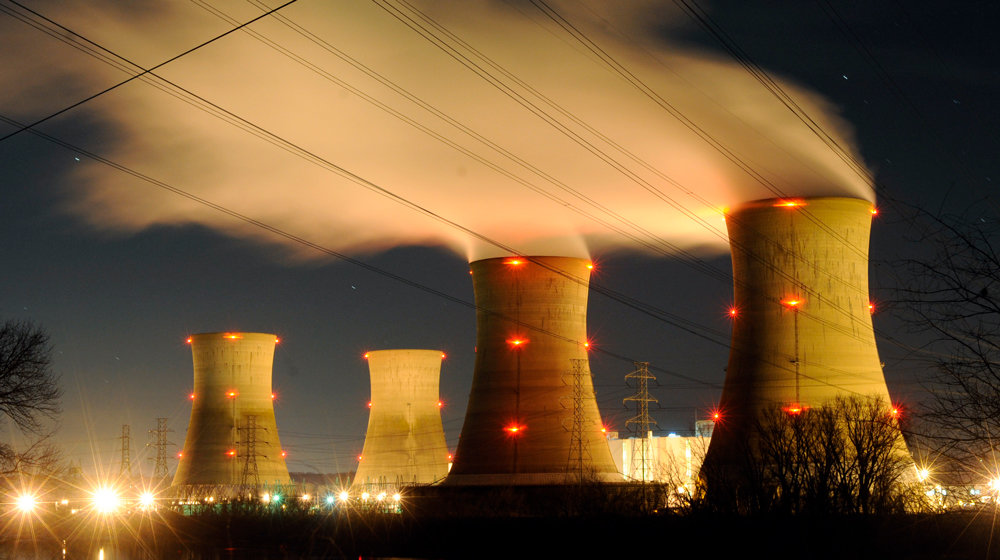
Nuclear power plant at Three Mile Island in Pennsylvania, United States.
Earlier this month, Alphabet, Google’s parent company, signed a PPA for approximately 3.6GW with Constellation, the largest nuclear power company in the United States. Microsoft has also agreed to purchase power for 20 years by restarting the Three Mile Island nuclear plant, which was shut down in 2024. Meta announced that it would sign nuclear power contracts of up to 6.6GW and support the construction costs of seven gas-fired power plants in Louisiana, while Amazon has moved to purchase nuclear power and invest in SMR development.
Korean companies, however, find it difficult to secure long-term power supplies like U.S. big tech firms due to regulatory constraints. Under the current Electricity Business Act, electricity produced must in principle be traded through the Korea Power Exchange, and Korea Electric Power Corporation effectively monopolizes retail sales. The PPA system is limited to renewable energy and a few other sources, so even if a large corporation becomes a private power producer, it cannot freely use the electricity at its own facilities.
As a result, there is growing criticism that bold legal revisions, such as easing PPA regulations, are urgently needed to avoid missing the golden time for advanced industries. In June, Samsung Electronics Vice Chairman Jun Young-hyun formally asked the government to expand nuclear power and promote PPAs at the announcement of the Honam semiconductor cluster. The Federation of Korean Industries also proposed to the Regulatory Rationalization Committee, as part of its “Policy Proposal Tasks for National Advanced Strategic Industries,” that in the power sector “a pathway must be opened for companies to purchase zero-carbon electricity such as nuclear power directly.”
ⓒ dongA.com. All rights reserved. Reproduction, redistribution, or use for AI training prohibited.
Popular News