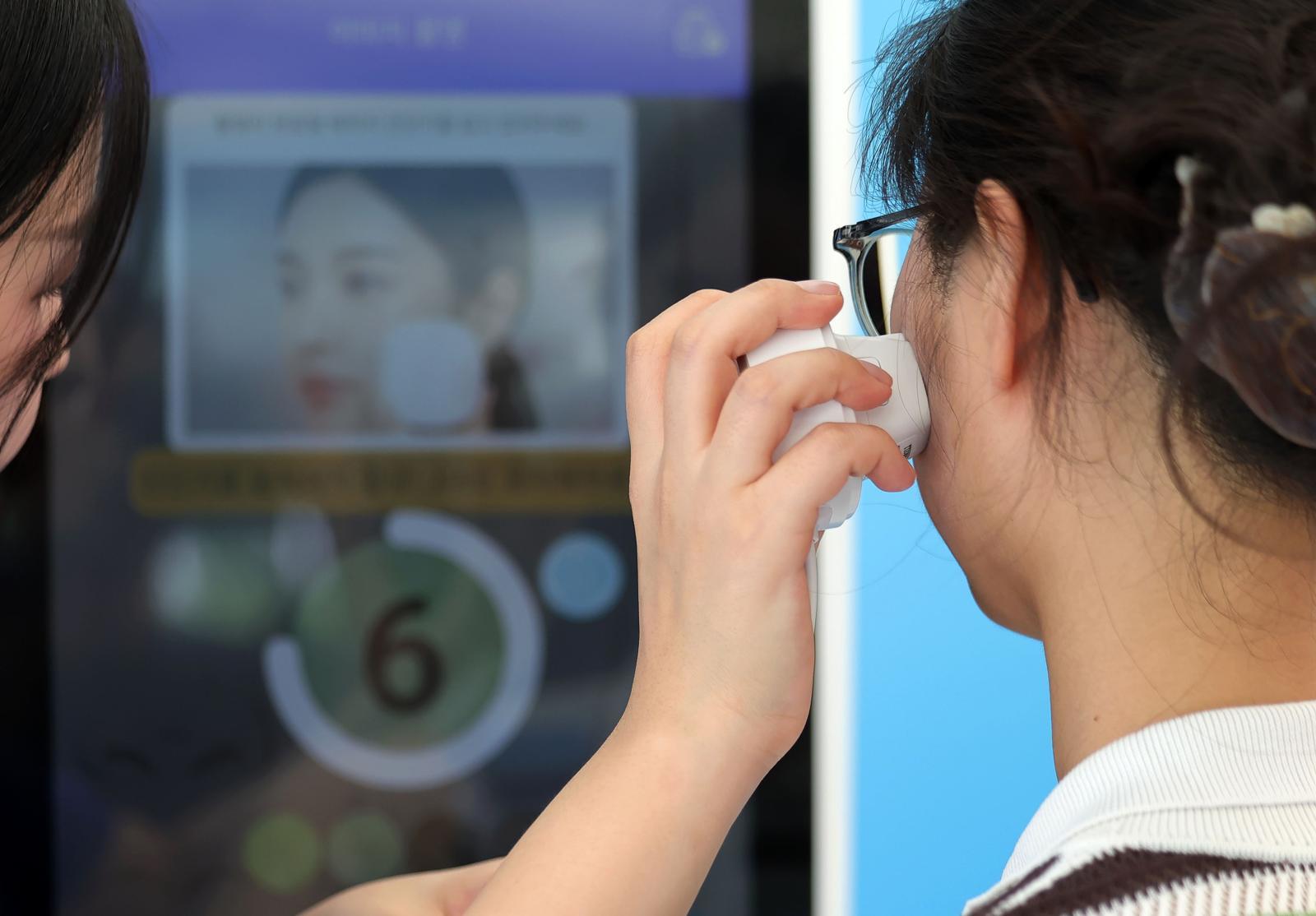
A citizen measures skin condition at the K-beauty Experience Zone set up at Seoul Plaza in Jung-gu, Seoul, on the afternoon of the 7th to mark Cosmetics Day. 2026.09.07. Seoul = Newsis
As the climate crisis pushes temperatures higher across the globe, domestic cosmetics original development manufacturing (ODM) companies are investing heavily in developing “cooling” technologies that lower skin temperature. Demand for cooling products, once concentrated in the summer, is now continuing year-round, and as the territory of K-beauty expands into emerging markets with hot and humid climates such as the Middle East and Latin America, demand is rising for products tailored to local conditions.
According to industry sources on the 13th, cooling products and related technologies from cosmetics ODM firms have increased noticeably in recent months. The number of cosmetics manufactured by Kolmar Korea with cooling functions has risen more than sixfold compared with 2023. The number of Kolmar Korea’s cooling-related patents has increased by about 88% over the past decade, and Cosmax has registered 20 cooling-related patents to date.
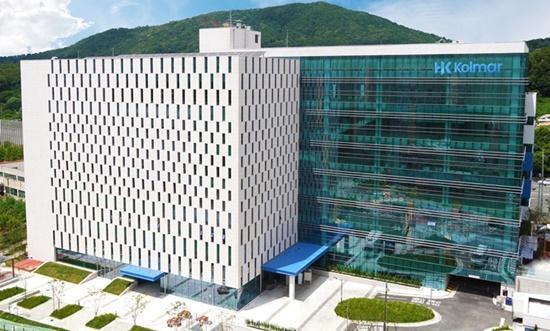
Panoramic view of Kolmar Korea’s Integrated Technology Center. Courtesy of Kolmar Korea
Cooling technology itself is also evolving. Until now, cooling cosmetics have mainly relied on menthol or ethanol to deliver an instant cooling sensation, but such formulations had the limitation of causing skin irritation. To overcome this, Kolmar Korea has developed low-irritant cooling materials using blended plant extracts. It has also applied a “sustained-release” technology—used in pharmaceuticals to slowly release active ingredients—to cosmetics so that cooling components spread gradually on the skin. Eun So-hee, head of Kolmar Korea’s Sun Care 3 Team, said, “The key challenge in cooling technology is to reduce skin irritation while maintaining the cooling sensation for longer,” adding, “By applying sustained-release technology, it is possible to minimize irritation while extending the duration of the effect by more than two to three times compared with existing products.”
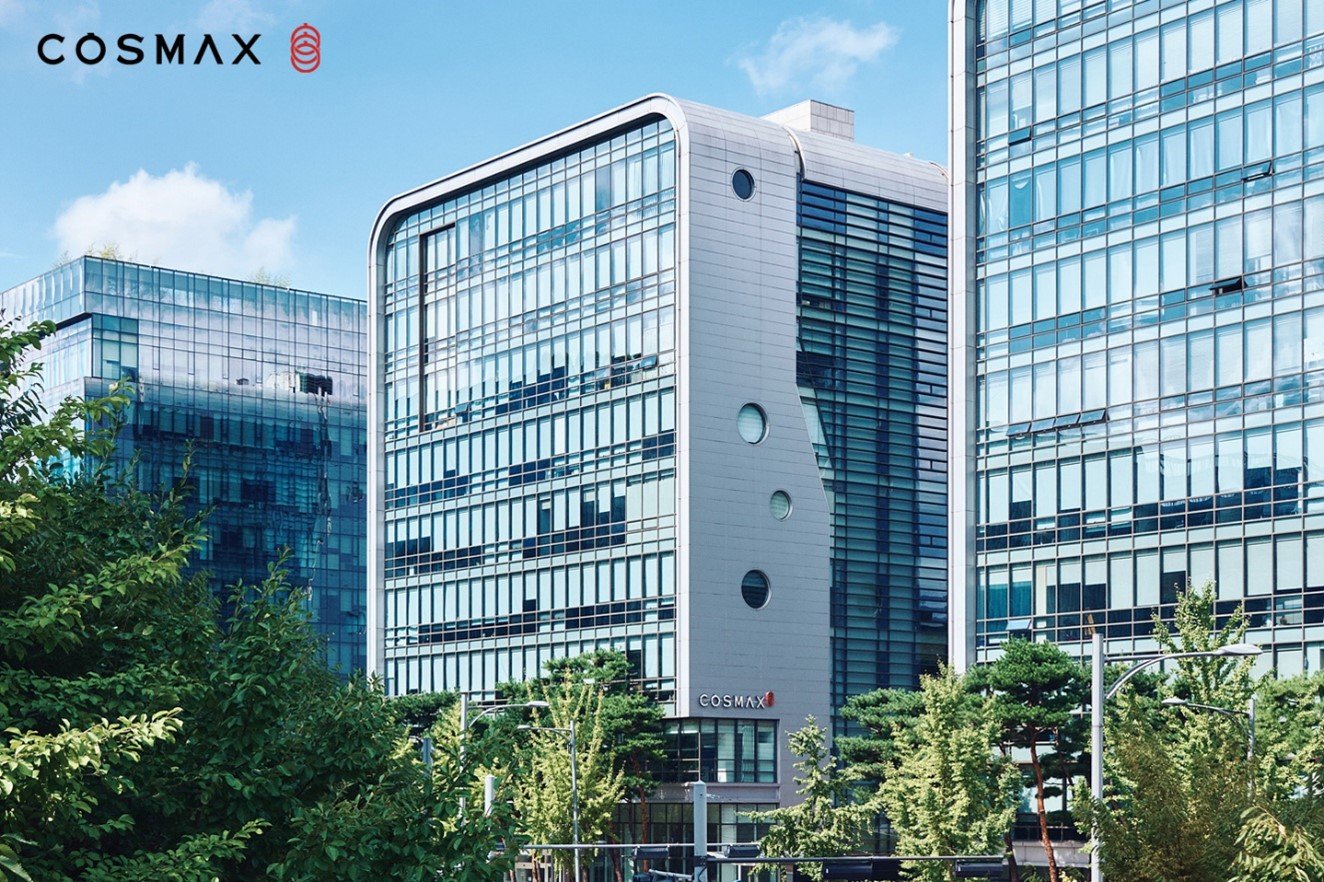
The range of product categories is also expanding. Cooling functions, which were mainly used in high-moisture products such as mists, sheet masks and water gels, have recently spread beyond sun care into cushion foundations and lip products. Kolmar Korea recently introduced a “jelly sun stick” that releases moisture the moment it touches the skin, lowering skin temperature by about 4 degrees Celsius. Given the difficulty of solidifying a stick-type formula with a high water content, the company applied technology that traps water within the formulation. Cosmax is incorporating cooling technology into color cosmetics. Its representative product is a “lip plumper” developed to reduce irritation by using a cooling sensation instead of the strong刺激 of menthol or capsaicin, which have traditionally been used to swell the lips.
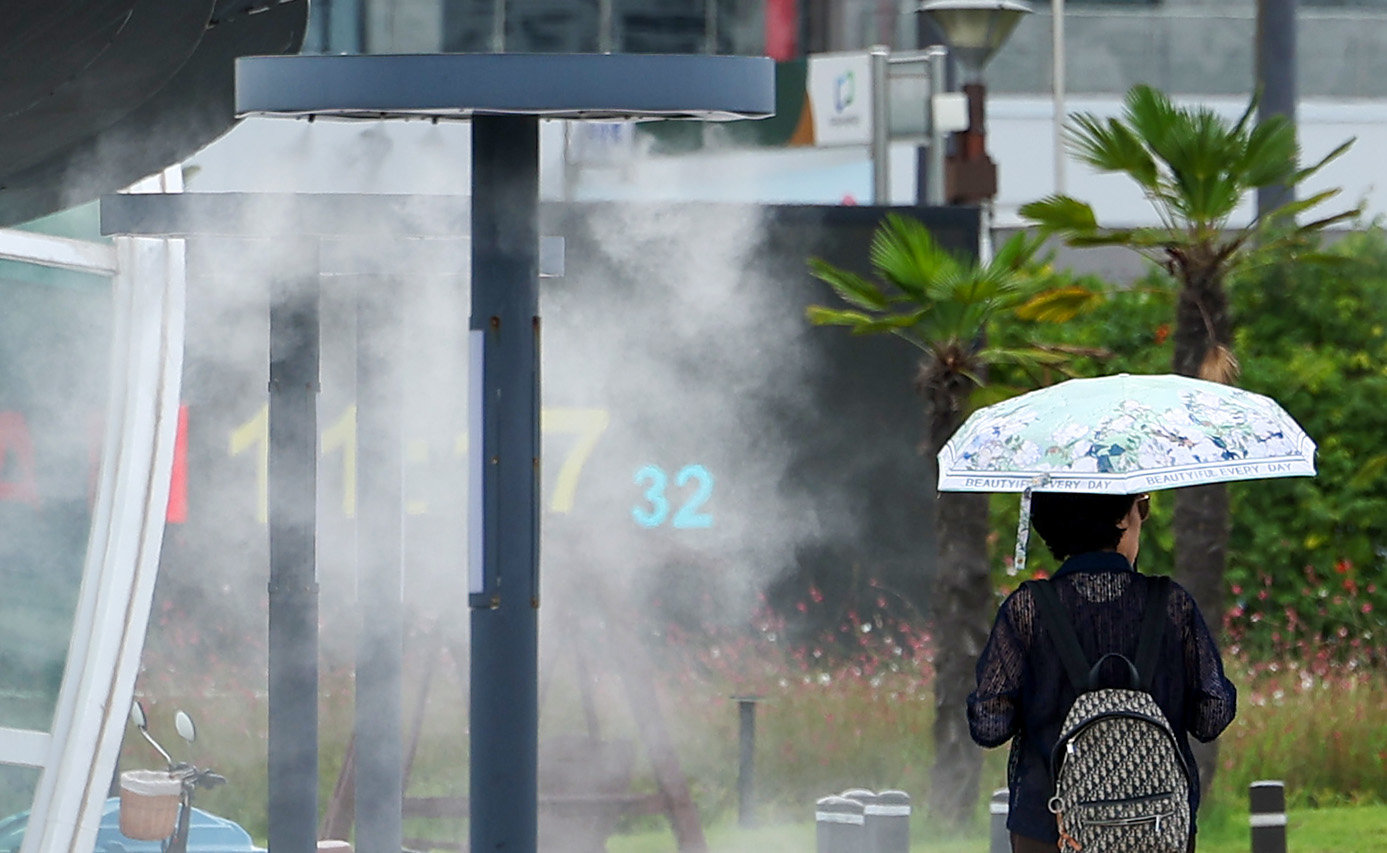
Citizens walk under a cooling fog system installed at Dongdaegu Station Plaza in Dong-gu, Daegu, on the 1st, when a heat wave advisory was in effect for the Daegu area. 2026.09.01. Daegu = Newsis
The intensifying heat waves are a key factor behind cosmetics ODM companies’ push into cooling product development. In its “Global Climate Update 2025” report released in January this year, the World Meteorological Organization (WMO) stated, “The most recent 11-year period from 2015 to 2025 has been the warmest 11 years on record.” As global temperatures rise, the global cooling cosmetics market is also expanding. Market research firm Global Information forecasts that the global cooling skincare gel market will grow by about 40%, from USD 7.57 billion in 2024 to USD 10.599 billion in 2033.
In addition, the diversification of K-beauty export destinations is rapidly boosting exports to regions with high year-round temperatures. According to the Ministry of Food and Drug Safety, Korea’s cosmetics exports to the United Arab Emirates (UAE) totaled USD 290 million last year, about 1.7 times higher than the previous year’s USD 170 million. In Latin America, exports to Mexico and Brazil each reached approximately USD 60 million, up 149.9% and 115.1% year-on-year, respectively.
Distribution of K-cooling cosmetics is also increasing in hot and humid regions. Beauty of Joseon, a brand operated by Gudai Global, entered “Namshi,” a major fashion and beauty platform in the UAE, in March last year and is selling “Relief Sun: Rice + Probiotics SPF,” a sunscreen with a cooling effect, under the name “Matte Rice Sun Cream Aqua Fresh.” Han Sang-geun, deputy director of Kolmar Korea’s R&D Center, said, “The normalization of extreme heat due to the climate crisis is an important factor driving demand for cooling products,” adding, “Going forward, in addition to products that provide a cooling sensation, demand will grow further for products that manage skin heat stress and heat-induced aging.”
ⓒ dongA.com. All rights reserved. Reproduction, redistribution, or use for AI training prohibited.
Popular News