Developing nine types of drive units by integrating electric steering and by-wire technologies
Quality and reliability secured with a supply track record to Boston Dynamics
Aiming for KRW 2.3 trillion in robot actuator sales by 2035 after pilot production in 2026
As global industries heat up over the race for leadership in humanoid robots that combine generative artificial intelligence (AI) with physical hardware, Korea’s leading automotive parts company HL Mando is emerging as a powerful player in the actuator market, which serves as the core joints and muscles of robots. The company is rapidly accelerating its transformation from a traditional finished-vehicle chassis parts manufacturer into an advanced robotics mobility components company.
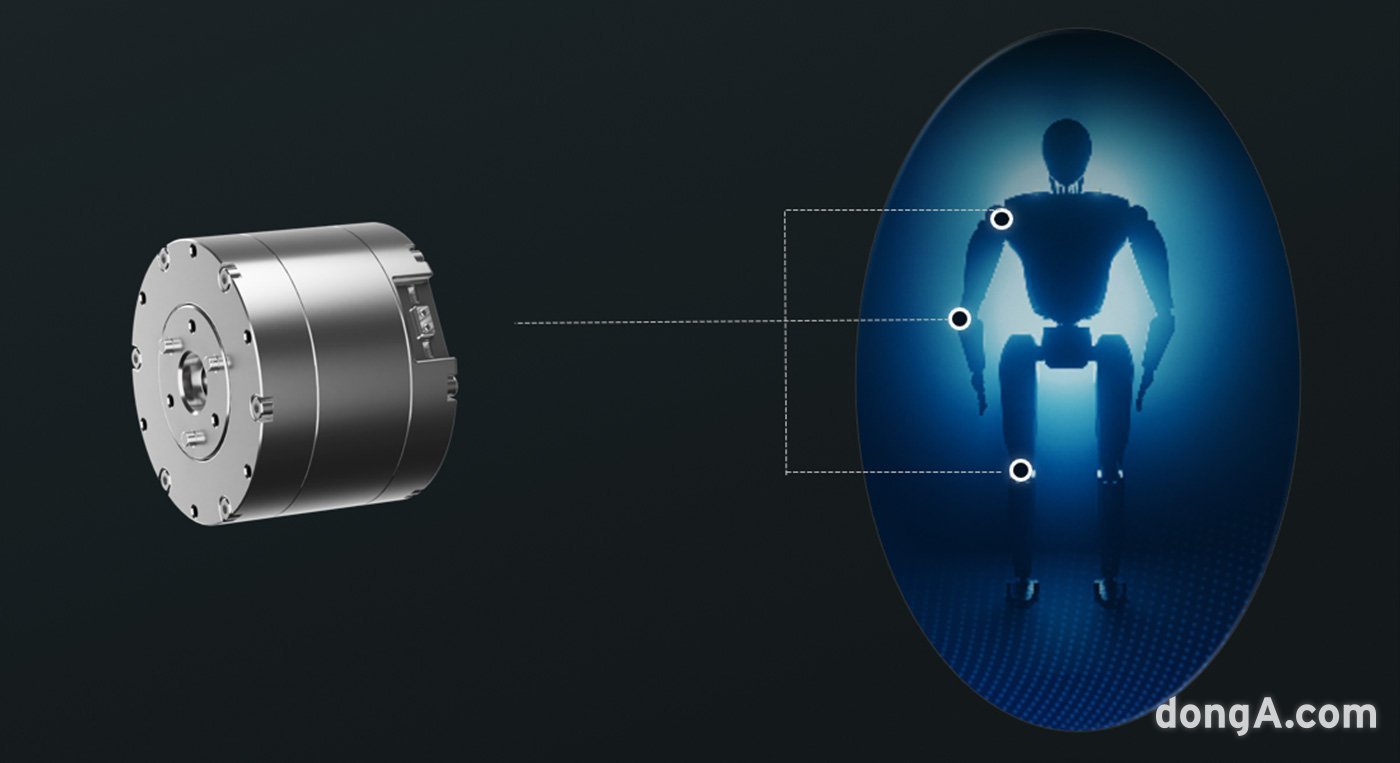
50 years of chassis control technology transplanted into robot joint drivesActuators, which account for 40% to as much as 60% of humanoid robot hardware manufacturing costs, are key components responsible for precise position control and high-output driving in robots.
The precision control mechanisms of actuators, which must provide appropriate torque and response speed at each robot joint, are structurally almost identical to HL Mando’s automotive chassis precision control domain, built up over more than 50 years. The company’s electric power steering (MDPS) and by-wire system technologies, which electronically fine-tune wheel direction and braking, are naturally extending into robot joint implementation.
HL Mando actuator products. Courtesy of HL Mando
On the basis of this technological linkage, HL Mando is pursuing development of a total of nine actuator lineups, including QDD (quasi direct drive), PRS (planetary roller screw), and harmonic reducer-based types. For the QDD type, which enhances responsiveness and efficiency, the company is promoting in-house production of its own reducers. For PRS, which handles precise linear motion, it is leveraging technology licensing and joint ventures (JVs). For high-precision rotational drive using harmonic types, it is combining collaboration with specialized companies, thereby executing an efficient internalization strategy.
In the second half of this year, the company is set to complete a master model that aggregates the specification requirements of major customers and the market, significantly heightening expectations for visible order intake.
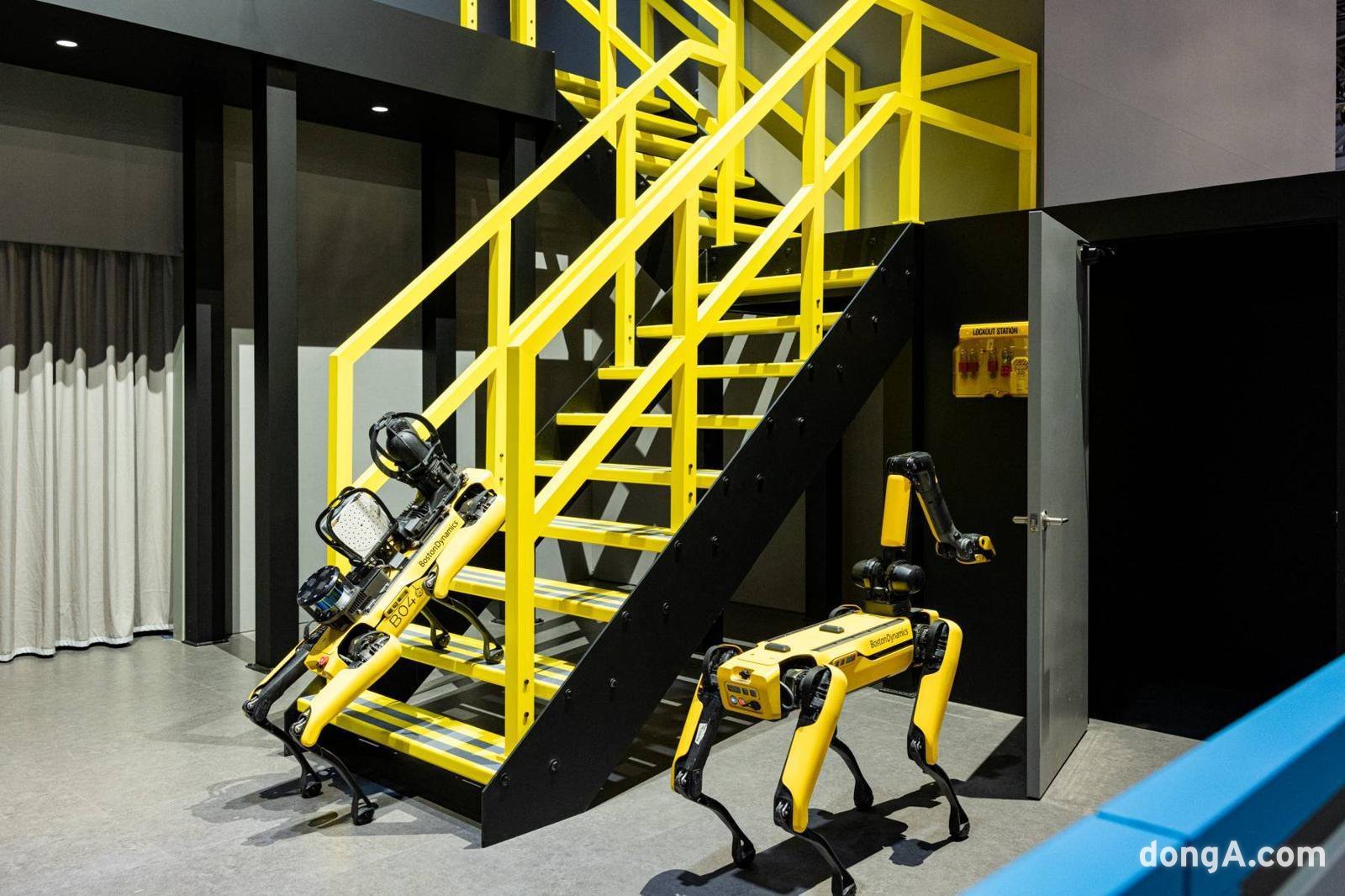
Boston Dynamics’ robot Spot. Courtesy of Hyundai Motor Group
Quality reliability proven through supply record to Boston DynamicsIts already proven mass-production track record is also one of HL Mando’s standout strengths. HL Mando has supplied core actuators for Spot, the quadruped robot from global robotics company Boston Dynamics, in the KRW 10 billion range annually over a long period, demonstrating its mass-production capabilities and reliability in robot joint components.
Diverse on-site proof-of-concept (PoC) projects at 17 domestic manufacturing plants and experience in meeting global robot safety standards such as ISO and UL serve as key drivers enabling the company to satisfy the stringent quality requirements of North American finished robot manufacturers.
Benefiting from de-China supply chain realignment…focused attack on North American marketIn particular, shifts in the global geopolitical environment are emerging as a major opportunity factor for HL Mando. As the U.S. government tightens regulations on Chinese robot components and security-related robotics supply chains, North America’s leading robot manufacturers are actively turning to non-Chinese parts suppliers that have both validated quality experience in the automotive sector and local production infrastructure in North America.
HL Mando plans to target North American humanoid manufacturers, including Tesla Optimus, by operating local pilot infrastructure and making phased local investments aligned with order conditions.
According to the mid- to long-term roadmap presented by HL Mando, the company will begin verification and pilot production of the master model in 2026, move to standardization and specification finalization in 2027–2028, and enter a phase of expanded mass production in 2029.
Targeting KRW 2.3 trillion in revenue by 2035…accelerating business transformation
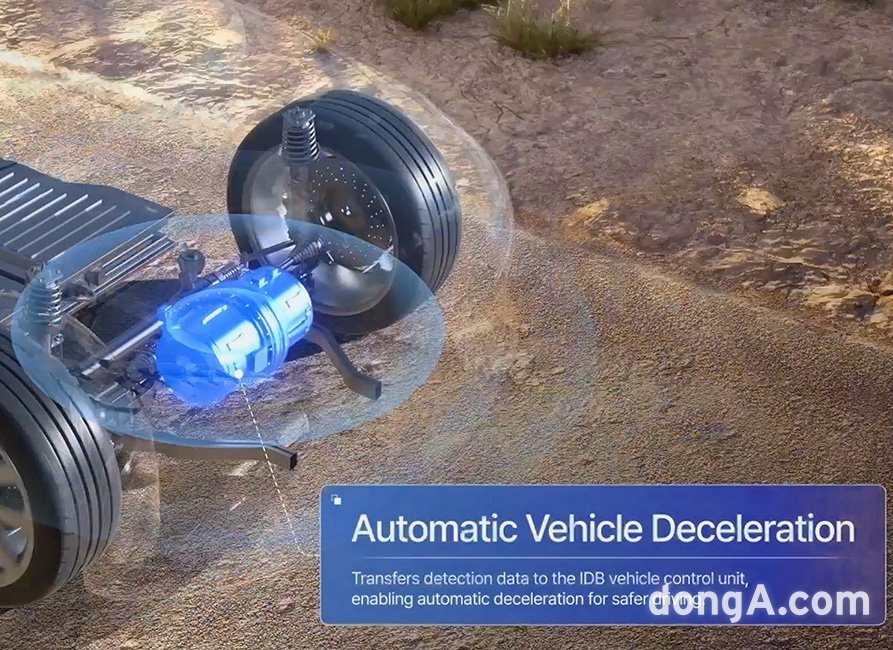
Active protection control technology. When tire damage, severe low pressure, abnormal vibration, and similar issues are detected, it goes beyond simple warnings to automatically execute active protection measures such as limiting vehicle speed, stabilizing driving, and inducing emergency stops. Courtesy of HL Mando
Ultimately, the company has set an ambitious target of securing a 10% share of the global robot actuator market by 2035 and achieving annual revenue of KRW 2.3 trillion from this segment alone.
As the mass-production and quality management capabilities proven in the finished-vehicle chassis market are effectively applied to the robot joint market, HL Mando’s corporate value is expected to undergo a faster revaluation.
ⓒ dongA.com. All rights reserved. Reproduction, redistribution, or use for AI training prohibited.
Popular News