Hanwha Aerospace–U.S. Army contract
Supplying six prototype K9 wheeled self-propelled howitzers… beating German, British, and Israeli defense firms
Up to 18 units, contract size KRW 368 billion… full contract to follow upon successful performance testing
成果 of leadership by Kim Seung-yeon and Kim Dong-kwan
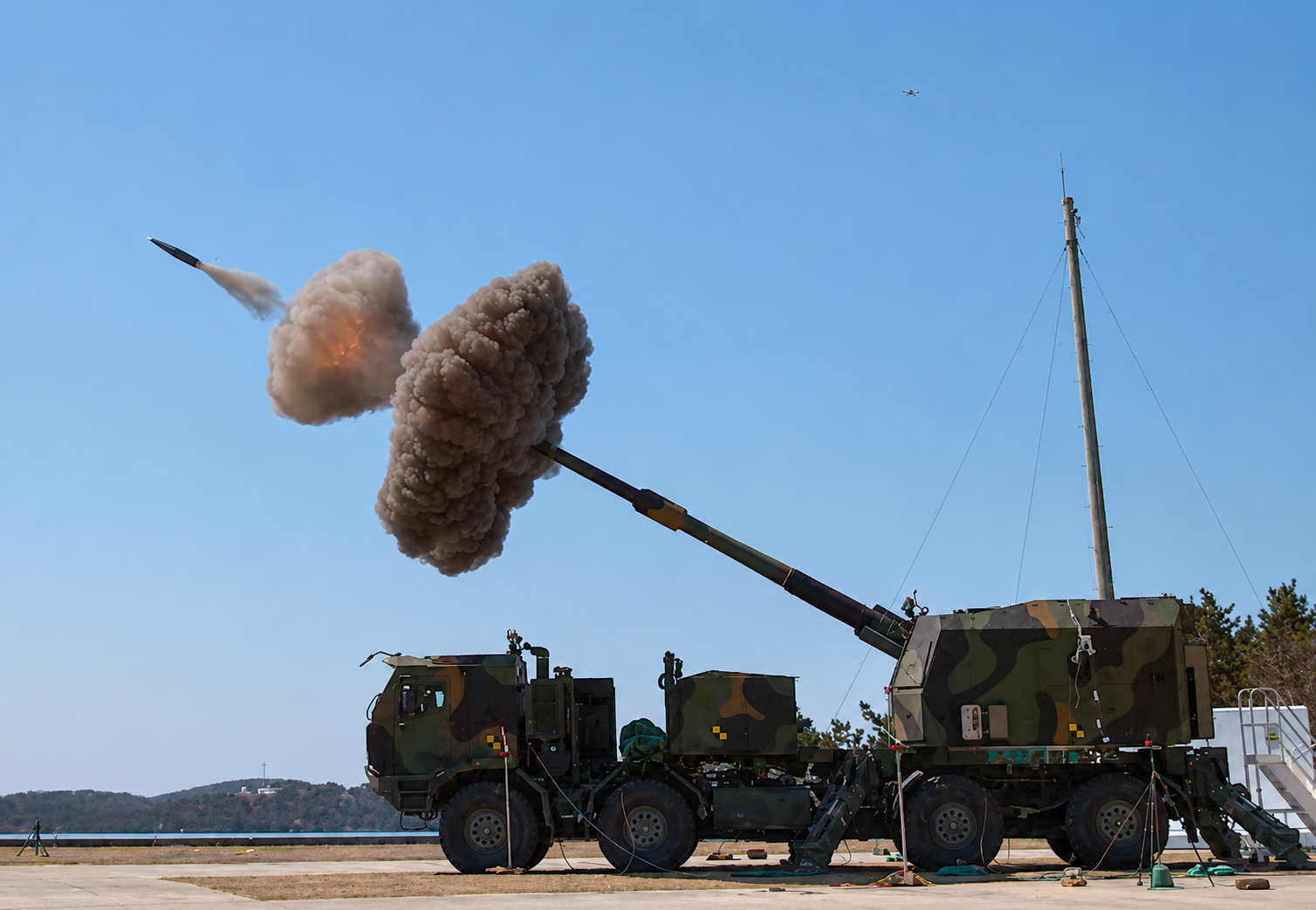
The K9 Motorized Howitzer (K9MH), for which Hanwha Aerospace signed a prototype export contract with the U.S. Army, conducts a test firing. This is the first time that Korea has directly supplied a complete weapons system to the U.S. military. Provided by Hanwha Aerospace
Hanwha Aerospace has entered the U.S. military market with a domestically developed complete weapons system for the first time. Until now, domestic defense companies have mainly exported ammunition and defense components to the United States, but by directly supplying a complete weapons system to the U.S. military this time, Hanwha is assessed to have established a bridgehead for targeting the world’s largest defense market. Analysts also see a positive signal for a future main contract and additional exports to other countries.
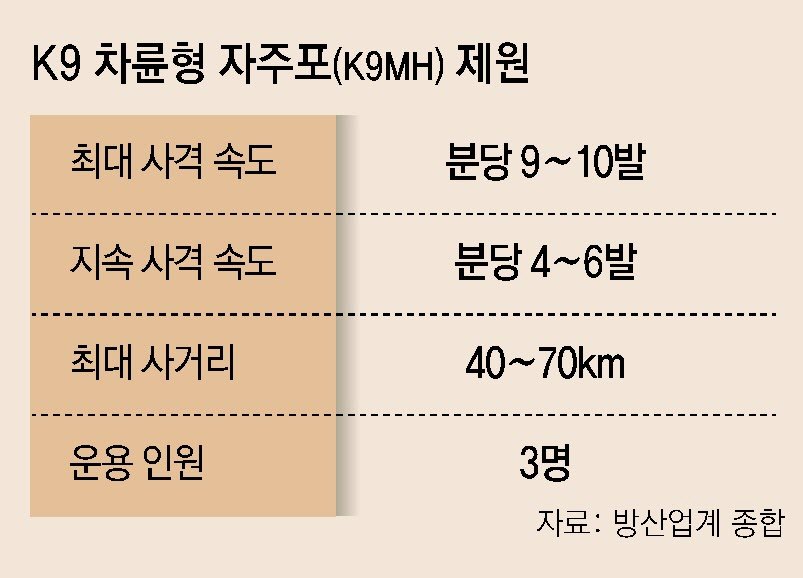
On the 19th, Hanwha Defense USA, a subsidiary of Hanwha Aerospace, announced that it had signed a contract with the U.S. Army to supply six prototypes of the K9 Motorized Howitzer (K9MH). The contract for the six prototypes amounts to USD 100,302,961 (approximately KRW 140 billion). Including an option for an additional 12 units, the total contract value is up to USD 262,903,274 (approximately KRW 368 billion). A motorized howitzer moves on rubber tires, enabling rapid long-distance movement on roads. The K9MH is a U.S.-tailored model that applies the K9 series 155mm gun and automation technologies to a wheeled platform. This is also the first time Hanwha has signed a contract to supply a motorized howitzer.
The U.S. Army had initially pursued the development of a tracked self-propelled howitzer equipped with a 58-caliber gun offering extended range, but the program faced setbacks due to technical issues such as barrel wear. In addition, in the Ukraine war, the position of artillery shells has been quickly exposed by drones and counter-battery radars, leading to frequent enemy attacks. As a result, the U.S. Army shifted direction toward acquiring motorized howitzers capable of rapidly moving long distances on roads and relocating immediately after firing.

Hanwha began development of the K9MH after confirming in March 2024 moves within the U.S. Army budget to introduce motorized howitzers. Hanwha Group Chairman Kim Seung-youn and Senior Vice Chairman Kim Dong-kwan also called for efforts to develop a U.S.-tailored howitzer and to target the local market, taking into account the prolonged nature of global conflicts and resulting increase in U.S. weapons demand. In a situation where demand for weapons in the United States is rising due to recent conflicts involving the United States, Israel, and Iran, as well as military support for Ukraine, Hanwha is assessed to have successfully preempted the U.S. Army’s needs.
Competing for this program were the “SIGMA” system from Israel’s Elbit, the “CAESAR” of KNDS, a German-French joint defense company, a motorized howitzer from Germany’s Rheinmetall, and the “Archer” from the UK’s BAE Systems. The U.S. Army comprehensively evaluated delivery schedules, required performance, localization costs, and other factors before selecting the K9MH.
Over the next four years, the U.S. Army plans to operate the K9MH directly to verify its performance, reliability, and logistics supportability, and to refine detailed requirements to match operational environments. Generally, detailed specifications are adjusted during prototype operation, and if no significant defects or disqualifying issues are found, a final mass-production contract is signed. In a press release issued the same day, the U.S. Army stated, “With the introduction of the K9MH, some of the M777 155mm towed howitzers currently in service will be replaced,” adding, “It is expected to significantly enhance not only firepower but also mobility and survivability.”
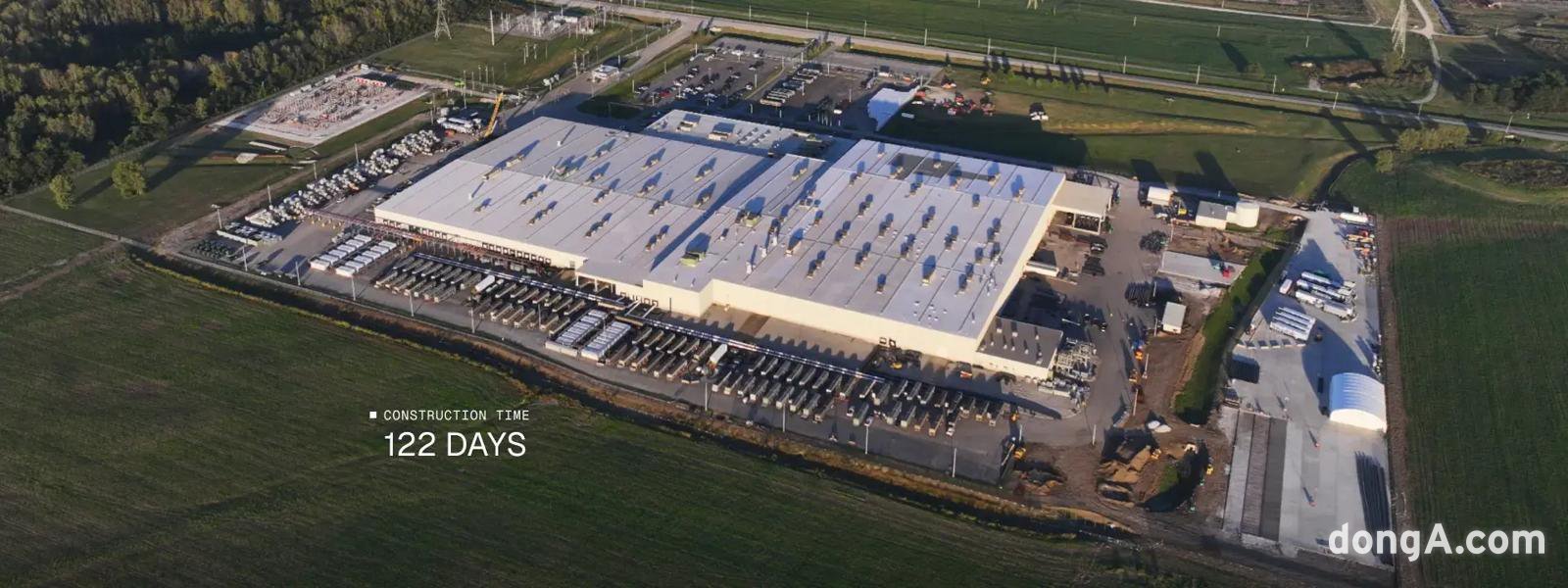
Hanwha Aerospace plans to carry out K9MH evaluations and tests, and to gradually strengthen the U.S.-based supply chain for howitzers in preparation for potential local production, at an idle factory in Opelika, Alabama, which it leased for three years in April this year.
If the K9MH passes operational testing and is formally deployed, observers expect that it could influence not only the successful entry of the K9 series into the U.S. market but also motorized howitzer programs in other countries. The K9 series has been exported to 10 countries, starting with Türkiye and including Poland, India, Finland, Norway, Estonia, Australia, Egypt, Romania, and Vietnam. Since 2000, it has held a share of about 60% in the global 155mm self-propelled howitzer export market. A Hanwha Aerospace official stated, “We will establish a stable production base in the United States through a differentiated localization strategy.”
ⓒ dongA.com. All rights reserved. Reproduction, redistribution, or use for AI training prohibited.
Popular News