‘Nation-first’ policy spreads across the Global South
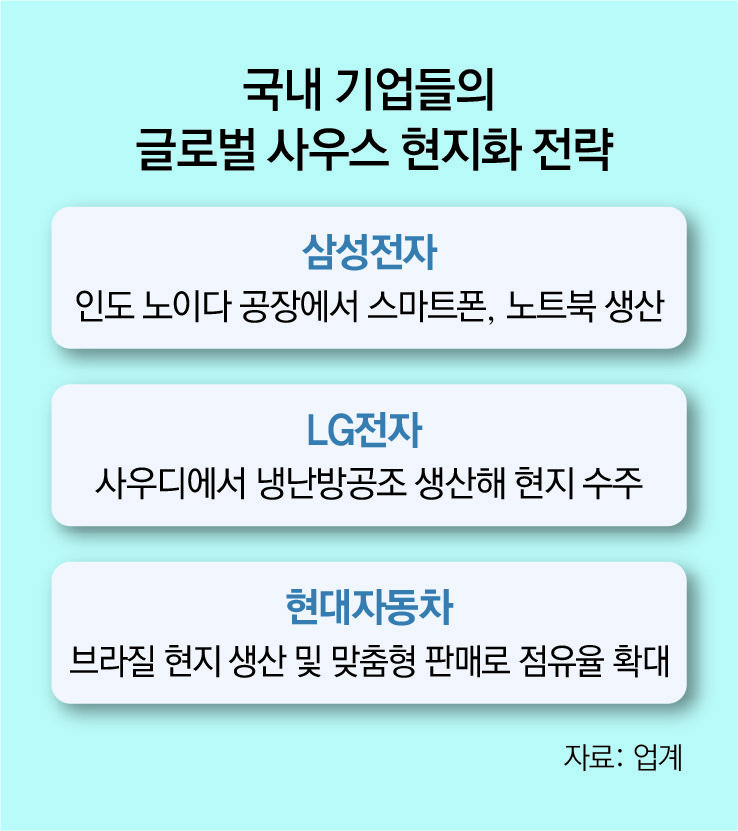
LG Electronics to produce HVAC equipment in Saudi Arabia… supplying system air conditioners to mixed-use complexes
Samsung to expand laptop production at its India plant
Hyundai’s market share in Brazil surpasses Japan’s
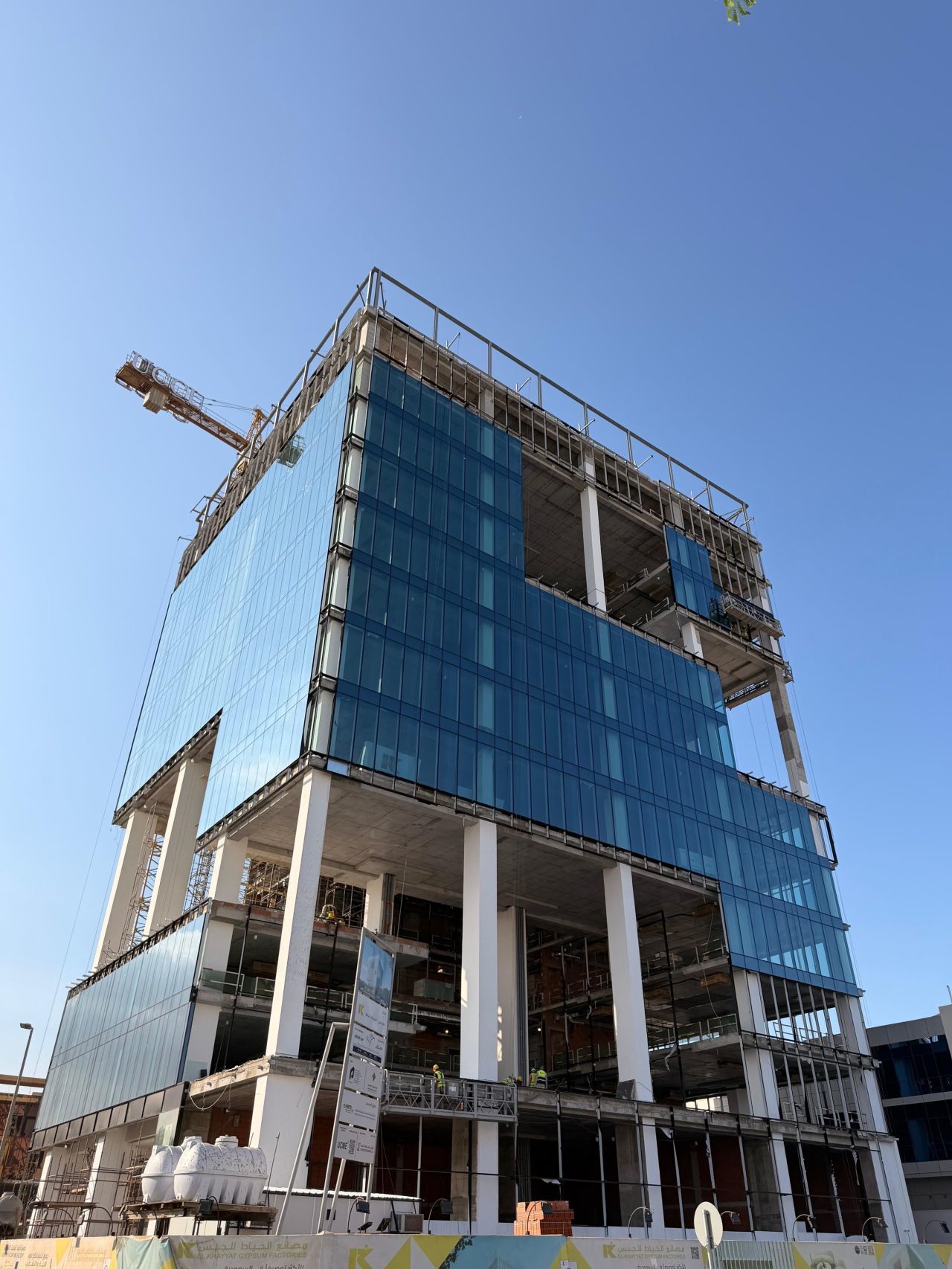
The construction site of ‘Al Kayyat Plaza Tower,’ a large mixed-use commercial building in Jeddah, Saudi Arabia, where LG Electronics recently supplied heating, ventilation and air conditioning (HVAC) solutions. Provided by LG Electronics
LG Electronics began producing air handling units (AHUs), a core HVAC component, in Saudi Arabia in October last year. AHUs are essential devices for maintaining indoor air quality in buildings, controlling temperature, humidity and cleanliness to supply comfortable air. An LG Electronics official said, “Saudi Arabia is increasingly emphasizing local production and local supply, and global companies are strengthening local supply chains in an effort to win government projects and large commercial facility contracts.”
Domestic manufacturing companies are expanding their local supply chains in the ‘Global South’—low-latitude emerging economies such as Saudi Arabia, India, Mexico and Indonesia. This is because the country-first policies that had been centered mainly on the United States and China have now spread among Global South countries as well. Recently, countries like Mexico have started imposing tariffs of up to 50%, while introducing various regulations and incentives to stress domestic production and supply.
● LG targets Saudi Arabia through local production
According to the electronics industry on the 7th, thanks to the local production strategy it previously established, LG Electronics recently supplied advanced HVAC solutions including system air conditioners and AHUs to Al Kayyat Plaza Tower, a large mixed-use commercial building in Jeddah, Saudi Arabia’s second-largest city. In December last year, LG Electronics also participated for the first time in the ‘Made in Saudi Expo,’ an industrial exhibition hosted by the Saudi Authority for Industrial Cities and Technology Zones (MODON), where it showcased HVAC products manufactured locally. LG Electronics also plans to supply cooling equipment to an ultra-large AI data center to be built in Oxagon, an advanced industrial complex in Saudi Arabia’s NEOM City.
Saudi Arabia is currently implementing ‘Vision 2030,’ a government-led industrial diversification strategy. The goal is to reduce dependence on oil and foster the manufacturing and service sectors. To this end, the country plans to have global companies produce within its borders and embed their know-how into local supply chains to strengthen Saudi Arabia’s own production capabilities. An industry insider said, “The Saudi government is involved in most industries, so its influence is strong when it comes to winning contracts,” adding, “In some cases, companies must produce and procure locally just to qualify to bid, and additional points are awarded to create a substantial gap with firms that simply import and sell products.”
● Samsung and Hyundai Motor also expand market share through localizationSamsung Electronics significantly increased notebook production at its local Noida plant starting in August last year to target the Indian market. Until then, the plant had mainly produced smartphones. The Indian government is also pushing hard its ‘Make in India’ policy to foster domestic manufacturing and attract global investment. It provides various support measures for local producers, such as tax benefits and one-stop administrative services. Samsung Electronics has strategically expanded local production to secure price competitiveness and increase market share.
Hyundai Motor Company is seeking to dominate the local market through production in Brazil. According to industry data, Hyundai’s market share in Brazil was about 8% last year, ranking fourth. Among Asian brands, its biggest rival, Japan’s Toyota, lagged behind with around 7%. In 2019, Hyundai Motor increased investment in its local plant in São Paulo, Brazil, raising annual production capacity from 180,000 to 210,000 units. Brazil, through its ‘New Industrial Policy,’ is also guiding the strengthening of its domestic manufacturing ecosystem and the development of advanced technologies.
More recently, Mexico drew attention by announcing that it would impose tariffs of up to 50% on countries with which it has not signed free trade agreements (FTAs). Korean manufacturers in sectors such as automobiles and electronics have long used Mexico as a launchpad for entry into the US and Latin American markets and have already built out their local supply chains to a considerable extent.
ⓒ dongA.com. All rights reserved. Reproduction, redistribution, or use for AI training prohibited.
Popular News