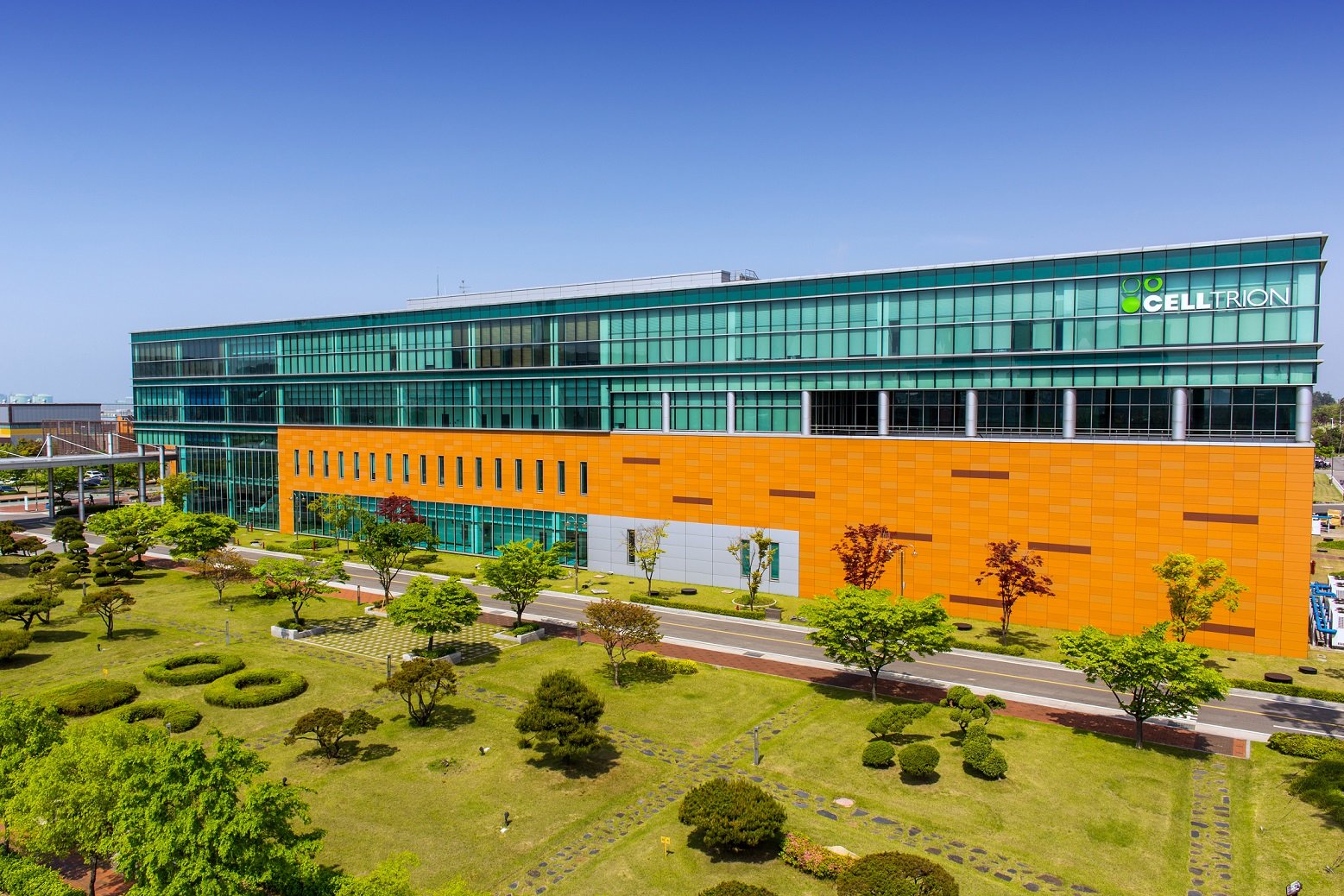
Panoramic view of Celltrion’s Second Plant. Provided by Celltrion.
Celltrion announced on the 12th that it has filed an application with the Therapeutic Goods Administration (TGA) of Australia for marketing authorization of “Vesecuma” (ingredient name: secukinumab), a biosimilar of the autoimmune disease treatment Cosentyx.
This application covers all indications approved in Australia for the original product, including plaque psoriasis, psoriatic arthritis, ankylosing spondylitis, and juvenile idiopathic arthritis.
Vesecuma is an autoimmune disease treatment that inhibits interleukin-17A (IL-17A), which is involved in inflammatory responses. Celltrion reported that in a clinical trial involving 172 healthy adults, it demonstrated pharmacokinetic (PK) equivalence with the reference product and confirmed similar results in terms of safety and immunogenicity.
Starting with Canada in May this year, Celltrion filed for marketing authorization of Vesecuma in Korea in June, and in the United States and Europe in July. With the latest application in Australia, the company has expanded its regulatory procedures from North America, Europe, and Asia to Oceania.
The original product Cosentyx recorded global sales of USD 6.668 billion (approximately KRW 9.3 trillion) last year. Celltrion is seeking to enter the global secukinumab market through Vesecuma.
Celltrion currently sells several autoimmune disease treatments, including Remsima, Remsima SC, Yuflyma, Steqima, and Abtozma. Once Vesecuma is approved, the company will expand its portfolio to include an interleukin-17A inhibitor.
A Celltrion official stated, “Vesecuma is accelerating its entry into the global market as we have applied for marketing authorization not only in the United States, Europe, and Korea, but now also in Australia,” adding, “We will continue to expand the regions in which we seek approval in order to strengthen the growth engine of our biosimilar business.”
Meanwhile, Celltrion plans to increase the number of biosimilar products it has on the market from 11 to 18 by 2030. In the autoimmune disease treatment field, it is developing an Ocrevus biosimilar (CT-P53) and a Taltz biosimilar (CT-P52), and in oncology it is developing a Keytruda biosimilar (CT-P51) and a Darzalex biosimilar (CT-P44), among others.
ⓒ dongA.com. All rights reserved. Reproduction, redistribution, or use for AI training prohibited.
Popular News