An electric furnace with an annual capacity of 2.5 million tons built with an investment of KRW 600 billion… up to 75% less carbon emissions than blast furnaces
Application of molten iron mixing technology between electric and blast furnaces… development of hydrogen reduction steelmaking in Pohang
Pursuing cost innovation and energy efficiency improvements amid the burden of industrial electricity rates
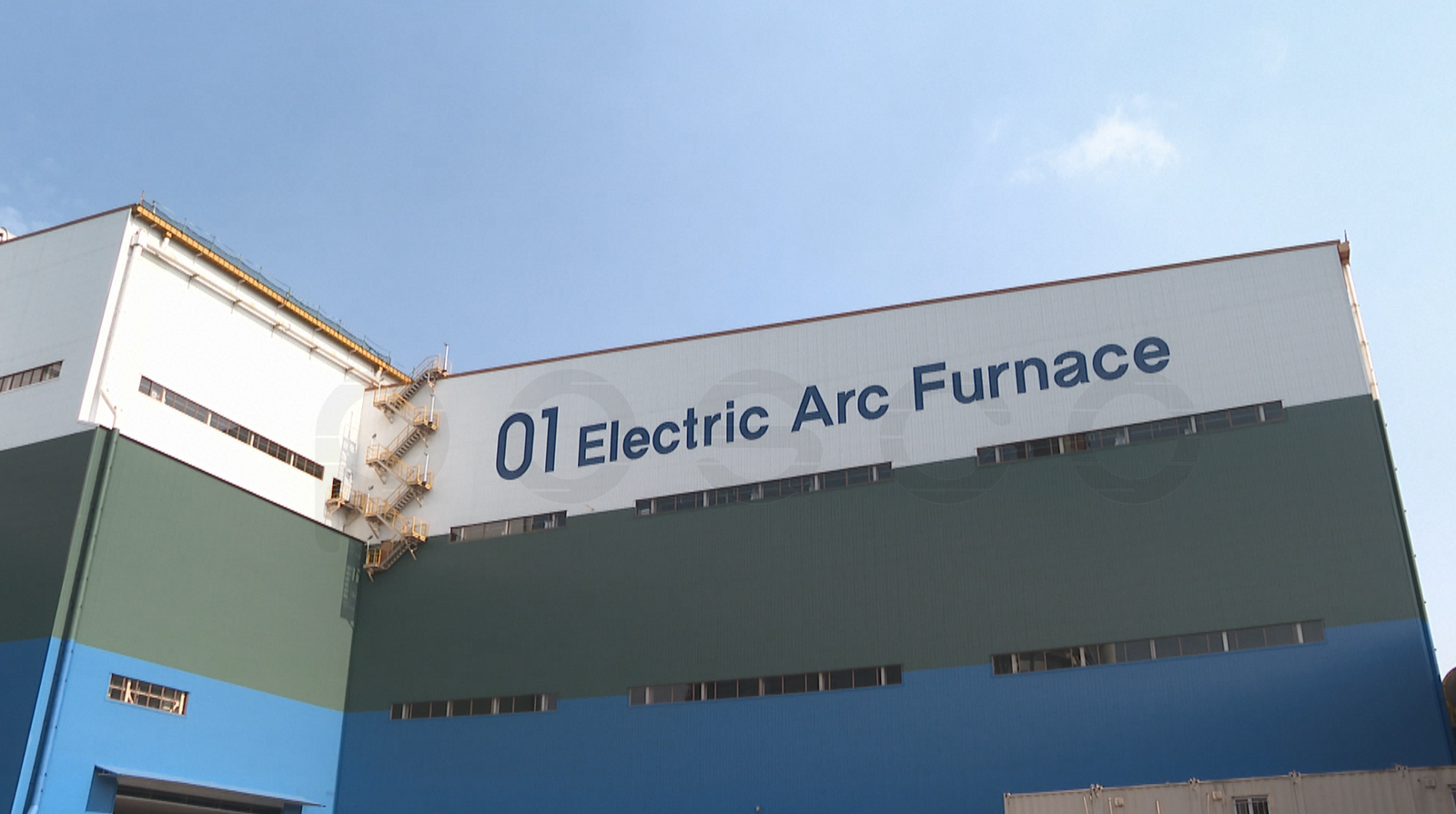
Panoramic view of the electric arc furnace plant at Gwangyang Steelworks. Provided by POSCO Holdings.
POSCO is pursuing a shift to low-carbon processes and reductions in production costs to strengthen the competitiveness of its domestic steel business. Having already achieved the initial operation targets for the Gwangyang electric arc furnace (EAF), in which it invested about KRW 600 billion, ahead of schedule, the company plans to expand production of high value-added steel products such as automotive steel sheets. However, due to the inherently high power consumption of EAFs, the company must manage cost pressures from industrial electricity tariffs and secure profitability.
The EAF unveiled on 2 November at the Gwangyang Steelworks in Jeollanam-do is a production facility with an annual capacity of 2.5 million tons, completed on 17 June. It is the largest single facility of its kind in Korea and can reduce carbon emissions by up to 75% compared with conventional blast furnaces. POSCO plans to expand production of low-carbon high-grade steel by using an automatic scrap charging and preheating system and hot metal mixing technology that combines molten iron from blast furnaces.
● Mixing molten steel from EAFs and blast furnaces… Developing hydrogen-reduced ironmaking in Pohang
On the day, Shin Jong-hoon, head of the EAF plant at Gwangyang Steelworks, outlined the EAF production system from scrap charging and molten steel production to the hot metal mixing process that combines molten steel from the EAF with molten iron produced in existing blast furnaces.
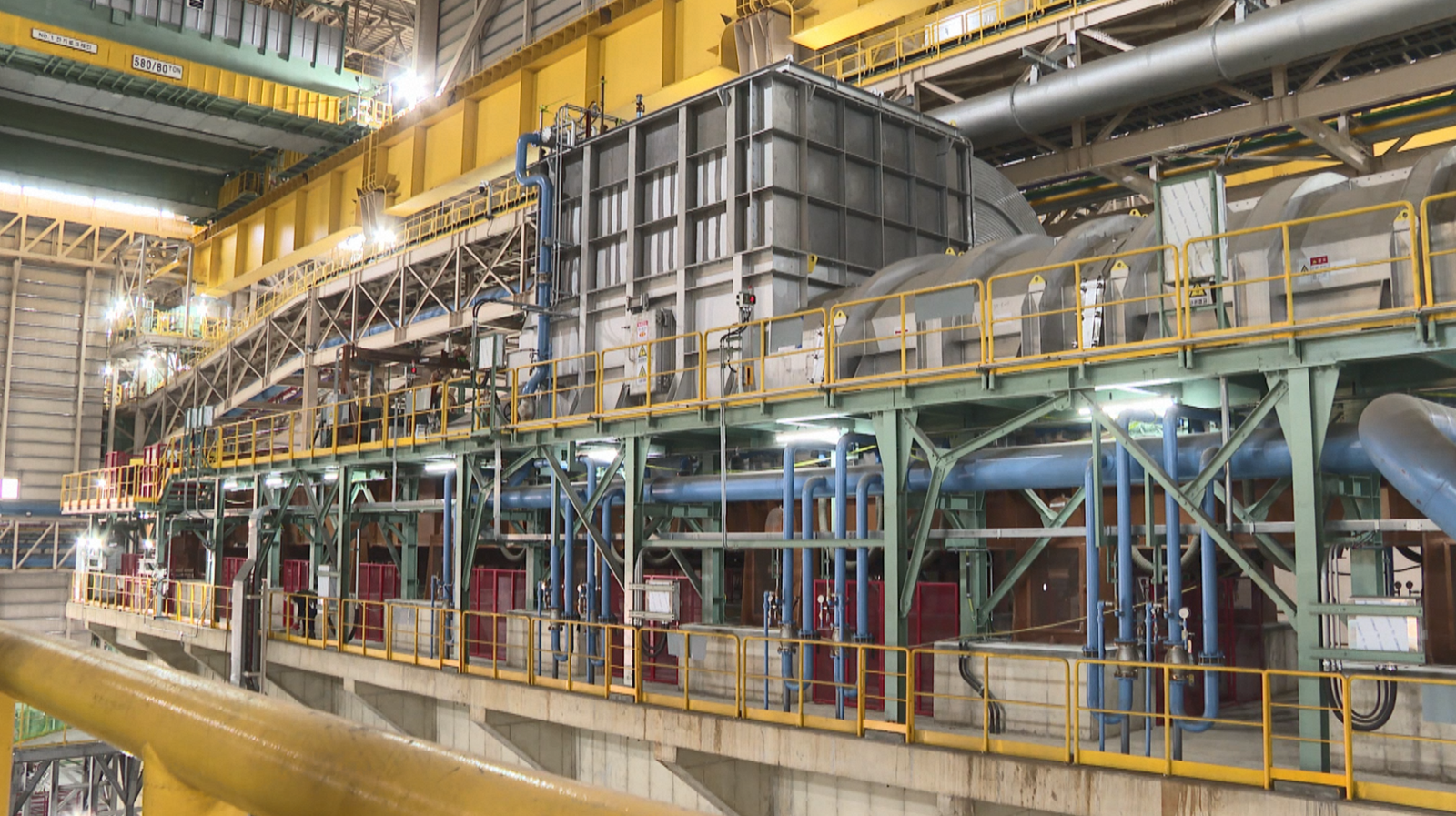
The Gwangyang EAF is equipped with storage facilities comprising six bays and 12 stacking zones to sort and store steel scrap by quality and type. The EAF adopts “Consteel” technology from Italian equipment supplier Tenova. This technology continuously charges and preheats steel scrap while moving it horizontally, thereby reducing the energy required for melting.
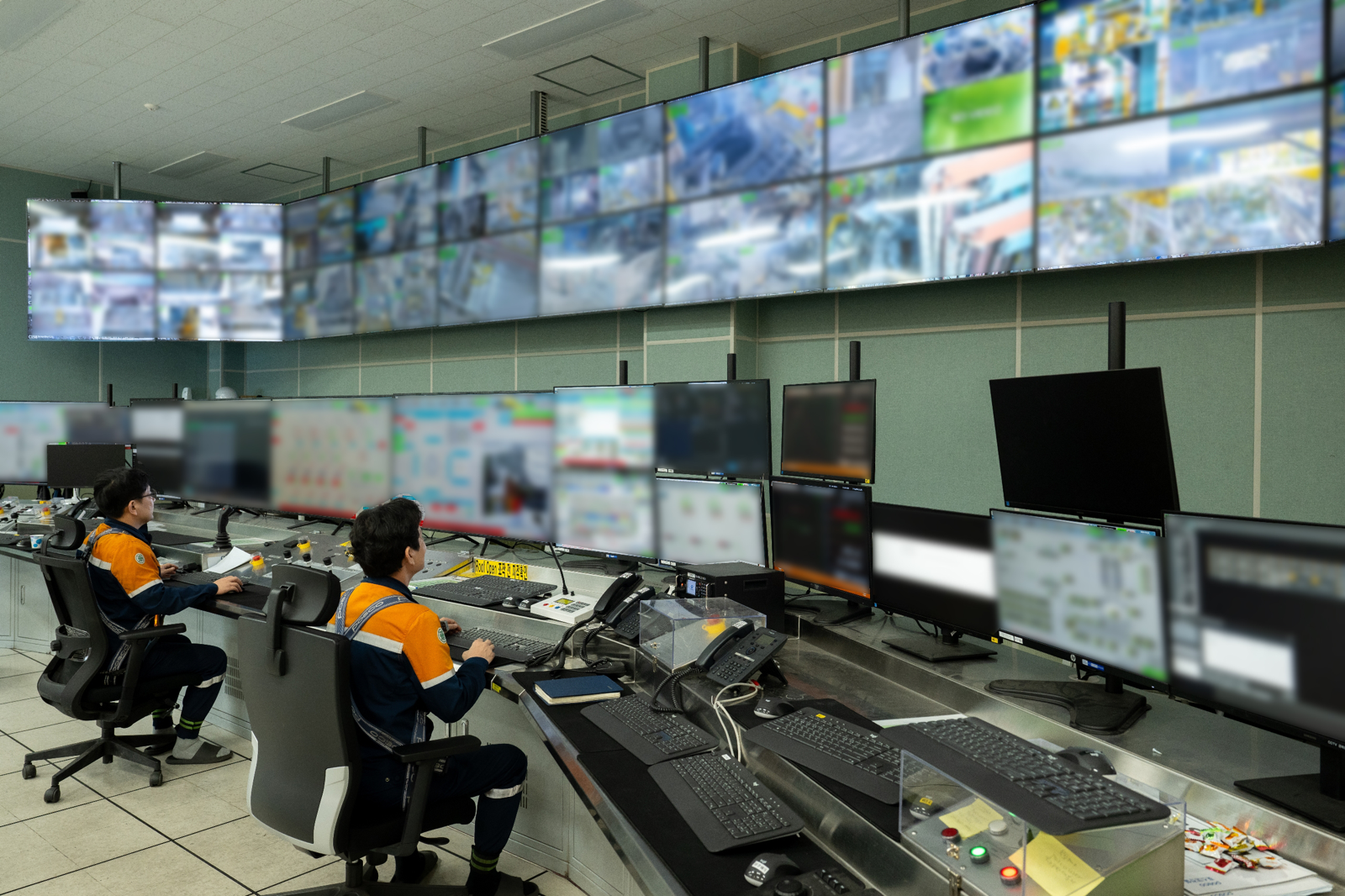
Inside the EAF, steel scrap is melted by arc heat generated from electrodes. The high-temperature arc zone reaches about 5,000 degrees, and molten steel is tapped at around 1,630 degrees. Equipment that uses electromagnetic force to stir the molten steel has also been adopted. The EAF control room is equipped with systems that precisely control electrode and arc conditions.
POSCO is also employing “hot metal mixing” technology, which combines molten steel produced in the EAF with molten iron from existing blast furnaces. At the site, a process was presented in which approximately 140 tons of molten steel from the EAF is mixed with about 140 tons of hot metal from the blast furnace, for a total batch of 280 tons.
Hot metal mixing is a process designed to combine the carbon reduction effect of EAFs with the advanced high-grade steel production technologies of existing blast furnaces. While EAFs can reduce carbon emissions by recycling steel scrap, impurities such as copper contained in scrap can affect the quality of automotive steel sheets and electrical steel sheets. POSCO plans to ensure the quality of low-carbon steel by controlling factors such as mixing ratios, composition, and temperature.
The Gwangyang EAF, completed in June, is currently undergoing stabilization of initial operations. Plant head Shin explained that the facility has achieved about 102% of its initially set start-up targets, reaching those goals ahead of schedule.
In Pohang, the company is developing “HyREX,” a hydrogen reduction ironmaking technology. HyREX replaces coal with hydrogen in the reduction stage, which removes oxygen from iron ore, and then melts the reduced iron in an Electric Smelting Furnace (ESF) to produce hot metal.
The technology leverages the fluidized reduction know-how accumulated from POSCO’s existing FINEX technology, enabling the use of fine iron ore in powder form. In April 2024, POSCO successfully achieved the first tapping at a pilot ESF with a capacity of 1 ton per hour at the Pohang Steelworks. The company aims to complete a HyREX demonstration plant with an annual capacity of 300,000 tons by 2028 and secure commercialization technology by 2030.
Whereas the Gwangyang EAF reduces carbon emissions by using both existing blast furnaces and EAFs in combination, HyREX is a technology focused on cutting coal use from the iron ore reduction stage itself.
Scrap charging facility for the EAF at Gwangyang Steelworks. Provided by POSCO Holdings.
● Parallel pursuit of carbon reduction and economic viability… Managing electricity cost burdens
Because EAFs melt steel scrap using high-temperature arc heat generated by electrodes, they consume substantial amounts of electricity. Industrial electricity tariffs and steel scrap procurement prices are key factors influencing production costs and profitability.
According to Korea Electric Power Corporation (KEPCO), the average sales price of industrial electricity in 2025 was KRW 181.9 per kWh. Domestic industrial electricity rates have risen for several years, increasing cost pressures on electricity-intensive sectors such as steel.
POSCO is improving energy efficiency through scrap preheating, continuous charging, and automated process control. However, regardless of equipment efficiency improvements, high electricity tariffs can weigh on the price competitiveness of low-carbon steel.
HyREX, which is under development in Pohang, also requires an ESF to melt reduced iron, making electricity cost management crucial. Hydrogen procurement costs and capital expenditure for facilities will also be decisive factors for its future economic feasibility.
Korea’s steel industry is experiencing stagnant demand, global oversupply, and competition from low-priced imported steel products. Even if additional costs arise from low-carbon facilities, the extent to which these can be reflected in selling prices will depend on customer demand and market conditions.
Control room of the EAF plant at Gwangyang Steelworks. Provided by POSCO Holdings.
● Region-based electricity tariff scheme under way… Domestic cost innovation and low-carbon transition
The government is pursuing a plan to differentiate industrial electricity tariffs by region.
The Ministry of Climate, Energy and Environment and KEPCO released a draft design in August that includes a reduction of industrial electricity tariffs in the southern region by KRW 13–18 per kWh, or up to about 10%.
Large-scale industrial facilities in the southern region, such as Gwangyang Steelworks, could reduce their electricity cost burdens if the scheme is implemented. However, the actual savings will depend on the final tariff structure, consumption volume, and each site’s electricity procurement method.
In the “Triple Core” strategy announced in July by POSCO Group Chairman Chang In-hwa, structural cost reductions in the domestic steel business and the transition to low-carbon processes were presented as key directions.
The plan is to expand production bases in growth markets such as India and the United States overseas, while domestically focusing on the development of high value-added products and investment in low-carbon facilities. According to data presented by POSCO Group, major steelmakers’ operating profit margins over the past three years have been around 4–5% in Korea, 10–14% in India, and 12–18% in the United States.
POSCO Group intends to use the earnings generated from overseas growth investments to support the transition to low-carbon processes and research and development in Korea. The group plans to pursue production cost reductions and expansion of high value-added steel products in parallel with stabilizing operations at the Gwangyang EAF and developing HyREX in Pohang.
ⓒ dongA.com. All rights reserved. Reproduction, redistribution, or use for AI training prohibited.
Popular News