[Agriculture for All, Growing Korea Together] Homegrown technology clears FTA hurdles
Food startup Humil develops new process
Cutting time and resources using heat and moisture
Commercialized via patent transfer from Korea Agency of Education, Promotion and Information Service in Food, Agriculture, Forestry and Fisheries… Breaking into overseas markets with FTA origin certification
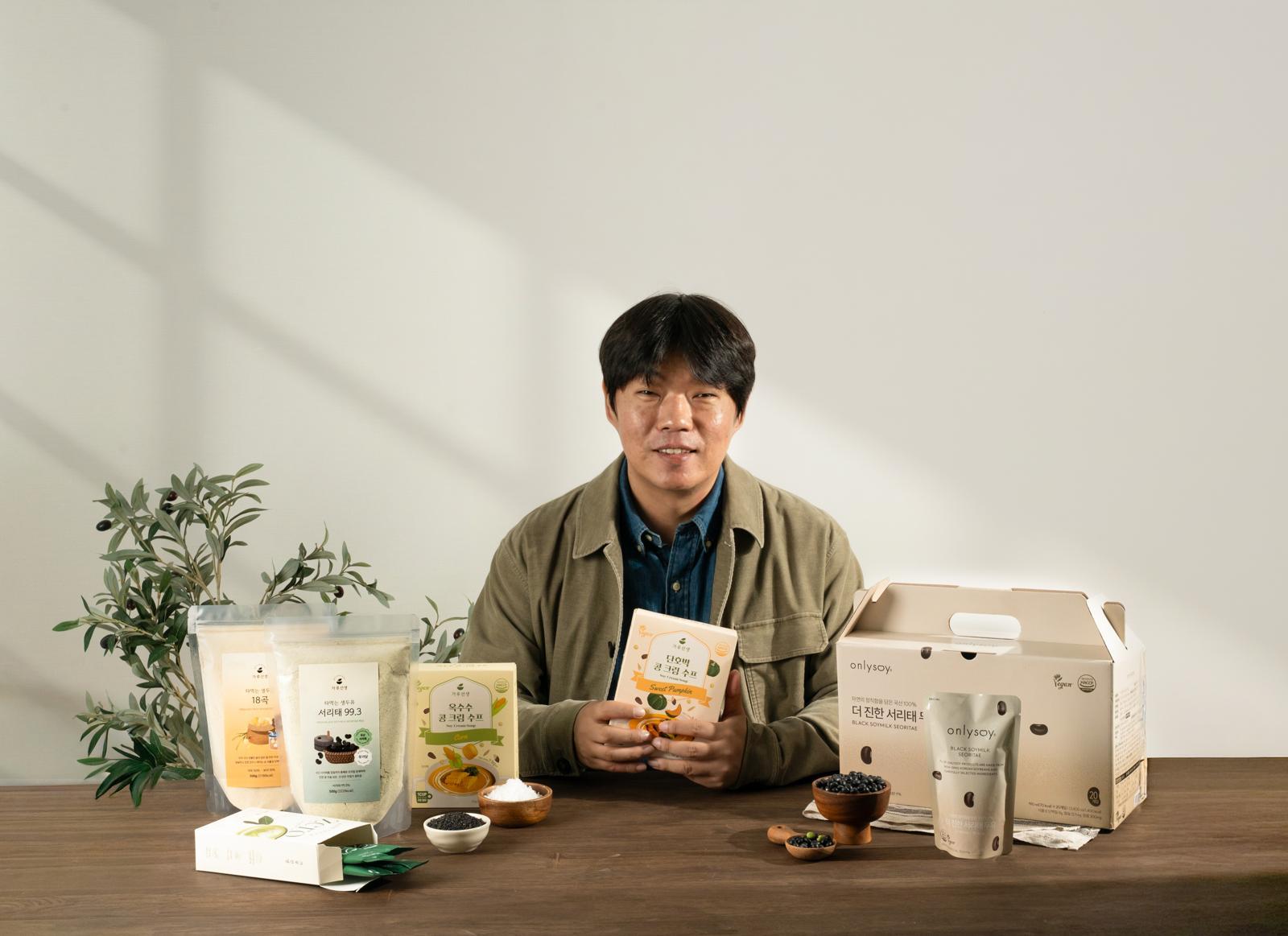
Kim Kyung-hwan, CEO of food ingredient development company Humil, has developed processing technologies that preserve the original taste and nutritional value of raw materials and directly procures raw materials from domestic farms to produce food ingredients and finished products. The company has also established an origin management system to leverage free trade agreements (FTAs) and is targeting overseas markets. Provided by Humil
Inquiries from overseas Koreans and local consumers continued to come in about the powdered soy milk and plant-based beverages sold online in Korea. Kim Kyung-hwan, CEO of food ingredient development company Humil, saw the potential for overseas expansion in this response. He concluded that additive-free powdered products made from Korean-grown soybeans and grains could be competitive in international markets.
Behind Kim’s decision to establish Humil in August 2021 was an awareness of issues he had encountered in the food industry. During his 16 years in food planning and marketing, he observed the extensive use of various additives in health foods and began to consider whether it would be possible to create foods that preserve the inherent taste and nutrition of raw materials while reducing dependence on additives. His start-up concept also included increasing added value by processing Korean agricultural products domestically instead of limiting them to sales as raw commodities.
Humil develops processing technologies that preserve the taste and nutritional value of raw materials and directly purchases ingredients from domestic farms to produce food ingredients and finished products. The company has also established an origin management system to utilize free trade agreements (FTAs) and is targeting overseas markets.
SSP technology that preserves the taste and nutrition of raw materials
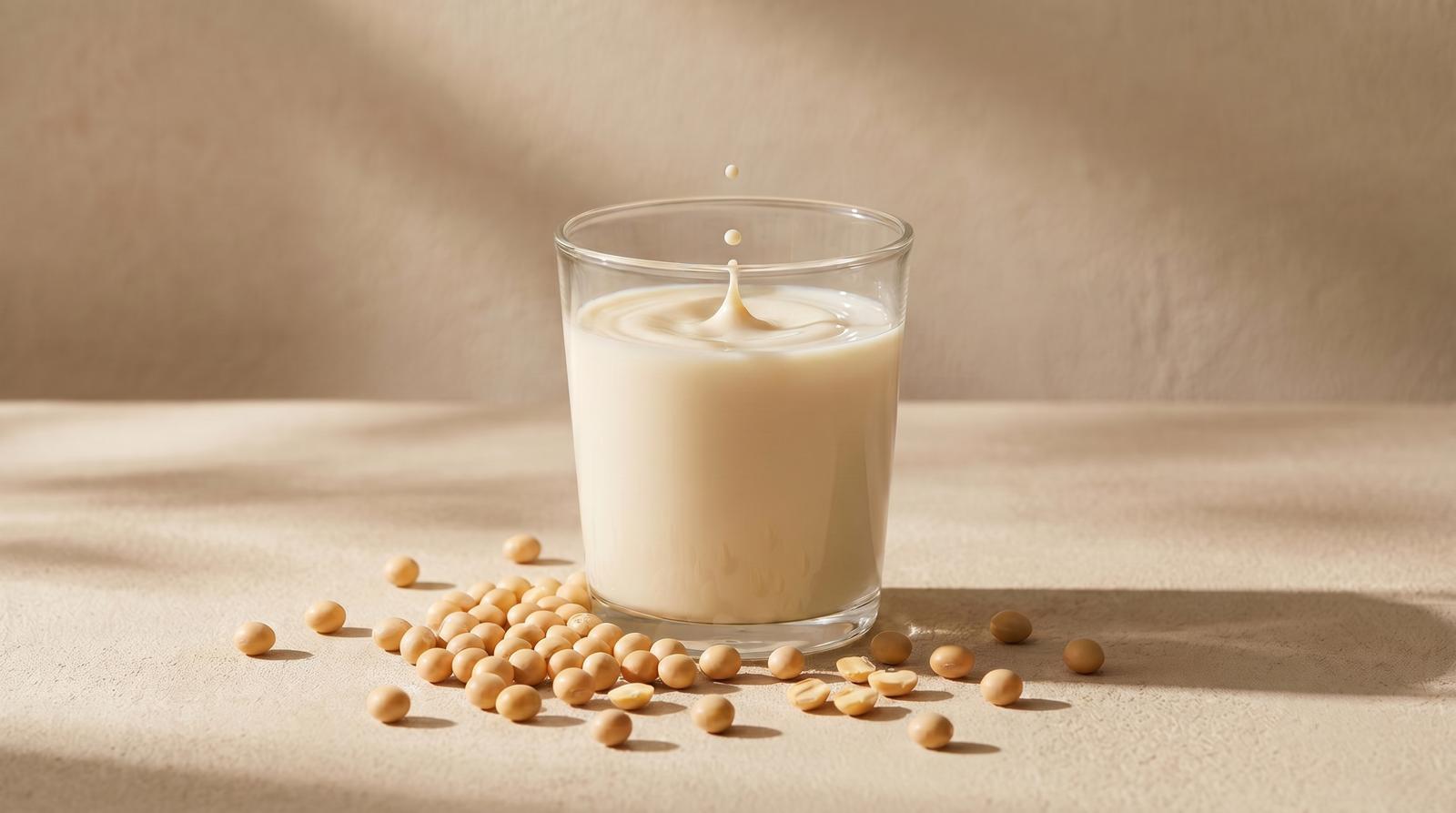
Through the SSP process, Humil reduces off-flavors inherent in raw materials and adjusts flavor profiles.
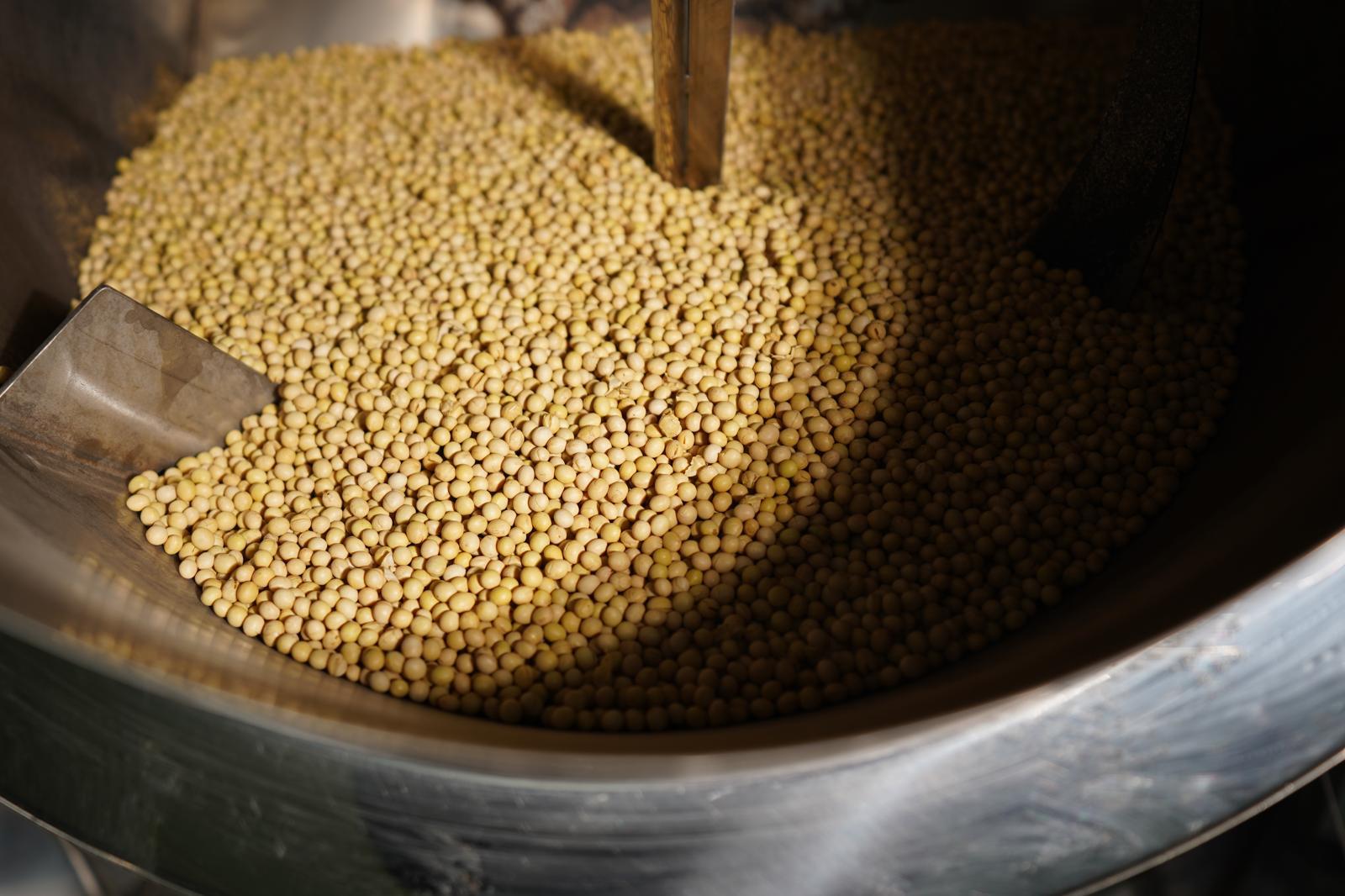
Humil’s core technology is SSP (Super Short Process). This is a technology that transforms the structure of raw materials into food ingredients through a physical process using heat and moisture, without chemical agents. The focus is on preserving the most important aspects of food ingredients: taste and nutrition. The method opens up the cell structure of raw materials to extract active components and breaks down bonds between components so that the desired substances can be more effectively utilized.
The company explained that the SSP process can reduce off-flavors inherent in raw materials and adjust flavor profiles. It also expects to increase the extraction efficiency of functional components and improve solubility and absorption rates. In addition, by inhibiting rancidity, it can enhance shelf life and enable the production of products that leverage the intrinsic characteristics of raw materials without separate chemical additives.
Processing time and resource consumption have also been reduced. Conventional powdered soy milk and oat beverage bases require multiple stages such as grinding, enzymatic treatment, heating, homogenization, and drying. Humil consolidated these into a heat-treatment-centered process. According to the company, the core processing time, which previously took more than eight hours, has been reduced to within 30 minutes. Based on its internal comparison criteria, the company states that process steps, manufacturing time, and energy use have each been reduced by 80%, while water use has been cut by 70% and waste by 99%.
Using SSP, Humil produces powdered soy milk made from Korean-grown white soybeans and black beans (seoritae), oat milk powder, and “soy-oat-nut milk powder” that blends soybeans, oats, and nuts. It has also developed base ingredients for making soy yogurt and cream cheese. These ingredients are used not only in the company’s own branded products but also as raw materials for beverages and meal replacements produced by other food companies.
Commercializing food ingredients through public technology transfer The technology development process was not entirely smooth. Moisture, heat, and time all affect one another, and the optimal processing conditions differ for each raw material. Humil has been developing its processing technologies by building a database of conditions for moisture, heat, and time tailored to each raw material. Even for the same soybeans, suitable conditions vary by cultivation area and harvest season. Conditions applied to soybeans did not work for rice or oats, and even identical soybeans required process adjustments depending on where and when they were harvested.
During this process, the company received support from the Korea Agriculture Technology Promotion Agency (KOAT). In February 2024, Humil acquired two patents through KOAT’s free technology-sharing program: “Method for Stabilizing Rice Bran” and “Functional Food Composition Using Stabilized Rice Bran and Rice Germ and Method for Manufacturing Same.” Rice bran is rich in nutrients but difficult to use as a food ingredient because its fat content causes rapid rancidity. By combining the transferred technology with its SSP process, Humil was able to stabilize rice bran and promote commercialization by applying it to oat milk ingredients. The company continues its R&D efforts and currently holds five registered patents, three patent applications, and nine registered trademarks.
Following the technology transfer, support continued under the advanced technology category of the agri-food venture incubation support program and the private investment-based scale-up program, allowing the company to sustain and grow its business.
Kim stated, “The most difficult stage for a startup is the middle phase of translating an idea into an actual product and revenue,” adding, “By receiving proven patents free of charge, we were able to bring forward our starting point significantly.”
Direct procurement of Korean agricultural products to establish origin management
Using SSP, Humil produces powdered soy milk made from Korean white soybeans and seoritae.
Humil uses domestically grown grains and legumes such as soybeans, seoritae, rice, glutinous rice, barley, and oats as its main raw materials. It provides farms with a stable sales channel, while Humil enhances added value by applying its processing technologies to Korean agricultural products. This structure allows both farms and Humil to benefit through raw material transactions.
In particular, Humil purchases soybeans through an annual unit price agreement with Kongsarang Agricultural Corporation in Sacheon, South Gyeongsang Province. Farmers can cultivate crops knowing in advance the price at which their harvested soybeans will be sold, and Humil can secure a stable supply of raw materials. Soybeans and grains that once circulated only in raw form are reborn, via SSP technology, as functional ingredients supplied to food companies or as finished products sold in overseas markets.
Kim explained, “This approach both broadens distribution channels for agricultural products and increases the added value of foods processed and produced domestically.”
FTA origin management system in place, exports to 12 countries After gauging overseas market reactions through indirect exports via domestic trading companies, Humil obtained country-specific certifications and expanded its client base. Food export requirements vary by country in terms of label information and regulation, and Europe in particular has strict rules on allergen labeling and novel foods. When the company first began preparing for exports, securing even a single certification took several months.
In November 2023, Humil obtained authorized exporter certification for each product category from the Korea Customs Service. An authorized exporter is a company pre-recognized by customs authorities as meeting FTA rules of origin for its export items. With this certification, a company can self-issue certificates of origin or benefit from simplified issuance procedures, and the burden of origin verification during customs clearance in importing countries is reduced. For small and medium-sized enterprises such as Humil with limited staff, this significantly alleviates administrative burdens.
The use of Korean raw materials provided a favorable basis for certification. Kim said, “Because we directly purchase Korean-grown soybeans and grains and process them at our own domestic plant, it is relatively straightforward to prove that we meet origin criteria,” adding, “Insisting on Korean raw materials is a cost burden in terms of production, but it becomes a strength when utilizing FTAs.”
Humil currently supplies products to 12 countries, including the United States, Canada, Australia, New Zealand, Singapore, Malaysia, the Philippines, Thailand, Japan, Hong Kong, the United Arab Emirates (UAE), and the Dominican Republic. It has obtained HACCP (Hazard Analysis and Critical Control Point), FSSC 22000 (Food Safety System Certification), vegan, and halal certifications and has completed relevant procedures with the U.S. Food and Drug Administration (FDA). Its main export items are powdered soy milk, oat milk powder, and grain meal replacements. By using powdered products, which are lighter than liquid products and have a longer shelf life, the company is responding effectively to overseas distribution needs.
As overseas clients increase, Humil is also pursuing expanded production capacity. The current daily production volume at its Gimhae plant is 1.5 tons. To increase capacity, the company is preparing a new plant in Gimhae, scheduled to begin operation in the first half of 2027. It also plans to expand its product lineup to include SSP-based rice and wheat flour for blood sugar management and plant-based protein ingredients.
Kim stated, “The aim is to create a structure in which Korean soybeans and grains are not only exported as raw commodities but also enter global markets as high value-added food ingredients and products processed domestically,” adding, “The goal is to provide stable sales channels for domestic farms and to offer overseas consumers high-quality foods free from additives.”
Production support: Ministry of Agriculture, Food and Rural Affairs; Korea Rural Economic Institute
ⓒ dongA.com. All rights reserved. Reproduction, redistribution, or use for AI training prohibited.
Popular News