“Lithuania can be a gateway for Korean companies to enter Europe, and Korea can be a gateway for Lithuanian companies to enter Asia.”
In an interview with the Dong-A Ilbo on the 28th of last month, Paulius Petrauskas, Vice Minister of the Ministry of the Economy and Innovation of Lithuania, presented this as the direction for industrial cooperation between the two countries. He proposed building a cooperative relationship that goes beyond simple imports and exports, using each other as bases for advancing into the European and Asian markets.
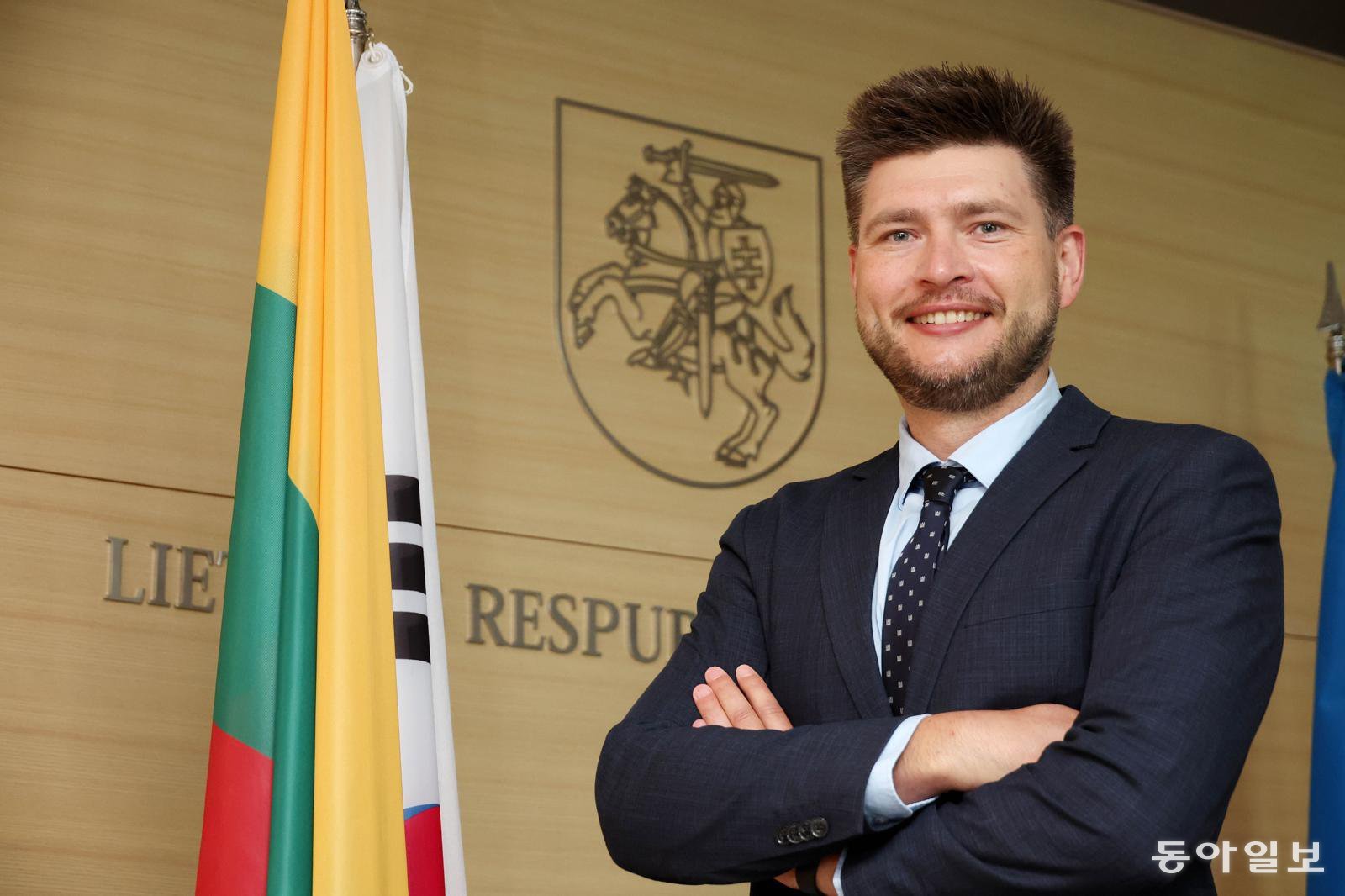
Paulius Petrauskas, Vice Minister of the Ministry of the Economy and Innovation of Lithuania. Jeon Young-han, Reporter scoopjyh@donga.com
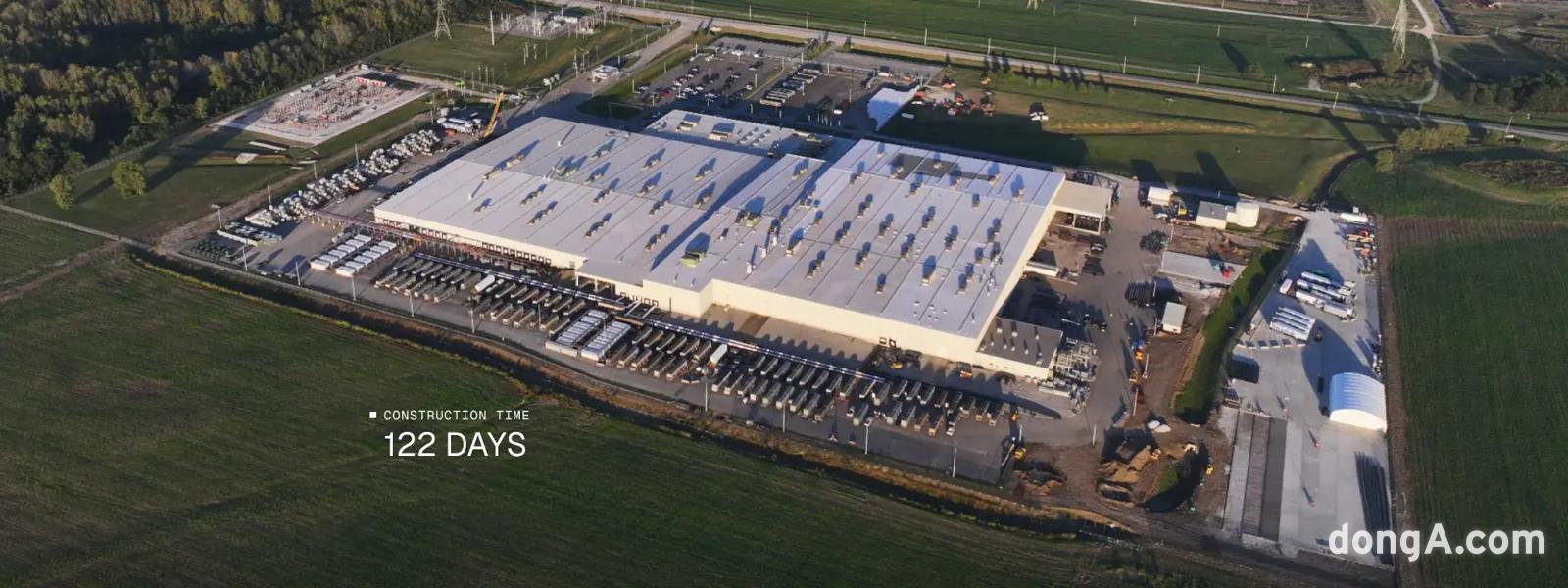
One of Lithuania’s strengths is “speed.” A representative example is the local investment by German defense company Rheinmetall. Rheinmetall has established a joint venture, “Rheinmetall Defence Lithuania,” with Lithuanian state-owned companies and is building a 155mm artillery shell factory. The Lithuanian government cites swift administrative procedures as the background that enables it to rapidly attract such large-scale defense investments. Vice Minister Petrauskas said, “In general, factories are built after obtaining all necessary permits, but we start construction while simultaneously processing the required authorizations,” adding, “It is possible to establish production facilities in about nine months from the investment decision.”
As the EU strengthens intra-regional production in strategic industries such as defense and semiconductors, this investment environment can also present opportunities for Korean companies. Rather than limiting themselves to manufacturing products in Korea and exporting them, they can target the European market by establishing production, assembly, and research and development (R&D) bases in Lithuania. The Vice Minister emphasized, “Compared with other European countries, our strength lies in being able to move flexibly and quickly in areas such as certification and administrative procedures.”
Cooperation between the two countries has already begun. In 2024, the Korea Institute for Advancement of Technology (KIAT) and Innovation Agency Lithuania signed a memorandum of understanding (MOU) on industrial technology cooperation. In the space sector, Lithuanian company NanoAvionics is cooperating with Korean company Flexell Space to design and manufacture solar panels for low Earth orbit satellites being developed by Hanwha Systems. Vice Minister Petrauskas explained that Lithuania’s laser technology is being used for polishing and cutting in Samsung’s equipment.
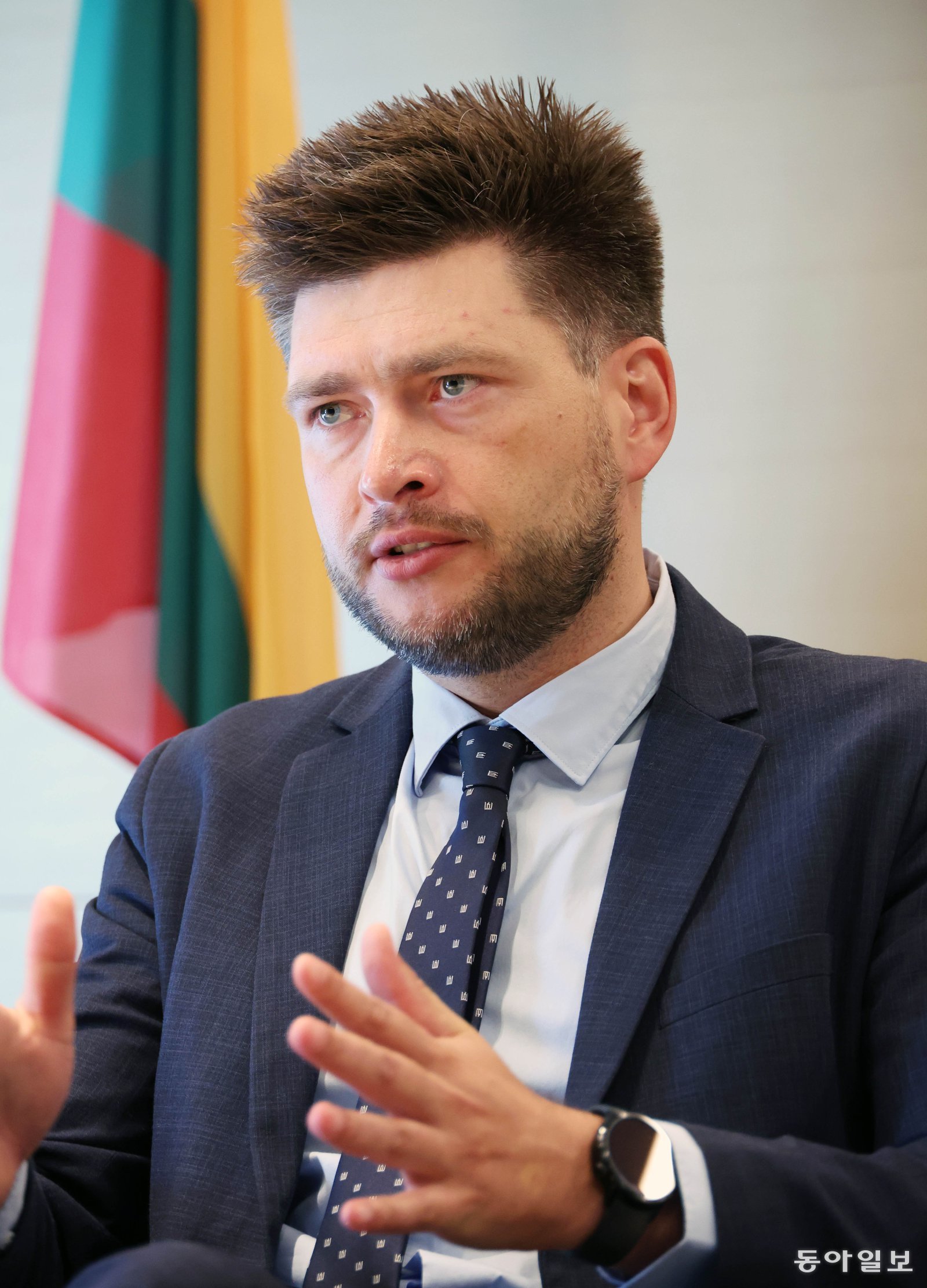
Paulius Petrauskas, Vice Minister of the Ministry of the Economy and Innovation of Lithuania, during an interview at the Lithuanian Embassy in Jongno-gu, Seoul, on September 28. Jeon Young-han, Reporter scoopjyh@donga.com
Defense is cited as a sector with high potential for future cooperation. Lithuania plans to invest about 5% of its gross domestic product (GDP) in the defense sector. It was reported that in August this year the Lithuanian Minister of National Defence discussed with the Korean side the potential introduction of Korean self-propelled anti-aircraft guns and anti-drone systems. In Lithuania, there are companies that produce drones actually used in Ukraine and companies that supply night vision equipment to NATO countries.
Lithuania is also expanding testing and verification facilities for defense products such as drones. If Korean companies in the future engage in joint development and production with local firms, they can use Lithuania’s testing facilities to verify performance in real-world environments and conduct tests in accordance with NATO Standardization Agreement (STANAG) criteria. It is explained that this could also lay the groundwork for entering procurement markets in other EU and NATO countries in the future.
Vice Minister Petrauskas said, “If products are certified in line with NATO standards such as STANAG, it can help them move more quickly into other NATO markets,” stressing, “It is important to connect companies in defense, life sciences, ICT, lasers, space, and smart food—fields where both countries have strengths and can complement each other—and bring them to the actual negotiation table.”
ⓒ dongA.com. All rights reserved. Reproduction, redistribution, or use for AI training prohibited.
Popular News