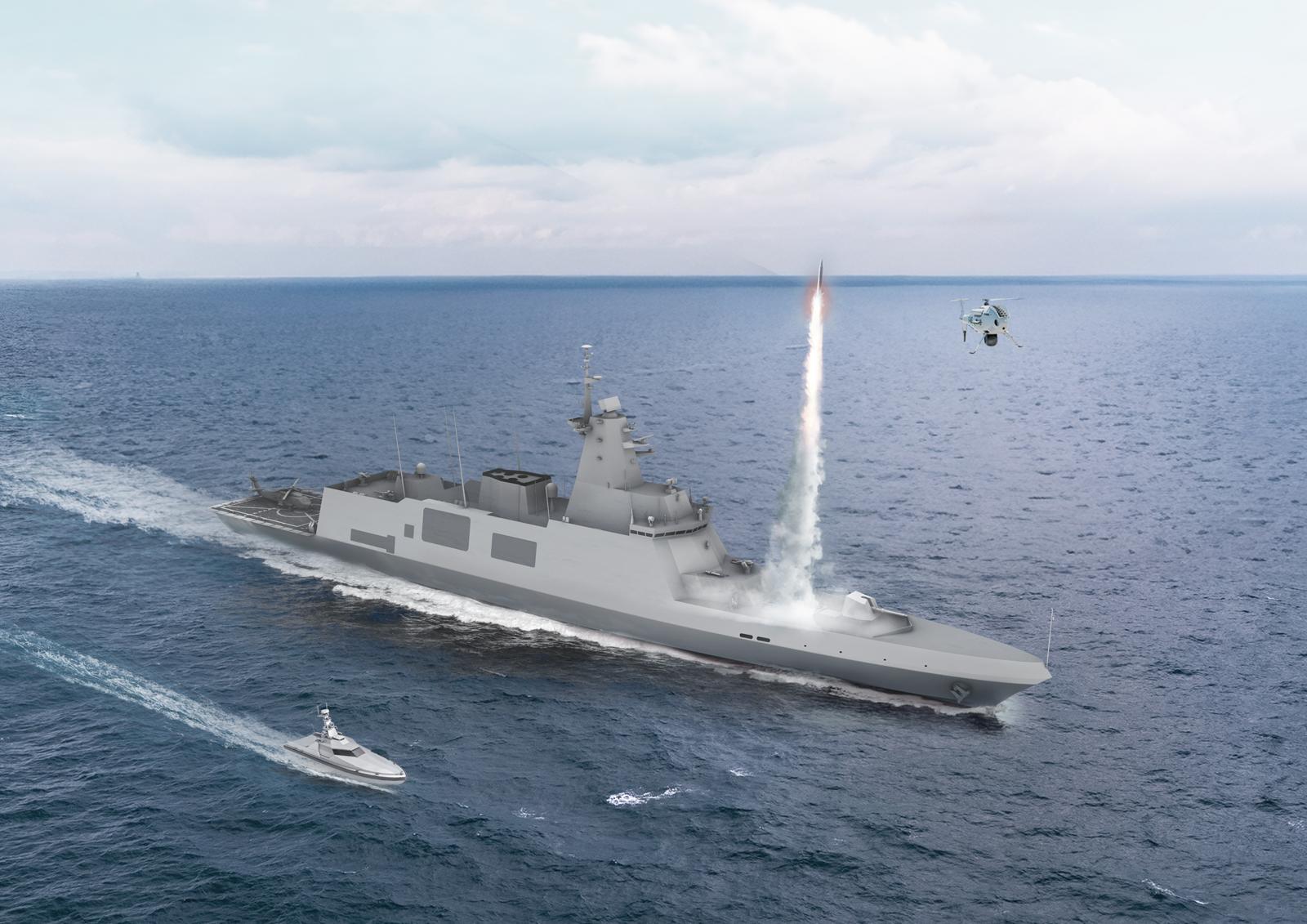
Rendering of the next-generation frigate to be supplied by Hanwha Ocean to the Royal Thai Navy. Provided by Hanwha Ocean
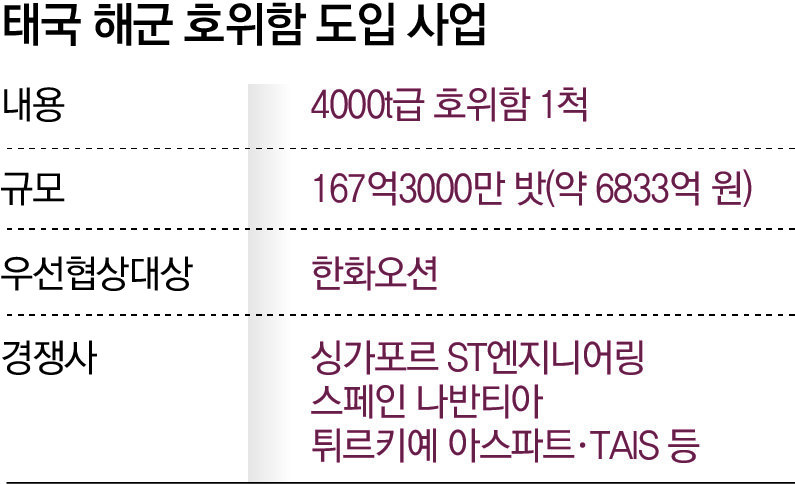
Hanwha Ocean will build a frigate for the Royal Thai Navy. Hanwha Ocean announced on the 9th that it has been selected as the preferred bidder to build one next-generation frigate for the Royal Thai Navy and to implement an integrated logistics support program for its operation. The contract is valued at THB 16.73 billion (approximately KRW 683.3 billion). The defense industry expects that, if it leads to follow-on orders, the total value could reach up to around KRW 4 trillion.
In the selection process, defense companies from several countries, including Spain, Singapore, and Türkiye, competed alongside Hanwha Ocean. It is reported that Hanwha Ocean actively highlighted its customized naval shipbuilding capabilities for the Thai Navy, drawing on its experience of delivering the first frigate “HTMS Bhumibol Adulyadej” to the Thai Navy in 2018. A Hanwha Ocean representative said, “In the remaining detailed negotiations, the company will strive to build a frigate that will satisfy both the Thai Navy and Hanwha Ocean.”
This contract is welcome news for Korea’s naval defense sector, which had recently suffered multiple setbacks in overseas naval procurement bids. Korean defense companies had repeatedly failed to secure orders in projects such as Poland’s submarine procurement program, Australia’s new frigate acquisition program, and Canada’s next-generation submarine procurement program. It is understood that the Korean government and military also provided support in securing this latest order. Hanwha Ocean explained that the trust built between Korea and Thailand through activities such as port calls in Thailand by the Republic of Korea Navy’s Cruise Training Task Group and participation in the Cobra Gold joint exercise served as the foundation for this project.
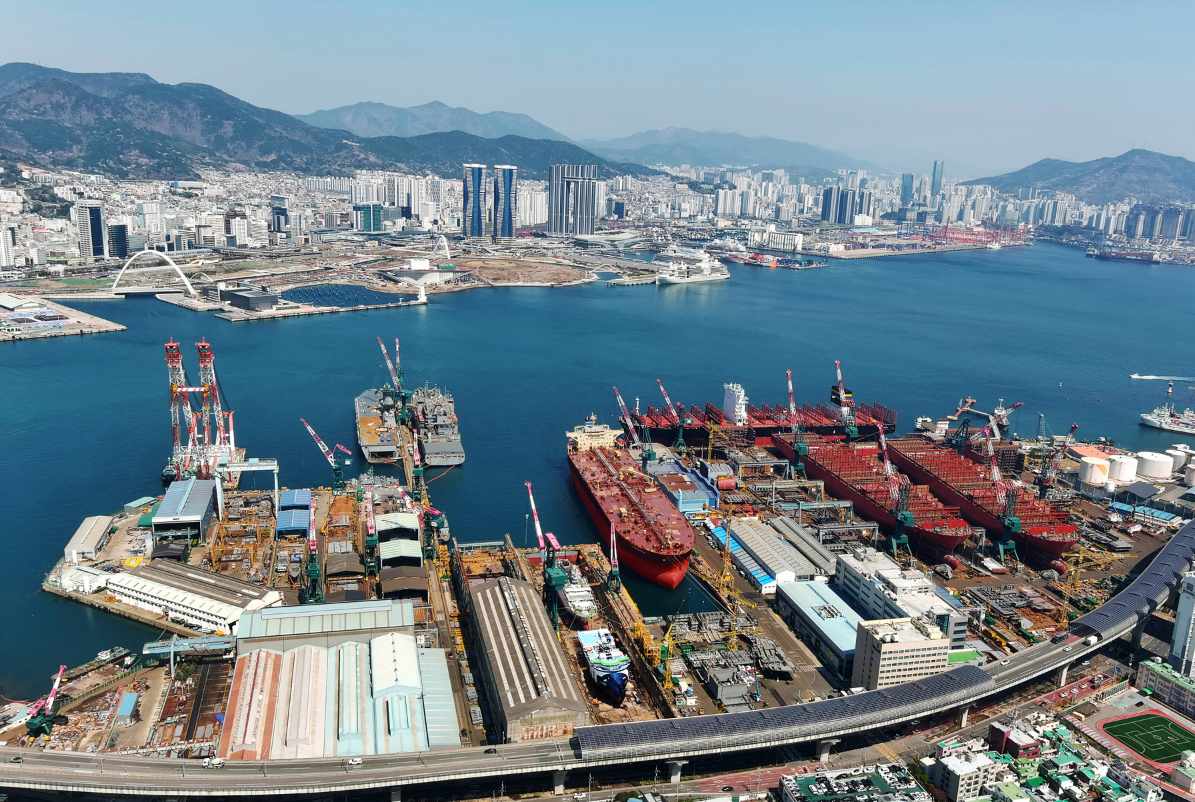
The latest frigate contract is also seen as likely to accelerate the entry of Hanwha Ocean and other Korean naval defense companies into the Southeast Asian naval vessel market. Hanwha Ocean plans to continuously expand business opportunities in the Southeast Asian surface ship market.
HD Hyundai, which secured contracts to supply 12 vessels to the Philippines between 2016 and last year, is also continuing defense cooperation talks. Chairman Chung Ki-sun met with Philippine Secretary of National Defense Gilberto Teodoro Jr. on the 7th to discuss ways to expand cooperation in naval shipbuilding and defense.
Among Southeast Asian countries, many are embroiled in territorial disputes with China over the South China Sea, increasing the importance of naval defense. As a result, these countries are expected to continue projects to procure additional warships and submarines or modernize their fleets. The Royal Thai Navy, which is procuring one frigate from Hanwha Ocean, is reported to be planning to acquire three more of the same class in the future. The Philippines is also pushing ahead with a project to procure two submarines worth about KRW 2 trillion.
Korean defense companies expect that smooth deliveries of warships and submarines to these countries will provide a bridgehead for extending their influence beyond Southeast Asia to the Middle East. The industry forecasts that, due to recent conflicts such as the U.S.-Iran war, Middle Eastern and North African countries including Saudi Arabia, the United Arab Emirates, and Egypt will replace large volumes of aging weaponry within the next few years.
However, “internal competition” among major domestic naval defense companies remains a challenge to be resolved. Hanwha Ocean and HD Hyundai both bid separately in Australia’s new frigate acquisition program, only to see both companies fail and the contract awarded to a Japanese shipbuilder. While they participated as a “one team” in Canada’s next-generation submarine procurement program, it is reported that if the Philippine submarine procurement project moves into full swing, the two companies plan to take part separately.
ⓒ dongA.com. All rights reserved. Reproduction, redistribution, or use for AI training prohibited.
Popular News