Global scholars discuss sharing and direction of “integrative medicine”; precise herbal-acupuncture injection into damaged areas under ultrasound guidance
Jaseng Hospital of Korean Medicine presents “ultrasound-guided herbal acupuncture”… treating both pain-generating tissues and related structures simultaneously
Opioid-related deaths nearing 500,000 a year… CDC recommends “non-pharmacological treatments” such as physical therapy and acupuncture as first-line options
Acupuncture used at more than 60 institutions including Mayo Clinic… combining acupuncture, exercise, medication, and surgery according to patient condition
Also applied to post-surgical rehabilitation, low back pain, and sports injuries
Research under way to map male and female acupoints in 3D coordinates… remaining tasks include building clinical data and demonstrating safety
Director Lee Jin-ho of Jaseng Hospital of Korean Medicine delivering a keynote speech.
《2026 Jaseng International Academic Congress Jointly Held with Indiana University School of Medicine, USA
As medical care that goes beyond curing disease to restoring patients’ daily lives and overall life becomes more important, global interest is rising in integrative medicine, including Korean medicine. This aligns with the current of modern medicine that seeks to realize patient-centered care while reducing adverse drug reactions, dependence on opioid analgesics, and unnecessary surgeries. The World Health Organization (WHO) has also presented the expansion of evidence-based traditional medicine and integrative medicine as a key direction through its “Global Traditional Medicine Strategy 2025–2034.”
Among these, Korean medicine stands at the center of integrative medicine. The American College of Physicians (ACP), in its “Clinical Practice Guideline for the Treatment of Chronic Low Back Pain (2017 Revision),” recommended non-invasive therapies such as acupuncture as first-line treatments, and in 2020, Medicare, the U.S. federal health insurance program, decided to cover acupuncture for patients with chronic low back pain. In addition, more than 60 medical institutions in the United States, including Mayo Clinic and Johns Hopkins Hospital, have established centers for integrative medicine treatments such as acupuncture.
In line with this trend, Jaseng Hospital of Korean Medicine hosted the “2026 Jaseng International Academic Congress (AJA)” on 28–29 of last month in Indianapolis, Indiana, to firmly establish the scientific basis of integrative medicine. Marking its sixth year, this year’s congress was jointly organized with Indiana University School of Medicine under the theme “Convergence of Eastern and Western Medicine: Integrative Approaches to Musculoskeletal Health from Pediatrics to Geriatrics.”
At the congress, leading scholars from around the world shared the latest research in integrative medicine and discussed future directions for development. How do global medical experts view the future of Korean medicine and integrative medicine? The following is a Q&A.》
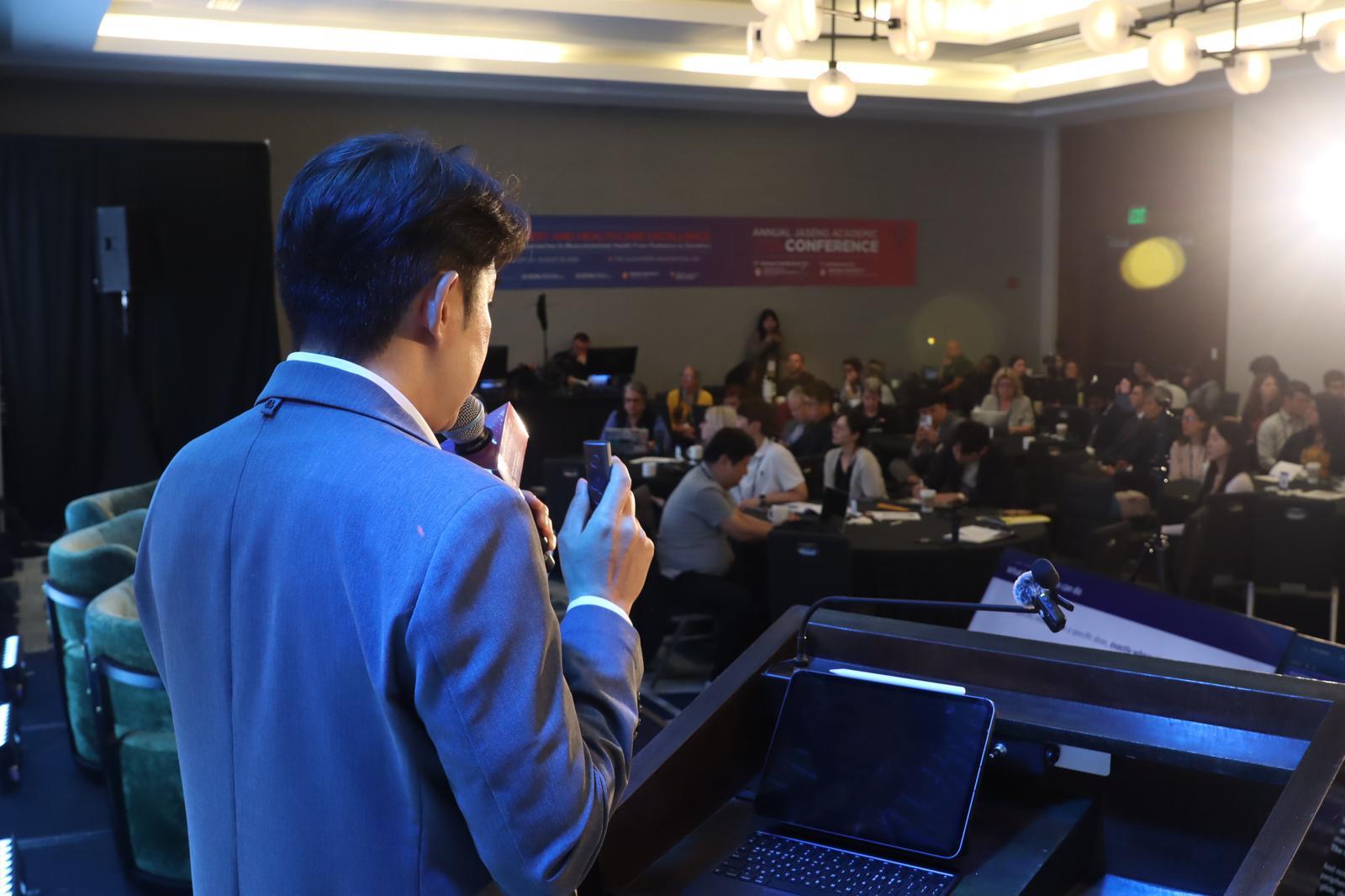
Director Lee Jin-ho of Jaseng Hospital of Korean Medicine delivering a keynote speech.
―What was the main message you intended to convey through this congress? Director Lee Jin-ho of Jaseng Hospital of Korean Medicine = “The goal was to highlight the importance of holistic care that not only treats patients’ symptoms but also considers functional recovery and improvement in quality of life. Above all, treatment of musculoskeletal disorders such as spinal and joint diseases does not end with simply alleviating pain. True treatment encompasses the restoration of patient function. In particular, to introduce a Korean medicine approach to this, I chose as my lecture topic the clinical application and utilization of ‘ultrasound-guided pharmacopuncture,’ a pharmacopuncture technique based on ultrasound image guidance. Pharmacopuncture is one of several therapeutic modalities in Korean medicine. It is a treatment that combines the effects of ‘pharmacotherapy’ and ‘acupuncture’ by refining the active ingredients of herbal medicines and injecting them into acupoints on the human body. Korean medicine continues to advance by integrating knowledge accumulated through long-standing clinical experience with cutting-edge medical technology and conducting research and development (R&D). Jaseng Hospital of Korean Medicine is continuously carrying out basic, clinical, and policy research to accumulate the scientific evidence base for Korean medicine and is working to strengthen international competitiveness through evidence-based research. Above all, as this congress was held overseas for the first time, I believe it carries significance that goes beyond simple academic exchange.”
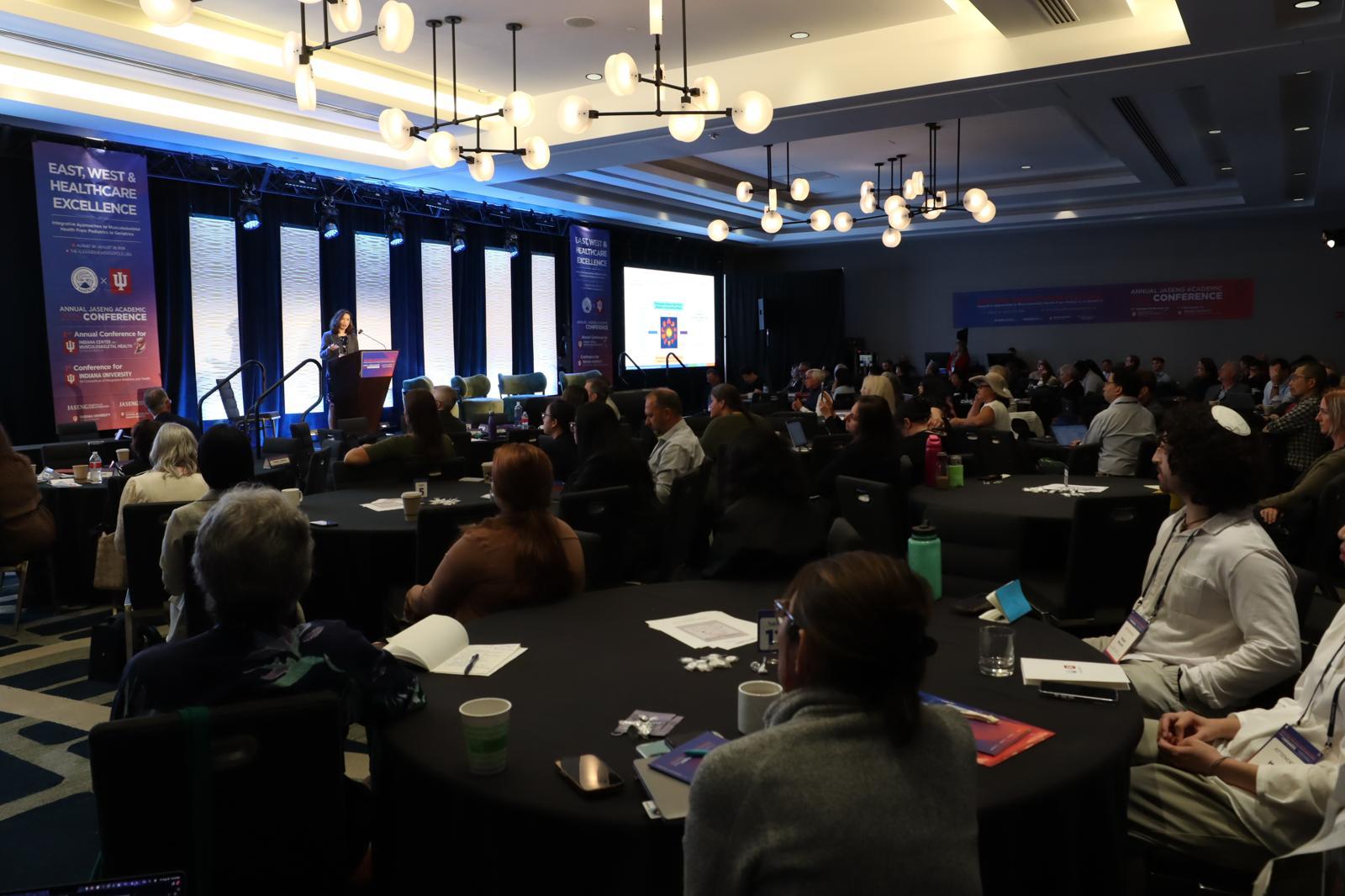
The 2026 Jaseng International Academic Congress (AJA) held in Indianapolis, USA.
―Ultrasound-guided pharmacopuncture drew significant interest from the audience. Director Lee = “Ultrasound-guided pharmacopuncture is a treatment method that uses ultrasound diagnostic devices in real time to precisely identify damaged areas while administering pharmacopuncture. This type of local pharmacopuncture originates from a new perspective on pain. Pain does not occur simply because tissue is damaged. In actual clinical practice, there are cases where magnetic resonance imaging (MRI) shows severe disc herniation but the patient has no symptoms, whereas some patients continue to experience pain even though postoperative imaging findings have improved. Thus, tissue damage alone cannot adequately explain patients’ pain. An approach that comprehensively evaluates pain-generating tissues and surrounding structures is required. In other words, the key is to accurately treat the primary ‘pain-generating tissue’ while simultaneously addressing pain-inducing factors in related tissues. The efficacy and safety of ultrasound-guided pharmacopuncture have also been demonstrated in studies published in the international journal “Medicine.” In a study on patients with lumbar disc herniation who reported 10 points on the Numeric Rating Scale (NRS: 0–10 points), pain was reduced by half just seven days after ultrasound-guided pharmacopuncture, and by the end of treatment, more than 90% improvement was observed. The convergence of traditional medicine and advanced medical technology is, in my view, a crucial direction for the future of Korean medicine. Ultrasound-guided pharmacopuncture is meaningful in that it realizes precise treatment through real-time imaging technology. This approach is being recognized as a new possibility by overseas medical professionals, and it appears to have attracted considerable interest at this congress as well.”
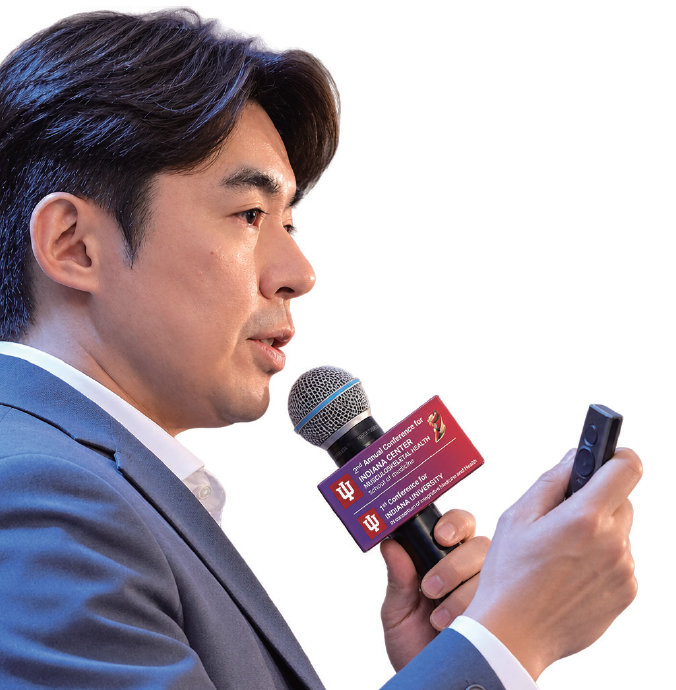
―Why is Korean medicine attracting attention in the global medical community? Matthew J. Bair, Professor, Indiana University School of Medicine, USA = “In recent years, the medical communities in the United States, Europe, Canada, Australia, and other regions have been confronting the problem of opioid analgesic misuse. Opioids are effective in alleviating cancer-related pain and severe postoperative pain. However, long-term use carries a high risk of dependence and addiction. A significant number of deaths also occur due to overdose. According to WHO, about 600,000 people worldwide die each year due to drug-related causes, and roughly 80% of these deaths are associated with opioids. In response, the U.S. Centers for Disease Control and Prevention (CDC) revised its opioid prescribing guideline in 2022, recommending that non-pharmacological treatments such as physical therapy and acupuncture be considered before prescribing opioids as first-line treatment for patients with chronic pain. This shift shows that integrative medicine, including Korean medical treatments such as acupuncture, is being recognized in the medical community as an effective and safe alternative for chronic pain management. In the U.S. Department of Veterans Affairs (VA) health system, integrative pain management is already being utilized institutionally. According to the VA, about 31.5% of veterans suffer from chronic musculoskeletal pain, a higher level than the 20.1% observed in the general population. To address this, the VA operates a ‘Whole Health’ system that integrates therapies such as acupuncture with existing medical services. In particular, acupuncture is included as a covered service in the VA’s health benefits, and since 2018, the VA health centers have been institutionally authorized to directly employ licensed acupuncture specialists. Treatment outcomes are also being documented. In a 14-week analysis of veterans with chronic pain participating in the VA Integrative Pain Team, the utilization rate of acupuncture increased from 11% to 26%, while the proportion of patients relying solely on pharmacotherapy declined from 19% to 5%. In this way, the United States is shifting its pain management strategy away from an opioid-centric approach toward a model that combines non-pharmacological treatments, including acupuncture, with conventional medical care.”
―Specifically, how is acupuncture being utilized in the United States? Arya Nielsen, Clinical Assistant Professor, Icahn School of Medicine at Mount Sinai, USA = “In the past, acupuncture in the United States was perceived as a complementary therapy provided outside hospitals, but it has now become one of the non-pharmacological treatment options used in pain management within medical institutions. At Mount Sinai Beth Israel Hospital, for example, an acupuncture fellowship was operated for inpatients from 2008 to 2016, integrating acupuncture into hospital-based care. During this period, we provided education for clinicians across departments on clinical research and the safety of acupuncture, thereby laying the groundwork for acupuncture to be used throughout the hospital rather than being confined to specific departments. Subsequently, The Joint Commission (TJC), the U.S. hospital accreditation body, strengthened its pain management standards to include non-pharmacological therapies among the pain management options that medical institutions should provide. Clinical evidence for acupuncture continues to accumulate. A representative example is the ‘BackInAction’ study supported by the U.S. National Institutes of Health (NIH). This study analyzed the effects of acupuncture in 800 patients aged 65 or older with chronic low back pain. The results showed that, compared with patients who received only usual medical care, those who also received acupuncture experienced significantly improved functional disability due to low back pain at 6 months, and this effect persisted through 12 months. Based on these findings, the researchers concluded that acupuncture can be an effective and safe treatment option for older adults with chronic low back pain. In this way, acupuncture in the United States is expanding its role from a simple complementary therapy to a non-pharmacological treatment that can be used alongside conventional medical care.”
―It is said that acupuncture is also effective for motorsports athletes exposed to high-speed collision risks. Terry R. Trammell, Orthopedic Surgeon and Safety Consultant for IndyCar, USA = “Motorsports drivers place a substantial burden on the musculoskeletal system of the neck, back, and shoulders during high-speed driving and collisions. When an accident occurs, abrupt deceleration and strong impact forces can damage tissues such as muscles, ligaments, and bones, and pain or restricted mobility can persist even after reconstructive surgery. Thus, the process of rapidly restoring physical function along with post-injury pain management is critical. In this context, acupuncture is used as one of the treatments that complement conventional therapies such as physical therapy and rehabilitation exercise. Acupuncture helps alleviate pain in injured areas and promotes recovery by improving blood flow. It can also support the rehabilitation process to restore joint range of motion and physical function. A variety of professional athletes, who tend to be sensitive to medication use, show a strong level of trust in acupuncture, which can provide immediate pain relief.”
―The role of integrative medicine is reportedly growing in postoperative recovery after musculoskeletal surgery as well. John Burns, Integrative Medicine Specialist, Aurora Sinai Medical Center, USA = “In musculoskeletal surgery, the postoperative recovery process is as important as a successful operation. After surgery, pain, swelling, and limited joint mobility often reduce physical activity, which can also affect the progress of rehabilitation. In particular, if patients avoid movement due to pain, it takes longer to restore muscle strength and physical function. In this process, acupuncture is utilized as one of the therapies that help manage pain and facilitate smooth rehabilitation. At major medical institutions such as Mayo Clinic and Advocate Aurora Health in the United States, acupuncture is not treated as separate from conventional treatments but is incorporated into the overall recovery plan for patients. Acupuncture specialists collaborate with clinicians from other departments, including physical medicine and rehabilitation, to provide treatments tailored to each patient’s condition. Integrative therapies such as acupuncture, exercise, and manual therapy are used as effective strategies to improve pain and functional impairment, support rehabilitation, and expedite return to daily life.”
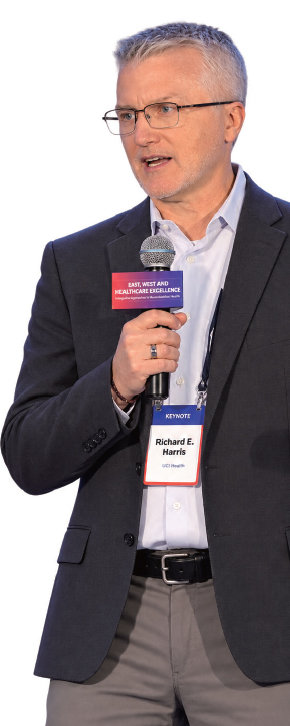
Richard E. Harris, Endowed Professor, University of California, Irvine School of Medicine, USA.
―How can ‘acupoints,’ the core of acupuncture, be explained in terms of modern medicine? Richard E. Harris, Endowed Professor, University of California, Irvine School of Medicine, USA = “The most important factor in acupuncture is ‘where to stimulate.’ Traditionally, the human body is considered to have specific points called acupoints that elicit therapeutic effects when stimulated with needles. However, clearly elucidating the anatomical and physiological characteristics of acupoints has long remained a major challenge in acupuncture research. Recently, attempts have been made to study acupoints using more objective and standardized methods. A representative initiative is the ‘Topological Atlas and Repository for Acupoint Research (TARA)’ database. TARA is a research platform that builds a comprehensive system of information on acupoints, ranging from names and locations to physiological responses induced by stimulation. Specifically, common reference points are established on standard male and female body models, and acupoint locations are rendered as three-dimensional coordinates. Traditional nomenclature is then linked to modern anatomical regions, and physiological data related to acupoint stimulation reported in previous studies are accumulated. The goal is to standardize acupoint locations and definitions, which have varied among researchers, and to create a foundation for comparing and validating results from different studies using uniform criteria. The importance of TARA lies not merely in mapping acupoint locations like a chart. It enables systematic elucidation of the biological mechanisms that occur when specific acupoints are stimulated. Ultimately, this research is expected to deepen scientific understanding of acupoints, improve the reproducibility of acupuncture studies, and strengthen the evidence required for broader utilization of acupuncture within modern healthcare systems.”
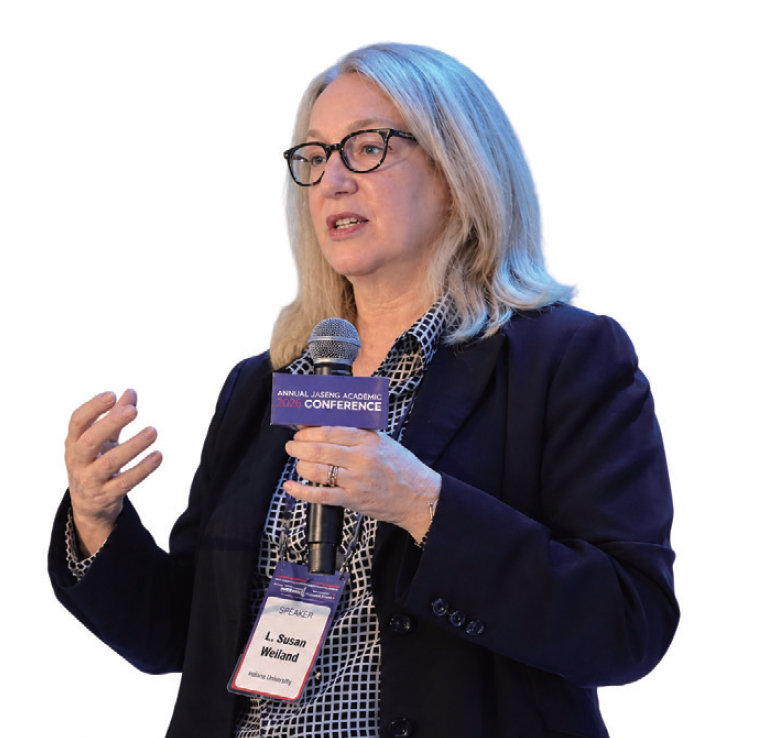
Susan Wieland, Co-chair of the WHO Advisory Group on Traditional, Complementary and Integrative Medicine Strategy and Technical Matters.
―What conditions are needed for Korean medicine treatments to be widely recommended in international clinical guidelines? Susan Wieland, Co-chair of the WHO Advisory Group on Traditional, Complementary and Integrative Medicine Strategy and Technical Matters = “International clinical guidelines are based on evidence synthesized from multiple clinical trials, not from a single study. Therefore, for Korean medicine treatments including acupuncture to be more widely recommended, it is more important to continuously build high-quality clinical evidence than to simply increase the number of studies. In particular, there is a need for adequately powered randomized controlled trials (RCTs), long-term follow-up studies, and research that yields reproducible results across different countries and healthcare settings. It is also necessary to evaluate not only whether patients’ pain decreases, but also clinically meaningful outcomes such as functional recovery, quality of life, reduction in medication use, and cost-effectiveness.”
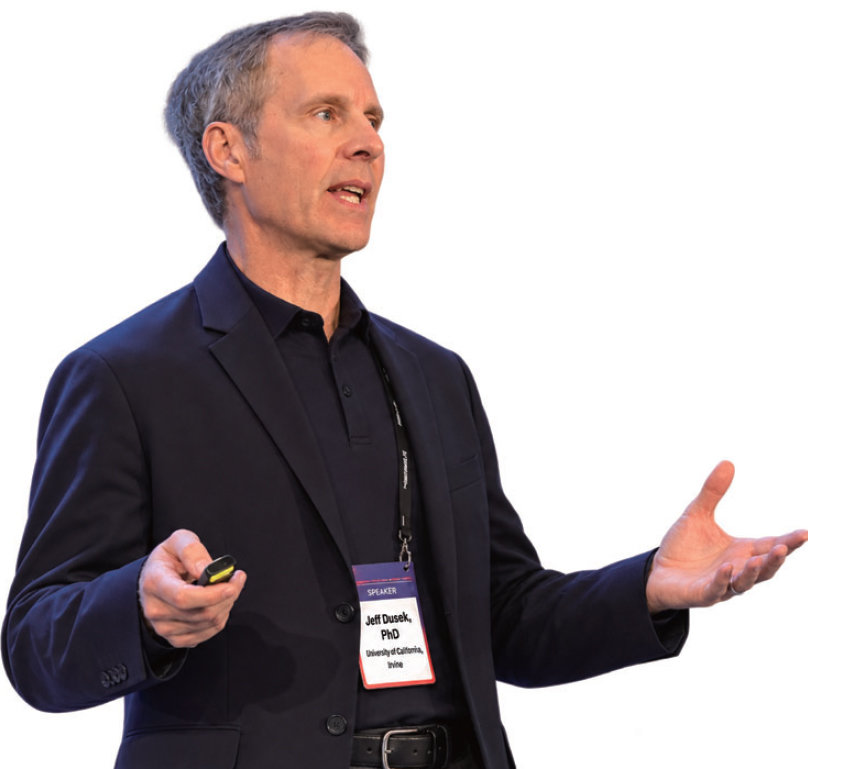
Jeff Dusek, Professor, University of California, Irvine School of Medicine, USA.
―In what direction should Eastern and Western medicine move to advance integrative medicine?
Jeff Dusek, Professor, University of California, Irvine School of Medicine, USA = “Integrative medicine is not a concept in which either Eastern or Western medicine replaces the other. It is a healthcare model that combines the most effective and safest treatments for each patient based on evidence. Going forward, instead of focusing on distinctions between East and West, healthcare should develop around which treatment is most beneficial for which patient. For this, evidence is paramount. It is necessary to continuously accumulate randomized controlled trials and real-world clinical data to objectively demonstrate treatment effectiveness and safety. At the same time, collaboration among healthcare professionals is essential. Multidisciplinary care systems, in which various specialists work as a single team to manage patients, need to be expanded.”
Director Lee = “Future medical research should evaluate not only pain reduction but also a broader range of patient-centered outcomes, including physical function, quality of life, physical activity, mental health, and social participation. In clinical practice, a culture should spread in which, in addition to pharmacotherapy and surgery, various evidence-based treatments such as exercise, nutrition, and acupuncture are applied in an integrated manner according to each patient’s condition. Ultimately, the goal of integrative medicine is not to scale up any particular treatment modality but to provide the most appropriate evidence-based care for each patient. If Eastern and Western medicine respect each other’s strengths and collaborate based on scientific evidence, more patients will be able to benefit from safe and effective healthcare.”
ⓒ dongA.com. All rights reserved. Reproduction, redistribution, or use for AI training prohibited.
Popular News