K-beauty challenges Europe-centric luxury skincare conventions
Powered by rapid innovation, proven efficacy, and strong commercialization capabilities
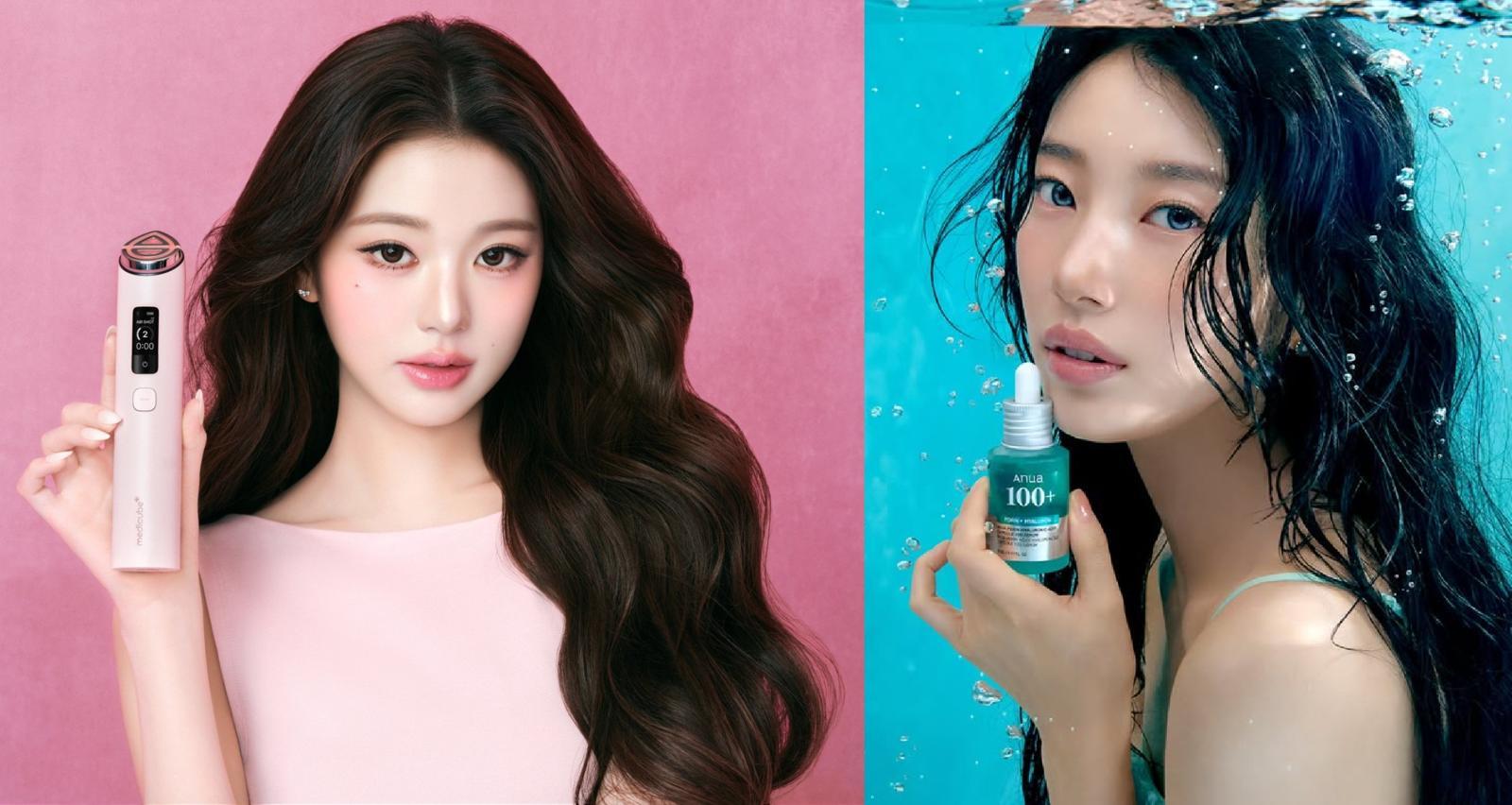
K-beauty is expanding its influence in the global skincare market by leveraging rapid innovation and high-performance ingredients. Photo provided by APR · captured from Anua Instagram.
K-beauty is being assessed as going beyond a short-lived trend spreading through social media (SNS) to reshaping the flow of the global skincare market. Analysts say that the Korean market’s characteristics—rapidly translating new ingredients and technologies into products and emphasizing proven efficacy—are combining to change even the competitive standards of luxury skincare.
On the 8th (local time), U.S. business magazine Forbes highlighted K-beauty’s global influence in an article titled “K-Beauty Trends Redefining The Future Of Luxury Skincare.”
Forbes analyzed that, although the history and heritage of European brands have traditionally been highly valued in the skincare market, consumers have recently started focusing more on innovation, regenerative science, and high-performance ingredients than on a brand’s origin or reputation. At the center of this shift, it said, is Korea.
The market is also expanding rapidly. Citing Grand View Research, Forbes reported that the global K-beauty market size was valued at USD 118.3 billion in 2025 and is projected to grow at an annual average rate of about 10%, reaching USD 252.4 billion by 2033. In 2025, North America accounted for the largest market share.
●
“Rapid innovation with proven efficacy”… K-beauty’s competitiveness in focusThe first point Forbes focused on was the rapid pace of innovation in K-beauty.
Sophie Smith, managing director at Grand Aesthetics, assessed that Korea’s beauty ecosystem organically connects cosmetics brands with biotech companies, dermatologists, and aesthetic clinics, enabling the fast development of new raw materials, formulations, and technologies.
“Korea has long been at the forefront of advanced formulations, delivery systems, and new ingredient development, and this has influenced the expectations of consumers worldwide,” Smith said.
This shift is also appearing in medical and aesthetic settings. “Patients come into clinics and directly mention or inquire about specific ingredients or technologies originating from Korea, such as PDRN, exosomes, peptides, and polynucleotides,” she explained.
The high standards of Korean consumers, who prioritize actual efficacy when choosing products, were also cited as a competitive edge.
Kim Dong-hyun, head of the business division at Dr. Melaxin, said, “Products do not succeed simply because they look good on the shelf; they succeed because they address real skin concerns,” adding, “Products that consistently deliver visible improvement effects earn long-term trust, and these high standards are one of the key reasons why skincare innovations that succeed in Korea also resonate with consumers around the world.”
● “Turning science into products quickly”… The power of K-beauty is ‘commercialization’
Another strength of K-beauty identified was its “commercialization capability”—the ability to rapidly translate research and technology into products that consumers can actually use.
Dr. Joshua Britton, founder and chief executive officer (CEO) of U.S. biotech company Debut, noted that while some core raw-material innovations are still taking place in the United States and China, Korea is particularly strong at using these to create innovative textures and formulations.
A representative example is sunscreen. Britton explained that Korean sunscreens have evolved into products that consumers want to use every day, combining technological advances with a lightweight feel on the skin.
Differences in regulation between Korea and the United States have also had an impact. “In Korea, sunscreens are regulated as cosmetics, whereas in the United States they are treated as over-the-counter (OTC) drugs,” he said, explaining that this difference has allowed Korean formulators to use a wider range of UV filters than in the United States.
● Beyond ingredients and formulations to ‘regenerative beauty’… How AI and biotech will shape the next 10 yearsForbes also analyzed that K-beauty’s influence is expanding beyond cosmetic ingredients and formulations into the realm of so-called “regenerative beauty.”
Among the technologies drawing attention recently in Korea are approaches that go beyond simply masking visible signs of aging to focus on skin recovery mechanisms and long-term skin health. Global luxury brands are similarly expanding investment in biotechnology, regenerative science, and evidence-based formulations.
Based on these shifts, Forbes concluded that K-beauty is no longer a passing fad but has established itself as a key driver shaping the future of luxury skincare.
At the center of the next wave of change are expected to be artificial intelligence (AI) and biotechnology. Britton predicted that, over the next 10 years, the convergence of AI and biotechnology will make it possible to develop products that reflect the biological characteristics of different skin groups.
“The beauty industry will not simply evolve into a slightly improved version of what we know today,” he said. “It will shift from incremental improvements to step-change leaps in performance, driven by AI and biotechnology.”
ⓒ dongA.com. All rights reserved. Reproduction, redistribution, or use for AI training prohibited.
Popular News