Following GM, Stellantis Scales Back Battery Business
Canada’s NextStar Energy Plant to Become 100% Subsidiary
To Acquire Stellantis’s 49% Stake
Meeting North American ESS Market Demand While Continuing Existing EV Battery Production
“To Operate as a Battery Production Hub Covering Both ESS and EVs”
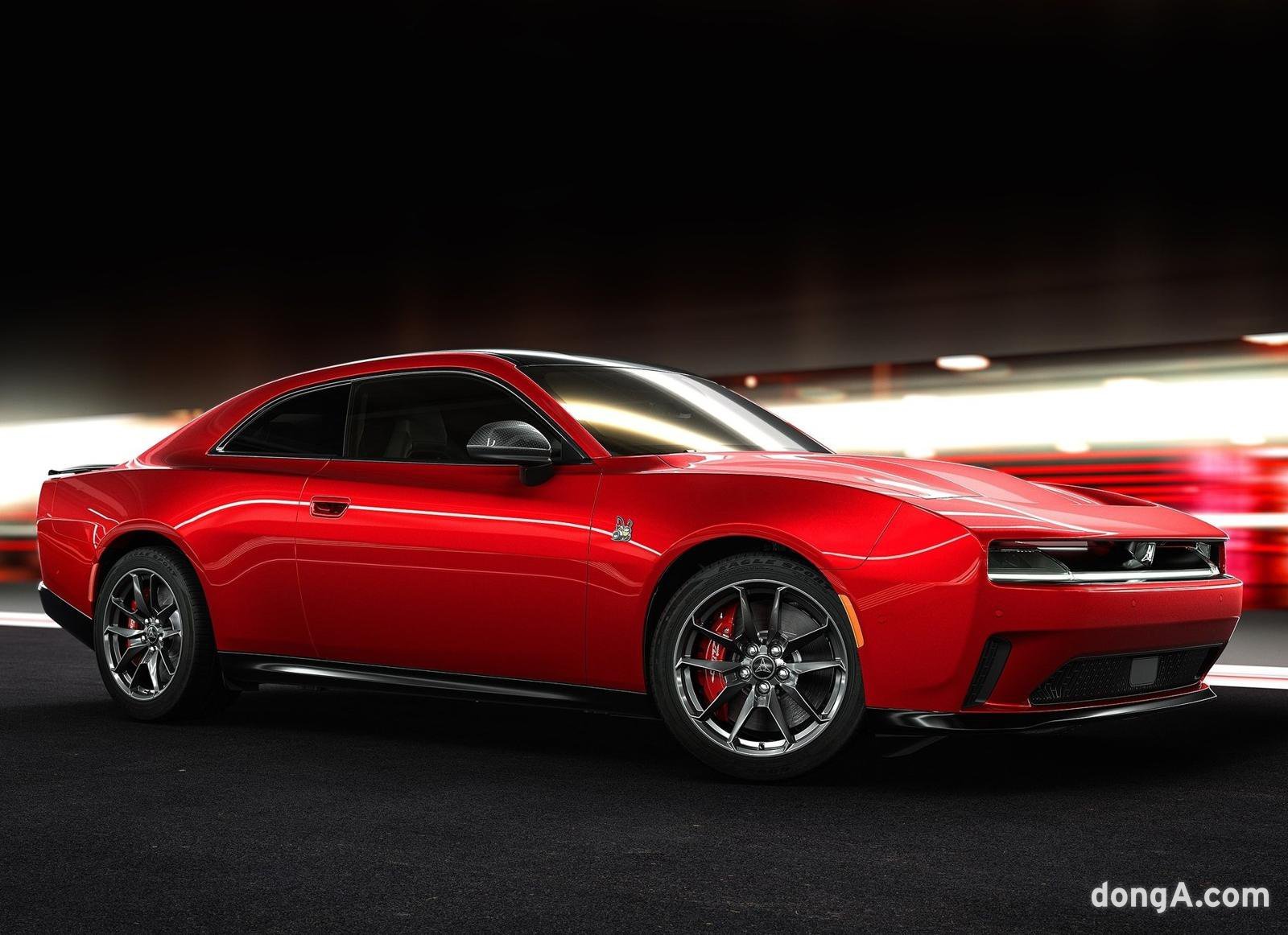
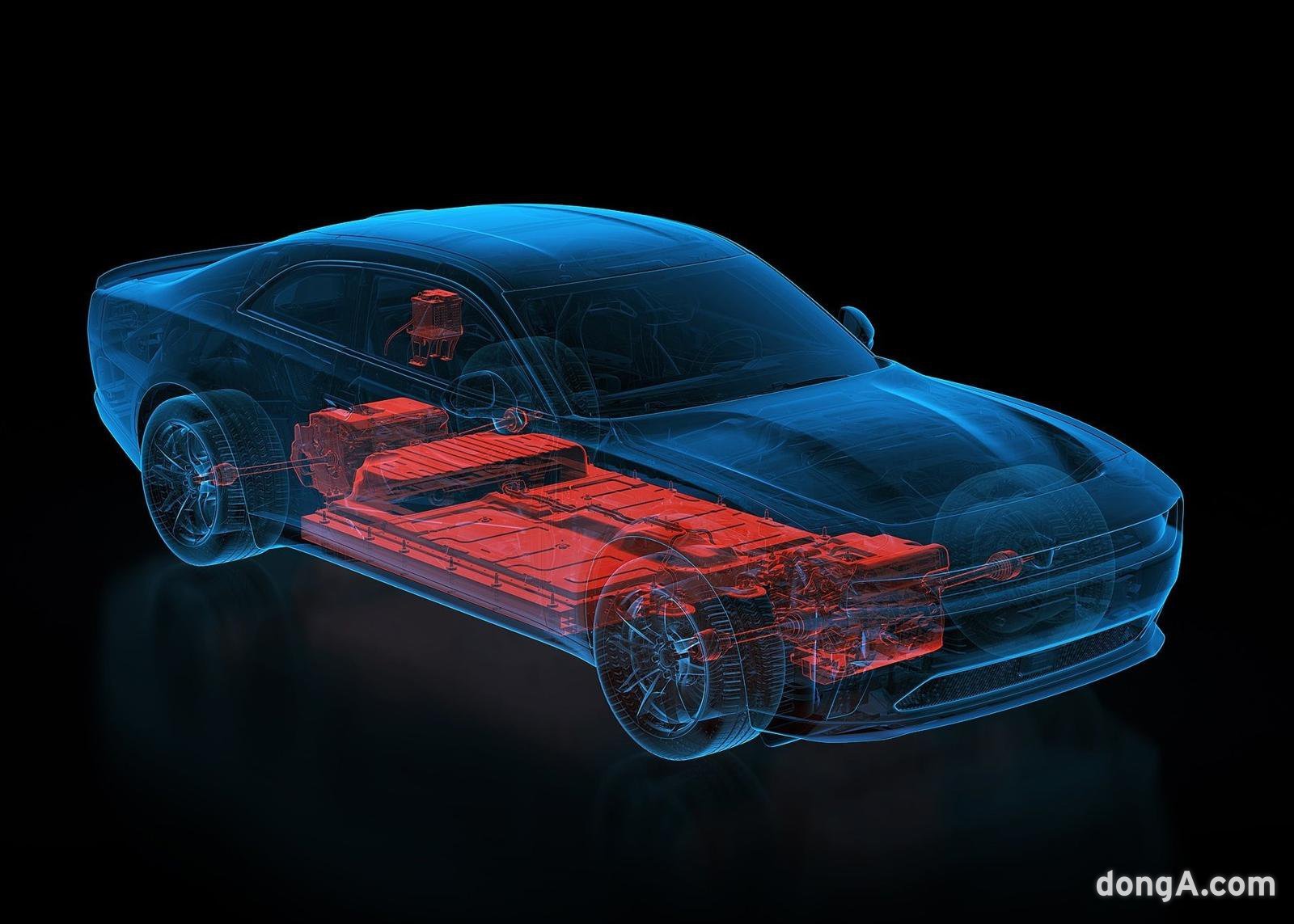
Stellantis Dodge Charger EV
Following General Motors (GM), Stellantis has also decided to withdraw from operating a battery joint venture with LG Energy Solution. As sluggish demand for electric vehicles continues, finished vehicle manufacturers are moving to scale back direct involvement in the battery business.
LG Energy Solution announced on the 6th that it will convert NextStar Energy, its joint venture in Canada with Stellantis, into a wholly owned subsidiary. LG Energy Solution has agreed to acquire Stellantis’s 49% stake. The battery plant will be operated as a wholly owned LG Energy Solution entity, with energy storage systems (ESS) as its main products.
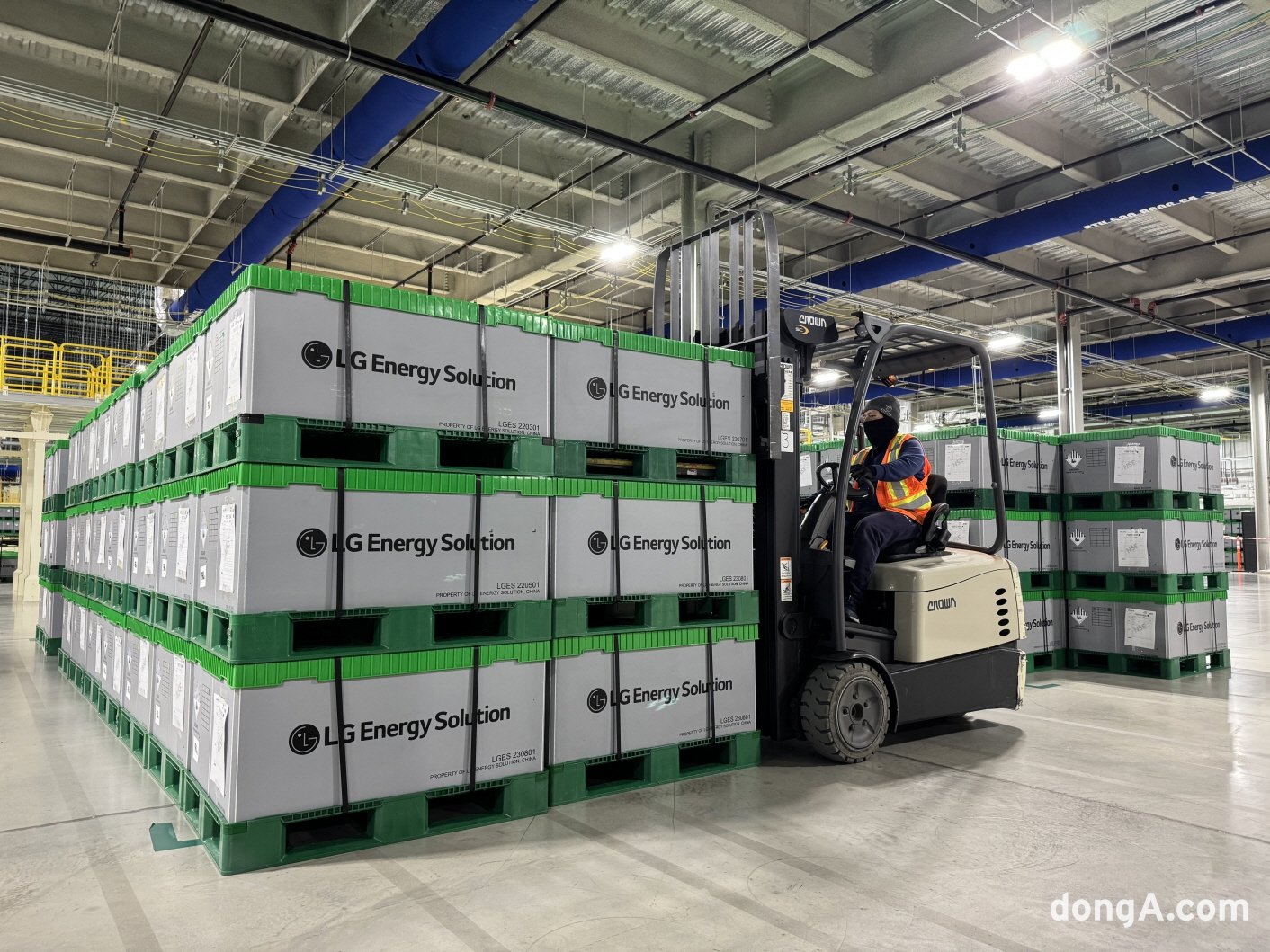
The plant began producing ESS batteries at the end of November last year. LG Energy Solution stated, “Among our North American production bases, this can be viewed as a core hub for immediate-response ESS power,” adding, “By converting it into a wholly owned entity, we will preemptively respond to changes in the North American market and foster it as a forward base to secure leadership in the ESS market.” For its ESS business, LG Energy Solution has set targets this year that include doubling its North American production capacity and achieving more than threefold revenue growth.
Stellantis Dodge Charger EV
This move is assessed as a transaction in which the interests of Stellantis, which needs to streamline assets in response to shifts in the EV market, and LG Energy Solution, which requires additional production bases to secure a lead in the fast-growing North American ESS market, have aligned. By acquiring the joint venture stake, LG Energy Solution expects to respond swiftly to market conditions, improve investment efficiency, and strengthen its financial soundness. It is also expected to be advantageous for profitability, as the company will solely receive investment subsidies from the Canadian government and battery production subsidies comparable to the U.S. AMPC.
Although Stellantis is exiting the joint venture, its cooperative relationship with LG Energy Solution is reportedly set to remain solid. Stellantis plans to continue receiving EV batteries as previously scheduled.
Antonio Filosa, CEO of Stellantis, said, “LG Energy Solution will be able to fully utilize the production capacity of the Windsor plant in Canada, thereby strengthening its long-term competitiveness while securing stable EV battery supply,” adding that this is “a strategic choice that supports our customers, our operations in Canada, and our global electrification strategy.”
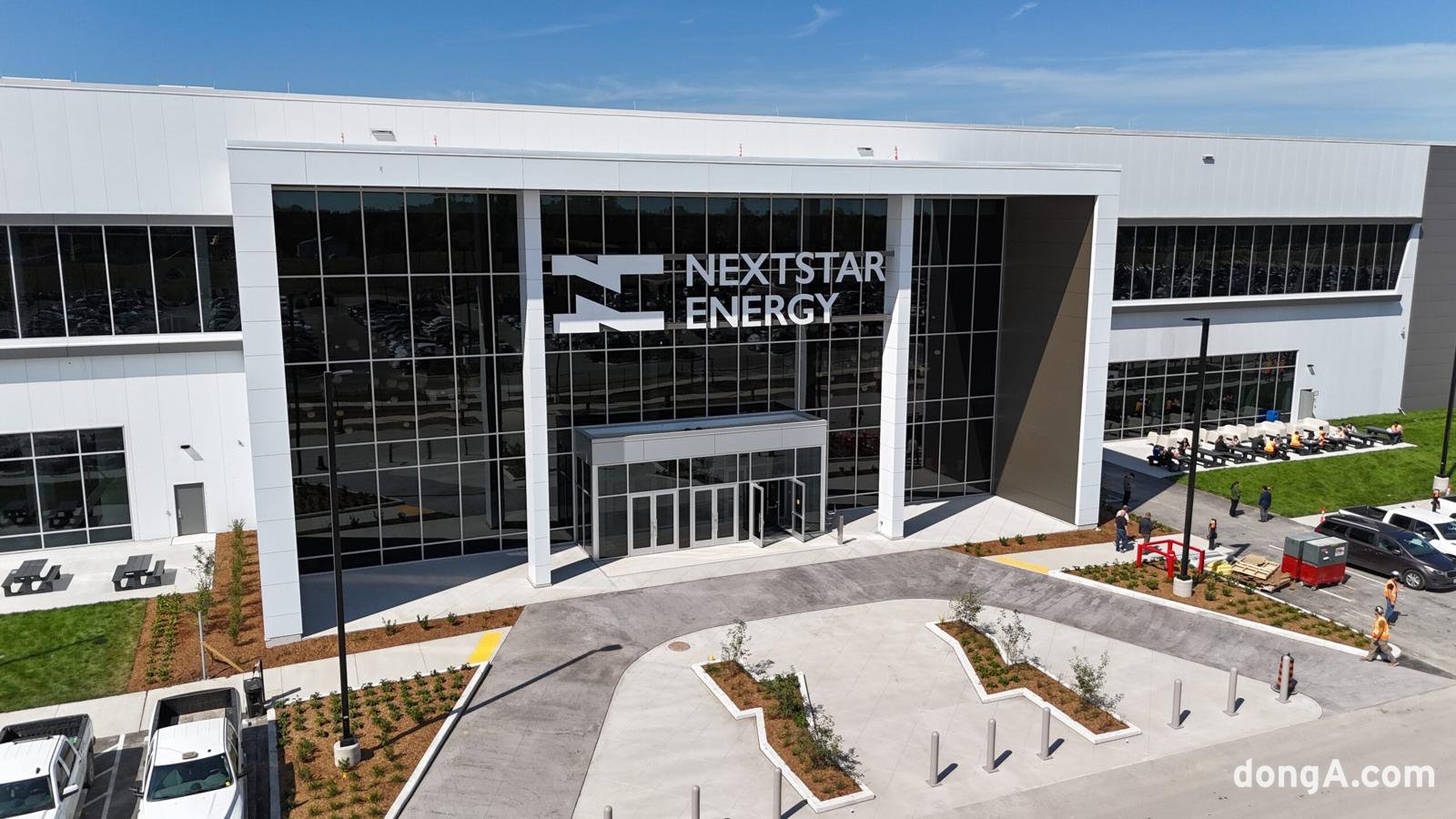
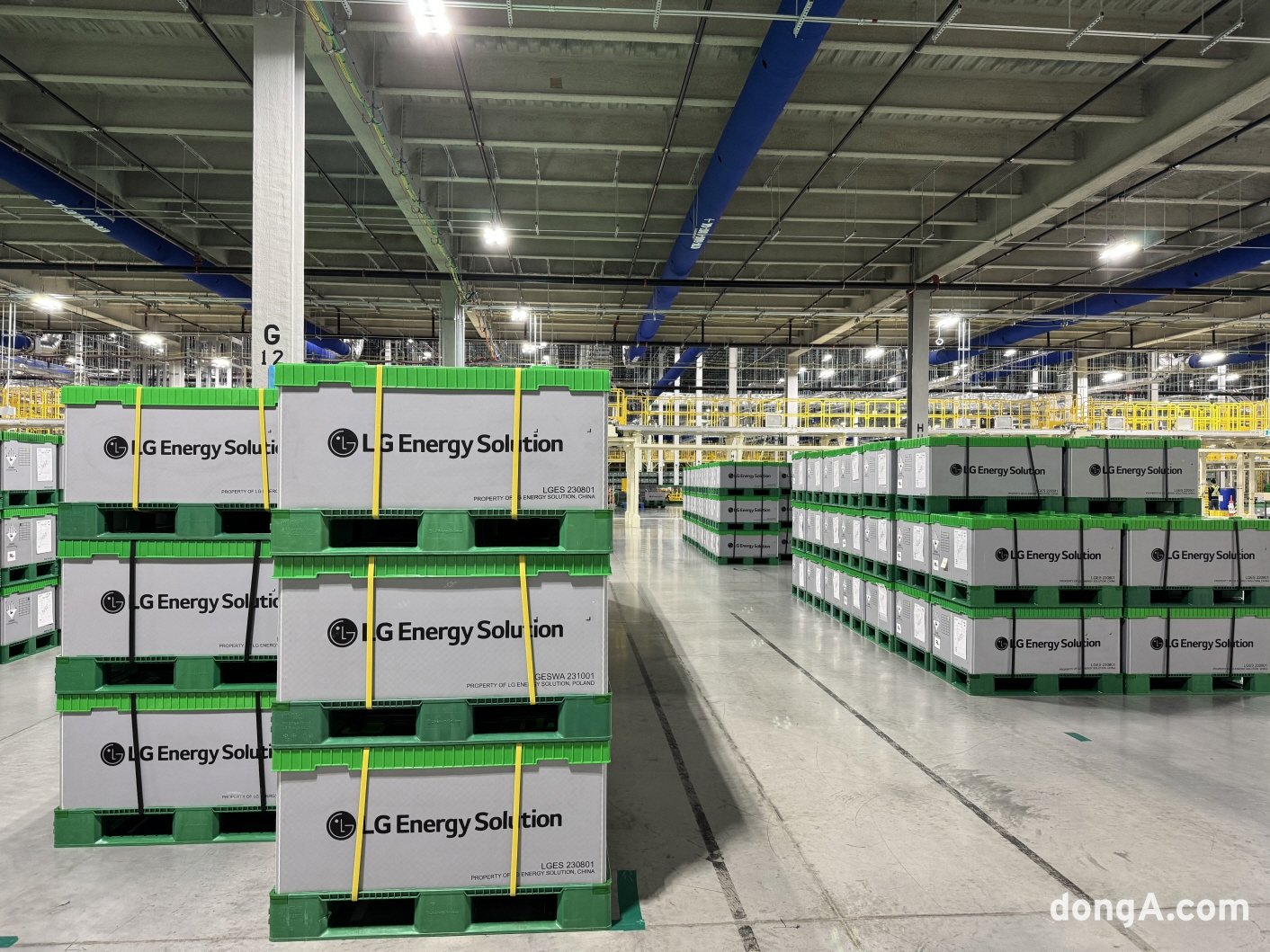
NextStar Energy plant in Canada
LG Energy Solution secures three North American ESS hubs… “Directly responding to market growth”
With this stake acquisition, LG Energy Solution will have a total of three ESS production hubs, including its Holland and Lansing plants in Michigan. Based on these assets, the company aims to nearly double its ESS production capacity by the end of this year. It plans to increase ESS battery production to more than 60 GWh globally (50 GWh in North America).
LG Energy Solution is said to be the only company producing ESS batteries in the North American market. It has continued to win large-scale orders from global customers such as Terra-Gen, Excelsior Energy Capital, EG4, and Hanwha Qcells, and has already secured cumulative orders of about 140 GWh in the global market. The company expects this year’s new order volume to surpass last year’s record high of 90 GWh.
The global ESS market is reported to have entered a structural growth phase, driven by the expansion of AI-related data centers and rising heating and cooling demand due to climate change. ESS installations this year are projected to increase by more than 40% year-on-year. Market research firm Wood Mackenzie has also forecast that new ESS installations in the United States will reach a total of 317.9 GWh over the next five years.
Prior to this joint venture stake acquisition, in December 2024 LG Energy Solution acquired the remaining stake in the Lansing plant in Michigan from GM.
NextStar Energy plant in Canada
LG Energy Solution: “To operate as an integrated ESS–EV production hub”
LG Energy Solution plans to operate the NextStar Energy plant as an integrated battery production hub going forward. The company has already invested more than CAD 5 billion (approximately KRW 5.366 trillion) and currently employs about 1,300 people, with plans to increase the workforce to 2,500 over the long term.
Lee Hoon-sung, head of LG Energy Solution’s NextStar Energy subsidiary, said, “With this stake acquisition, we can continue to contribute to the economic development of Canada and the Province of Ontario, and maintain our investments in employment and manufacturing capabilities.”
NextStar Energy plant in Canada
He stressed that, based on large-scale investment and expanded employment, the plant is set to become an integrated manufacturing hub that simultaneously produces ESS and EV batteries.
Kim Dong-myung, CEO of LG Energy Solution, said, “By establishing a key production base in Canada, we have been able to further solidify our growth foundation in the North American market. We will not only respond swiftly to rapidly increasing ESS demand, but also secure additional North America-based customers to build a position that enables us to play a core role in the battery industry.”
ⓒ dongA.com. All rights reserved. Reproduction, redistribution, or use for AI training prohibited.
Popular News