AI finds products, recommends them, and even connects to payment
Service built using E-Mart data… Industry expects launch as early as March
U.S. players active with partnerships such as Google–Walmart
“By 2030, AI agents will account for half the market”
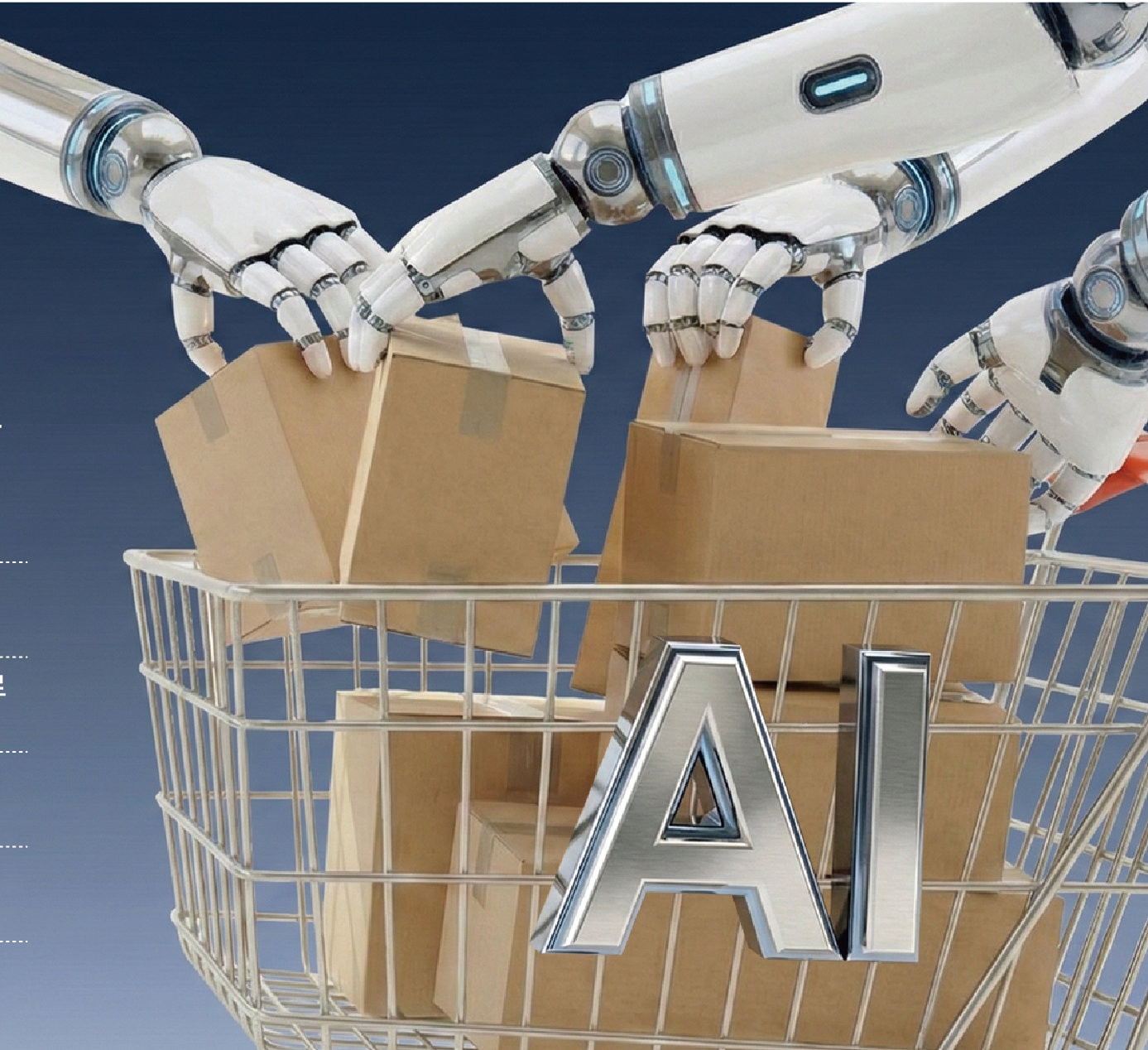
The existing e-commerce model of searching, comparing, and clicking to pay is rapidly changing with the introduction of artificial intelligence (AI). “Zero-click” shopping, in which AI searches for products on behalf of consumers, recommends them, and even connects to payment, has emerged as a core keyword in the global retail market. In South Korea, efforts to build new services in line with this trend are gaining momentum.
According to the retail and information technology (IT) sectors on the 28th, Shinsegae Group is reviewing the development of an e-commerce service using generative AI in partnership with OpenAI. Some expect related services to be launched as early as the first quarter of this year (January–March). By combining Emart’s vast trove of purchasing and consumer data with OpenAI’s generative AI technology, the group is seen as having the potential to realize “zero-click shopping,” which predicts customer preferences without search, recommends products, and links directly to purchase.
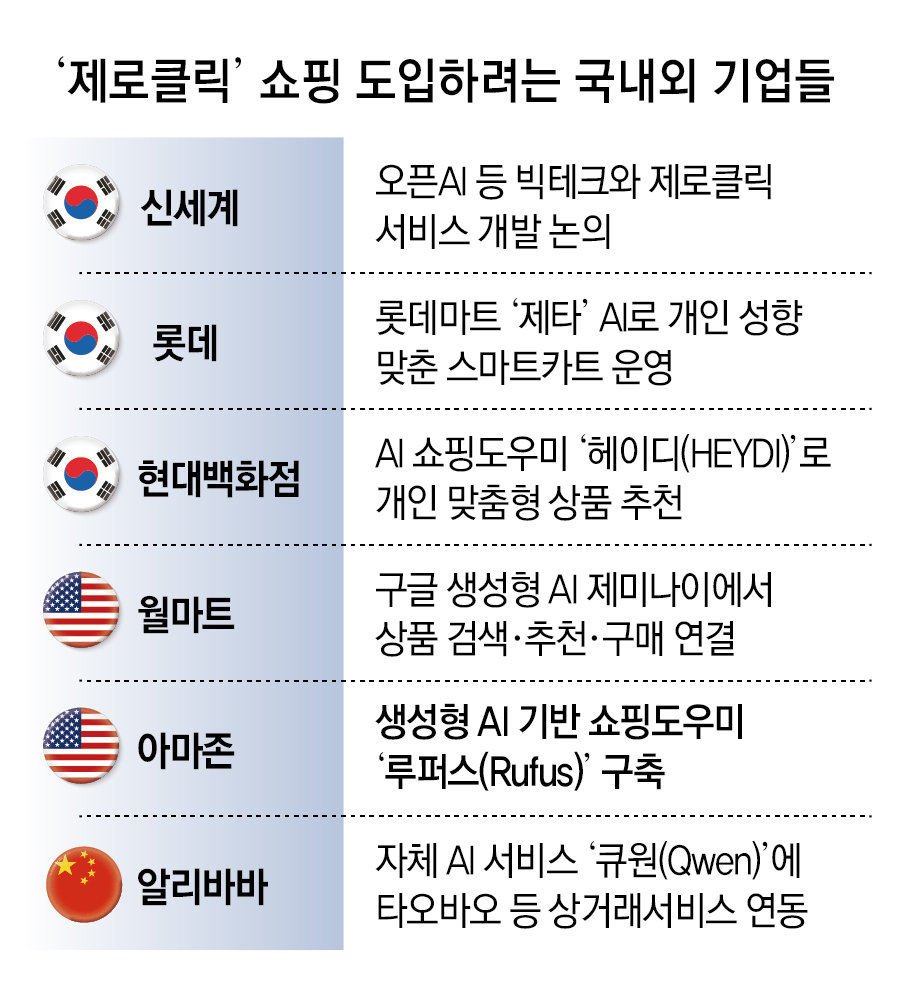
In the United States, big tech companies such as Google and OpenAI are already competing to secure retail partners as they work to build ecosystems that encompass shopping and payment. Google has partnered with Walmart. Users can now find Walmart products through Google’s generative AI “Gemini” and pay for them directly. OpenAI has also joined hands with Walmart and food delivery platform DoorDash, and is introducing a “shopping research” function within its generative AI “ChatGPT” that enables product exploration and comparison. Amazon in the U.S. is advancing its proprietary AI shopping systems, including “Rufus.” China’s Alibaba connects its in-house AI chatbot “Qwen” with Taobao and other Alibaba e-commerce services to handle everything from personalized product comparisons to payment in a single flow.
“Zero-click” shopping is largely driven by the alignment of interests between big tech companies and retailers. To enhance the performance of generative AI, vast volumes of real transaction data—such as actual consumer purchase histories and behavioral patterns—are essential, and retail platforms are the players that hold these data most extensively. At the same time, new revenue models can be created through recommendation-based advertising exposure targeted at these users.
Retailers are also seeking first-mover advantages in AI. Zero-click shopping analyzes consumers’ purchase histories, preferences, and circumstances to propose the most suitable products, eliminating the need for consumers to move between multiple shopping sites comparing prices and product information. As a result, strengthening AI recommendation functions tailored to consumer tastes is emerging as a new competitive factor in the retail industry.
South Korean retailers have also recently become more aggressive in adopting zero-click services. Lotte Mart has introduced an AI smart cart to its “Lotte Mart ZETTA” application. This service analyzes customers’ consumption tendencies and purchase cycles and adds desired products to the shopping cart with a single click. Hyundai Department Store recommends personalized products through its AI shopping assistant “HEYDI.” When users click on a recommended product, they are taken directly to Hyundai Department Store’s online mall “The Hyundai.com” to complete the purchase.
According to a McKinsey report, by 2030, transaction value via AI agents in the U.S. business-to-consumer (B2C) market is projected to reach up to USD 1 trillion (about KRW 1,421.8 trillion). Globally, the market is expected to grow to between USD 3 trillion and USD 5 trillion. Market research firm Morgan Stanley predicted that “by 2030, nearly half of online shoppers will use AI agents,” forecasting that zero-click shopping will significantly expand the overall size of the existing e-commerce market.
Choi Chul, professor in the Department of Consumer Economics at Sookmyung Women’s University, said, “AI appears to be actively adopted in the retail sector because it is effective at identifying what consumers prefer and what they need.”
ⓒ dongA.com. All rights reserved. Reproduction, redistribution, or use for AI training prohibited.
Popular News