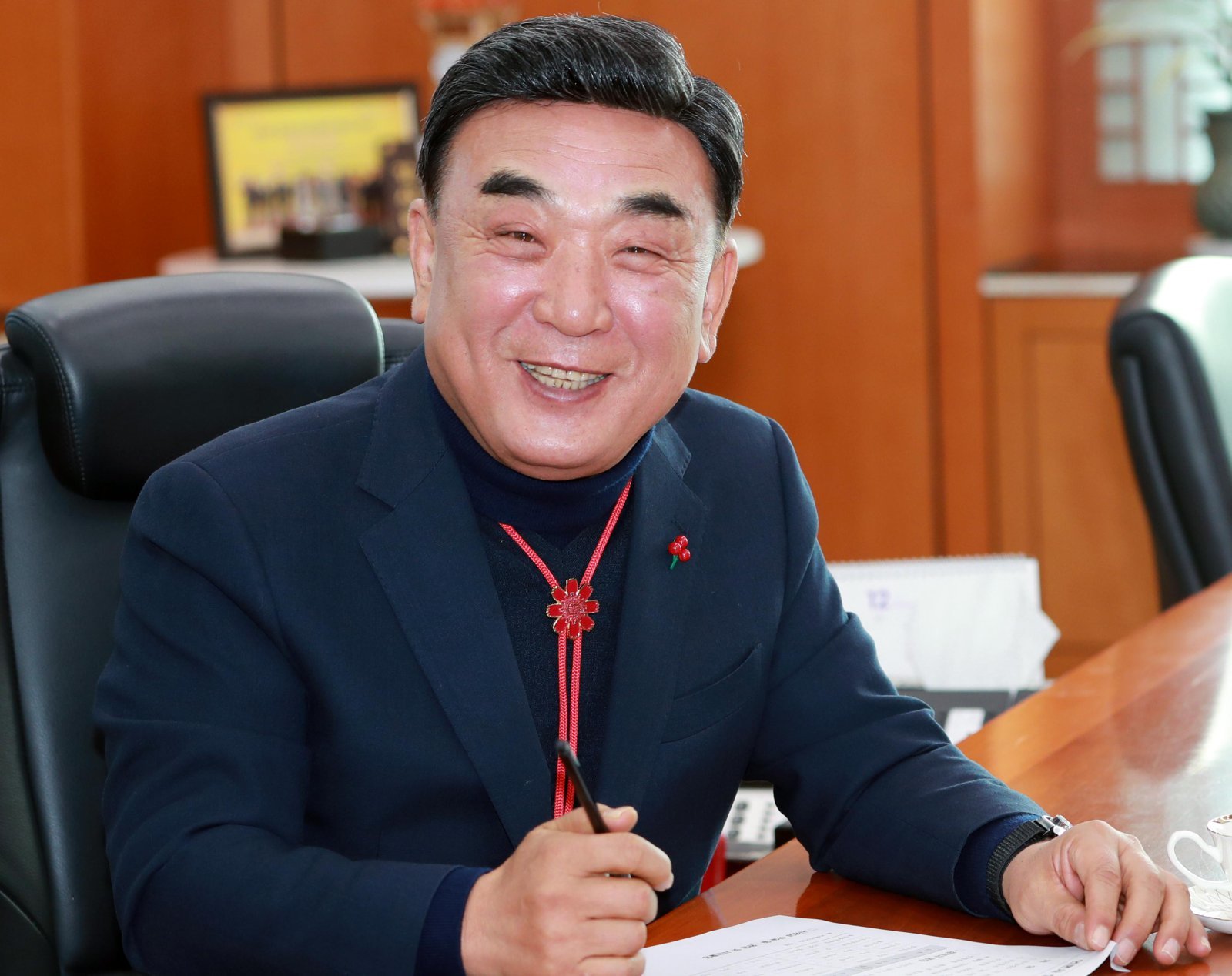
Ulsan Mayor Kim Doo-gyeom, in a recent New Year interview with the Dong-A Ilbo at his office, stressed his determination to “develop Ulsan into the capital of artificial intelligence (AI).” He said, “By applying AI across the Ulsan manufacturing sector, which has led Korea’s industry for 60 years, the city will prepare for the next 50 years of Ulsan’s future.” Provided by Ulsan Metropolitan City
“Ulsan will be built into the AI capital of the Republic of Korea and a world-class future city that citizens can be proud of.”
In a New Year interview with the Dong-A Ilbo held on the 20th at his office in Ulsan City Hall in Nam-gu, Ulsan Mayor Kim Doo-gyeom emphasized, “The core of this year’s municipal administration is to lay the foundation for transforming Ulsan from a traditional manufacturing city into a future industrial city where AI, new transportation, and culture are integrated.” He shared his resolutions and aspirations for the new year.
―What do you consider the greatest achievement of the 8th popularly elected administration?….“It is the substantial increase in the ordinary local allocation tax granted to Ulsan. This is ‘unearmarked funding’ provided by the central government to local governments, which the Ulsan city government can use for its own projects. As an industrial city, Ulsan pays an average of more than KRW 11 trillion in national taxes every year. This is about double the amount paid by Gwangju and Daejeon, which are similar in urban scale. However, in 2021 Ulsan received only KRW 439.7 billion in ordinary local allocation tax. This was about half the level of Gwangju’s KRW 945.2 billion and Daejeon’s KRW 956.9 billion, meaning Ulsan had been subjected to reverse discrimination. Immediately after taking office, I proposed to the central government a calculation method for the ordinary local allocation tax that would be more favorable to Ulsan, and added ‘industrial economy expenses’—the cost of managing industrial complexes—to the calculation indicators. As a result, Ulsan’s ordinary local allocation tax increased to about KRW 1 trillion this year. This is significant not only as an achievement of the 8th popularly elected administration, but also because it will be applied every year going forward. I believe this is a capability required of a local government head.”
―What is the highest priority task in municipal administration for the new year?
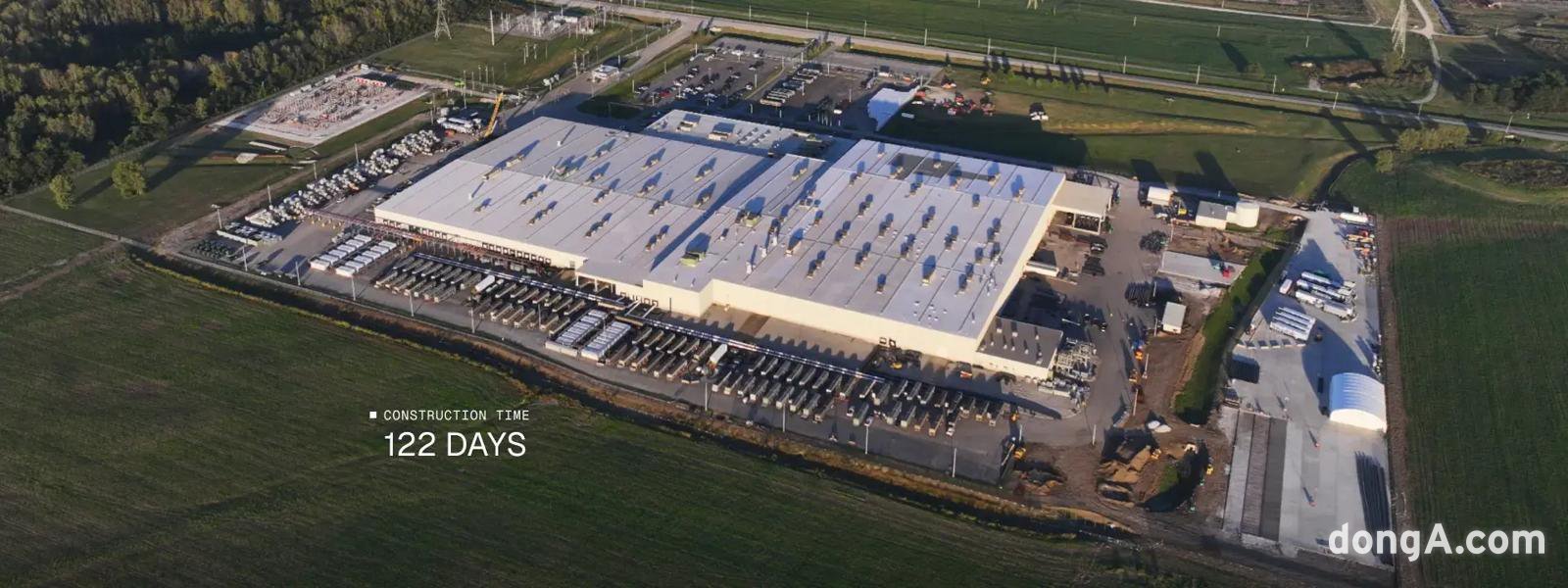
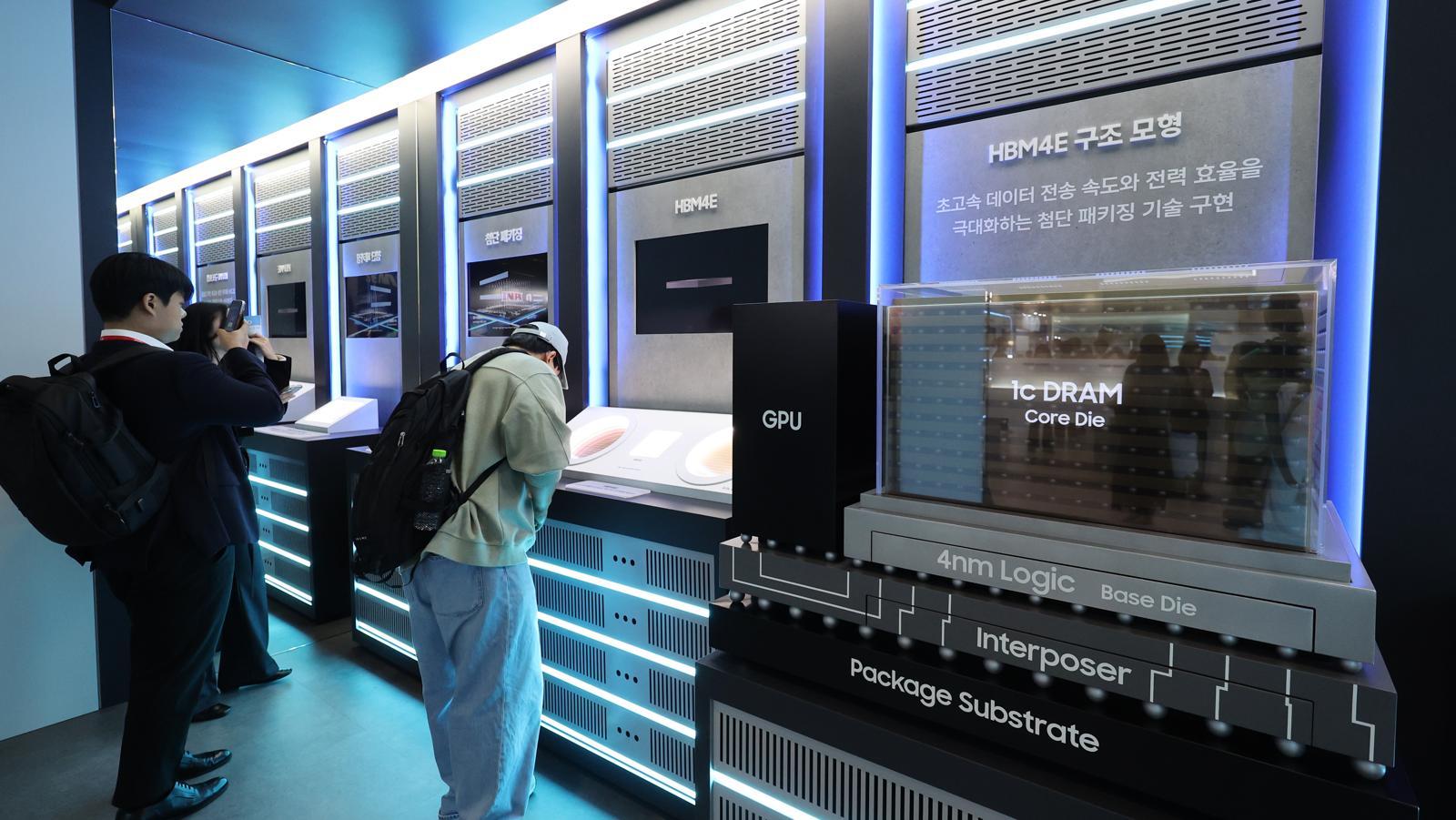
“It is to foster Ulsan as the ‘AI capital.’ As the industrial capital of the Republic of Korea, Ulsan has driven the development of key national industries such as automobiles, shipbuilding, petrochemicals, and non-ferrous metals. Over the past 60 years, it has accumulated a vast amount of manufacturing data, and more recently, in line with global trends, it aims to be reborn as an ‘AI-based manufacturing innovation city’ by applying cutting-edge AI technologies to industry. A decisive factor in this has been the decision by global cloud companies SK and AWS to build the Ulsan AI Data Center. Since holding a proclamation ceremony declaring Ulsan the AI capital at the groundbreaking ceremony for the Ulsan AI Data Center in August last year, we have been working to establish an ordinance to foster the AI industry, support AX transformation on manufacturing sites, and build a full-cycle AI talent development system spanning elementary, middle, and high schools, graduate schools, and incumbent workers. In addition, we have launched the Ulsan Artificial Intelligence Committee, a public-private expert body that proposes policies utilizing AI, and the U-NEXT Artificial Intelligence Council, a public-private cooperative policy advisory body, and are preparing large-scale innovation projects linked to the national AI strategy. Going forward, we will create an AI cluster focused on manufacturing, where research, demonstration, and industrialization will be carried out in a single space, thereby further strengthening the competitiveness of our key industries.”
―Expectations are high for the expansion of the transportation network. “Urban Railway Line 1, connecting Taehwagang Station and Sinbok Interchange, will begin construction in the second half of 2026. The target for opening is 2029. For Line 2, which will connect Bukulsan Station and Ya-eum Intersection, a preliminary feasibility study will be conducted over one year. We expect positive results, as we have improved its economic viability by shortening the Songjeong District section and newly adding a line to the Jinjang Distribution Complex. Once both lines are opened, a cross-shaped urban railway network in the city center will be completed. With ‘rail as the trunk line and buses as feeders,’ the roles of public transportation will be divided, improving punctuality. As for the regional rail network, the number of high-speed trains running between Taehwagang Station and Cheongnyangni Station in Seoul will be increased to 18 services a day. A decision has also been made to deploy high-speed trains on the Donghae Line to Gangneung. The Donghae Line commuter rail between Taehwagang Station and Bujeon Station in Busan will be extended to Bukulsan Station, and when the Ulsan–Yangsan–Busan regional railway, which passed the preliminary feasibility study this year, is completed in 2031, a true rail era will dawn in Ulsan.”
―What are the plans for expanding culture, tourism, and sports infrastructure?….“First, as a city that embraces a World Heritage site, we will strengthen historical and cultural tourism. We will begin construction of the ‘Bangudaecheon World Petroglyphs Center,’ which will oversee the preservation, management, research, exhibition, and education relating to the ‘Bangudaecheon Petroglyphs,’ and will promote projects to create a historical and cultural trail and historical villages in the Bangudaecheon area. We will also work to vitalize tourism complexes such as the Marine-Mountain Leisure Special Zone. We plan to transform Ulsan into a sports city by expanding the seating at Munsu Baseball Stadium, building a youth hostel, developing a canoe slalom stadium, and launching a Ulsan professional baseball team (Futures League). The construction of a ‘world-class performance hall’ is being designed by architects with international renown, and we will ensure that construction begins in 2029 and is completed by 2032.”
ⓒ dongA.com. All rights reserved. Reproduction, redistribution, or use for AI training prohibited.
Popular News