Samsung is moving into full-scale new drug development. Samsung Epis Holdings, established last year through a spin-off from Samsung Biologics, has unveiled a “roadmap” to launch Phase 1 clinical trials of a new drug candidate in the United States and Korea within this year.
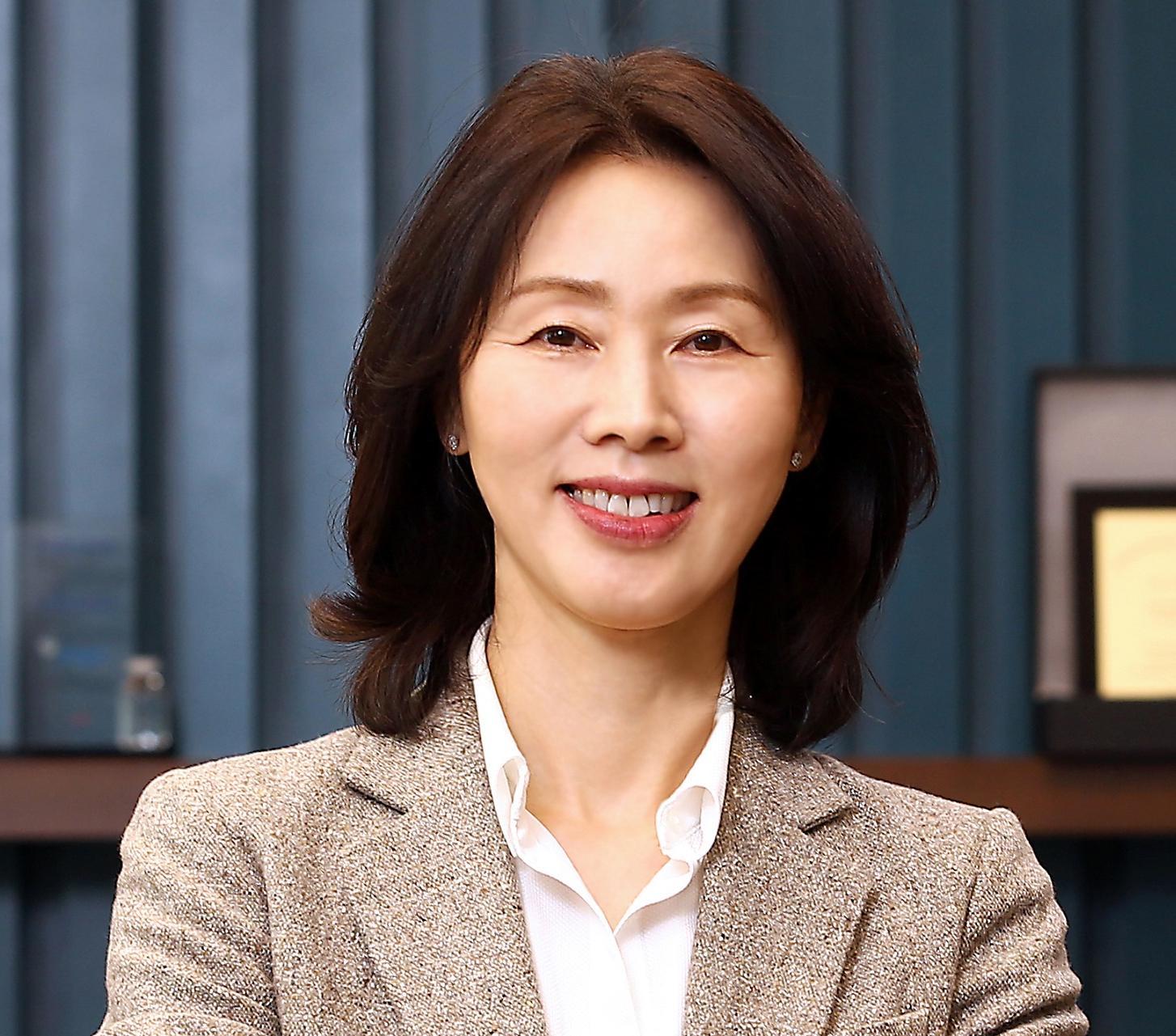
At the J.P. Morgan Healthcare Conference, the world’s largest pharmaceutical and biotech investment event, being held in San Francisco, US, Samsung Epis Holdings CEO Kim Kyung-ah (pictured) held a press briefing on the 14th (local time) and presented the vision to “grow into a Korea-style big pharma model.”
Samsung Epis Holdings was established last year through a spin-off from Samsung Biologics. Under the holding company are Samsung Bioepis, which operates a biosimilar (biopharmaceutical copy drug) business, and Epis Nex Lab, newly created alongside the spin-off, as subsidiaries.
Appearing in an official setting for the first time since the spin-off to introduce the business strategy, Kim formally announced that the company had recently received approval from the US Food and Drug Administration (FDA) for an Investigational New Drug (IND) application for “SBE303,” an antibody-drug conjugate (ADC) new drug candidate. Kim added, “(Starting with SBE303) we will generate at least one new drug candidate every year.”
The announcement signals that Samsung is embarking in earnest on new drug development. Until now, while Samsung had expressed its intention to foster the bio sector as a future growth engine, it had been relatively cautious about new drug development. Kim said, “Through biosimilar development, we have accumulated global-level capabilities in research, process development, and clinical medicine,” adding, “Now it is time to show the ‘next generation.’” The company stated that, in addition to in-house development, it plans to actively pursue “open innovation” by introducing promising compounds from domestic and overseas biotech companies.
The company plans to secure stable funding for new drug development through Samsung Bioepis’s biosimilar business. To this end, Samsung Bioepis currently has 11 biosimilars and aims to expand this to 20 by 2030.
In addition, through Epis Nex Lab, the company plans to develop a long-acting platform technology for peptide drugs. Peptides quickly break down once injected into the body. Obesity treatments are representative peptide drugs; in the case of “Wegovy,” it must be administered once a day. Kim said, “There is clearly demand for injections administered once every one to two months,” adding, “Peptide drugs for a variety of diseases can all become targets.”
ⓒ dongA.com. All rights reserved. Reproduction, redistribution, or use for AI training prohibited.
Popular News