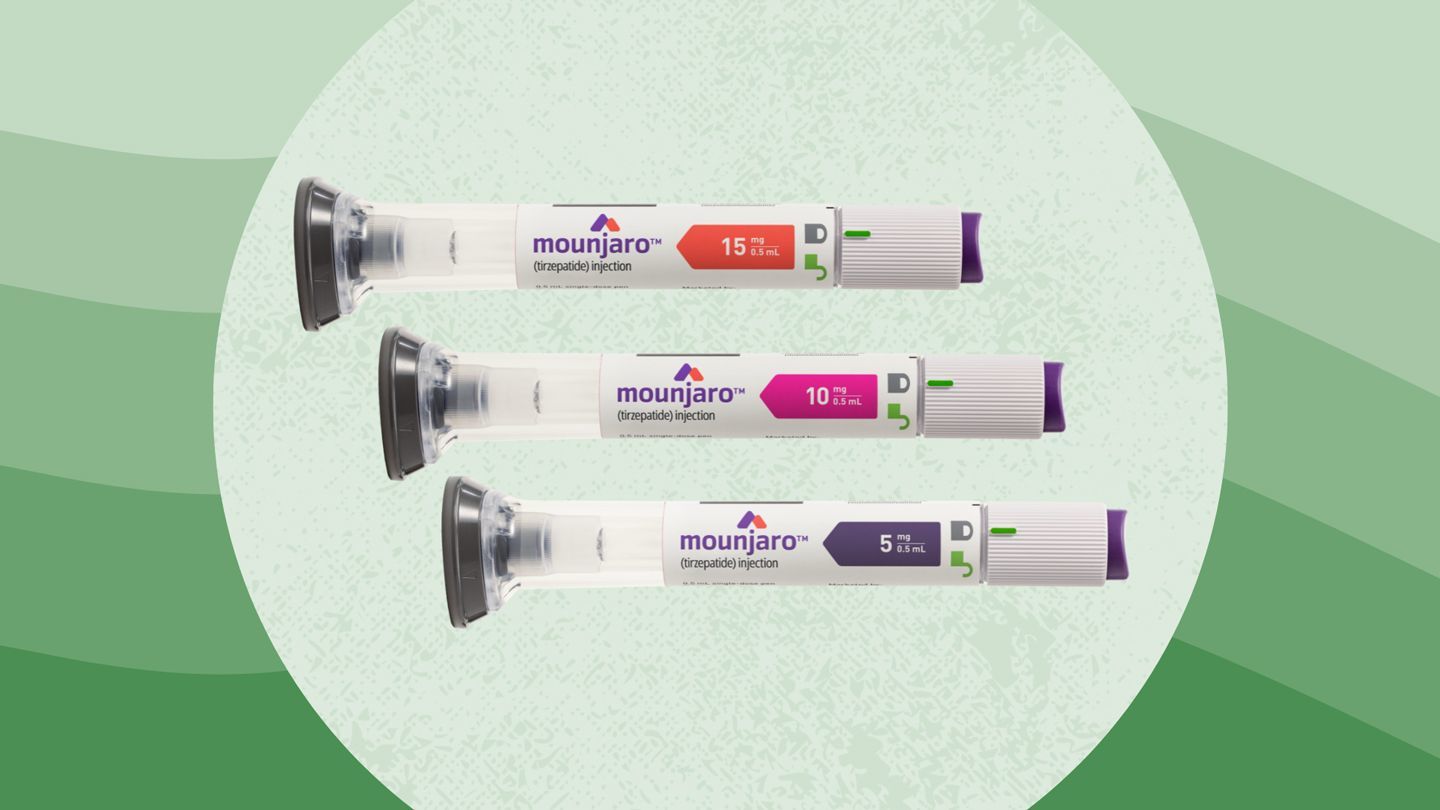
On the 13th (local time) at the JP Morgan Healthcare Conference (JPMHC) in San Francisco, USA, David Ricks, chief executive officer (CEO) of Eli Lilly, the developer of the obesity treatment drug “Mounjaro,” addressed competitors entering the obesity drug market with these words.
As Ricks noted, the global obesity treatment market has recently become a “party” in every sense. Glucagon-like peptide-1 (GLP-1) class obesity treatments are enjoying explosive popularity, prompting many global pharmaceutical companies to rush into developing obesity drugs. Competition has evolved from simply “does it make patients lose weight?” to “who can make them lose weight more easily and for longer?”
On this day, Novo Nordisk and Eli Lilly, which currently dominate the obesity treatment market between them, both delivered corporate presentations at JPMHC. Novo Nordisk, which presented first, highlighted that its recently U.S. Food and Drug Administration (FDA)-approved oral Wegovy (“Wegovy pill”) achieves an average 16.6% reduction in body weight and has a far lower rate of treatment discontinuation among patients than Eli Lilly’s product. The company also stated that it plans to launch a high-dose Wegovy this year with the aim of overtaking market leader Mounjaro.
In response, Eli Lilly put forward its powerful “triple agonist.” Currently, Wegovy is a GLP-1 agonist, while Mounjaro is a dual agonist targeting two proteins, GLP-1 and GIP. Eli Lilly’s “retatrutide,” now under development, is a triple agonist that adds the glucagon receptor to these two targets. A single drug thus simultaneously activates three proteins involved in insulin secretion. CEO Ricks explained that it “demonstrated a substantial effect, reducing body weight by up to 29% in specific population groups.”
Latecomer Amgen emphasized in its presentation that its obesity drug candidate “maritide,” which needs to be administered only once a month, maintains its weight-loss effect even when the dosing frequency is reduced to once every three months. AstraZeneca also announced that phase 1 clinical trial data for its oral GLP-1 treatment candidate will be available soon. Pfizer stated on the 12th, the previous day, that it initiated clinical trials late last year for “MET097,” a next-generation GLP-1 obesity drug acquired through its takeover of Structure Therapeutics (Metsera) last year, and that it plans to launch the product in 2028.
최지원
AI-translated with ChatGPT. Provided as is; original Korean text prevails.
ⓒ dongA.com. All rights reserved. Reproduction, redistribution, or use for AI training prohibited.